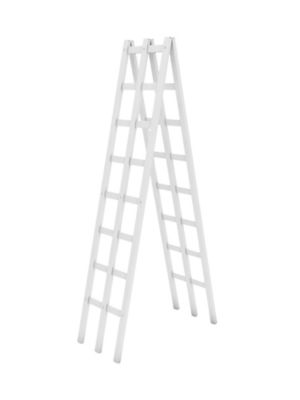
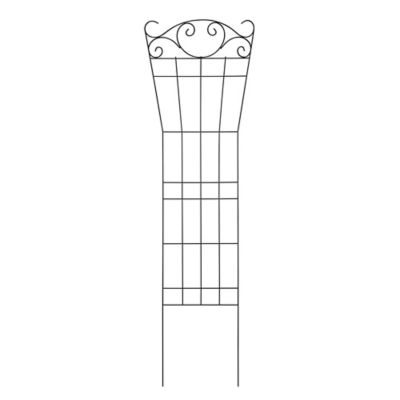
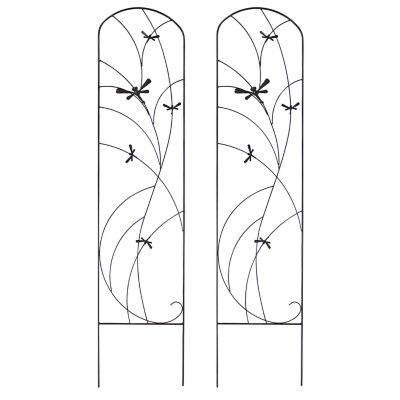
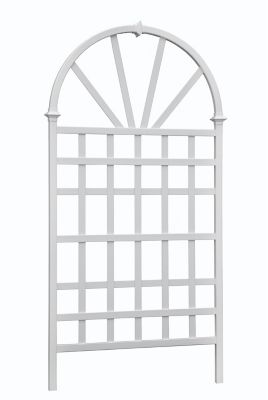
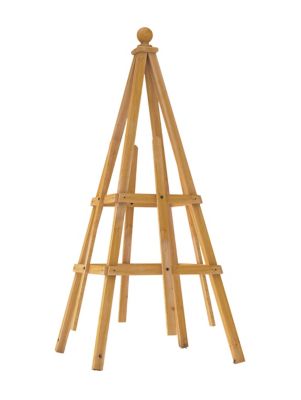
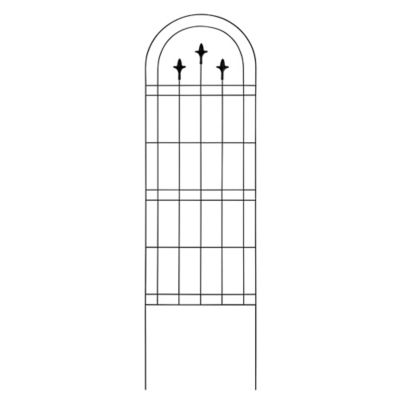
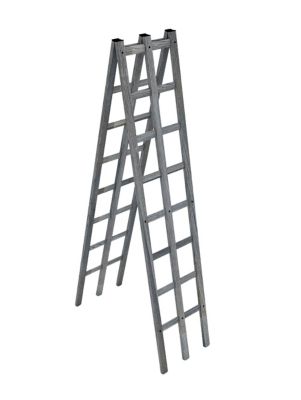
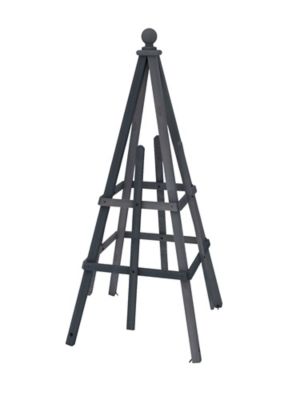
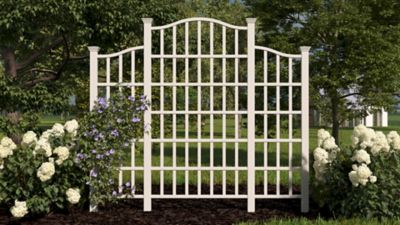
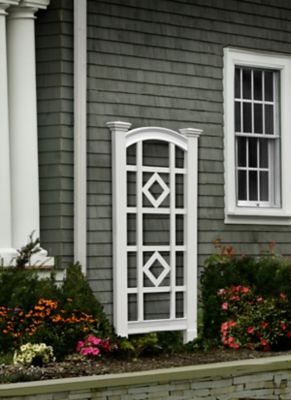
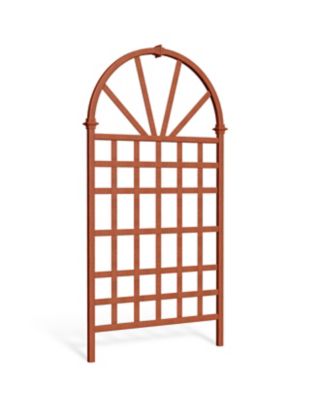
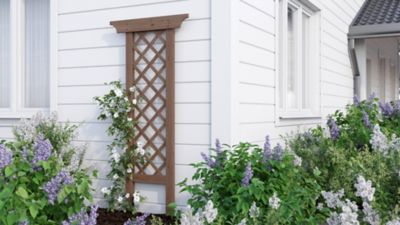
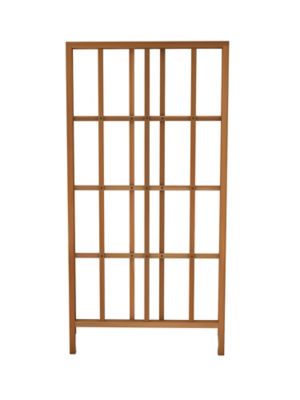
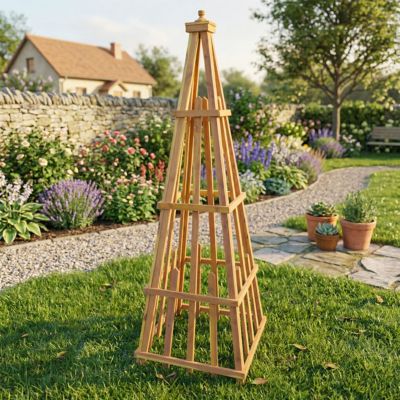
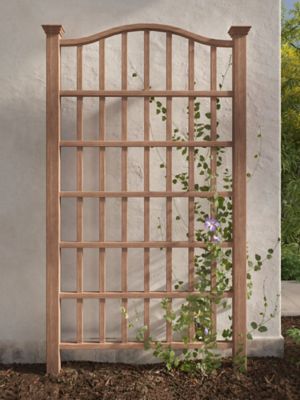
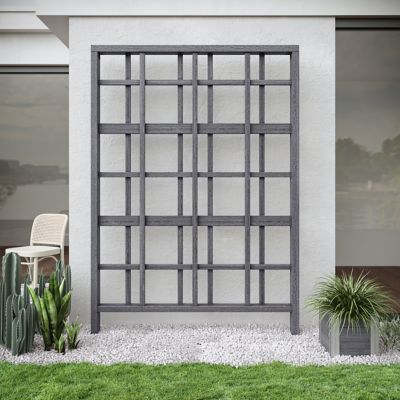
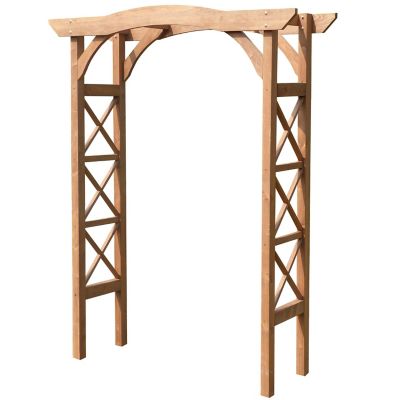
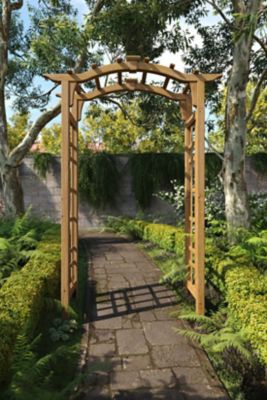
Garden trellises give climbing plants a place to reach, turning a stretch of fence, a narrow bed, or an open patch beside the porch into useful growing space. They bring height to a garden without taking up the footprint of another full row, which makes them handy for small yards and roomy kitchen gardens alike. A flat trellis can keep a planting close to a wall, while an obelisk or tower creates a growing area in the middle of a bed. Arched trellises frame a walkway and support growth overhead, and folding or expandable styles offer flexibility where planting layouts change. The best fit starts with the plant rather than the shape alone. Peas and cucumbers send out tendrils that need slender pieces to grab, while pole beans climb by winding their stems around supports. Climbing roses generally need their canes tied in place, and heavy woody vines call for a structure and anchoring system sized for their mature growth. An airy frame that suits a flowering annual may not be the right match for a vine that develops thick stems over several years. Opening size matters, too: a close grid gives tendrils plenty of contact points, while wider spaces can make reaching through for vegetables and pruning easier. For edible gardens, lifting suitable vines off the ground can make fruit easier to spot and keep paths from disappearing beneath sprawling growth. A trellis does not replace the plant’s needs for light, root space, and water, but it can make those needs easier to manage in a crowded bed. When comparing garden trellises, consider both the height above the soil and the space needed below it. Ground stakes, container depth, and nearby roots all affect whether a support fits the spot. A tall frame needs more than a narrow patch of open ground; it needs room for secure installation and enough clearance for the plant at full size.
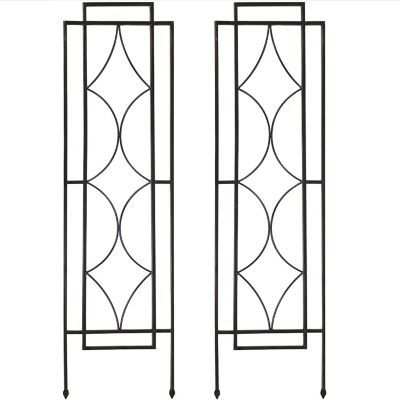
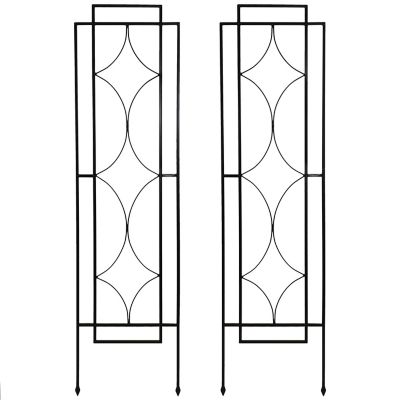
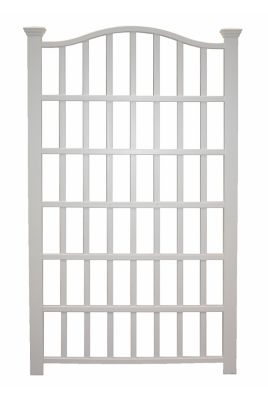
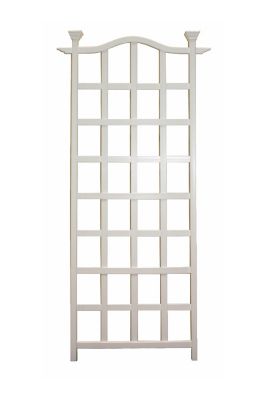
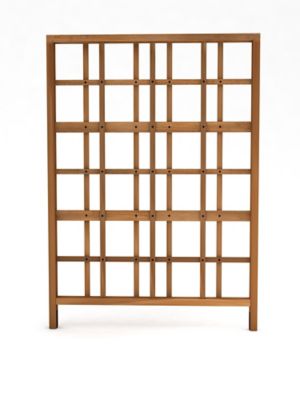
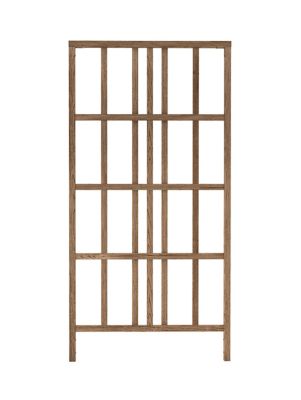
Materials influence a trellis’s appearance, weight, upkeep, and ability to support growth. Wood brings a natural look that sits comfortably beside raised beds, split-rail fencing, and gravel paths. The thickness of the wood, the way the joints connect, and the size of the lattice openings all matter as much as the overall outline. Wooden garden trellises benefit from checks for loose fasteners, rough edges, and signs of deterioration near soil contact. Any finish or treatment should suit the intended placement, especially around edible plants, and care should follow the maker’s directions. Metal trellises can range from slender wire panels to substantial frames, so the material name alone does not tell the whole story. Rod thickness, welds, bracing, and mounting points help determine what a frame can reasonably carry. Protective coatings help limit corrosion, but scratched areas and connections still need attention. Aluminum is often easier to move, while steel frames may provide greater rigidity; construction and dimensions remain important with either choice. Vinyl and composite trellises offer another look, with surfaces that generally wipe clean, though their support limits and installation requirements vary. Across materials, smooth edges and sound connections help protect tender stems and make routine handling easier. Wall-mounted designs need fasteners suited to the surface behind them, along with enough spacing for plant growth and access. Freestanding designs need anchoring appropriate to their height, shape, and expected load. A planter trellis also has to work with the container itself: a small pot may not provide enough depth or stability for a tall support covered in vines. For containers, match the trellis to the planter’s interior dimensions rather than judging by appearance alone. Good care can be straightforward. Removing tangled plant material, checking attachment points, and cleaning surfaces according to the material help keep the structure ready for its next planting. Supports that come apart or fold flat can be easier to store when a bed or container is cleared.
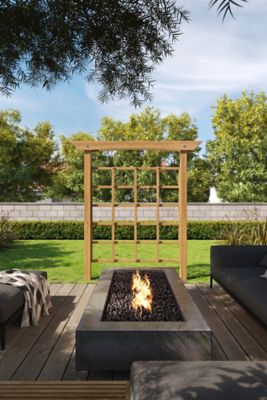
Placement is where a garden trellis earns its keep. Along the edge of a vegetable patch, a vertical support can keep a row of climbing crops within easy reach without blocking the main path. Near a porch or sitting area, flowering vines can add color at eye level and give the space a more enclosed feel as growth fills in. That screening takes time and depends on the plant, so an open trellis should not be mistaken for an instant privacy fence. A look at
trellises for backyard landscaping can help connect a hardworking growing area with the rest of the yard. Repeating a simple shape along a border creates a settled look, while a single taller support can mark an entrance or draw attention to a favorite planting. Keep practical access in the picture. A walkway arch needs clearance for people carrying baskets, pushing a garden cart, or passing beneath hanging growth. A trellis beside a gate should leave room for the gate to swing, and one near a shed should not interfere with doors or access for repairs. In mixed beds, its position affects where shade falls, so shorter plants still need suitable light. Leave room to reach ties and stems without stepping into the planting area, and keep edible crops within a comfortable picking height whenever possible. Soft plant ties should hold stems without pinching them, with room for thickening growth. Supports are generally easier to position before vines become tangled, reducing the need to work around established stems and roots. Garden trellises can also make a thoughtful gift for someone who enjoys growing flowers or vegetables, particularly when the size and style suit a known garden space. Whether the setting is a small patio, a farmhouse yard, or a row of raised beds, the right match comes down to a straightforward balance: enough support for the plant, enough room for tending, and a form that belongs in the space.