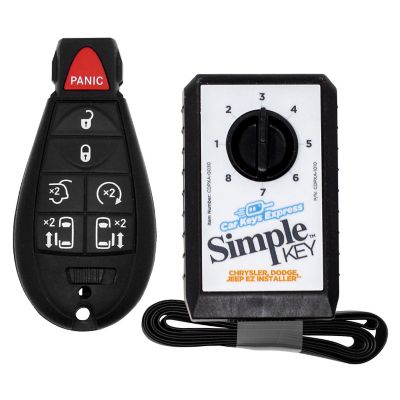
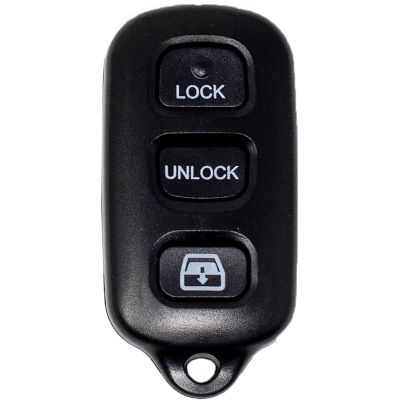
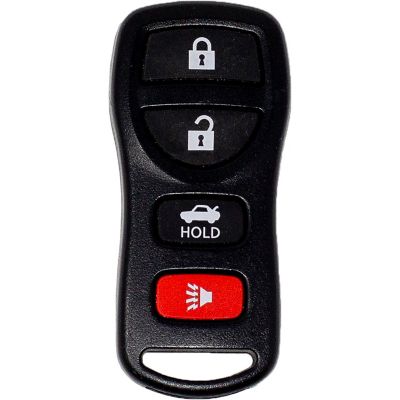
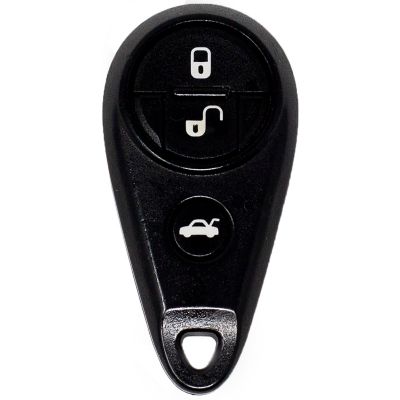
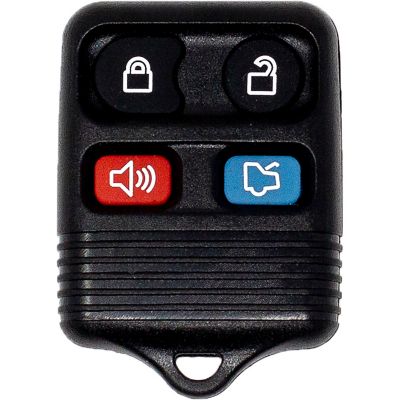
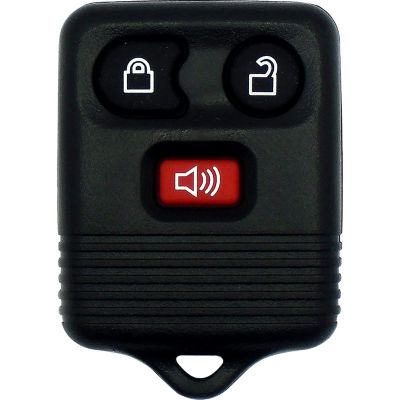
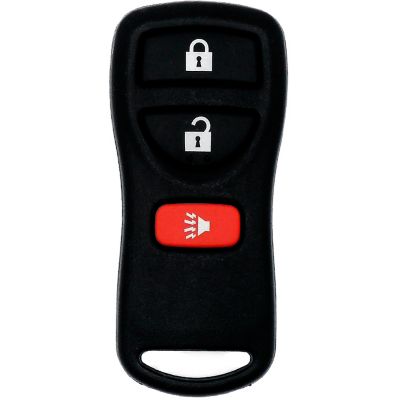
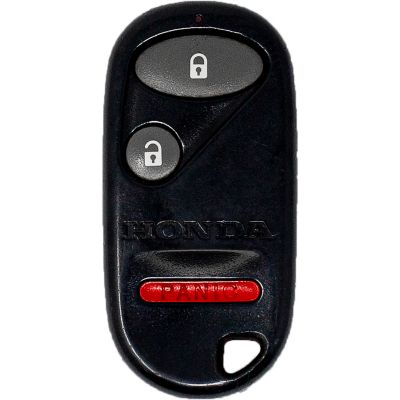
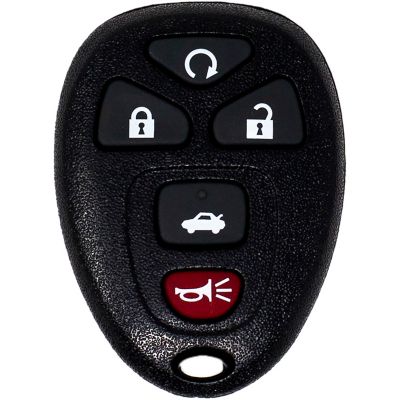
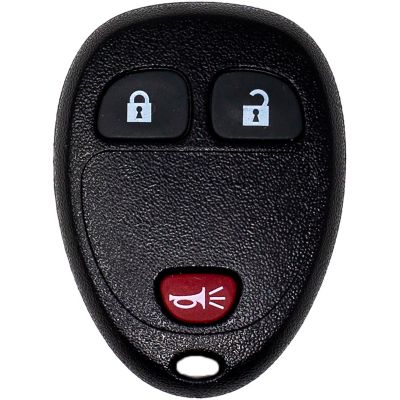
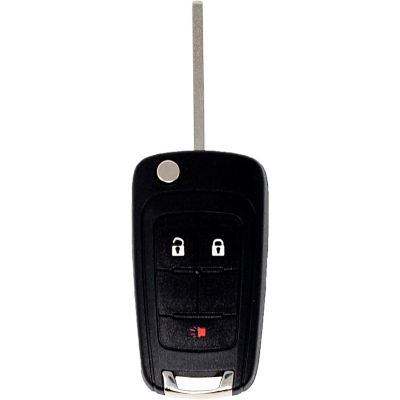
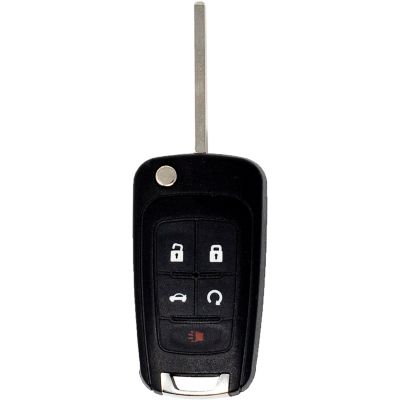
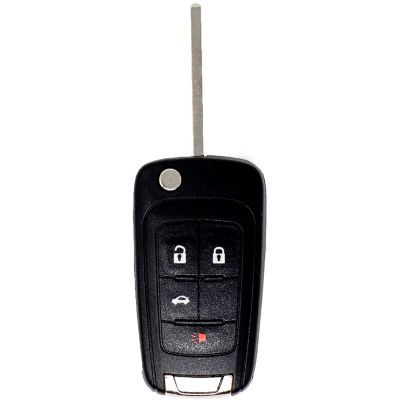
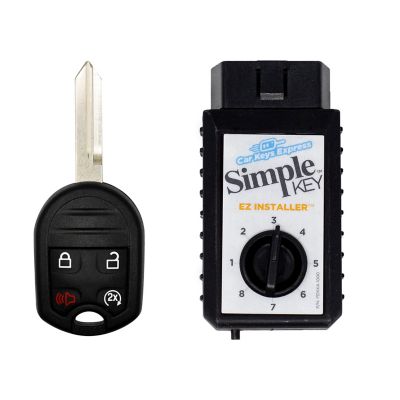
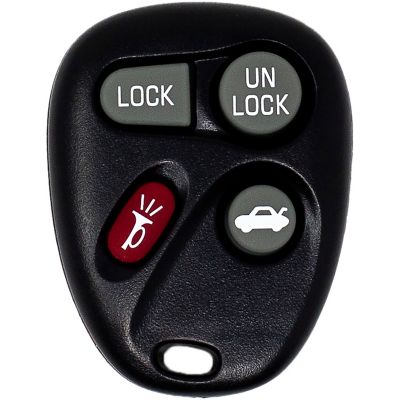
Car key fobs put everyday vehicle functions close at hand, whether the next stop is the feed store, a jobsite or the far end of the driveway. A fob communicates with a compatible vehicle through radio signals, allowing functions such as locking and unlocking doors, opening a trunk or activating a panic alarm. The exact functions depend on the vehicle and the remote. Some fobs are separate from the ignition key, while others combine remote buttons and a physical key blade in one housing. Flip-key designs fold the blade into the body, keeping the metal edge tucked away in a pocket. Smart key fobs work with vehicles equipped for proximity entry and push-button starting, so the vehicle can recognize an authorized key nearby without a button press for every action. These designs serve different systems and are not interchangeable simply because their cases look alike. Remote keyless entry and an engine immobilizer also do different jobs: one controls access, while the other checks authorization before the engine can start. A remote may unlock the doors yet still lack the correct transponder or programming to start the vehicle. Features such as remote start, liftgate operation and sliding-door controls require matching vehicle equipment as well as a compatible fob. An extra button alone cannot add those functions. For drivers carrying feed bags, loading groceries or helping children into the back seat, a familiar button layout can make daily stops less of a juggle. Clear symbols, distinct button shapes and a housing that sits comfortably in the hand all matter when choosing a replacement. A spare can also be useful in a household where more than one person drives the same vehicle, giving each driver a separate set rather than leaving everyone searching for a single key ring.
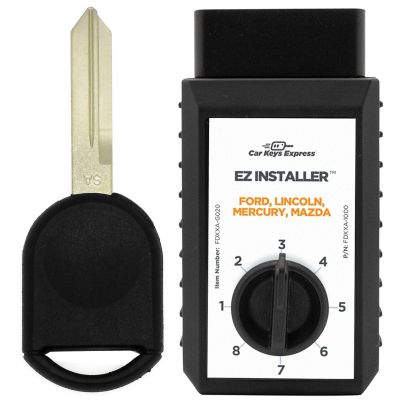
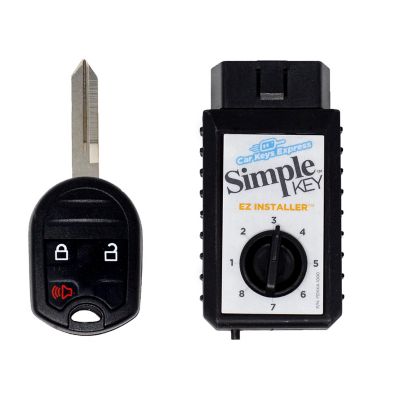
The right car key fob starts with vehicle compatibility, not appearance. Year, make and model are important, but trim level, production details and the original key system can narrow the match further. Two vehicles with the same model name may require different remotes, and two nearly identical fobs may transmit on different frequencies or contain different electronics. Matching information can include the manufacturer’s part number, the FCC identifier, button configuration and transponder type. An FCC identifier helps identify radio equipment, but it should not stand alone as proof that a remote will work with a particular vehicle. Compatibility information should agree with the vehicle’s requirements, including any proximity-entry or remote-start equipment. The distinction between a complete electronic fob and a replacement housing matters, too. A shell may provide a fresh outer case without including a circuit board, transponder, battery or key blade. Moving working components into a matching shell is different from adding a new electronic key to the vehicle. A replacement blade may also need cutting to match the locks, and cutting does not take the place of electronic programming. Pairing requirements vary by vehicle rather than following one universal model-year cutoff. Some vehicles allow an owner to add a compatible remote through a procedure in the owner’s manual, sometimes with one or more working keys already on hand. Others require equipment operated by an automotive locksmith or dealership. Proximity keys and immobilizer functions may have different programming requirements from door-lock buttons, so successful lock operation does not necessarily mean the whole job is complete. When every key is missing, the process can differ from adding a spare while a working key remains. For a lost or stolen fob, a locksmith or dealership can explain whether its authorization can be removed from the vehicle’s memory. Having vehicle identification and proof of ownership ready helps support that work. These details make fit and programming needs just as important as the shape of the remote itself.
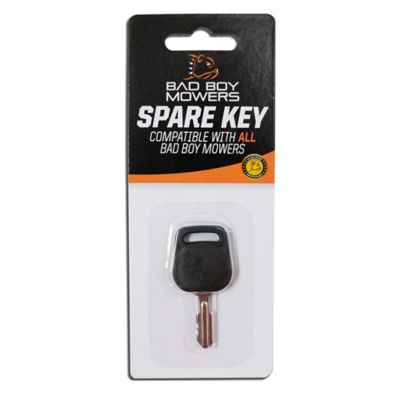
Materials and everyday handling influence how a car key fob holds up on a busy key ring. Molded plastic housings keep the electronics enclosed, while rubber or silicone button surfaces provide a flexible contact point. Metal key blades, hinge parts and attachment loops take on different kinds of strain, especially when a ring carries house keys, padlock keys and a few shop keys besides. A secure attachment point, snug case seams and buttons that return cleanly after a press are useful considerations for regular pocket carry. A protective cover can soften scuffs and improve grip, provided it fits without holding buttons down or interfering with a folding blade or emergency-key release. Water resistance varies, so a fob should not be treated as waterproof without a stated rating. Dust, grit and residue can collect around buttons and seams; routine care generally means a soft cloth and the cleaning method specified by the manufacturer rather than soaking the housing or spraying cleaner into openings. Battery requirements also vary. Many remotes take a replaceable coin-cell battery, but the correct battery number and installation direction need to match the fob. Reduced operating range or a vehicle warning may point to a weak battery, though interference, damage and vehicle-side issues can cause similar symptoms. Some smart-key vehicles provide an emergency entry blade and a designated backup starting procedure when the fob battery is depleted; the owner’s manual explains what applies. Keeping a spare somewhere accessible to an authorized driver, rather than locked inside the vehicle, makes it more useful when the main set goes missing. For a new driver or family member, a compatible spare can be a practical gift once the vehicle details and programming arrangements are settled. Properties with powered entrances may also call for
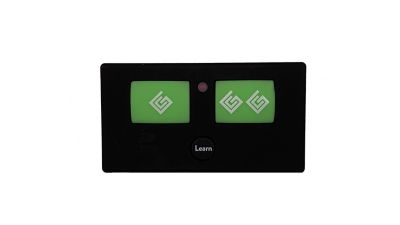
Gate Remotes, which serve a separate access system and need their own compatibility check. Keeping vehicle and gate controls easy to tell apart helps when pulling into the driveway with a trailer behind the truck. A well-matched fob brings the focus back to the day’s work, with the right controls, a comfortable feel and a clear plan for setup and care.