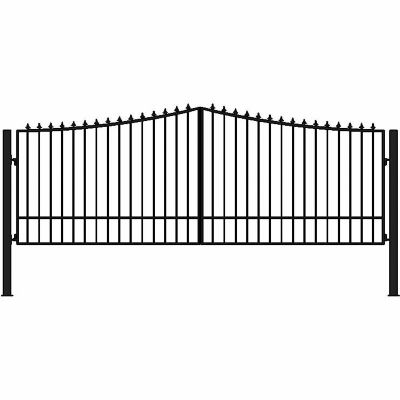
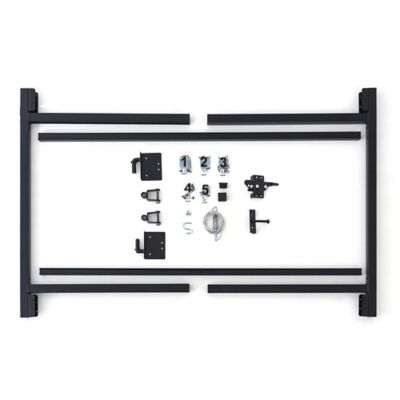
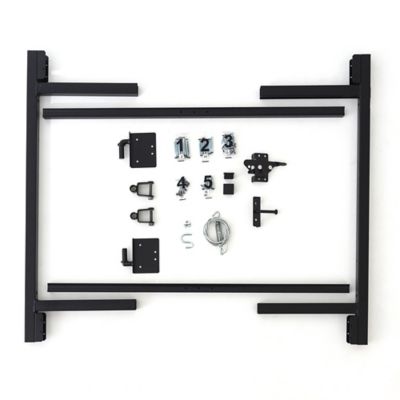
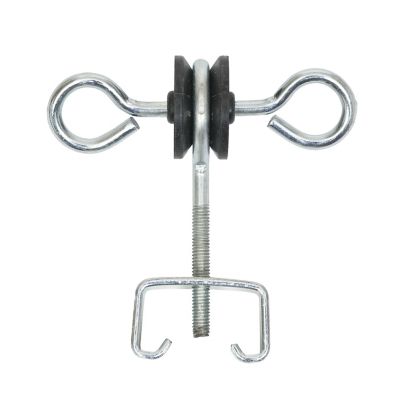
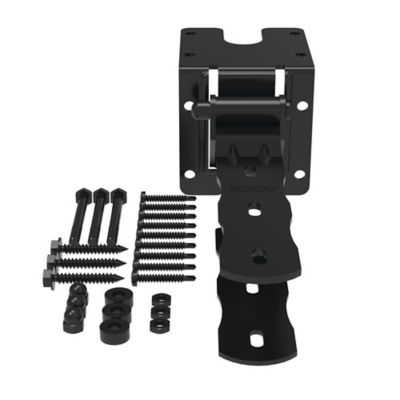
Gate installation hardware brings the moving parts of a fence opening together, from the connection at the post to the latch that holds the gate shut. A good setup lets a pasture entrance swing without dragging, keeps a garden gate lined up with its catch, and gives a driveway gate enough support for its wider span. The right combination depends on the gate’s material, weight, width, and purpose, along with the condition of the posts carrying it. A narrow walkway entrance has different demands than an opening for a tractor, livestock trailer, or hay wagon. Wood gates offer a solid look and can match surrounding boards, but their weight and framing place extra demands on hinges and posts. Steel gates suit many farm and livestock settings, while aluminum can reduce the weight hanging from the hinge side. Neither material makes post strength or proper alignment any less important. Hardware finishes matter, too: galvanized surfaces and suitable protective coatings help limit corrosion, while fasteners must be compatible with the gate, the post, and any treated lumber. For a homeowner replacing a sagging backyard entrance, the trouble may lie in a leaning post rather than the gate itself. For a livestock owner opening the same crossing several times a day, easy latch operation and a clear swing path can matter just as much as appearance. Gate installation supplies should suit that everyday routine, not simply the size of the opening. A gate that looks right but catches on the ground, swings into a travel lane, or takes two hands to hold in place can become a daily nuisance. Matching the supporting hardware to the job helps create an entrance that works smoothly without putting unnecessary strain on the fence beside it. The surrounding fence also matters, since a gate opening should preserve the boundary’s intended function rather than leave a weak point where animals can push through or wander out.
Fit is about more than the distance between two posts. The opening’s width at the top, middle, and bottom can reveal posts that lean or sit out of line, and the narrowest measurement helps establish the space actually available. The gate also needs room for hinge hardware, latch engagement, and an unobstructed swing, so its finished width is generally smaller than the opening. Those allowances vary by hardware design; a single spacing rule will not fit every entrance. Choosing
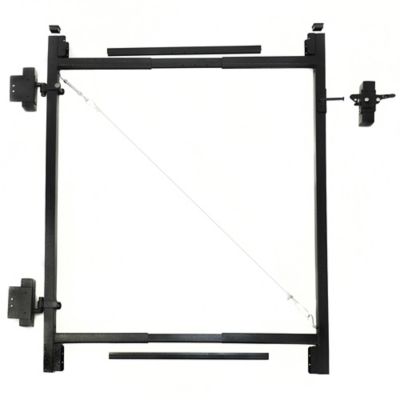
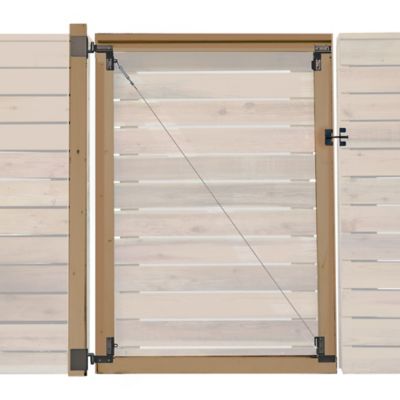
gate hinges means considering the gate’s width and weight together, because a wide panel puts more leverage on the hinge post than a narrow panel of the same weight. Hinge ratings, mounting requirements, and adjustment range help determine a suitable match. Wood posts, round steel posts, and masonry supports each call for compatible mounting methods, with fastener length and attachment points suited to the supporting material. A square gate frame and a stable hinge post are the foundation of proper alignment. For a wood gate with a compression brace, the diagonal typically runs from the lower hinge corner toward the upper latch corner, supporting the free end of the frame. Tension-cable bracing works differently, so brace direction depends on the system rather than appearance alone. Post size, footing dimensions, and embedment depth depend on gate loads, soil conditions, local requirements, and the manufacturer’s specifications; there is no single post depth that suits every property. Ground clearance deserves the same attention. A gate may clear the ground when closed yet scrape a raised patch halfway through its swing. Wider entrances also need enough room for approaching equipment to line up without clipping a post. Double gates bring another consideration: the two leaves must meet properly, and the stationary leaf needs support that keeps it from shifting when the active leaf closes. These details separate a gate that merely fills an opening from one that handles regular traffic without a wrestling match.
Daily use often determines which latch and support features make sense. At a pasture crossing, the latch should close positively and suit the animals behind the fence; an easy-to-lift catch may not be enough for a horse that noses at hardware. At a yard entrance, comfortable reach and smooth operation may take priority, especially when someone is carrying feed, garden tools, or a basket of vegetables. A padlock provision can help control access, but it does not replace sound posts, secure attachments, or a latch suited to the gate. For gates near children or areas with special access requirements, applicable safety rules deserve attention before the hardware choice is settled. Gates around pools, for example, can have specific requirements for self-closing action, latch placement, and opening direction. Automatic driveway systems have their own requirements for compatible hardware, operator limits, and protection against entrapment. Across these applications, care starts with watching how the gate moves. New rubbing at the latch, a widening gap at one corner, or a gate that no longer stays where expected can point to loose attachments, wear, or movement in the supporting post. Moving joints may need lubrication according to their manufacturer’s directions, and damaged coatings or exposed metal deserve attention before corrosion spreads. Wood framing benefits from checks for splitting around fasteners and movement at brace connections. Support wheels need firm, consistent ground and should not stand in for a sound hinge post or a properly supported frame. Drop rods and ground catches should engage cleanly without leaving an obstacle in the travel path when the entrance is open. Keeping dirt and debris out of these contact points helps preserve smooth operation. Whether the opening serves a small garden, a working barnyard, or a long farm drive, well-matched gate installation components help keep access straightforward: enough room to pass through, a steady swing, and a latch that meets cleanly when the gate comes home.