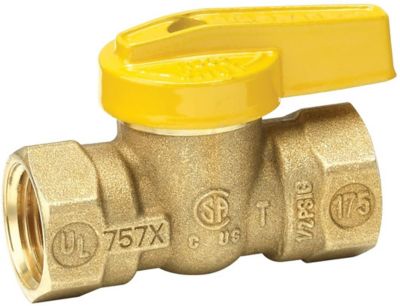
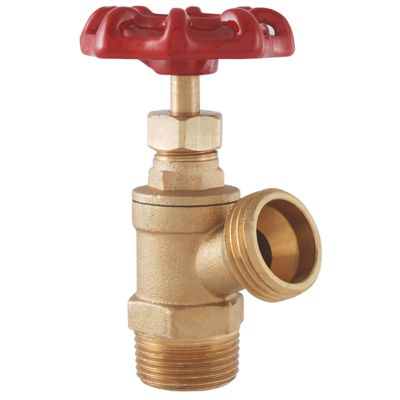
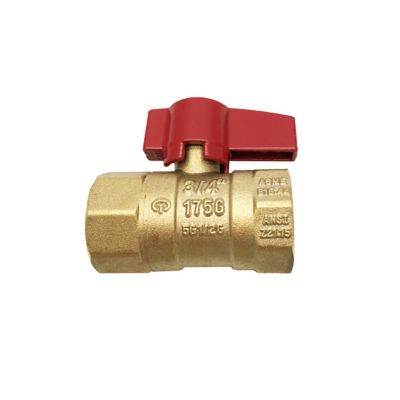
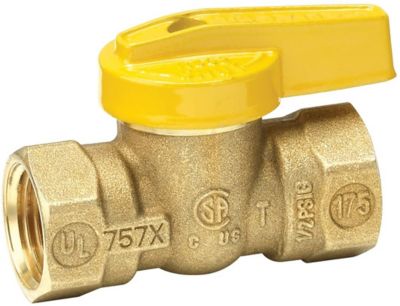
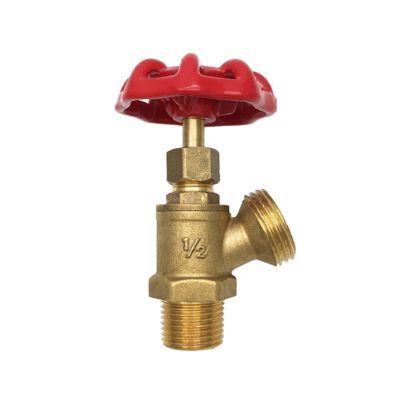
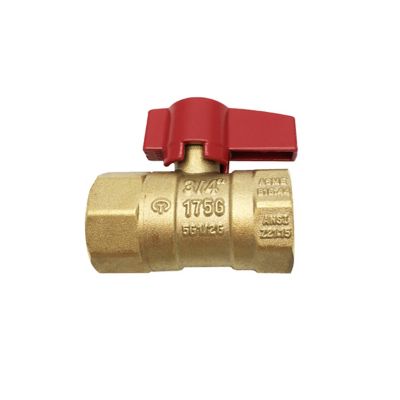
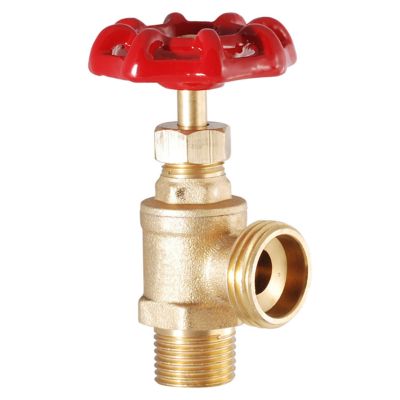
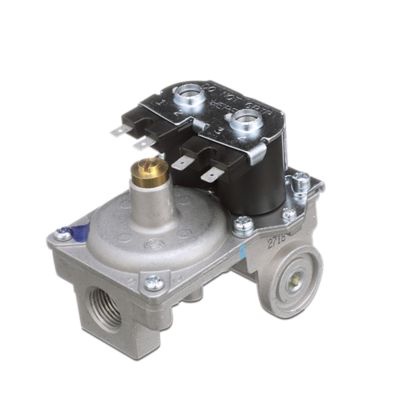
When it comes to keeping your hot water flowing steady for showers, chores, or livestock needs, the gas valve on your water heater is one of those unsung heroes that rarely gets a second thought—at least until something goes wrong. Whether you’re managing a busy homestead, running a workshop out back, or just keeping the family supplied with hot water after a long day outside, a dependable gas valve is at the heart of your water heater’s operation. This small but mighty piece of equipment acts as both the safety gatekeeper and temperature regulator, making sure gas only flows when it should and that your water stays right in that sweet spot—warm enough for comfort, but never scalding. With features like a temperature dial (usually letting you set anywhere from 120°F up to 160°F), a gas control knob with ON, OFF, and PILOT positions, and built-in safety mechanisms like a thermocouple or thermopile to shut off gas if the pilot light goes out, these valves are designed to keep your home or farmstead safe and running smoothly. The piezo igniter, often a red or black button, makes lighting the pilot flame a cinch without fumbling for matches, which is especially handy when you’re elbow-deep in other projects.
If you’ve ever found yourself with a water heater that just won’t hold a flame, keeps fluctuating in temperature, or starts leaking gas around the dial, odds are the gas valve or its connected parts might be due for a replacement. These issues can crop up more often during the warmer months when water heaters aren’t working as hard, or as the weather cools and demand picks up again—making mid-summer through fall a common season for repairs and upgrades. Folks who do their own maintenance or like to keep spares on hand will appreciate having a compatible gas valve ready, especially since these parts are highly model-specific. It’s a good idea to double-check your water heater’s make and model before picking up a new valve, as fit and function can vary quite a bit. For families, DIYers, or anyone with a knack for home repairs, a quality gas valve is a practical investment—and can even make a thoughtful gift for that handy person in your life who’s always lending a hand around the property. Just remember, working with gas lines requires care: always turn off the main gas supply and any electrical connections before swapping out a valve. For those looking to tackle similar projects, or if you need to find parts for other heating systems, you might also want to check out our selection of
Furnace Gas Valves for more options.
No matter if you’re prepping for the busy fall season, getting ahead on maintenance before the first cold snap, or simply making sure your water heater is set for another stretch of heavy use, having the right gas valve on hand can save you time, money, and a whole lot of hassle. These valves are built to last but can wear out over time—especially in older units or those that see heavy use. Keeping an eye out for warning signs, like a pilot that won’t stay lit or water temperatures that swing wildly, can help you catch problems early and keep your water heater running safe and efficient. Whether you’re a seasoned pro or just starting to handle your own repairs, investing in a reliable gas valve means you can spend less time worrying about hot water and more time focusing on what matters most—getting the job done, spending time with family, or just enjoying a well-earned soak at the end of a long day.