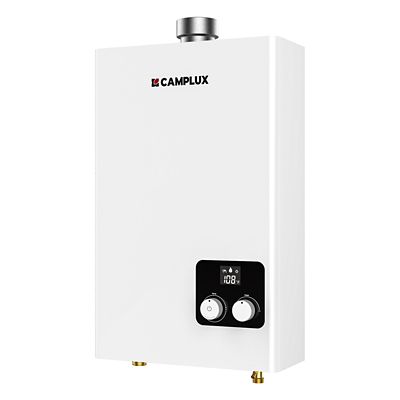
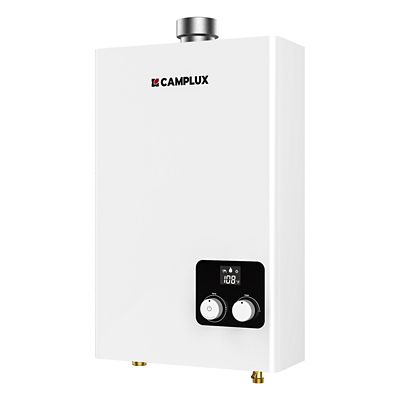
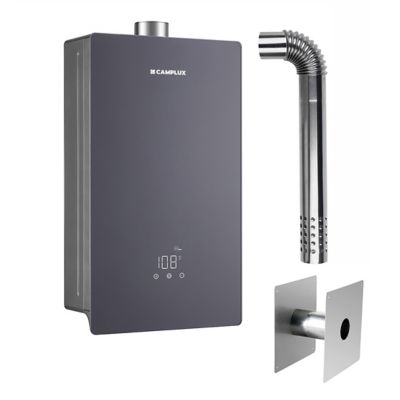
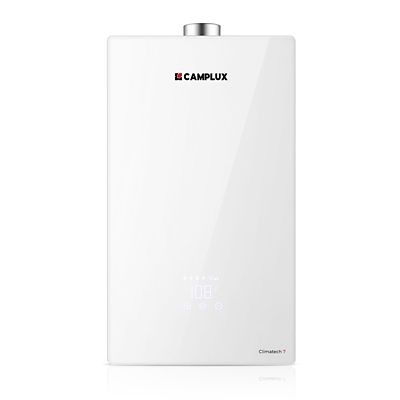
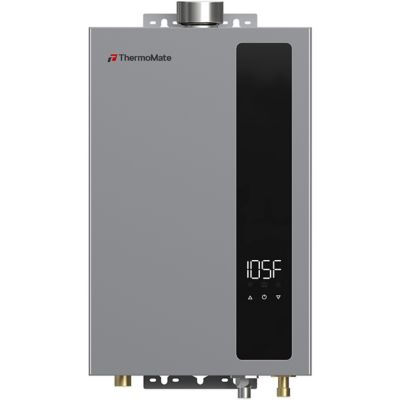
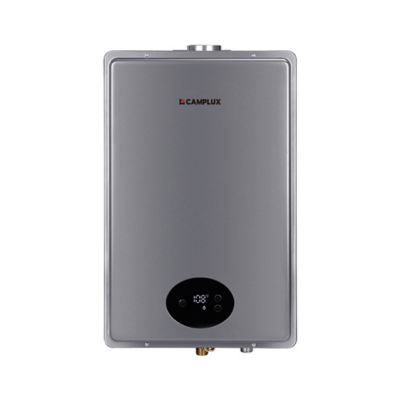
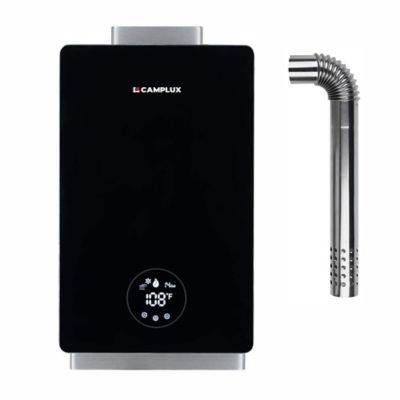
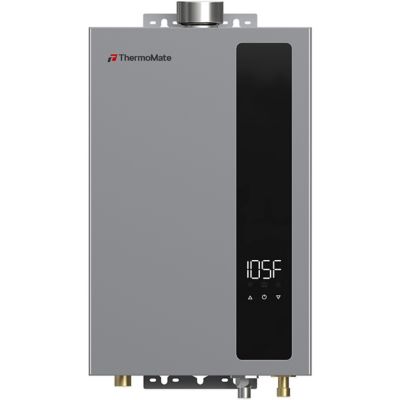
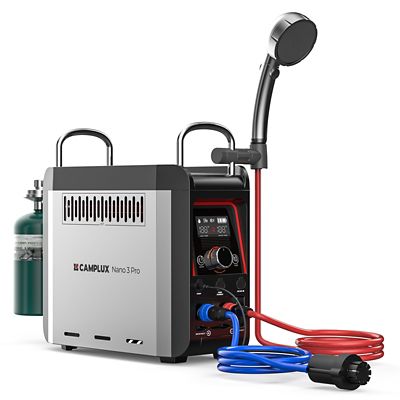
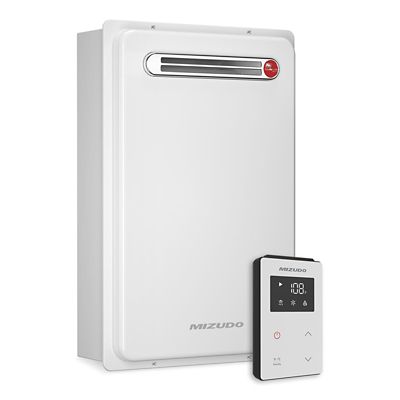
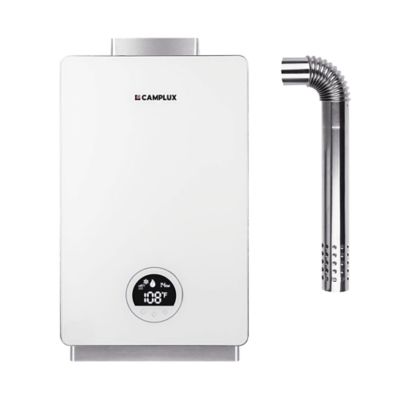
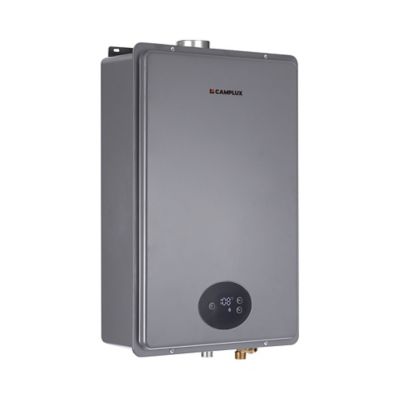
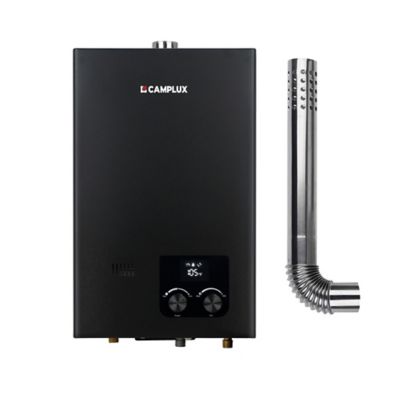
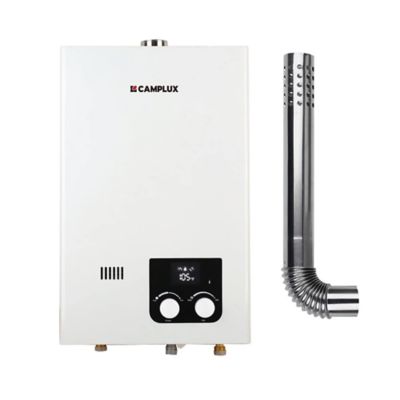
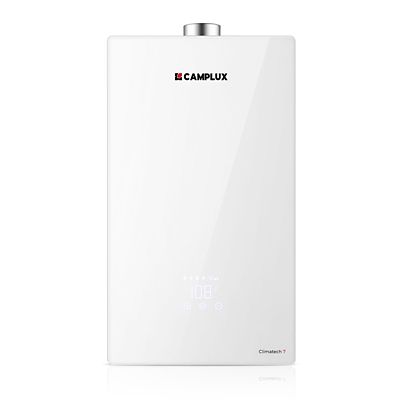
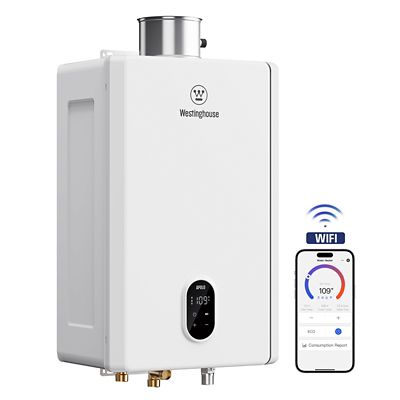
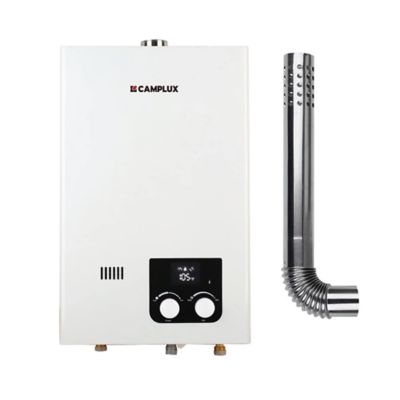
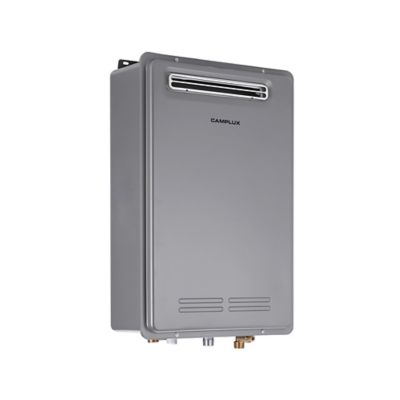
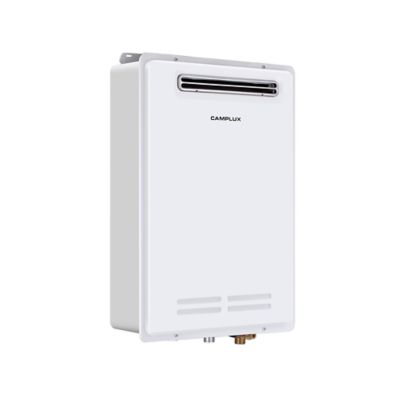
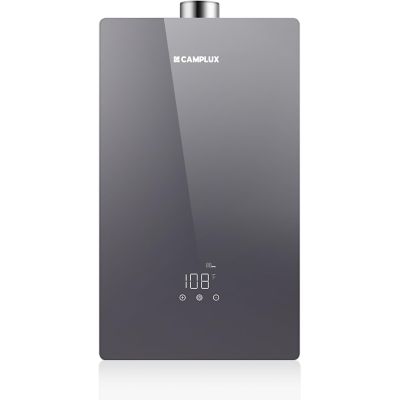
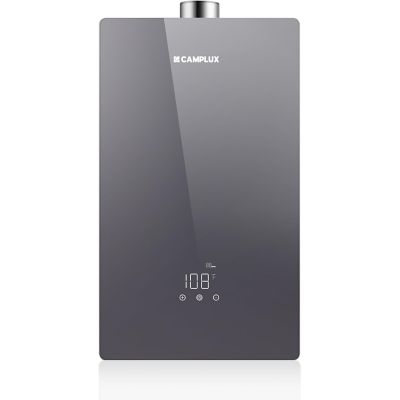
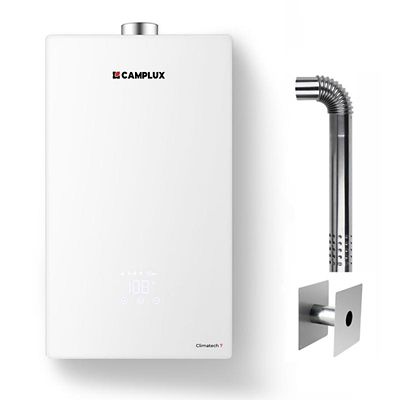
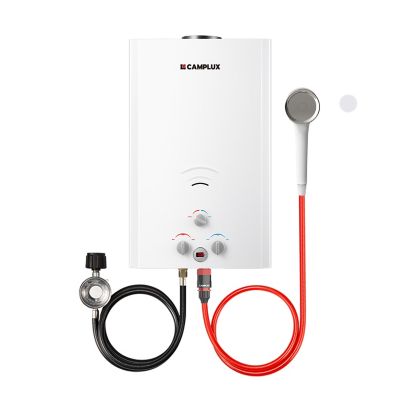
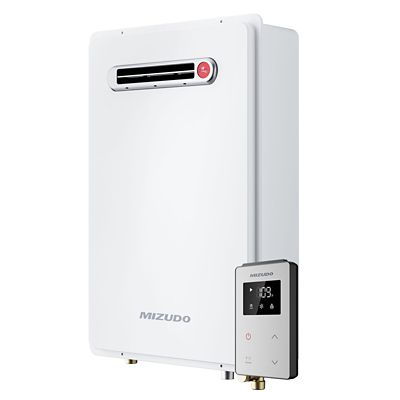
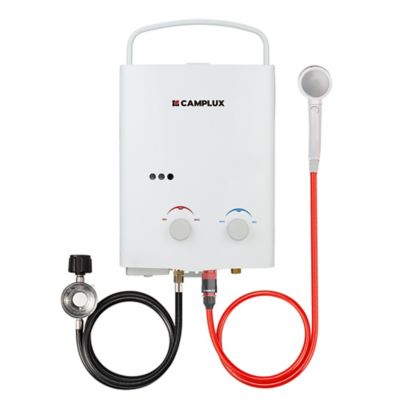
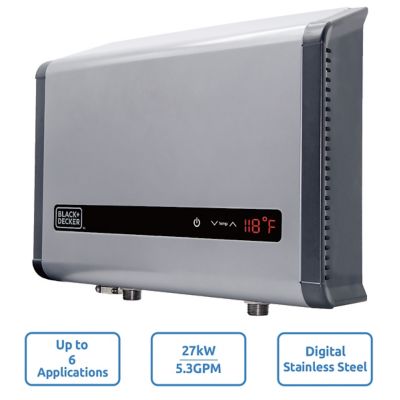
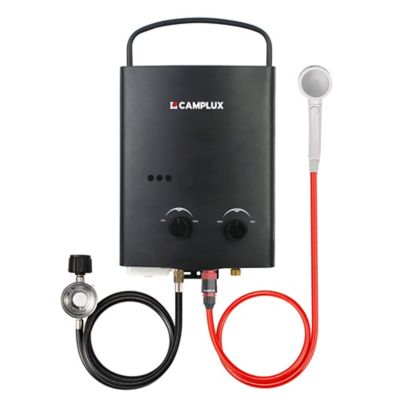
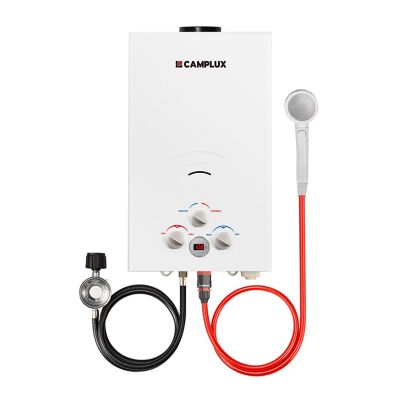
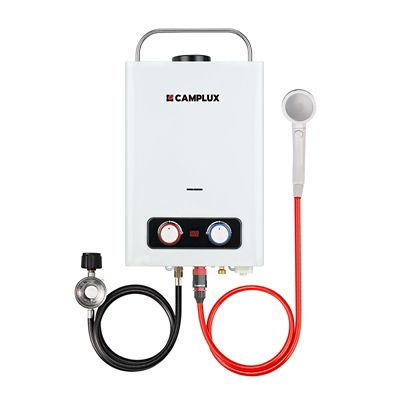
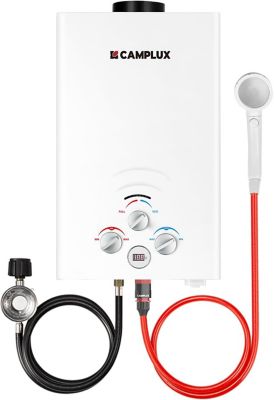
High-efficiency propane water heaters are a practical fit for homes, cabins, workshops, barns with living quarters and other places where dependable hot water matters. Propane burns hot and can help a water heater recover faster than a standard electric resistance setup, making it easier to keep up with showers, laundry, dishwashing and cleanup after a long day outdoors. Many of the units on this page are tankless, also called on-demand water heaters, which heat water as it moves through the system instead of storing a large tankful around the clock. That design can help save floor space and reduce standby heat loss, since the burner runs when hot water is needed rather than continually reheating stored water. A tankless unit can also provide a steady supply for back-to-back showers, provided its flow rate and installation are matched to the household’s demand. For shoppers comparing high efficiency propane water heaters, the Uniform Energy Factor, or UEF, is one of the most useful numbers to check. A higher UEF generally means the unit uses propane more efficiently over a typical operating cycle. High-efficiency condensing tankless models may reach UEF ratings around 0.93 to 0.96, though actual performance depends on water temperature, incoming water temperature, usage habits and installation. Flow rate, listed in gallons per minute, matters just as much. A unit rated around 7 to 11 gallons per minute may serve several fixtures, but the available flow can drop when the incoming water is especially cold or when multiple showers, sinks or appliances run together. Homes with well water, large families, guest quarters or frequent livestock-area cleanup should take peak demand seriously before choosing a capacity. When in doubt, make a simple list of the fixtures that might operate at the same time and compare their combined flow needs with the heater’s specifications.
Propane water heaters come in more than one efficient configuration. Condensing tankless models capture additional heat from exhaust gases and use it to warm the water, helping them reach strong efficiency ratings while delivering hot water on demand. Because they produce condensation, these units typically need an appropriate drain and venting setup, and many are designed to work with approved plastic vent materials rather than traditional metal vent pipe. Power-vented storage models keep the familiar tank format while adding features such as improved insulation, efficient burners and powered exhaust. They may be a comfortable choice for households that prefer stored hot water or want a more familiar replacement for an older tank-style heater. Storage capacity, recovery rate and first-hour delivery are important details for these models, especially in a busy home where several people may shower or use hot water close together. Some high-efficiency units include built-in recirculation or smart controls that help reduce the wait at a distant faucet, while Wi-Fi features may allow homeowners to check settings, monitor operation or receive alerts from a phone. Those conveniences can be useful in a vacation cabin or rural home where the water heater is tucked away in a utility room, but they should be weighed against network availability and the simplicity many homeowners prefer. Before purchasing, confirm the propane type and supply, gas line size, available electrical service, venting requirements, water connections, installation clearances and local code requirements. A licensed plumber or qualified gas professional should handle installation, gas connections, venting and startup. Proper sizing and installation help the heater operate safely and can prevent problems such as low water pressure, nuisance shutdowns, poor combustion or inconsistent temperatures. It is also smart to check the manufacturer’s maintenance recommendations, including inlet screen cleaning, filter checks, flushing for mineral buildup and inspection of the vent and condensate drain. Hard water and sediment can be especially tough on water-heating equipment, so homes with mineral-heavy well water may benefit from appropriate filtration or water treatment.
Choosing among high efficiency propane water heaters often comes down to the way a property is used. A compact tankless model may suit a small home, hunting cabin or detached guest space where saving room and avoiding standby losses are priorities. A larger household may favor a higher-flow unit or a tank-style heater with strong recovery performance to handle morning showers, washing machines and kitchen cleanup without as much juggling. In a farm setting, a dependable hot water supply can make handwashing, equipment cleanup and household chores more comfortable during the cooler months, while a heater in a workshop or outbuilding may need extra attention to freeze protection and access for service. Look for freeze-protection features when the unit will be installed in an unheated area, and remember that built-in protection may still require electricity and a working propane supply during a cold-weather outage. Many high-efficiency water heaters may also qualify for utility incentives, energy-efficiency rebates or tax programs, depending on location and eligibility. Programs can change, so review the current requirements and keep receipts, model information and installation records. For shoppers who want to compare tankless styles and features in one place, explore
On Demand Water Heaters. A good water heater should match the household’s real routines rather than simply carry the highest efficiency number. Think about how far water must travel to reach the kitchen or shower, how many people use hot water during the busiest part of the day, whether the property has a well, and whether service access will be easy. With the right size, propane supply, venting and maintenance plan, a high-efficiency unit can provide steady hot water for everyday living, weekend guests, outdoor cleanup and all the muddy-boot chores that come with country life.