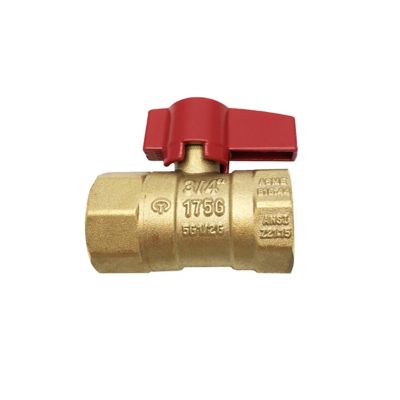
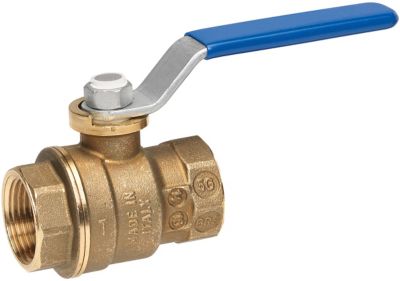
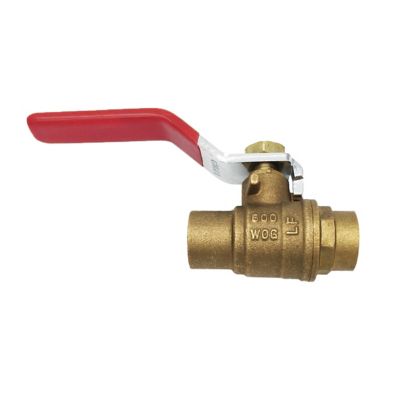
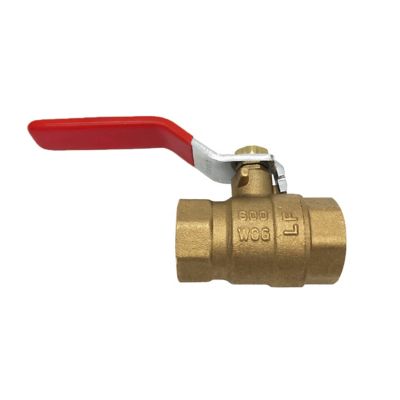
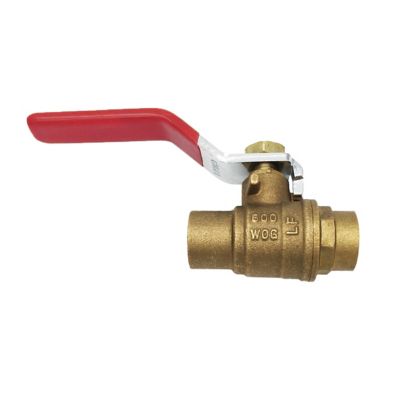
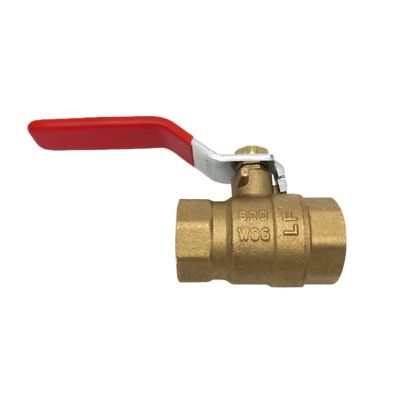
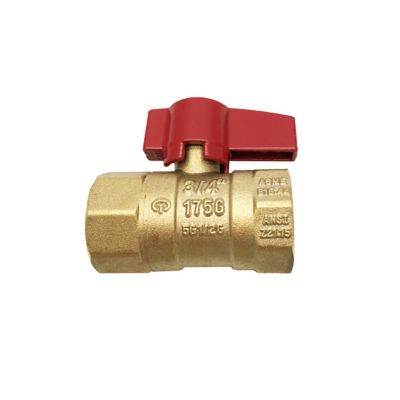
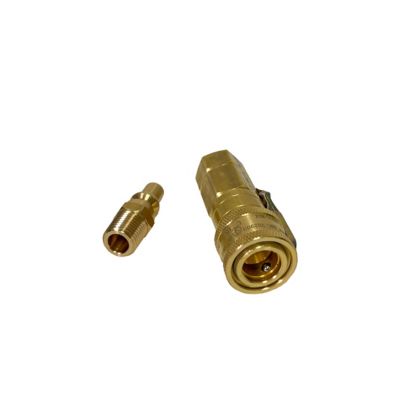
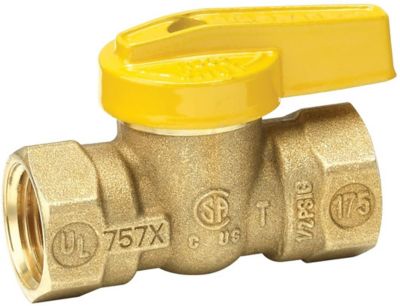
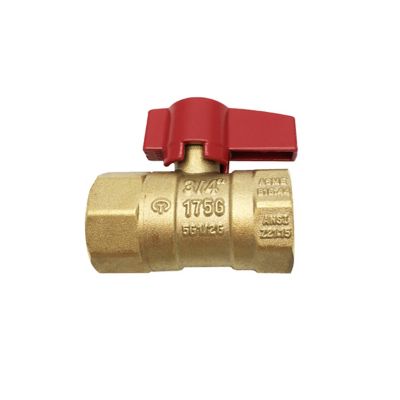
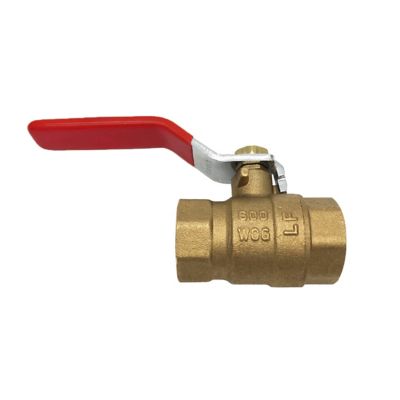
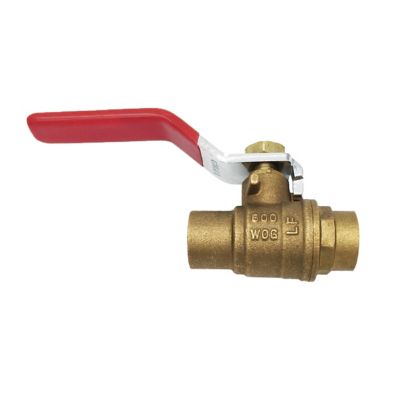
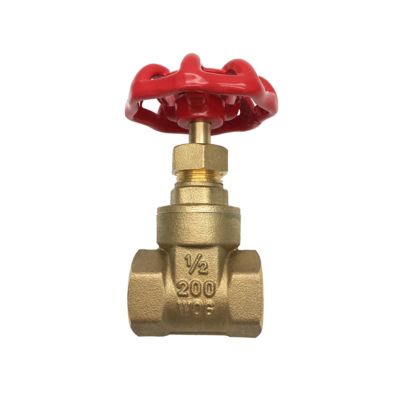
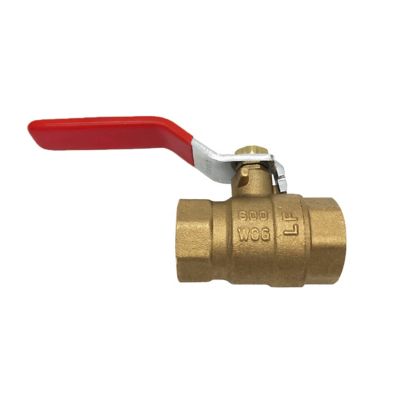
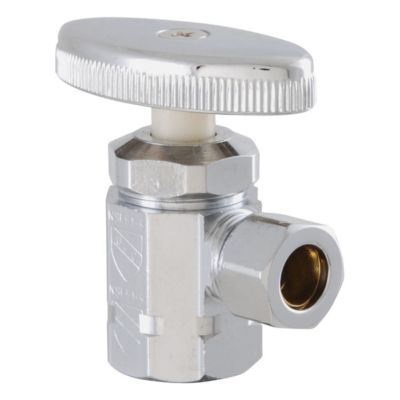
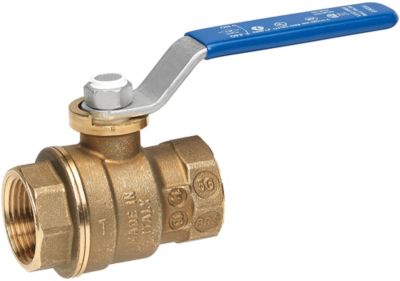
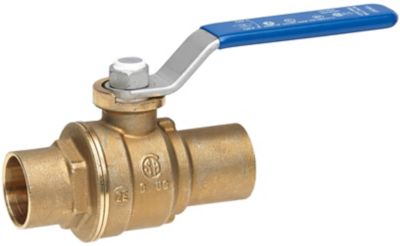
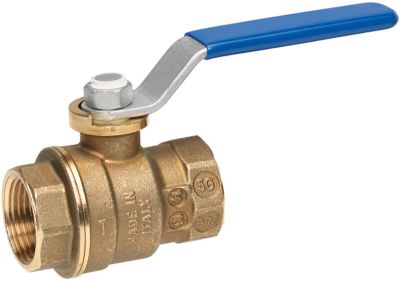
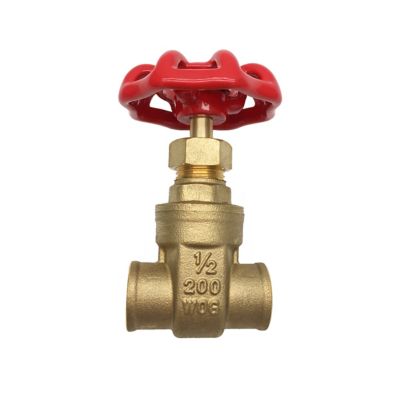
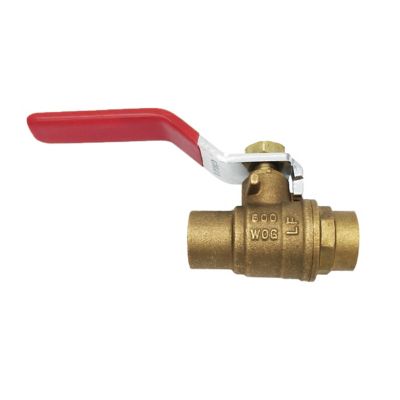
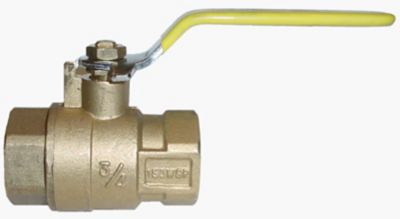
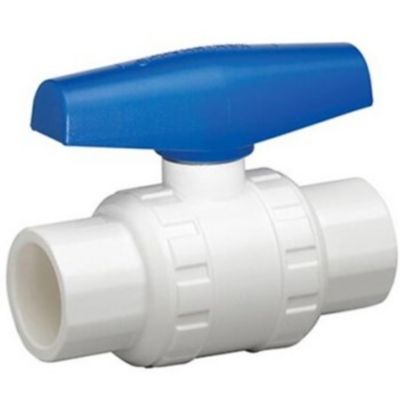
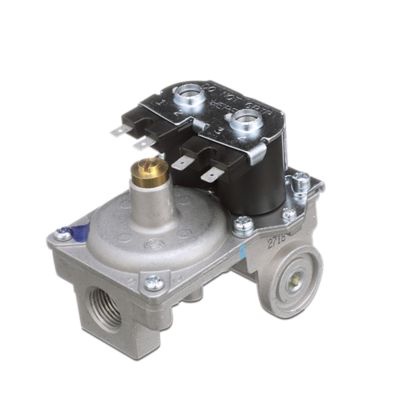
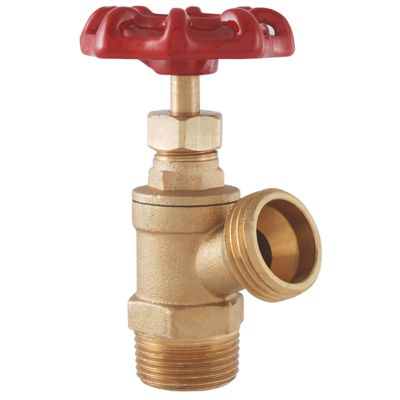
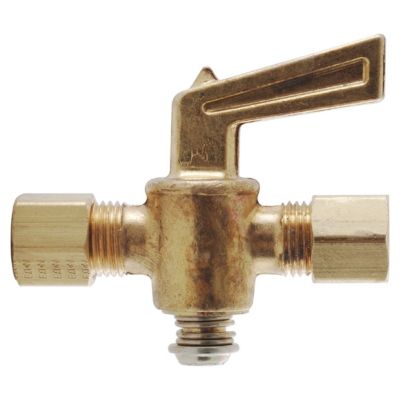
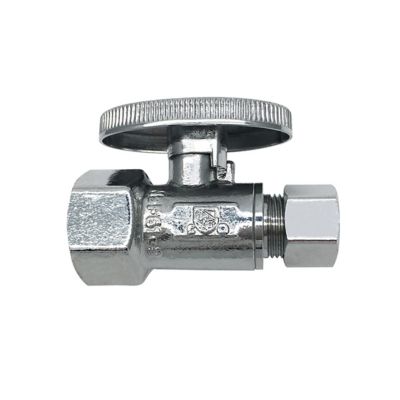
Natural gas shut-off valves are practical parts for controlling the flow of gas to a home, shop, barn, rental property or other building with gas-fired equipment. A manual shut-off valve can stop gas from reaching a single appliance for service, replacement or an emergency, while a larger service valve controls gas entering the property at the meter. Appliance valves are commonly installed on the supply line close to equipment such as ranges, water heaters, furnaces, clothes dryers, fireplaces and outdoor cooking appliances. Many use a simple quarter-turn handle: when the handle runs in line with the pipe, the valve is generally open; when it sits crosswise to the pipe, it is generally closed. Always confirm the markings on the valve and follow local requirements, since designs can vary. A valve selected for a natural gas line should be rated for natural gas service and matched to the pipe size, connection style, pressure rating and installation location. Common connection options may include threaded, flare or other approved fittings, but the right choice depends on the existing gas piping and the equipment being served. Take a close look at the old valve, measure carefully and check the appliance or piping specifications before ordering. A shut-off valve that fits the line but is not approved for the fuel, pressure or application is not a suitable substitute. For water heater projects, shoppers can also browse
Gas Valves For Water Heaters to compare options intended for that particular appliance category.
These valves are useful for homeowners, landlords, maintenance crews, farm operators, remodelers and anyone responsible for keeping a property’s gas equipment in good working order. A homeowner may want an appliance-level valve in place before replacing an older range or water heater, while a landlord or property manager may keep approved replacement parts on hand for routine maintenance. On a rural property, a dependable shut-off valve can be part of the same practical preparedness mindset as spare hose fittings, pipe repair supplies and a well-stocked tool box. During the cooler months, gas furnaces and fireplaces may run for long stretches, making it especially important that accessible shut-off points are clearly identified and in sound condition. As the weather warms, outdoor kitchens, patio heaters and other seasonal equipment may be connected, disconnected or serviced, and a properly selected valve helps make that work more manageable. Automatic safety devices, including seismic shut-off valves in areas where they are required or recommended, are another consideration for some properties. These devices are designed to stop gas flow when significant ground movement is detected, but they do not replace regular inspections or appliance-level shut-offs. Look for durable construction, clear flow-direction markings, an easy-to-operate handle and compatibility with the surrounding pipe and fittings. Valves used in exposed areas may also need protection from weather, dirt, livestock, equipment traffic or accidental impact. For a gift, a shut-off valve is usually best suited to a handy homeowner, licensed tradesperson, landlord or new property owner who already knows the size and type needed; it is not a part to choose by appearance alone. Pairing the valve with a trusted professional’s installation or inspection may be more useful than guessing at a fit.
Safety should guide every natural gas shut-off valve purchase and installation. If you smell rotten-egg-like gas, hear hissing near a gas line or suspect a leak, leave the building and move away from the area without operating electrical switches, open flames or equipment that could create a spark. Call the gas utility or emergency services from a safe location and follow their instructions. Do not attempt to locate a leak with a flame, and do not rely on a new valve as a fix for damaged piping, loose connections or an appliance problem. A qualified gas professional should handle installation, testing, code questions and any work that involves opening or modifying a gas line. If the main service valve at the meter is closed during an emergency, do not turn it back on yourself. The utility provider or another authorized professional needs to inspect the system, confirm that it is safe and relight appliances as required. For an individual appliance, the local shut-off valve may be used only as directed by the equipment manual or a qualified technician. Before buying, confirm whether the valve is intended for indoor or outdoor use, whether the size matches the line, whether the connection requires compatible fittings and whether local building or utility rules call for a particular approved design. Keep the valve accessible rather than buried behind stored goods, hay, tools or furniture, and make sure everyone responsible for the property knows where it is and whom to call in an emergency. The right natural gas shut-off valve is a small but important part of a safe, well-maintained gas system, helping make routine service more orderly while providing a dependable way to stop gas flow when directed by a qualified professional.