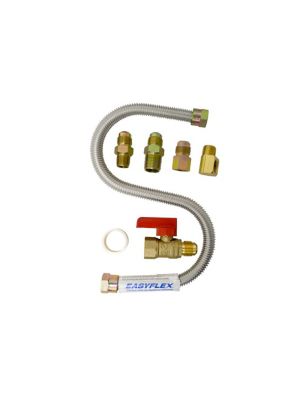
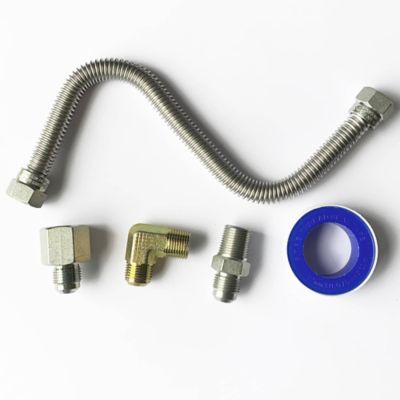
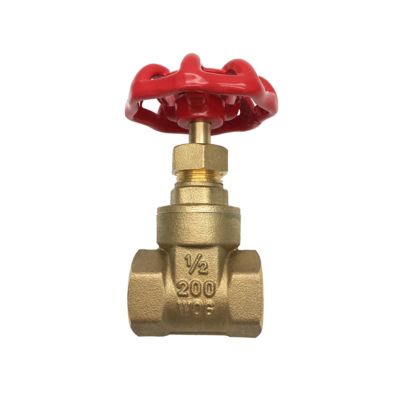
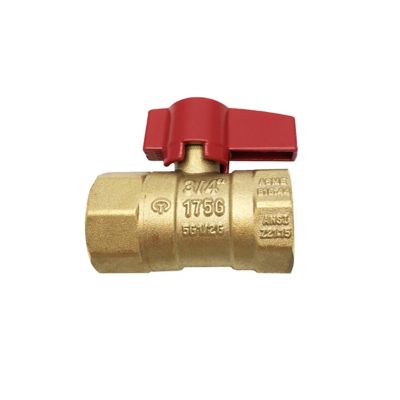
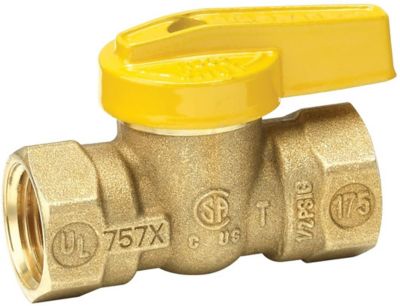
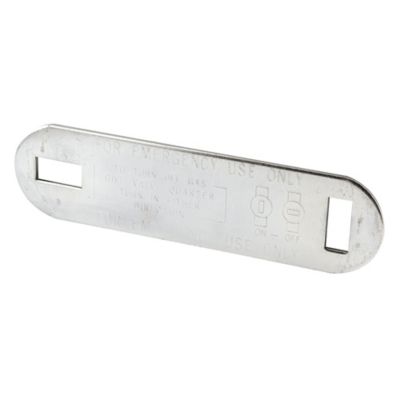
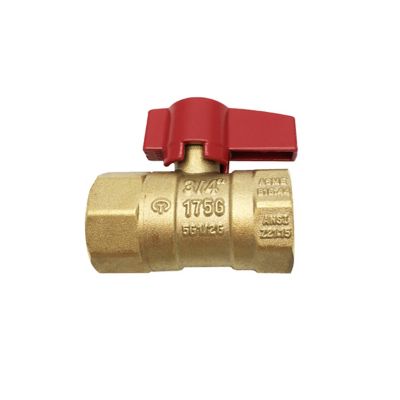
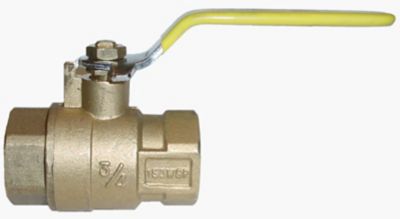
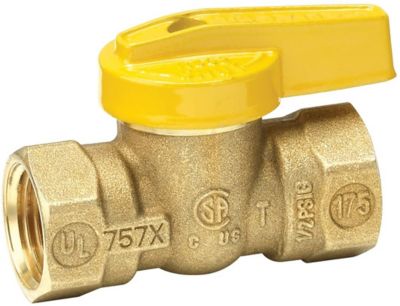
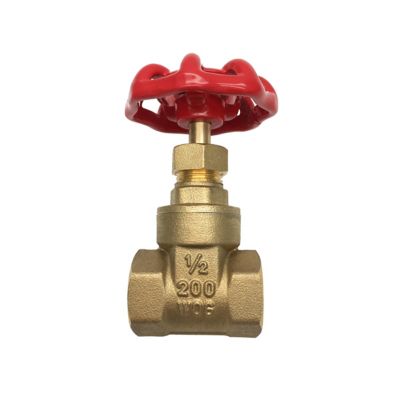
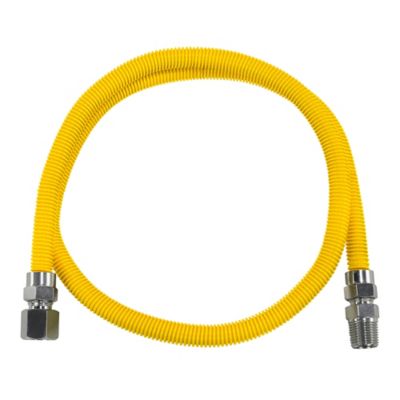
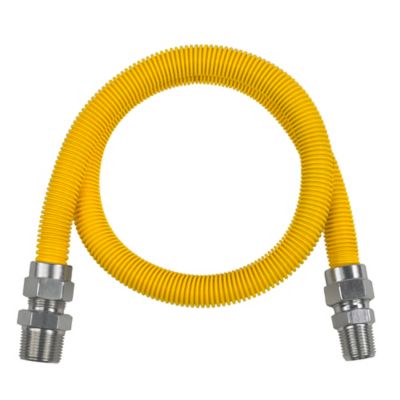
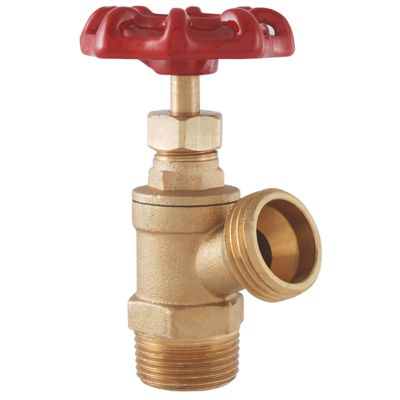
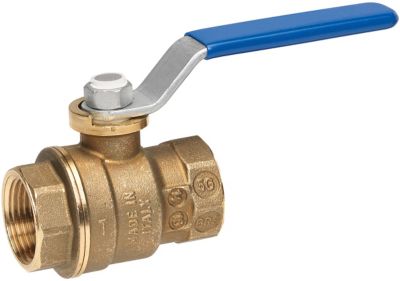
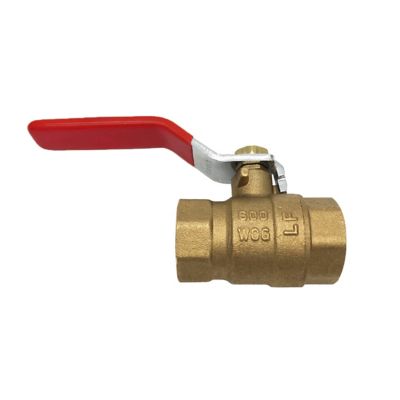
Gas valves for stoves help control the flow of fuel to a gas range, cooktop, or other gas-burning cooking appliance. The valve most people mean when they talk about a stove gas shut-off is the manual valve installed on the gas pipe behind the appliance, near where the line comes through the wall or floor. It gives you a quick way to stop the gas supply during maintenance, an appliance move, or an emergency without having to disconnect the entire line. In the open position, the handle or lever generally runs in the same direction as the pipe, allowing gas to flow. In the closed position, the handle is usually turned across the pipe, blocking the supply. Valve designs can vary, so always follow the markings on the valve and the instructions for the appliance and gas system. An accessible shut-off valve is an important part of a safe installation, and local building codes commonly call for it to be located where it can be reached without pulling out a heavy stove. Before shopping, take a close look at the type of fuel in use, the pipe size, connection style, space available behind the appliance, and the valve’s pressure and temperature ratings. Natural gas and propane systems are not interchangeable simply because a fitting appears to match, and a valve that fits the pipe may still be wrong for the fuel or application. If you are looking for the valve that turns off the household gas supply to a stove, browse
Natural Gas Shut Off Valves for related options and information. Measuring carefully and checking the existing valve, pipe, and appliance documentation before buying can save a trip back to the store and help prevent a mismatched connection.
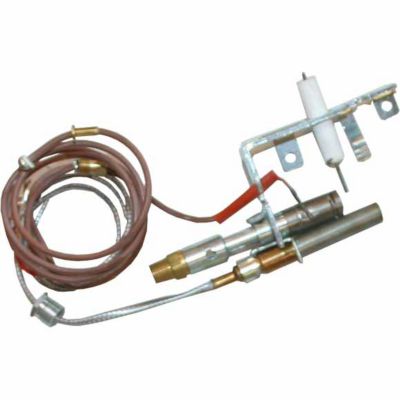
It is also important to separate an outside, appliance-line shut-off valve from the smaller valves inside the stove. The accessible valve behind the range controls gas going to the appliance as a whole. Internal burner control valves, safety valves, and oven valves regulate gas to individual burners or the oven and are part of the appliance’s working components. These internal parts must match the exact stove design, connection arrangement, and fuel setup; a similar-looking valve is not a dependable substitute. Replacing an internal valve often means removing panels, working close to burner assemblies, and checking for proper operation afterward, so this job is best handled by a qualified appliance technician or licensed gas professional. The same advice applies to replacing a wall shut-off valve, changing fittings, extending a gas line, or correcting an older installation. Gas piping work can involve serious fire, explosion, carbon monoxide, and property-damage risks when it is done incorrectly. Never force a stuck valve, use a valve that is damaged or corroded, or try to make a connection work with extra parts that are not approved for the system. If you smell gas, hear hissing, see damage, or suspect a leak, leave the area, avoid flames, light switches, vehicles, and anything else that could create a spark, and contact the gas utility or emergency services from a safe location. Do not use a stove valve as a substitute for regular appliance maintenance, and do not rely on memory when identifying the open and closed positions. A small tag, clear access, and a quick check of the handle can make a real difference when the kitchen is dark, smoky, or crowded.
For farmhouses, rental homes, workshops with cooking areas, hunting cabins, and busy family kitchens, a properly selected gas valve provides a simple point of control when an appliance needs attention. It can be useful before sliding a range out for cleaning, while replacing a connector under professional direction, or when a home will sit empty during travel or the cooler months. Families with older adults, young helpers, or guests may also appreciate an easy-to-find shut-off location and clear instructions, though only an adult who understands the system should operate or inspect it. A gas valve is not usually a decorative gift, but it can be a practical housewarming or home-maintenance gift for someone updating an older kitchen, caring for a rental property, or building out a cabin. The best choice depends on the actual installation rather than the occasion. Look for durable construction, corrosion resistance suitable for the location, clear handle movement, compatible inlet and outlet connections, and approvals required by local regulations. Keep the valve reachable and free of stored pans, boxes, cleaning supplies, or tools, and avoid burying it behind a permanent cabinet or appliance. After installation or service, a qualified professional should inspect the work and test the system according to applicable requirements. Routine visual checks can spot rust, bent handles, or signs of wear, but testing for leaks and changing gas piping should be left to someone with the right training and equipment. With the right valve in the right place, a stove gas line is easier to control, easier to service, and better prepared for the everyday work of feeding a household when the weather turns cooler.