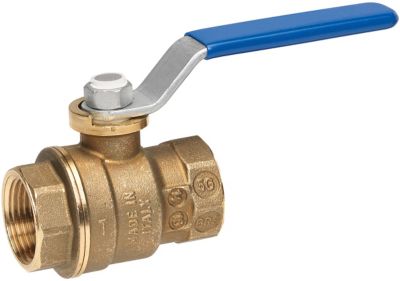
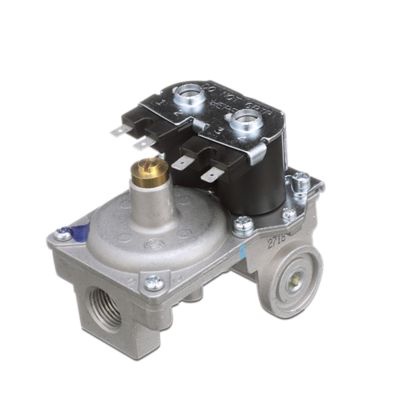
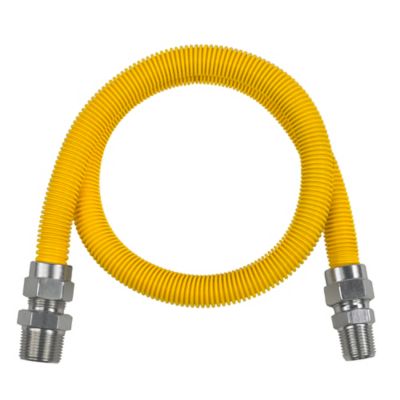
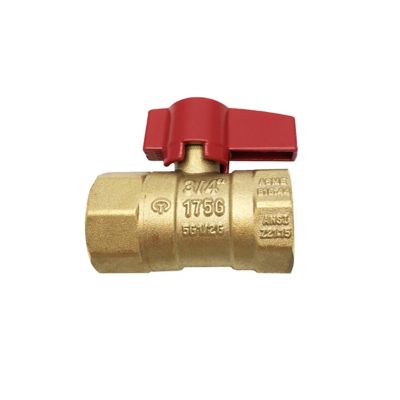
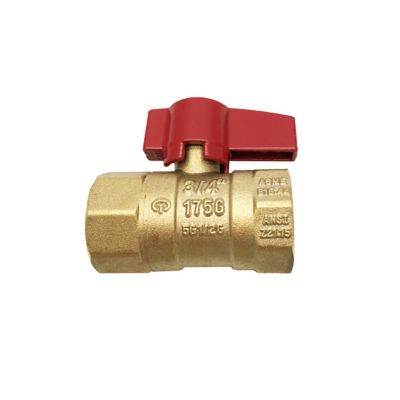
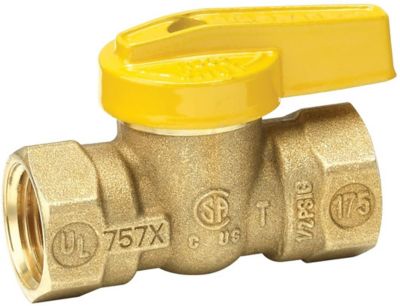
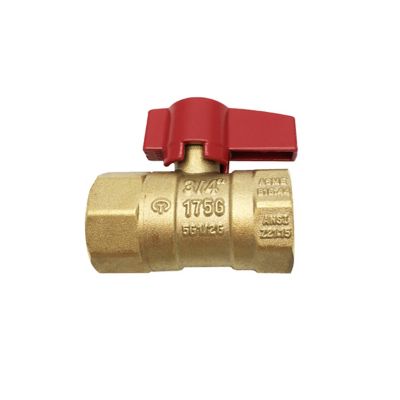
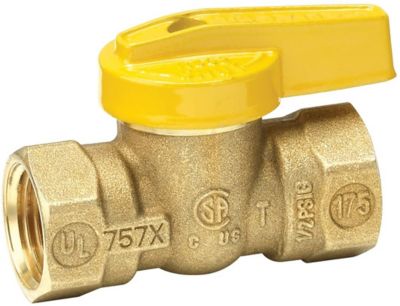
Furnace gas valves help control the flow of natural gas or liquid propane into a furnace’s burner assembly, making them a key part of a home heating system. When the thermostat calls for heat, the furnace control board sends a low-voltage signal—often 24 volts—to the valve. Internal electromagnetic solenoids respond by opening the valve, allowing fuel to move toward the burners. An igniter or pilot light then starts combustion, while the valve and connected controls work together to keep the process within the furnace’s intended operating range. Many valves also include a pressure regulator that reduces incoming fuel pressure to the manifold pressure specified for the furnace. If the flame sensor no longer detects a flame, power to the valve is removed and a spring closes the fuel passage. That automatic shutoff is an important safety function, especially during the cooler months when a furnace may run for long stretches through the night. A replacement valve may be needed when a furnace is not lighting, will not stay lit, shows signs of a faulty control sequence, or has a valve that no longer opens or closes as it should. Symptoms can overlap with problems involving the thermostat, igniter, flame sensor, wiring, control board, or gas supply, so testing the entire system is important before replacing a part.
Choosing the right furnace gas valve starts with the furnace’s data plate and service information. Have the complete furnace brand, model number, serial information, and the part number from the existing valve available when comparing options. Fuel type matters: valves set up for natural gas and valves set up for LP, also called propane, are calibrated differently and should not be swapped unless the furnace manufacturer provides an approved conversion procedure and the proper conversion components. The furnace’s input rating, outlet pressure, inlet and outlet pipe size, electrical connection, mounting pattern, and valve orientation also need to match. System design is another important detail. A single-stage furnace generally uses one call for heat, while a two-stage system can operate at separate heating levels for more gradual temperature control. Some furnaces use direct ignition, while others use a pilot arrangement, and the valve must suit that ignition setup. Fast-opening and slow-opening operation, pressure adjustment range, capacity, and connection style can also vary. A valve that appears close in size may still be wrong for the furnace, and forcing fittings or altering wiring can create a serious hazard. Keep the furnace manual, wiring diagram, and old valve information together in a safe place; a quick photo of the installed wiring can help a licensed HVAC technician compare the original layout, but it should not replace the manufacturer’s instructions. For related heating and plumbing parts, shoppers may also browse
Gas Valves For Water Heaters.
Gas appliances call for careful handling from start to finish. Furnace gas valve replacement should be completed by a licensed HVAC technician or another properly qualified professional who can shut off the fuel and electrical supply, verify the installation, check for leaks, set manifold pressure with the right test equipment, and confirm safe burner operation. A technician will also inspect the flame sensor, igniter or pilot, venting, combustion air, wiring, and limit controls because a valve may only be one part of a larger fault. Never rely on smell alone to check for a leak, never attempt to bypass a safety control, and never install a natural gas valve on an LP furnace—or an LP valve on a natural gas furnace—without the exact approved conversion process. If you smell gas, hear hissing near the appliance, see damaged fittings, or suspect a leak, leave the area, avoid switches and open flames, and contact the gas utility or emergency service from a safe location. Before the heating season settles in, a furnace inspection can help catch worn wiring, blocked vents, weak ignition, and pressure concerns before a cold night leaves the house quiet and chilly. The right replacement valve, matched to the furnace’s fuel, stage, ignition method, and specifications, helps the technician restore the intended heating sequence while keeping safety controls in place. These parts are generally selected for repair work rather than gift giving, making the furnace model details and professional installation plan the most useful information to have on hand.