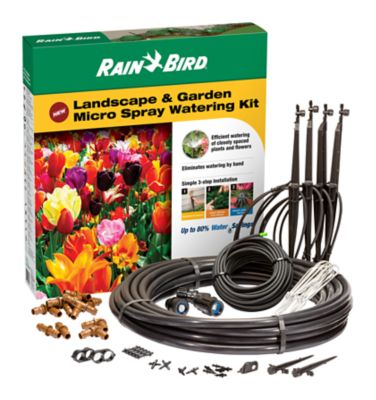
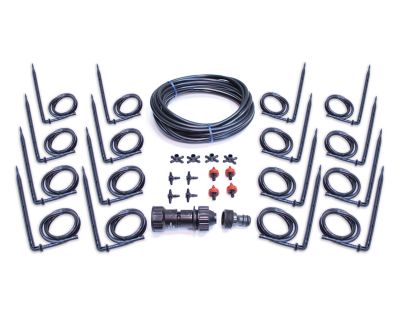
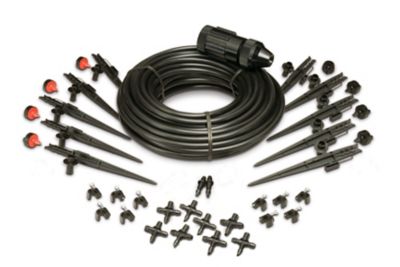
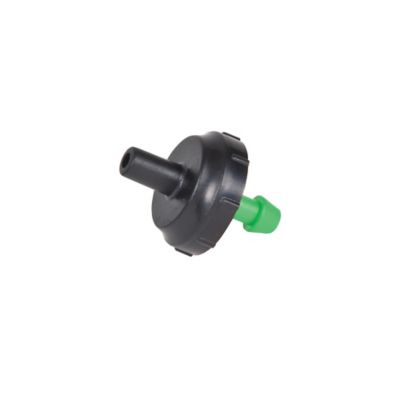
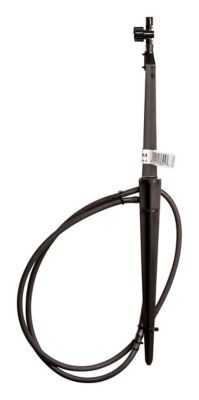
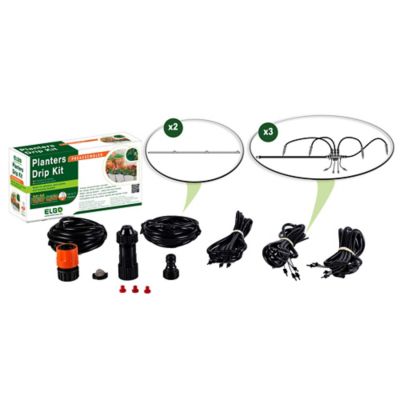
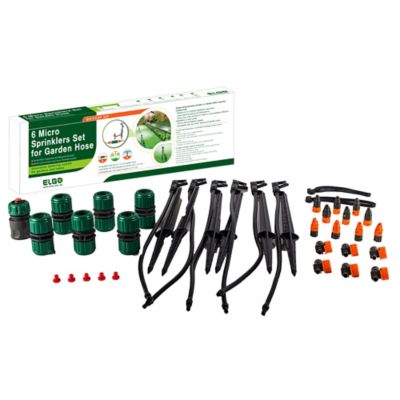
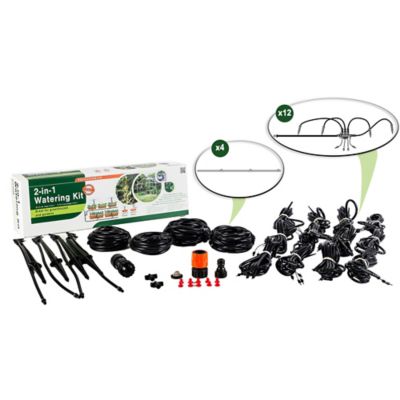
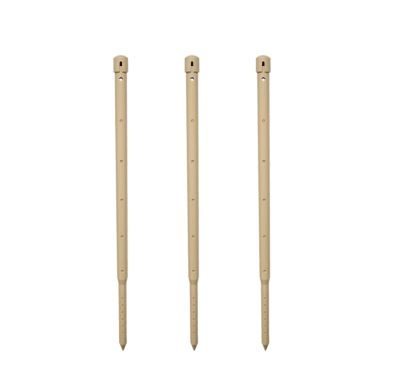
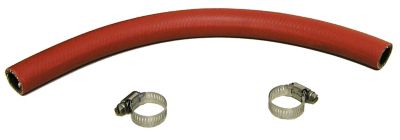
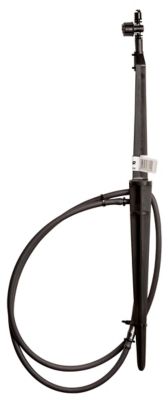
A garden irrigation kit brings tubing, water outlets, and connecting parts together to deliver water where plants need it, without making every watering job a trip around the yard with a hose. Depending on the setup, a kit may include drip tubing, individual emitters, small sprayers, stakes, fittings, and a connection for an outdoor spigot. Some also include a timer, filter, or pressure regulator, while others need those parts added separately. Drip irrigation places water near the root zone, which can reduce water lost to overspray and limit unnecessary watering between plants. That makes it a good fit for vegetable rows, raised beds, shrub borders, and containers, though each space calls for a different layout. A row of peppers with even spacing has different watering needs than a porch lined with pots of several sizes. Individual emitters give separate plants their own watering points, while tubing with built-in outlets works well along evenly planted rows. Small spray outlets can cover closely spaced plants, provided the spray pattern stays within the planting area. Soaker-style setups release water along their length and suit beds where a continuous watering line makes sense. The best match depends on the planting pattern, soil, water source, and amount of ground to cover—not simply the number of pieces in the package. A garden irrigation kit with a compatible timer can run on a schedule, while a manual setup keeps control at the spigot. Either way, targeted watering still needs to match the plants. Sandy soil drains differently from clay, and a deep-rooted shrub needs a different watering pattern than a shallow container. For a backyard grower tending tomatoes beside the shed or a gardener keeping several raised beds going, a well-matched system can make watering a smaller part of the chore list. It also keeps water delivery focused on the planted space instead of the walkway, fence line, or bare ground nearby.
Fit matters as much as coverage when comparing garden irrigation kits. The connection at the water source, main tubing diameter, branch tubing size, and fitting style all need to work together. Many hose-connected setups attach to a standard garden-hose outlet, but matching the stated thread and connection size helps prevent leaks and awkward adapters. Tubing measurements deserve a close look, too, since parts with similar descriptions do not always share the same inside or outside diameter. Coverage depends on more than total tubing length: distance from the spigot, changes in elevation, available flow, and the number of outlets all affect how a layout performs. A long run serving several beds may need separate watering zones rather than one heavily loaded line. Pressure requirements vary, and a regulator can bring the incoming supply into the operating range specified for the kit. A filter helps keep sediment from reaching narrow emitter passages, while appropriate backflow protection helps prevent irrigation water from returning toward the supply. For shoppers comparing ways to connect a watering setup at the spigot,
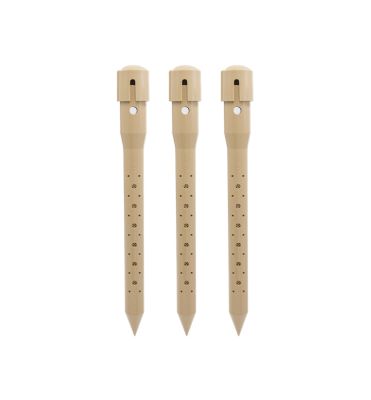
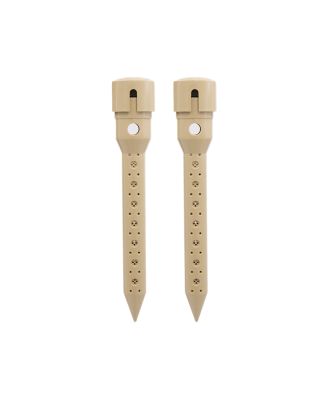
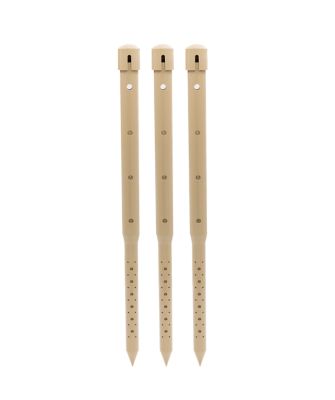
Garden Hose Irrigation Systems offers a related category to consider. Materials also play a part in everyday handling and service life. Flexible polyethylene tubing is common in drip layouts, and fittings may be plastic or metal, depending on the connection. UV resistance matters for exposed tubing, while fittings that seat firmly help keep connections secure around busy garden paths. Stakes hold watering lines close to their intended spots, reducing movement when someone reaches in to pick beans or pull weeds. Clear tubing-size labels, accessible shutoffs, and fittings that allow changes can make a system easier to manage as the planting layout changes. A bed that holds lettuce in close rows may later need wider spacing for larger plants, so room for expansion can matter more than a large assortment of parts that do not suit the garden.
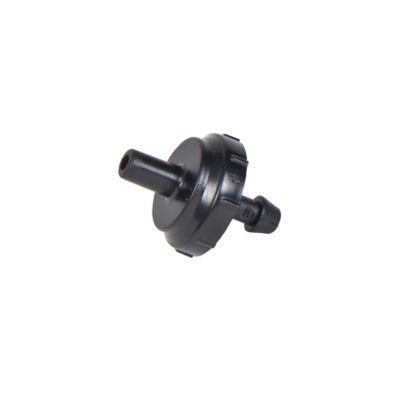
Everyday care helps a garden irrigation kit keep delivering water evenly. Small outlets can collect grit or mineral deposits, so an accessible filter and tubing ends that open for flushing are useful features. Removable or serviceable emitters can simplify maintenance where the water supply carries sediment. Connections also need occasional attention, especially after a line gets nudged by a wheelbarrow, pulled during weeding, or moved to reach a planting hole. A damp spot beside a fitting and a dry patch farther down the row can point to a leak, kink, or blocked outlet rather than a need for a longer watering cycle. Watering performance is worth checking at the soil level: a wet surface does not always mean moisture has reached the full root zone. Emitters are often rated by flow, commonly in gallons per hour, while small sprayers may also specify a coverage pattern or distance. Those details help match the outlet to the job without assuming every plant needs the same amount of water. Pressure-compensating emitters can help steady delivery across a layout within their stated operating range, but the system still needs adequate supply and sensible line lengths. Timers add convenience for gardeners with livestock chores, long workdays, or several planting areas to tend. Features such as separate programs, manual watering controls, and a readable display can make routine adjustments less of a fuss; battery access and any power requirements matter as well. Scheduling does not replace checking soil moisture, particularly when containers and in-ground beds share the same water source. When tubing is taken down, draining it, cleaning the filter, and storing small fittings together makes the next setup easier. Irrigation supplies can also make a practical gift for someone who spends plenty of time in the garden, provided the connection sizes and planting layout are known. Whether the job is a few kitchen-herb pots or several rows behind the house, a suitable garden irrigation kit puts manageable watering within reach without adding needless complication to the day.