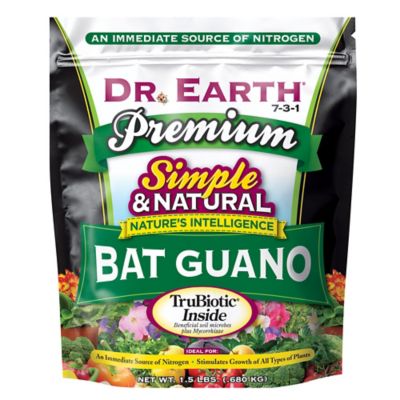
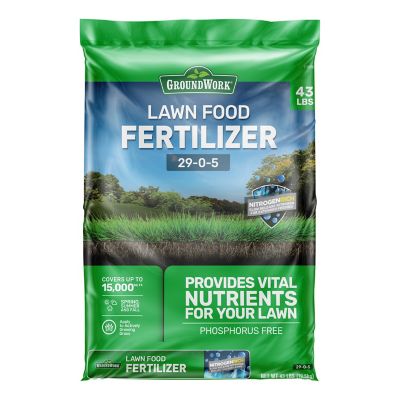
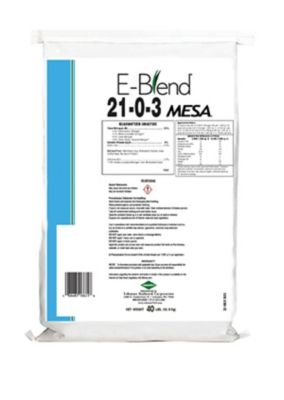
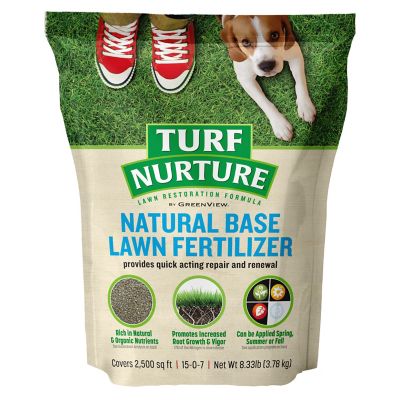
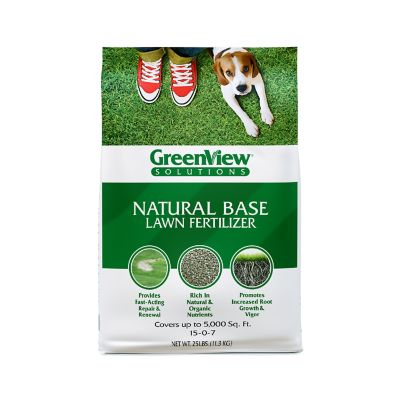
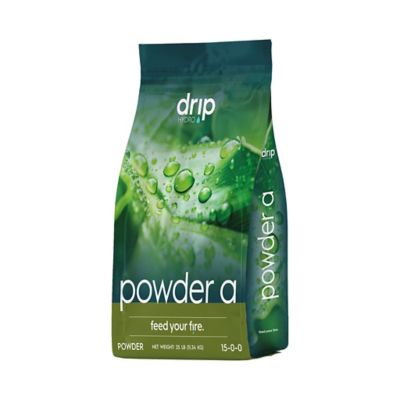
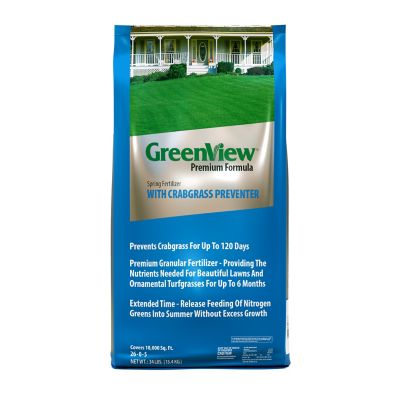
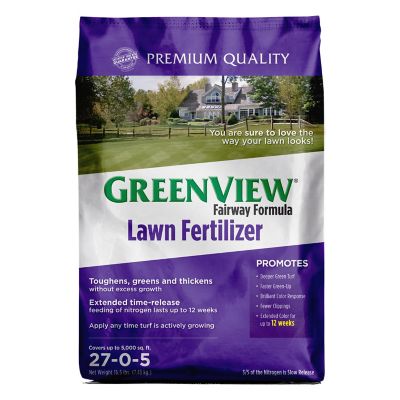
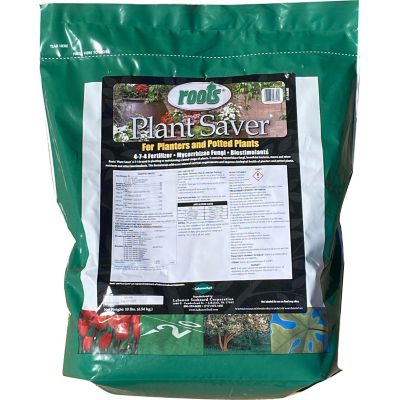
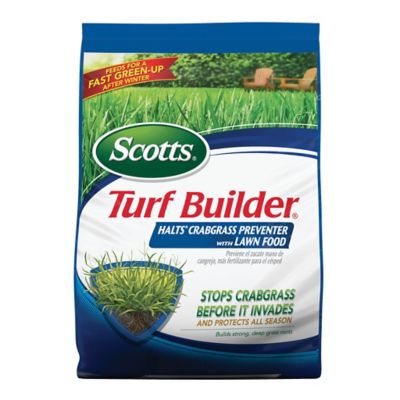
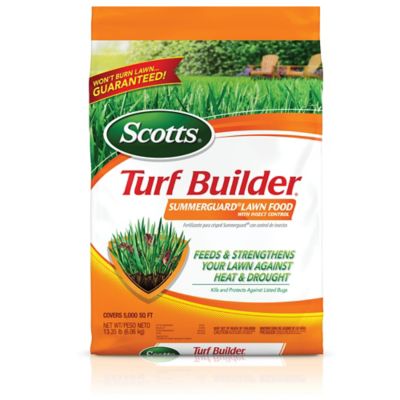
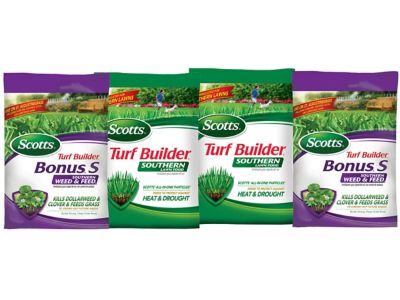
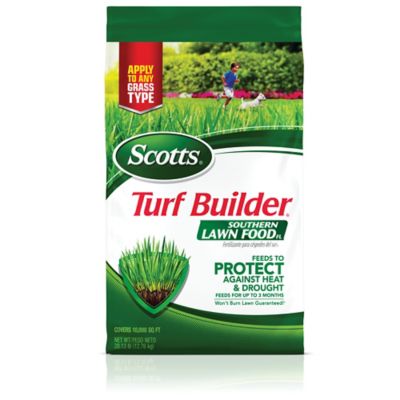
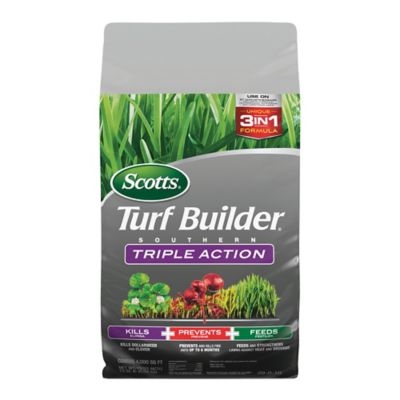
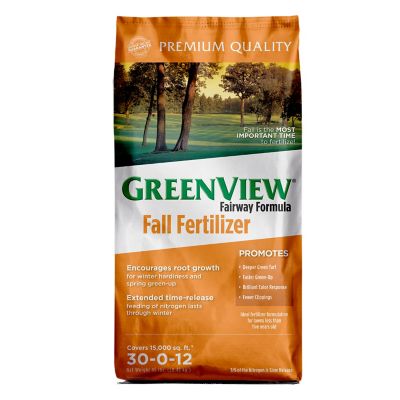
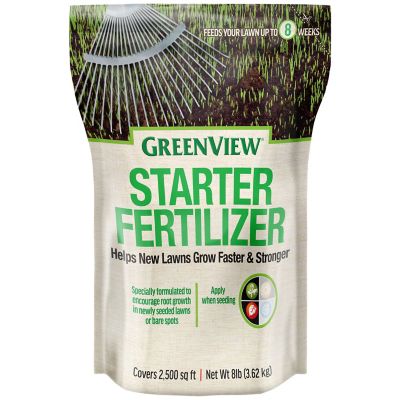
Nitrogen-rich fertilizer is plant food with a relatively high proportion of nitrogen, a nutrient that supports green leaves, stems, and active growth. It’s a practical choice for lawns, leafy vegetables, corn, and other plantings when soil conditions and crop needs call for additional nitrogen. From a patch of grass beside the porch to long garden rows beyond the shed, the right fertilizer matches the planting, the ground, and the way the property is maintained. Nitrogen helps plants make chlorophyll, the pigment involved in capturing sunlight for photosynthesis, and contributes to proteins needed for growth. On a fertilizer label, nitrogen is the first number in the three-number N-P-K analysis, followed by phosphate and potash. That first number represents the percentage of nitrogen by weight, so a larger number means more nitrogen in each pound of material—not necessarily a better fit for every yard or garden. Some formulas supply nitrogen alone, while others include phosphorus, potassium, or additional nutrients. A soil test helps identify whether those other nutrients belong in the feeding plan, while local crop and turf recommendations help establish nitrogen needs. Pale leaves and thin grass can signal a shortage, but they can also point to poor drainage, unsuitable soil pH, disease, or other growing troubles. Fertilizer won’t solve every cause of a yellow lawn. For gardeners raising leafy greens, nitrogen supports the foliage headed for the kitchen; for lawn caretakers, it supports turf growth when moisture, temperature, and other conditions are favorable. Fruiting and flowering plants need a different balance, since too much nitrogen can encourage leaves at the expense of blossoms or harvest. Comparing nitrogen-rich fertilizers starts with the intended use on the label, whether that’s established turf, vegetable beds, or another listed planting. A formula suited to grass around the house isn’t automatically the right choice for a food garden, pasture, or newly seeded area.
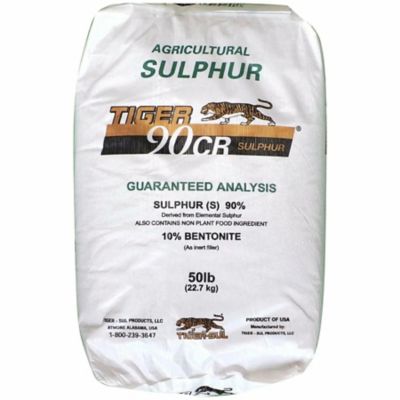
The source of nitrogen and the form of the fertilizer affect how it fits into everyday property care. Granular nitrogen fertilizer works well with suitable spreaders for open lawn areas and can also suit garden applications when the label permits. Granule size, flow, and spreader settings all influence coverage, especially on a broad stretch of grass where uneven passes can leave alternating dark and light strips. Liquid concentrates and water-soluble forms require measuring and mixing as directed, with application equipment suited to the job. They may fit smaller planting areas or feeding programs that call for nutrients in solution, but concentration and coverage still matter. Urea, ammonium sulfate, and other mineral nitrogen sources differ in nitrogen content and their effects on soil chemistry. Ammonium sulfate also supplies sulfur and can contribute to soil acidification over time, making soil pH an important part of the selection. Shoppers comparing mineral-based plant foods can explore
Chemical Fertilizers alongside the nutrient analysis and application information for their intended planting. Quick-release nitrogen can become available promptly under suitable conditions, while slow-release or controlled-release formulas spread nutrient delivery over a longer period. Coatings, nitrogen compounds, soil moisture, and temperature influence that release; the package provides the details for each formulation. Organic-source materials, including blood meal and feather meal, supply nitrogen through processes that depend largely on soil organisms. Their feeding pace varies with the material and growing conditions, and activity often slows in cold soil. Neither a natural source nor a slow-release label removes the need for careful rates. For someone tending a kitchen garden after chores, ease of measuring may matter most. For a larger lawn, spreader compatibility and the area covered at the labeled rate can make the work more manageable. Package weight alone doesn’t tell the whole story: nitrogen concentration determines how much nutrient that package supplies, and the label’s coverage information helps connect the amount of material to the size of the job.
A good match also accounts for watering, seasonal growth, storage, and the land beyond the planting area. A lawn with irrigation has different practical considerations from a patch that depends on rainfall, and sandy ground generally holds nutrients differently than heavier soil. Some granular fertilizers require watering after application, while other formulations have different directions for moisture and timing. With surface-applied urea, timely incorporation or sufficient irrigation, as directed, can help limit nitrogen loss to the air. Too little moisture may leave nutrients unavailable, while heavy rain can carry nutrients away before plants benefit. Label directions should determine watering practices rather than a blanket rule for every nitrogen source. Application rates likewise depend on the formula, plant type, growth stage, and local recommendations; there’s no single rate that fits every lawn and crop. Measuring the area and accounting for nitrogen from earlier feedings helps prevent overapplication. Excess fertilizer can injure roots or foliage, push unwanted growth, and increase nutrient losses to nearby water. Around a farm pond, roadside ditch, or creek, keeping fertilizer within the intended planting area matters as much as even coverage. Granules that land on a driveway or walkway should be swept back onto the labeled treatment area rather than washed toward a drain. During the cooler months, plant activity becomes especially important: cool-season turf may still have feeding needs when warm-season grass is slowing down, while dormant or stressed plants may not benefit from additional nitrogen. Regional recommendations help distinguish those situations without relying on a calendar date alone. For storage, fertilizer belongs in its original labeled container, closed and protected from moisture according to package directions. A dry storage area helps prevent granules from caking and keeps labels readable for the next application. Liquid formulas may need protection from temperature extremes. Keep fertilizer separate from feed and seed and out of reach of children and animals, and follow any protective-equipment and reentry directions. For lawn caretakers, home gardeners, and acreage owners, nitrogen-rich fertilizer earns its place when its nutrient content, release pattern, and handling requirements fit the work at hand.