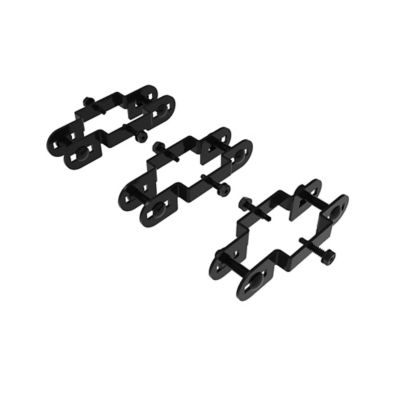
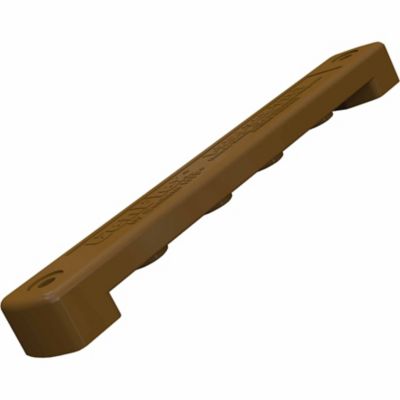
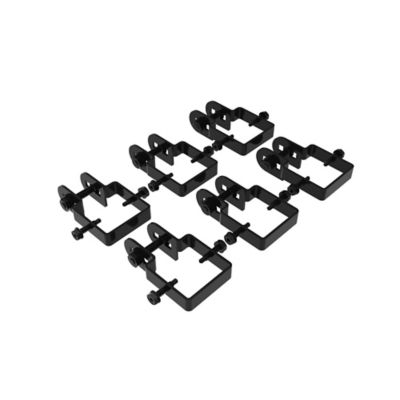
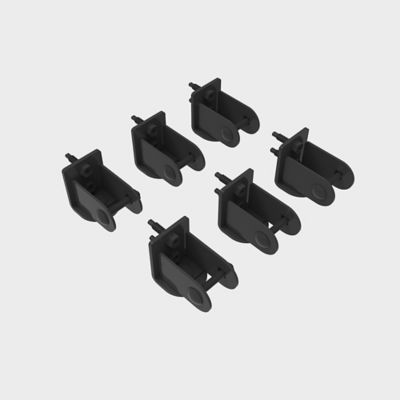
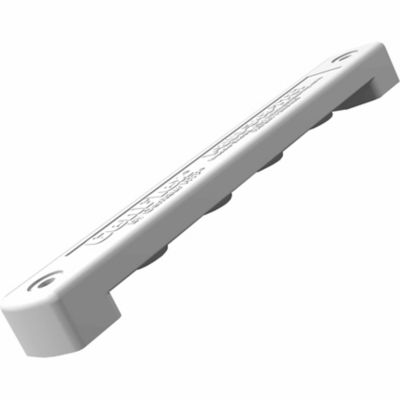
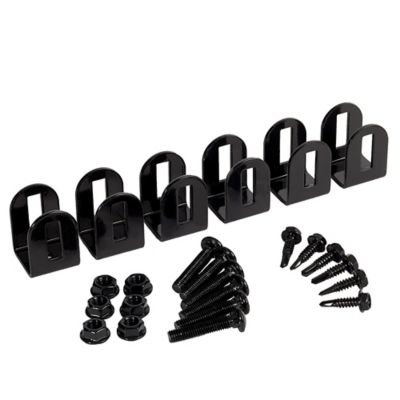
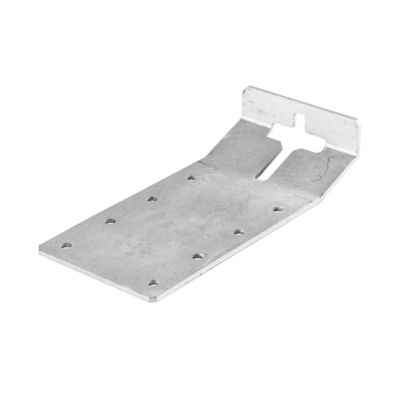
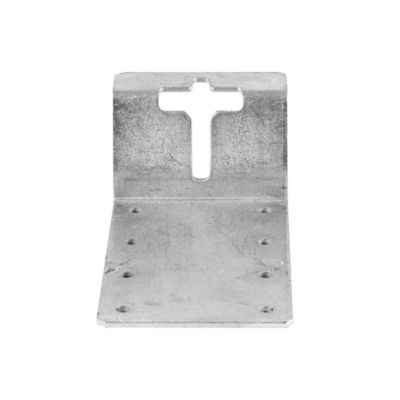
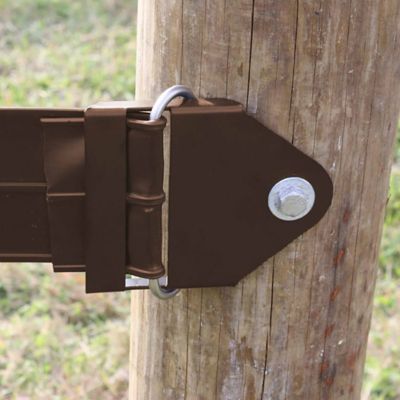
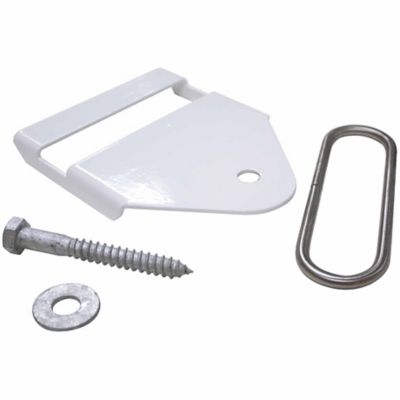
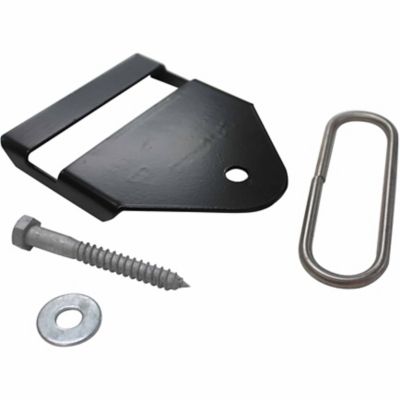
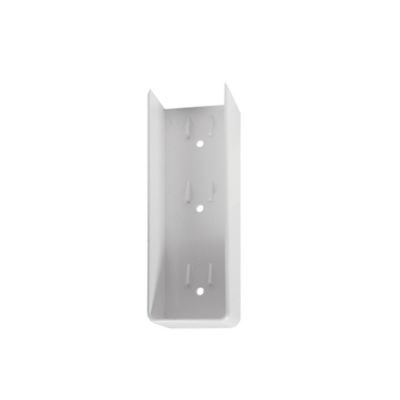
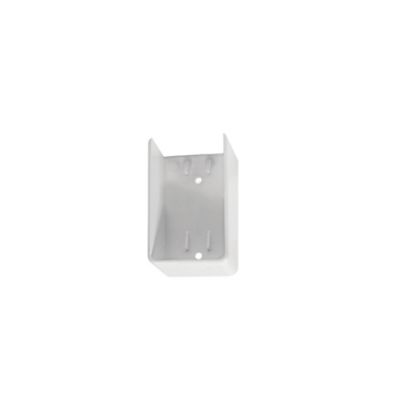
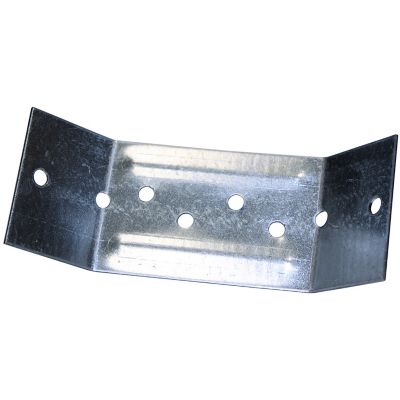
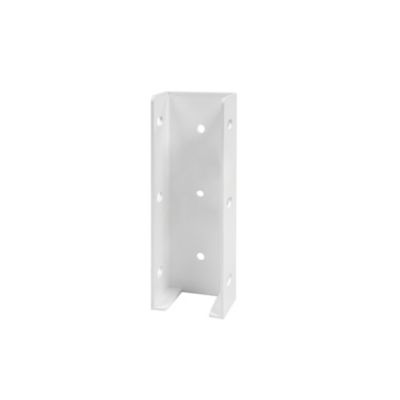
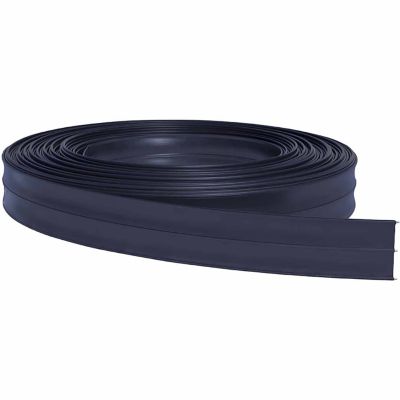
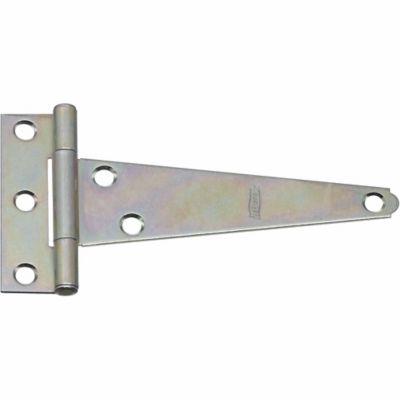
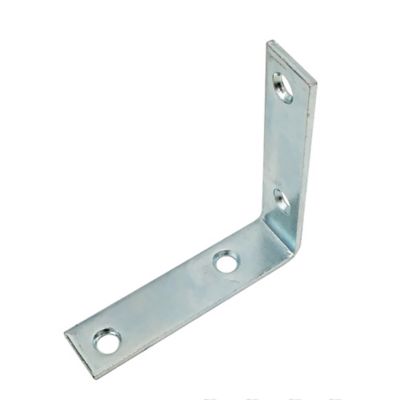
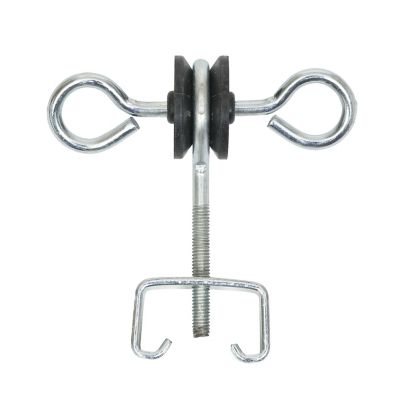
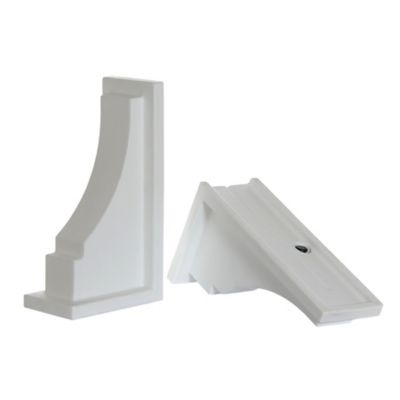
Fence brackets are small parts that play a big role in keeping a fence, gate, railing, or other outdoor structure sturdy and squared up. They can help connect rails to posts, support panels, reinforce corners, and give you a dependable way to attach fencing where a basic fastener may not be enough. Whether you are putting up a new run of pasture fencing, tightening up a garden enclosure, or replacing hardware on an older fence, the right bracket can make the job smoother and help the finished project hold up through wind, rain, mud, and daily use. Brackets are commonly used around farms, ranches, hobby properties, gardens, kennels, workshops, and homes with larger yards. They may be useful for securing livestock areas, building a chicken run, creating a boundary for pets, or adding support to a privacy fence near a driveway. Before choosing, take a close look at the fence materials and the way the pieces need to meet. The size and shape of the post, rail, or panel will affect which bracket fits properly, while the expected load and amount of movement will help determine how heavy-duty the hardware should be. A bracket for a light garden fence may not be suited for a gate that gets opened dozens of times a day, and hardware used on a pasture fence may need extra strength to handle pressure from animals or shifting ground. Pay attention to the mounting holes, the fasteners required, and whether the bracket is designed for a flat, corner, T-shaped, or angled connection. It is also worth checking the finish and material, especially for fencing exposed to sprinklers, wet grass, manure, coastal air, or frequent temperature swings. Galvanized and coated finishes can help resist rust, while durable metal construction offers reliable support for outdoor projects. Taking a few measurements before shopping can save a trip back to the hardware aisle and help prevent a wobbly connection that needs to be redone later.
The best fence bracket for your project depends on how the fence is built and what you expect it to handle. A homeowner repairing a leaning section may be looking for a straightforward replacement that matches existing rails and posts, while a landowner building a larger enclosure may need sturdy hardware for repeated use and greater tension. Gardeners often use brackets when creating a tidy border around vegetables, flowers, or young trees, and pet owners may rely on them when setting up a secure area for dogs or other animals. In a barnyard or workshop, brackets can also help organize a practical barrier or support a simple outdoor structure. As the weather warms, it is a good time to inspect fence lines for loose connections, cracked wood, rust, and frost-related movement left behind by the colder season. During the cooler months, a well-supported fence can be especially helpful when heavy rain, strong wind, or wet soil puts extra strain on posts and rails. Look along the full length of the fence rather than focusing only on the most obvious weak spot. A connection that looks fine from the road may be loose on the back side, and a gate that sags a little can put uneven pressure on nearby brackets every time it swings. For projects that use several types of hardware, matching brackets with
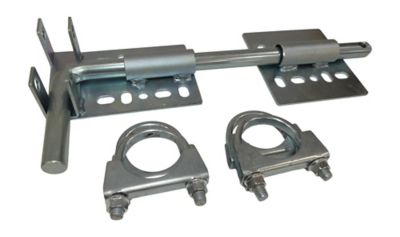
Fence Clamps can provide additional options for joining and reinforcing fence components. Keep the work area clear, use fasteners suited to the bracket and mounting surface, and snug connections firmly without stripping the material. It also helps to seal or protect cut wood ends and touch up damaged finishes when appropriate. With the right fit and a little careful measuring, fence brackets can help turn a rough fence line into a solid, useful part of the property—whether that means keeping livestock where they belong, giving pets room to roam, or making a backyard boundary look neat and dependable.