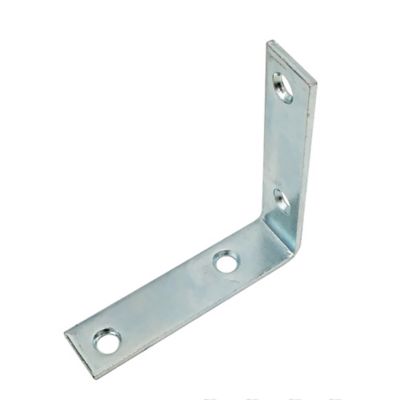
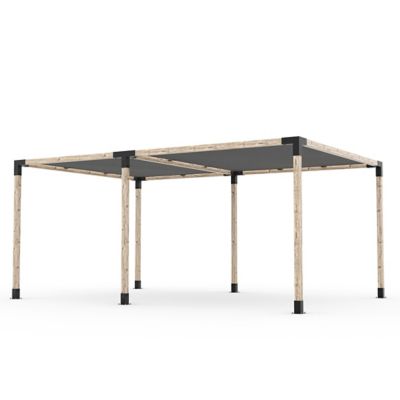
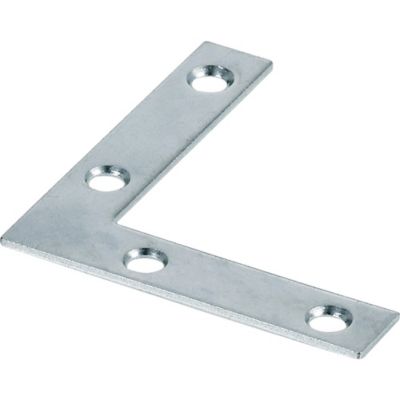
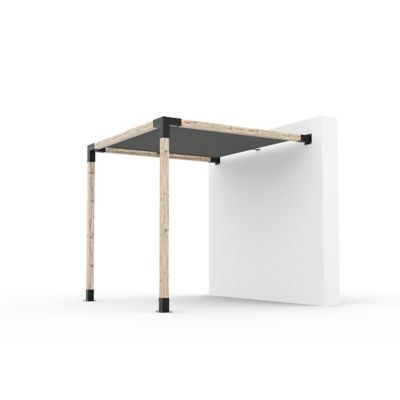
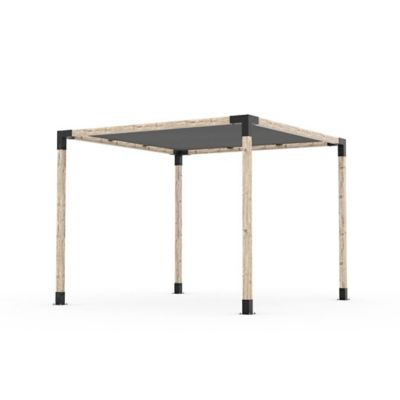
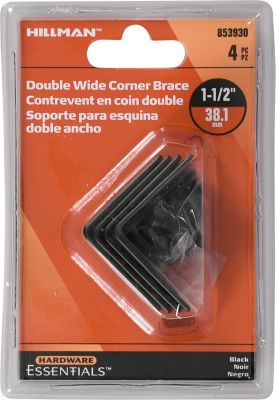
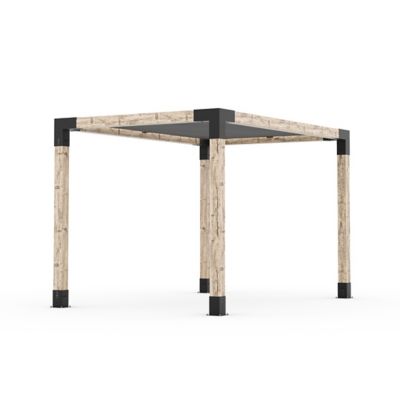
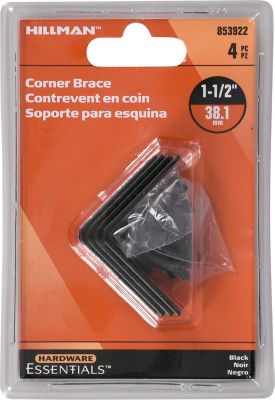
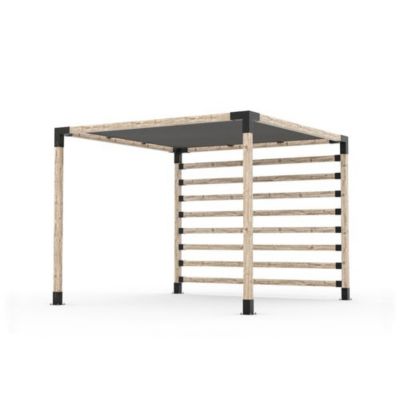
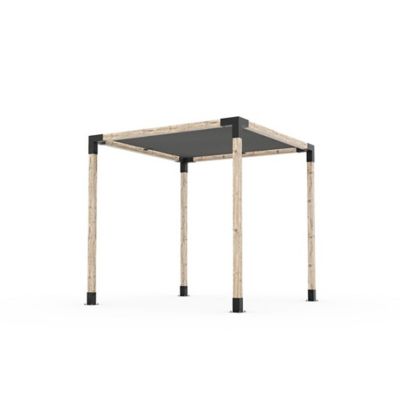
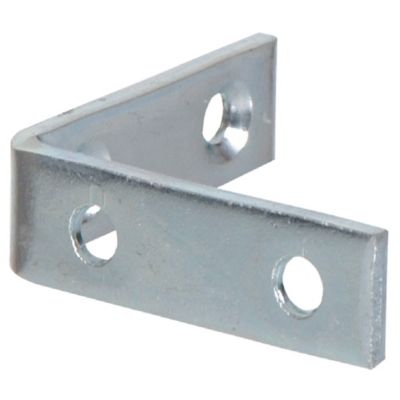
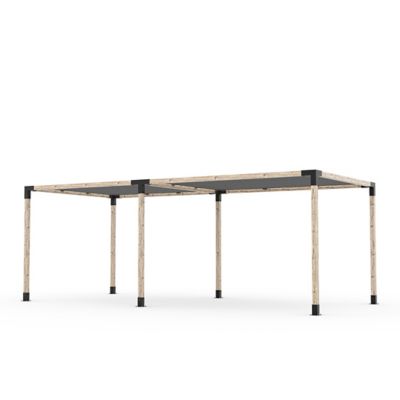
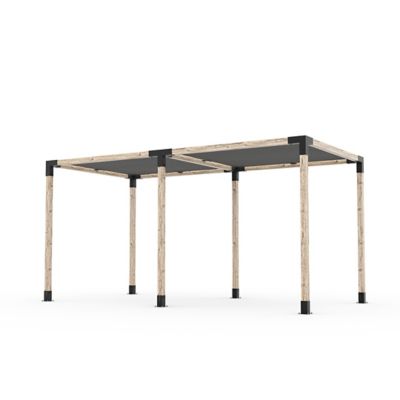
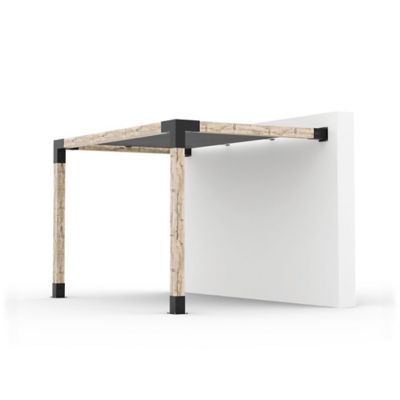
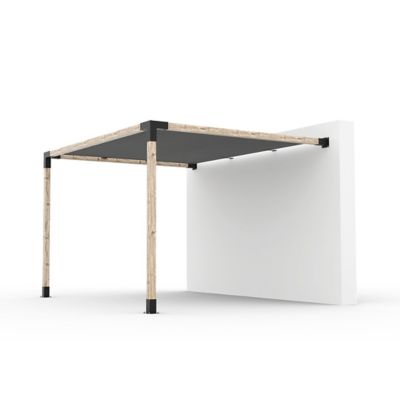
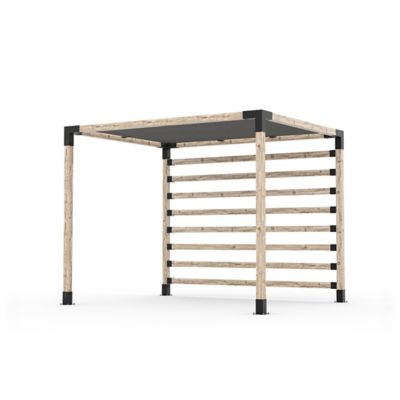
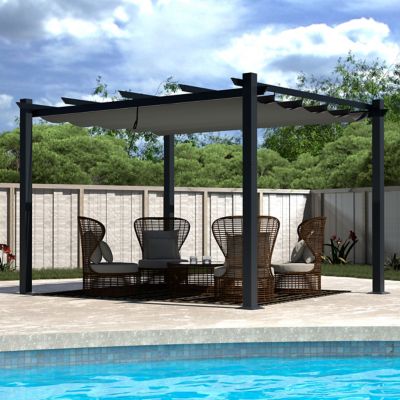
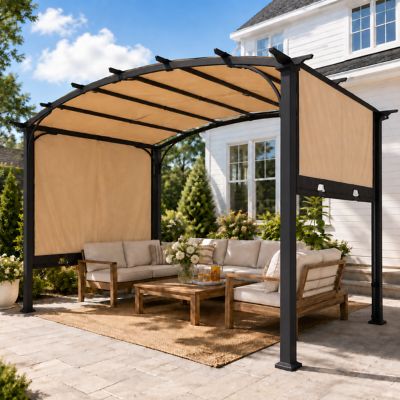
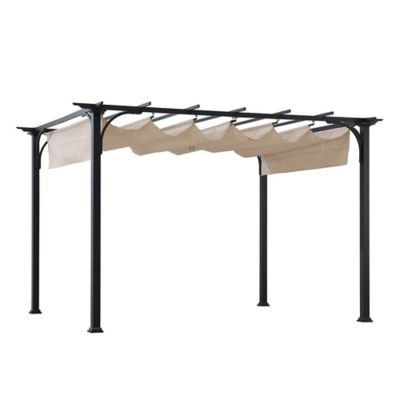
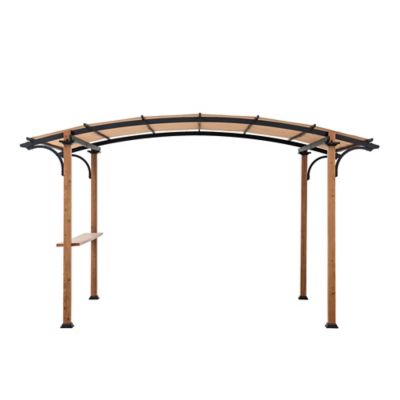
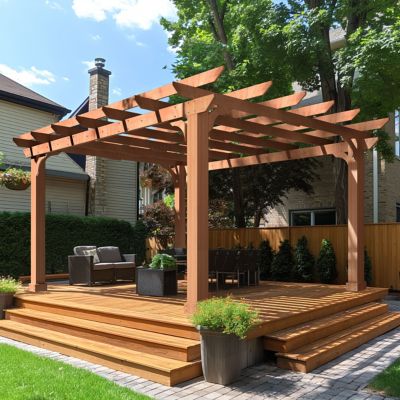
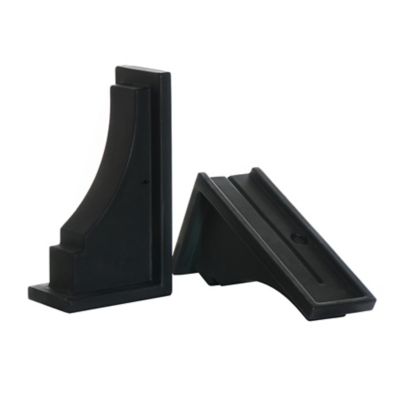
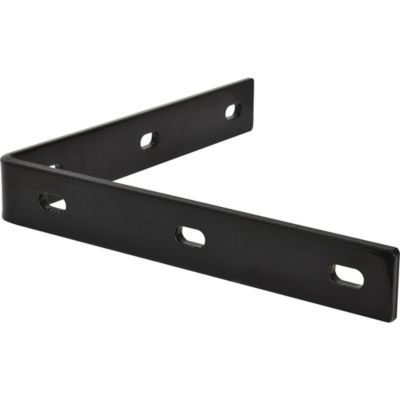
Pergola corner brackets are a handy way to bring strength, shape and a finished look to an outdoor structure. Whether you are building a small shade frame beside the garden, adding a sitting area off the back of the house or putting together a covered spot near the barn, these brackets help join the corner posts and crosspieces with a clean, dependable fit. They are especially useful for do-it-yourself projects because they can make layout and assembly more straightforward, helping keep the corners aligned while the rest of the frame comes together. A well-built pergola can give a plain patch of lawn a little purpose, creating a place for a picnic table, porch swing, raised planters or a couple of well-worn rocking chairs. During the warmer part of the year, it may become the spot where muddy boots come off after chores or where family and friends gather with a cold drink. As cooler weather rolls in, a sturdy frame can still provide a useful outdoor shelter for firewood, gardening supplies or a comfortable place to enjoy the crisp air. When choosing corner brackets, start by considering the size and weight of the structure you have in mind. The bracket needs to match the dimensions of the lumber and the way the posts and beams will meet, with enough room for the fasteners you plan to use. Look for a solid construction suited to outdoor use, since pergolas are exposed to sun, rain, wind and changing temperatures. A durable finish can help the hardware stand up to the elements, but proper installation matters just as much. Use suitable exterior-rated fasteners, check that the posts are plumb and supported on a firm base, and take a moment to confirm that each connection sits flat before tightening everything down. If your project calls for a different shape or added reinforcement, browse related options such as
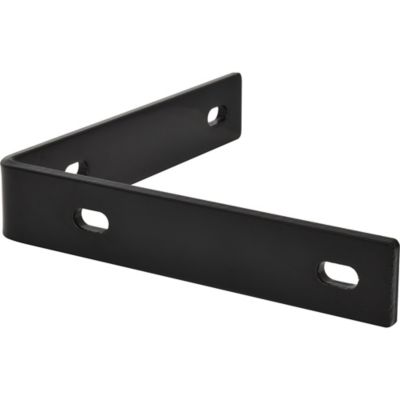
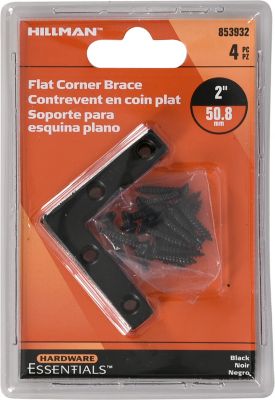
Steel Angle Brackets to help round out your hardware needs.
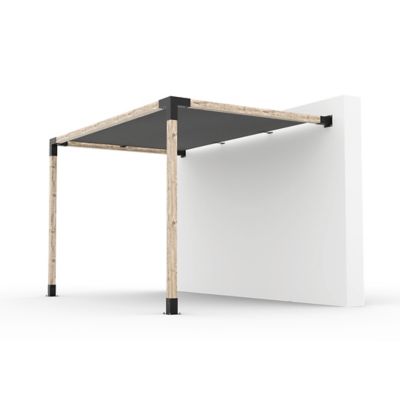
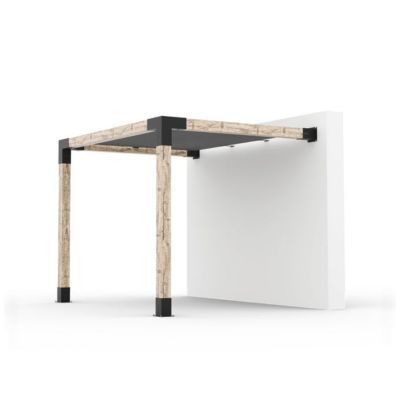
The right pergola corner brackets can also make it easier to create a structure that suits the way you use your property. A compact pergola over a patio may call for a simple corner connection with a neat profile, while a larger freestanding frame in an open yard may need heavier-duty hardware and extra attention to bracing. Before buying, measure the actual lumber rather than relying only on the size printed on the board, since finished dimensions can vary from the nominal size. Think about whether the brackets will be visible, partially covered by trim or exposed as part of the design. Some folks like a straightforward, practical look that fits right in around a workshop or equipment shed; others want the hardware to add a little character to a backyard entertaining space. It is also worth considering the condition of the wood. Pressure-treated lumber, cedar and other outdoor materials each have their own look and maintenance needs, and the hardware should be suitable for use alongside the material you select. A quick sketch on a feed-store receipt or a scrap piece of cardboard can help you count the corners, estimate the number of connections and avoid making an extra trip for one missing bracket. For a pergola attached to a home or another building, pay close attention to the wall connection and local requirements, since that portion may need a different approach than the free-standing corners. On larger builds, or anywhere the structure will carry a substantial roof, vines or other added weight, a knowledgeable contractor can help confirm the design. Corner brackets are a useful part of the project, but they work best as part of a complete plan that includes sound posts, properly supported beams, adequate bracing and secure anchoring.
These brackets can be a thoughtful choice for anyone who enjoys working with their hands, from a first-time backyard builder to the neighbor who always has a new improvement underway. They make a practical gift for a handy homeowner, a gardener planning a shaded growing area or a family member who likes turning a few boards into something useful. Pairing them with other basic project supplies can help someone get a head start on a weekend build, whether the goal is a quiet reading nook, a spot for hanging baskets or a simple shelter near an outdoor kitchen. A pergola can take on a different personality depending on the setting: vines and flowering plants soften the lines beside a garden, while heavy timbers and a gravel base give a more rugged feel near a pasture or workshop. Keep maintenance in mind as the seasons change. Look over the connections from time to time, tighten any fasteners that have loosened, and check for splitting wood, rust, shifting posts or branches that have settled onto the frame. Clearing leaves and standing water from the top can help protect the structure, and a fresh coat of suitable exterior stain or sealant may help the lumber hold up through wet weather and long stretches of sun. If you are adding shade cloth, hanging plants, lights or other decorations, make sure the corner connections and overall frame can handle the extra load. With the right measurements, dependable hardware and a little patience during assembly, pergola corner brackets can help turn a stack of lumber into a lasting part of the property—one that looks at home beside a farmhouse, suburban yard, garden fence or back-deck gathering place.