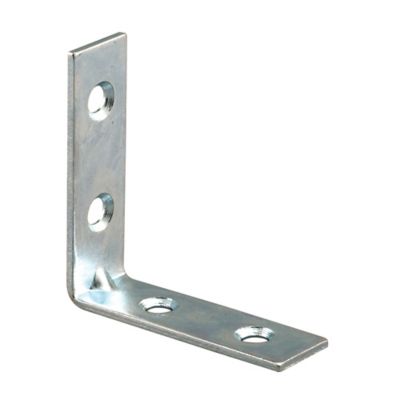
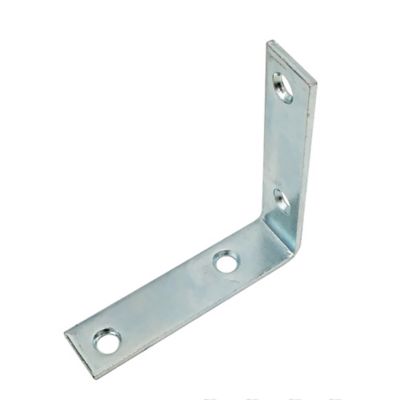
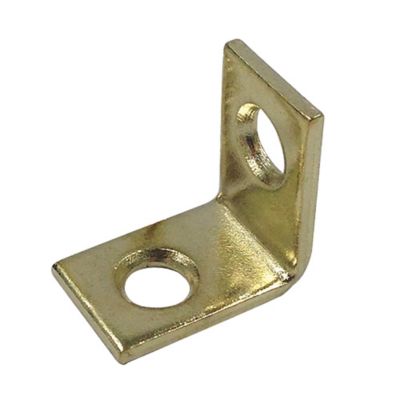
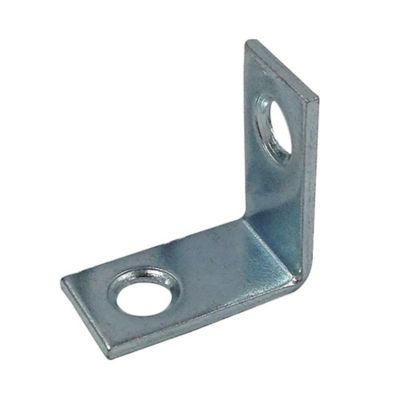
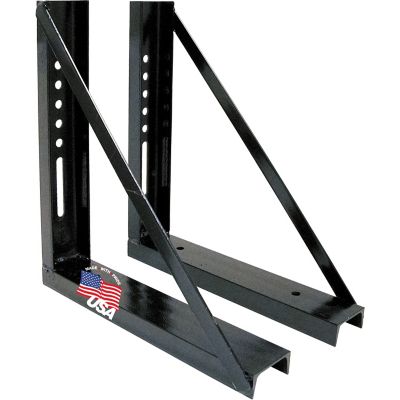
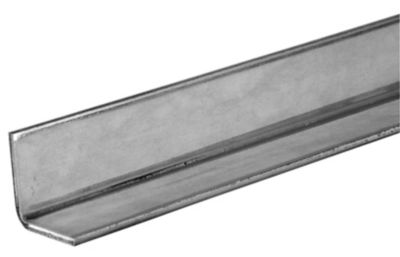
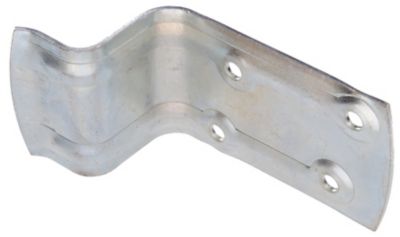
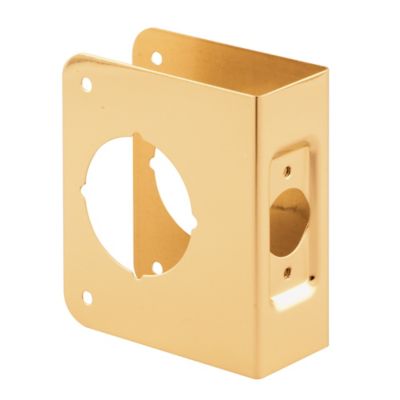
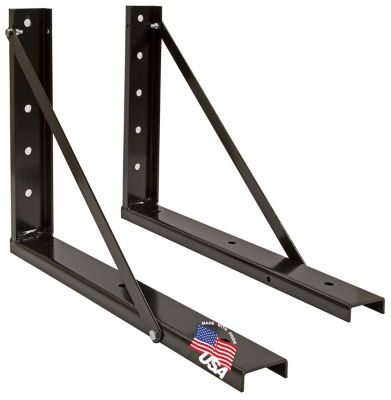
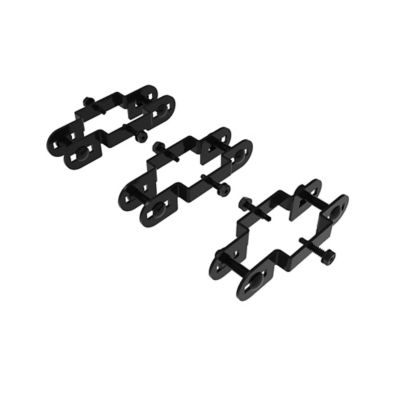
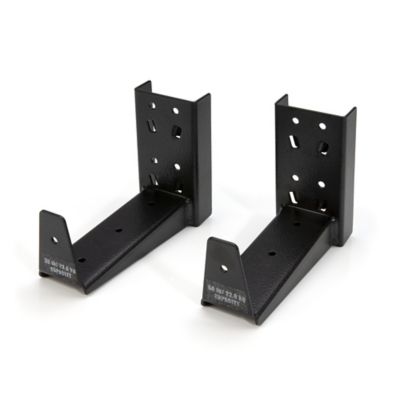
Steel angle brackets are hardworking, L-shaped pieces of steel that help hold two surfaces together at a right angle. They are a practical choice when a corner needs more support than wood, screws, or nails can provide on their own. Around a farm, shop, garage, barn, or house, these brackets can reinforce shelf corners, steady workbenches, strengthen furniture frames, support cabinet construction, and help keep a structure from shifting under everyday use. A simple angle bracket can make a noticeable difference in a project that sees vibration, changing temperatures, heavy loads, or plenty of use. Think of a storage shelf loaded with feed bags, a workbench covered with tools, or a gate frame that gets opened and closed all season. The bracket works at the joint, helping resist bending and keeping the corner square. For outdoor projects, steel angle brackets can also be useful in building or repairing garden structures, utility tables, equipment stands, storage racks, and other projects where dependable reinforcement matters. They can be used alongside
Fence Brackets when a fencing or enclosure project calls for added support at corners, posts, gates, or connected framing members. Before choosing a bracket, take a close look at the job and the space where it will be installed. Measure the width and height available, including any trim or overlapping material, and compare those measurements with the bracket’s leg dimensions. A compact bracket may suit a light-duty cabinet or small shelf, while a larger, heavier profile is better suited to a workbench, frame, or outdoor structure. The weight of the materials and everything they will carry should guide the decision, not just the size of the corner. Include the weight of tools, hardware, firewood, feed containers, soil, or stored equipment, and allow for movement or impact if the project will be used in a busy workspace. A shelf that holds a few jars has very different needs from one carrying stacked lumber or full storage totes. It is also wise to consider how the weight will be distributed. Brackets placed too far apart may leave the middle of a shelf sagging, while brackets mounted close to a corner may not provide enough overall support. For larger builds, multiple brackets and properly sized fasteners may be needed.
Material and finish matter just as much as dimensions. Plain steel can be a dependable choice for dry indoor projects, especially when the bracket will be protected from moisture and handled in a controlled environment. Galvanized steel has a protective zinc coating that helps guard against rust, making it a popular option for sheds, barns, covered porches, utility areas, and other places where humidity or occasional dampness is part of the job. Stainless steel offers strong corrosion resistance and can be a good fit for demanding conditions, exposed locations, or projects where a clean, durable finish is important. No bracket is completely maintenance-free in every environment, so inspect outdoor hardware from time to time and address scratches, standing water, dirt, or early signs of corrosion before they spread. Installation style is another key consideration. Some steel angle brackets are made to be screwed or bolted into place through pre-drilled holes, while others are intended to be welded directly to a metal frame. A bolt-on or screw-on design can be convenient for home repairs, woodworking, and projects where the parts may need to be removed later. Weld-on brackets can create a solid, permanent connection when working with compatible metal and the right welding equipment, but welding requires proper training, protective gear, a clean work area, and attention to fire safety. Match the fasteners to the bracket, the base material, and the expected load; a strong bracket cannot make up for a screw that is too short, a bolt that is undersized, or an anchor installed in weak material. When fastening to wood, place the hardware in sound, solid lumber rather than cracked edges or soft, damaged spots. When fastening to masonry, metal, or another specialty surface, use anchors and tools made for that material. Keep the bracket seated flush, check that the corner is square, and tighten fasteners securely without stripping holes or crushing the surrounding material. A level, tape measure, drill, clamps, and a square can help turn a rough repair into a clean, dependable installation. Steel angle brackets are useful for professional contractors, farmers, ranchers, maintenance crews, woodworkers, and do-it-yourselfers who want a straightforward way to add strength without rebuilding an entire project. They also make a handy addition to a shared shop or a practical gift for someone who enjoys fixing up the homestead, building furniture, or keeping a workshop ready for the next job. As the weather warms, they can help with outdoor repairs and new construction; during cooler months, they are just as useful for indoor storage, shop improvements, and reinforcing equipment that needs to stay dependable year-round.