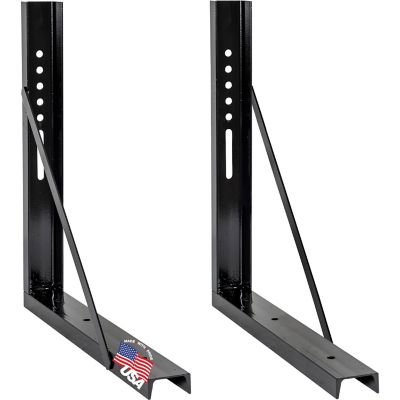
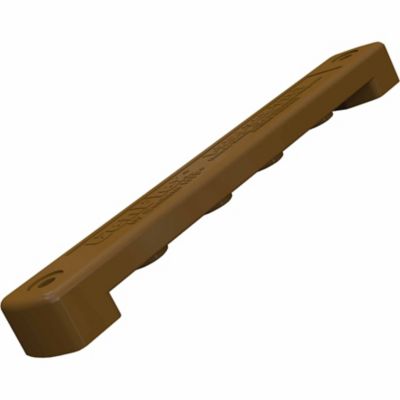
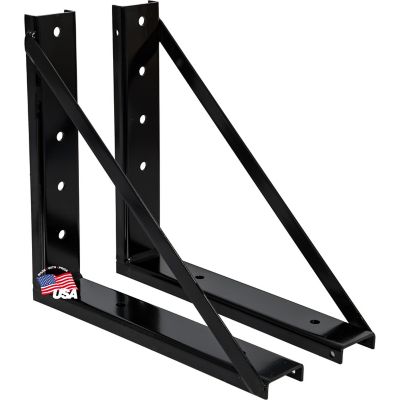
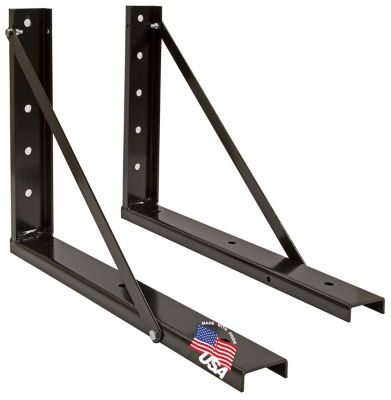
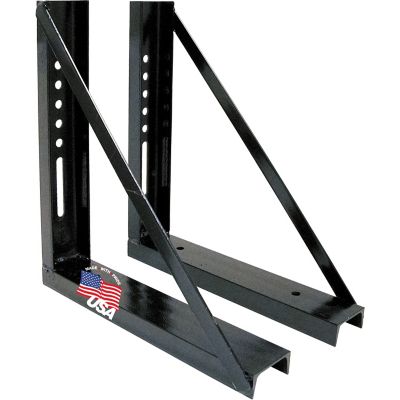
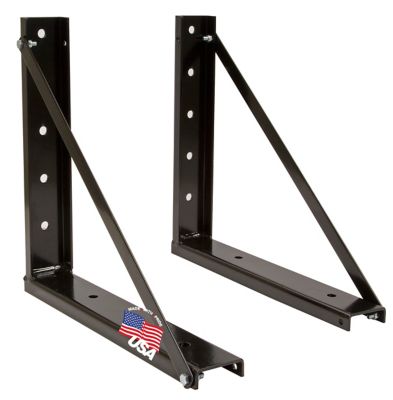
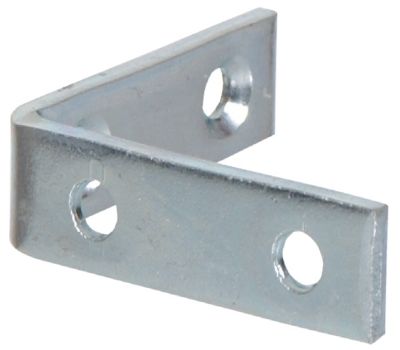
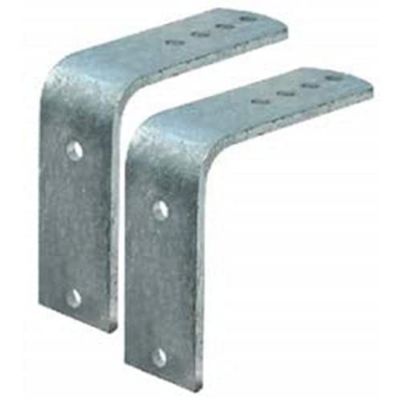
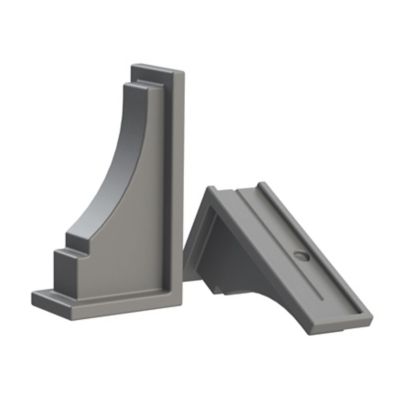
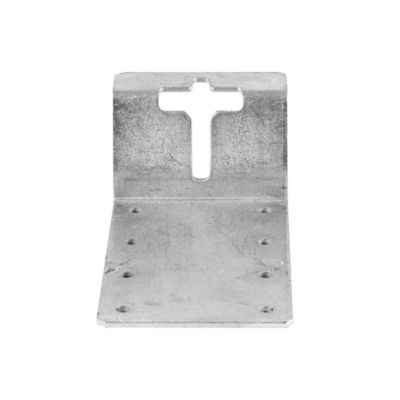
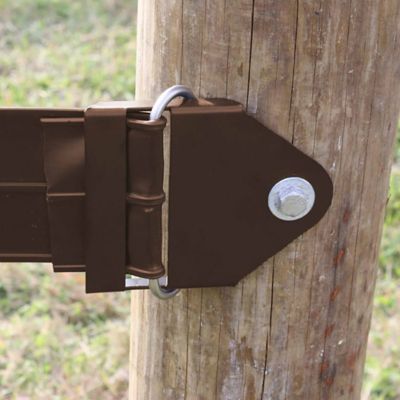
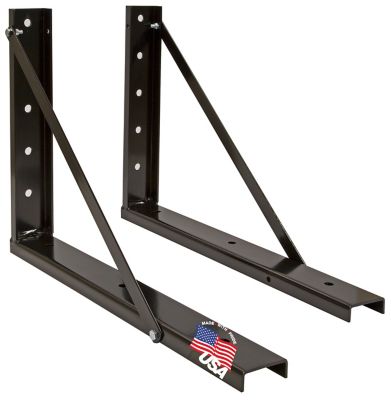
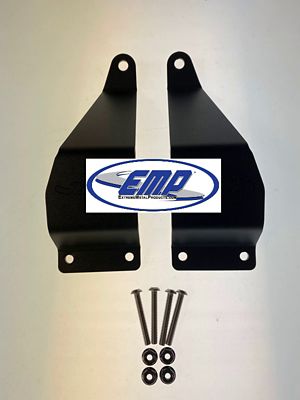
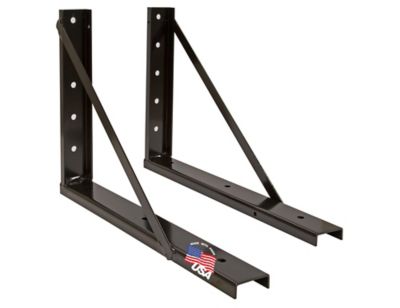
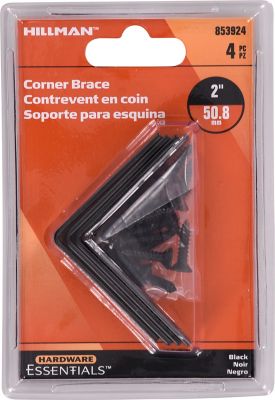
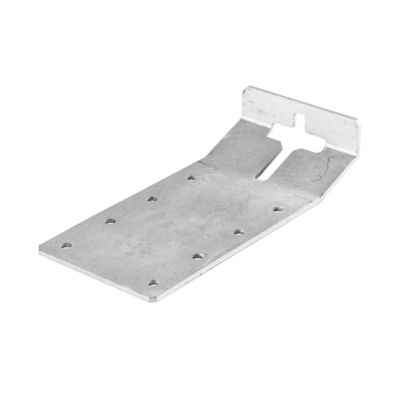
Metal brackets are handy, hardworking pieces of hardware used to reinforce, support and connect all kinds of materials around a home, farm, shop or jobsite. Their simple shapes do a lot of work: an L-shaped corner brace can help steady a joint, a flat mending plate can bring two boards together, and a shelf support can transfer weight from a wall into a horizontal surface. Depending on the job, brackets may be made from steel, stainless steel or iron, with finishes that help protect against everyday wear, moisture and rust. Some are made for light indoor projects, while heavy-duty designs are built for framing, gates, shelving, furniture, outbuildings and other load-bearing applications. They can be useful for a homeowner tightening up a wobbly workbench, a renter making better use of storage space, a woodworker assembling a bench, or a farmer handling repairs where a strong connection matters more than a fancy finish. Metal brackets also come in handy during the cooler months, when time spent organizing a mudroom, barn, garage or workshop makes chores easier through the rest of the season. Before choosing a bracket, consider the materials being joined, the direction of the load and the amount of weight the connection needs to carry. A small decorative corner brace may be a good fit for a cabinet or craft project, but a shelf holding feed bags, tools or cast-iron cookware needs a sturdier support with enough capacity and proper mounting hardware. Pay attention to the bracket’s length, width, thickness, hole pattern and overall shape so it lines up with the boards or surfaces in your project. It also helps to think about clearance around doors, drawers, windows and walkways, especially when adding supports to an existing structure.
The right metal bracket starts with a solid plan and a close look at the installation surface. Wood framing, wall studs, masonry, metal tubing and composite materials each call for different fasteners, and a bracket is only as dependable as the screws, bolts, anchors or other hardware holding it in place. For shelving and wall-mounted storage, locate a stud whenever possible, spread the load across more than one mounting point and use a level before tightening everything down. On a table, gate or timber project, check that the bracket sits flat and that the adjoining pieces are square. A corner brace can help keep a frame from racking side to side, while a flat plate can reinforce a seam or repair a split connection. Larger construction projects may call for angled framing supports, post connectors or pergola brackets designed to help join beams and posts with less guesswork. Outdoor applications deserve extra attention to finish and corrosion resistance, since rain, dew, mud and changing temperatures can wear on exposed hardware. Stainless steel is often selected where moisture is a regular concern, while coated or galvanized steel can provide a practical layer of protection for many general-purpose jobs. Iron brackets may bring a traditional, sturdy look to shelves, gates or furniture, but they should still be matched to the environment and maintained as needed. When working with treated lumber, outdoor structures or livestock areas, make sure the bracket and fasteners are compatible with the surrounding materials. A quick test fit can save a trip back to the hardware aisle: hold the bracket in place, mark the holes, check for obstructions and confirm that the fastener heads will sit where they need to. For heavier loads, use a pair or a properly spaced set of supports rather than asking one bracket to do all the work. Keep the manufacturer’s load guidance in mind, and remember that the actual capacity can change with the mounting surface, fastener type, installation angle and condition of the materials.
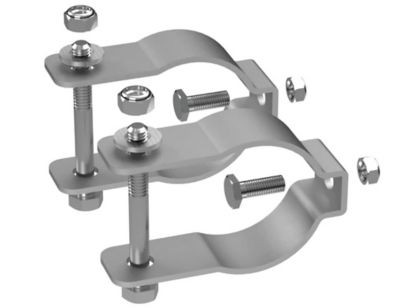
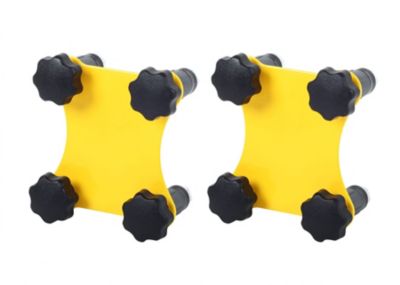
Metal brackets are useful well beyond new construction. They can help restore an old family table, reinforce a kennel gate, build a sturdy potting bench or add a practical shelf to a feed room. A handy person may keep a few common sizes in the workshop for those small repairs that tend to show up between larger jobs, while a beginning DIYer can use them to add strength without cutting complicated joinery. They also make thoughtful gifts for someone setting up a first home shop, fixing up a farmhouse, building furniture or taking on a cabin project. A basket with assorted brackets, matching fasteners, a tape measure and a level can give a new homeowner a useful start on everything from closet storage to garage organization. In rural homes, brackets can support boot shelves, tack-room racks, firewood storage, work surfaces and simple outdoor improvements that see plenty of use. They are also helpful alongside related fastening hardware, including
Metal Clamps, when a project needs temporary positioning, a firm grip or an extra set of hands during assembly. Choose a style that suits the finished look as well as the job: a clean, low-profile support may blend into painted shelving, while a heavier black or galvanized finish can fit right in on a barn, shop or rustic workbench. Inspect installed brackets from time to time for loose fasteners, bent metal, chipped coating or signs of rust, especially on gates, porches and other outdoor fixtures. Tighten or replace worn hardware before a small issue turns into a sagging shelf or a shaky joint. Whether the task is a quick repair after a busy stretch of chores or a carefully planned build for the house, dependable metal brackets give boards, posts and panels the reinforcement they need to stay together and stand up to everyday work.