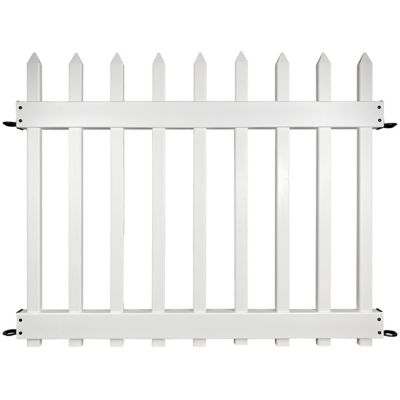
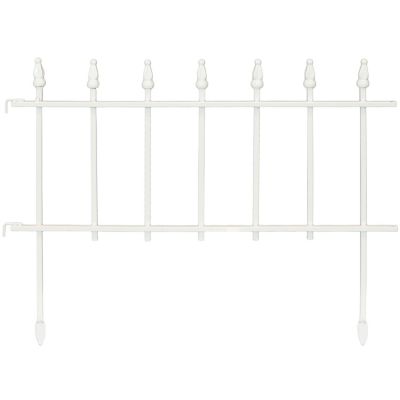
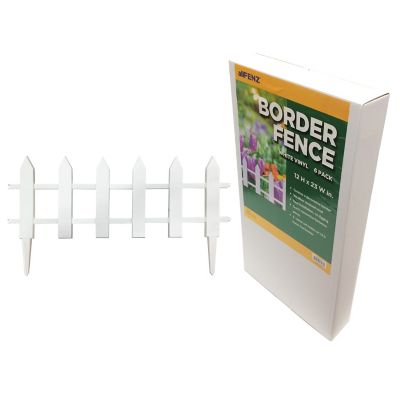
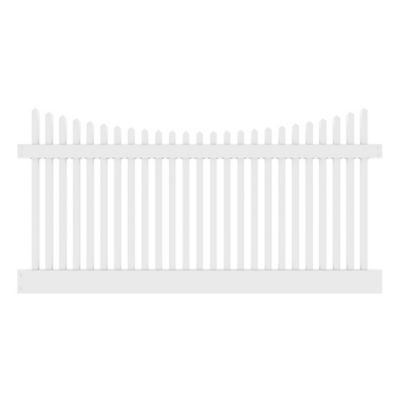
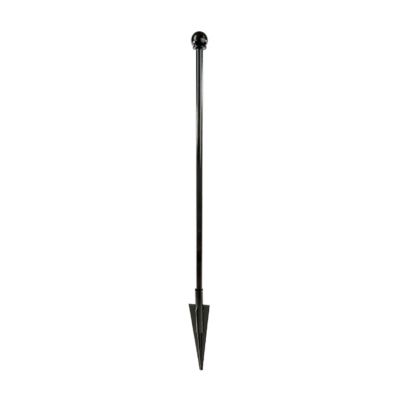
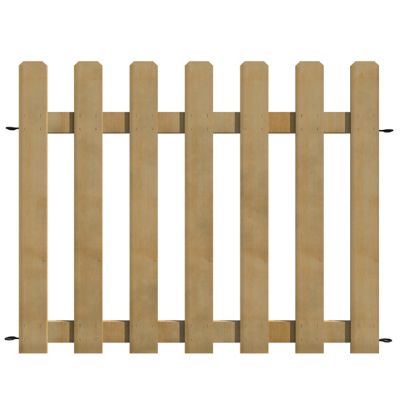
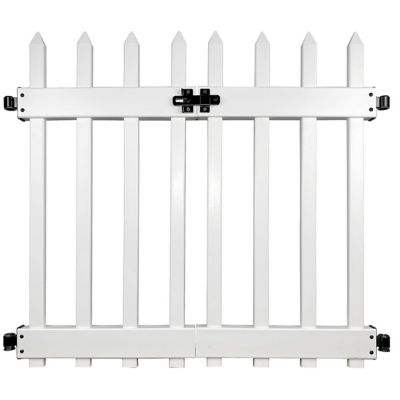
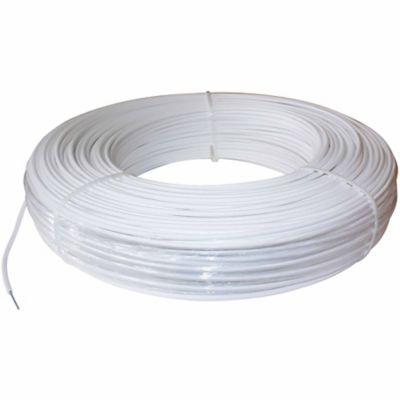
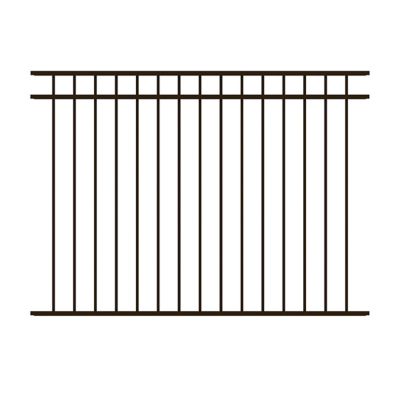
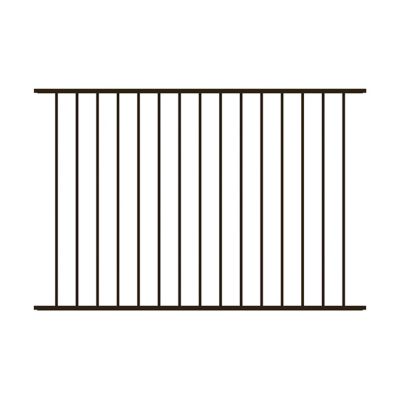
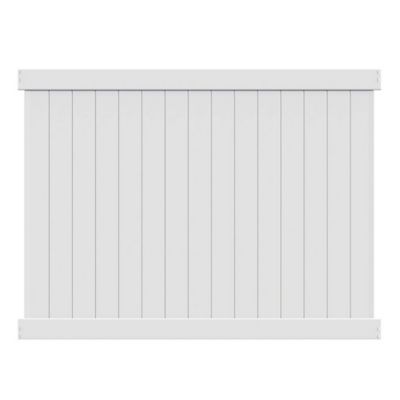
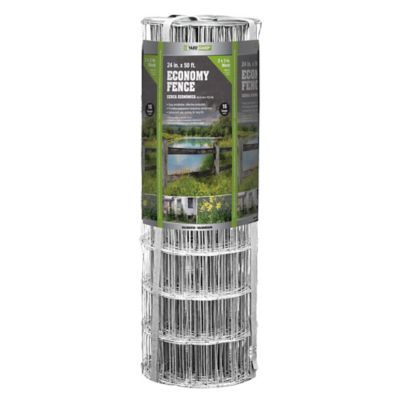
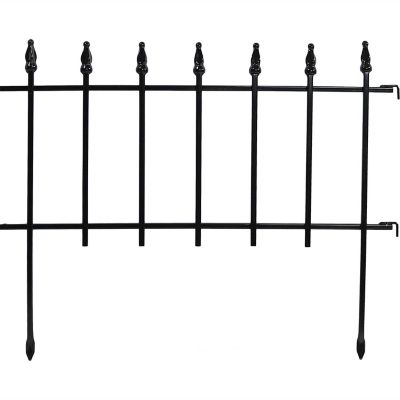
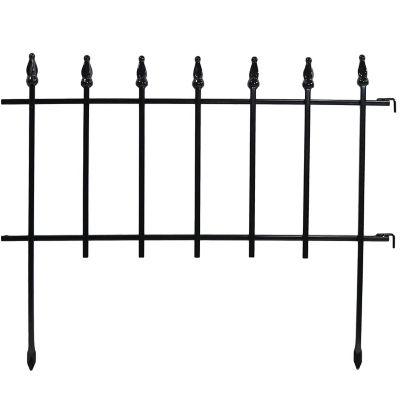
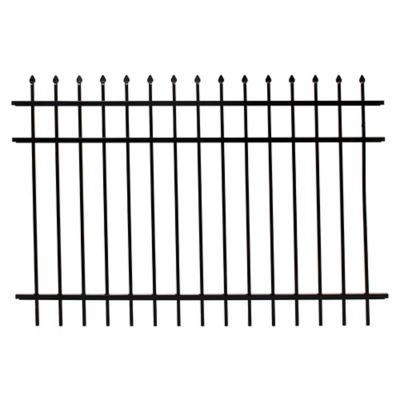
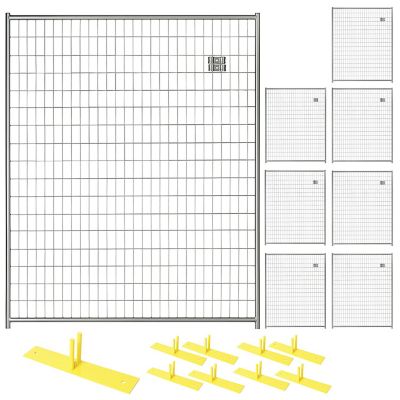
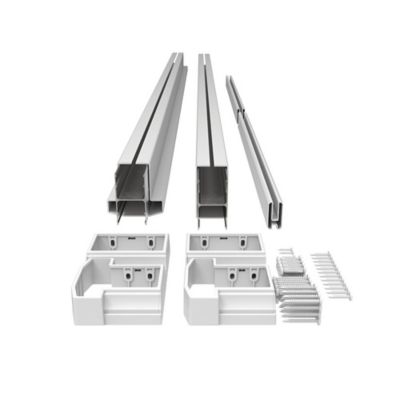
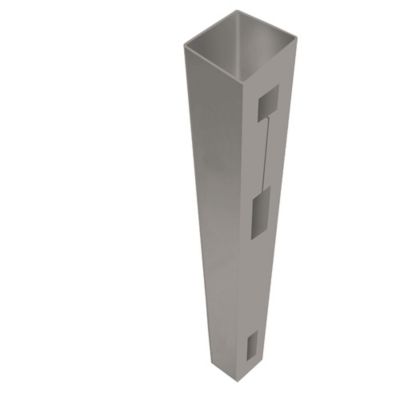
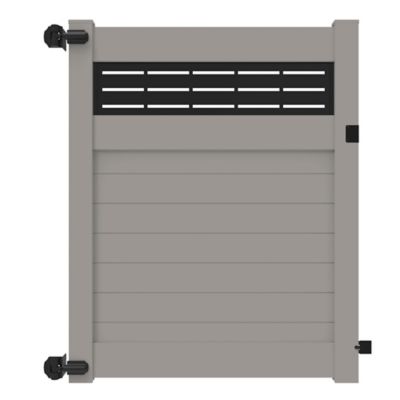
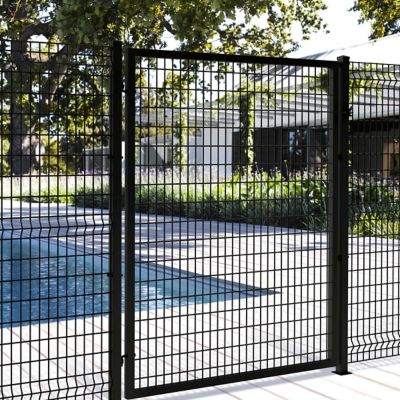
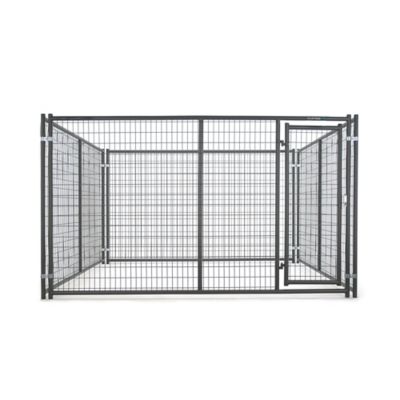
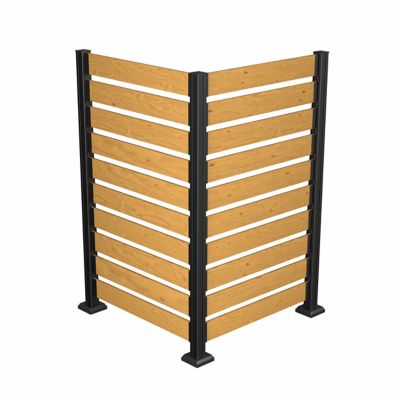
White fence panels bring a clean, familiar look to yards, gardens, porches and small homesteads. Their bright finish can make a property feel more open and cared for, while giving you a practical way to define a boundary without making the space feel closed in. Homeowners often use them along the front of a house, around flower beds, beside a driveway or near a walkway where a little structure helps everything look more finished. They can also help mark the edge of a vegetable garden, keep foot traffic off freshly planted areas or give a small pet space a clear outline. A white fence works with country homes, cottages, barns and newer builds alike, and it pairs easily with green grass, weathered wood, stone, gravel and colorful flowers. During the warmer part of the year, white panels make a garden corner stand out against leafy plants and blooming beds. As the weather turns cooler, they still provide a crisp backdrop for ornamental grasses, mums, pumpkins and evergreen plantings. When choosing panels, start by thinking about the job the fence needs to do. Decorative panels may be a good fit for edging a garden or improving the look of a front yard, while taller or more solid panels may offer added separation around a patio, work area or outdoor living space. Consider the total length of the area, the height you need and whether the fence will follow a straight line, a corner or a gentle change in grade. It helps to measure more than once, including the space taken up by posts, gates or connecting hardware. A quick sketch on paper can save a trip back to the store and make it easier to estimate how many panels and supporting pieces belong in the layout.
Material and maintenance are also worth weighing before you buy. Wood panels offer a traditional country look and can be painted or touched up as needed, though they may require more care as seasons pass. Manufactured panels are often chosen for a more uniform appearance and easier upkeep, making them handy for busy households, rental properties, community gardens and anyone who would rather spend time tending plants than scraping and repainting a fence. Look closely at the panel construction, the strength of the rails and pickets, and the way each section is meant to attach to its supports. A sturdy installation depends on more than the panel alone. Posts need to be set at the right spacing and anchored for the ground conditions, especially in areas that see strong wind, heavy rain or freeze-and-thaw cycles. Uneven ground may call for stepped sections or a layout that follows the slope rather than forcing every panel to sit at one level. Before installation, check local rules, property lines and any neighborhood requirements that may affect fence height, placement or appearance. If the fence will be used around animals, examine openings carefully so a curious dog, goat or other small animal cannot squeeze through or get caught. Around gardens, a fence can be both attractive and useful, but it may need to be paired with a secure gate or a tighter barrier if it is intended to discourage rabbits, chickens or other visitors. White panels also show dirt, grass clippings and splash from wet soil more readily than darker finishes, so think about how close the fence will sit to sprinklers, driveways and muddy areas. A soft brush, mild soap and a garden hose are often enough for routine cleanup, while wood may need periodic sealing or paint maintenance to keep its finish looking even. Keeping a few extra fasteners and checking connections after rough weather can help the fence stay straight and dependable.
These panels are useful for more than a single line around the yard. A short run can frame a front porch or create a welcoming path from the driveway to the door. A longer run can help separate a play area from a driveway, define a dog yard or give a backyard gathering space a little more privacy. Gardeners may use white fencing to support a cottage-style planting plan, hide the lower edge of a raised bed or create a tidy border around herbs and cut flowers. People settling into a new home often appreciate fence panels as a practical housewarming gift, particularly when they are planning a garden, updating a porch or making an outdoor space feel more complete. They can also be a thoughtful choice for a family member with a small homestead, a community garden volunteer or anyone who enjoys weekend projects and likes seeing a job take shape by hand. For tighter spaces, a shorter boundary may provide the same finished look without overwhelming a narrow walkway or compact planting bed; browse
Small Fence Panels when a more modest footprint fits the plan. Before bringing panels home, compare the visual style with nearby buildings and existing fencing, and remember that a bright white finish can draw attention to both the fence and the space behind it. That can be a real advantage when the area contains flowers, a neatly stacked woodpile or a well-kept entrance, but it also means trimming grass along the base and keeping nearby beds reasonably tidy will make the whole installation look its best. Whether the goal is a simple garden border, a clearer property division or a welcoming finish around an outdoor space, white fence panels offer an approachable way to add order and country character while leaving room for the yard to grow and change through the seasons.