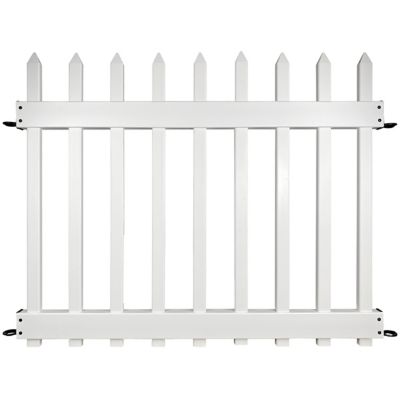
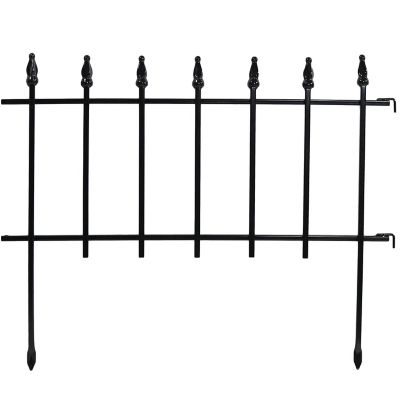
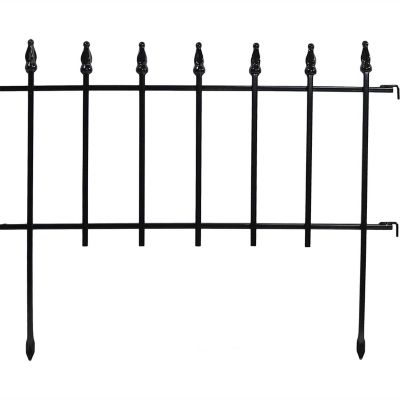
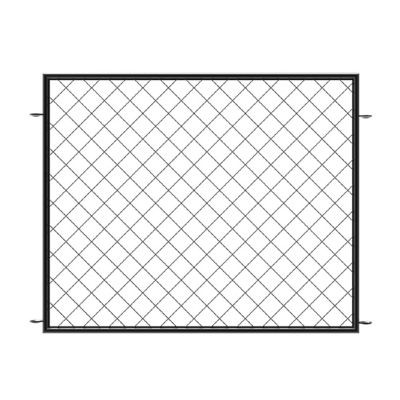
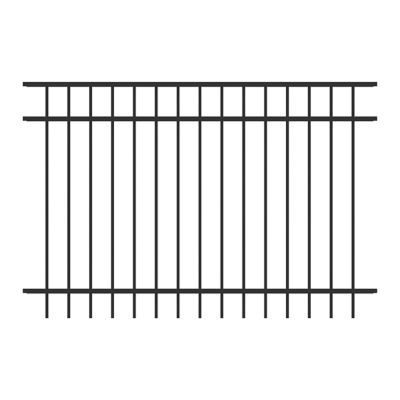
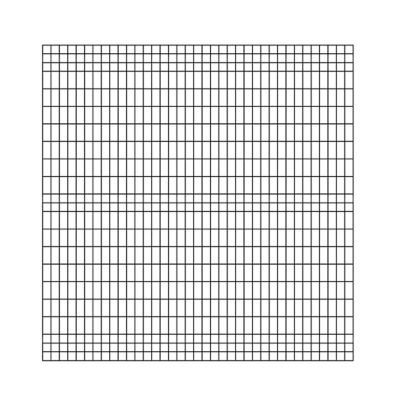
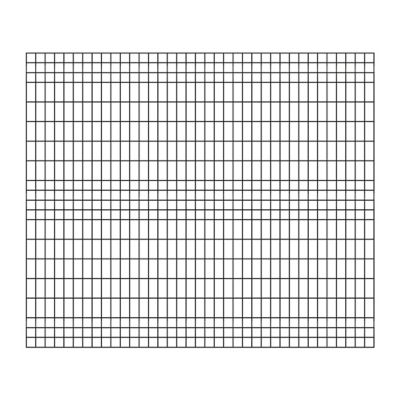
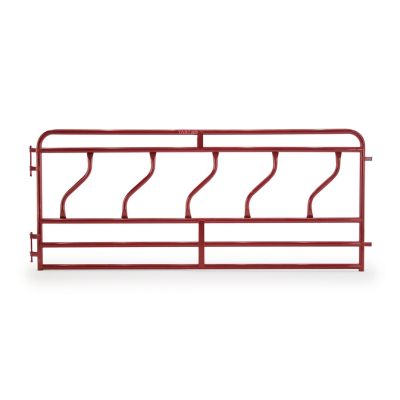
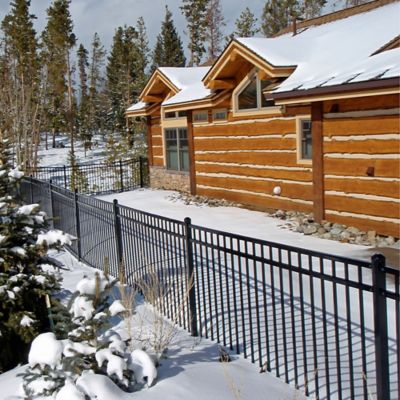
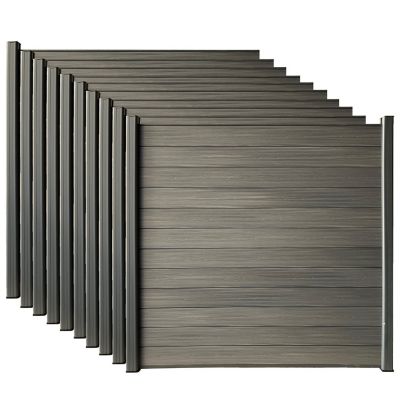
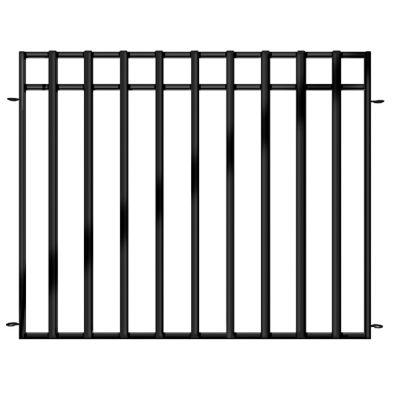
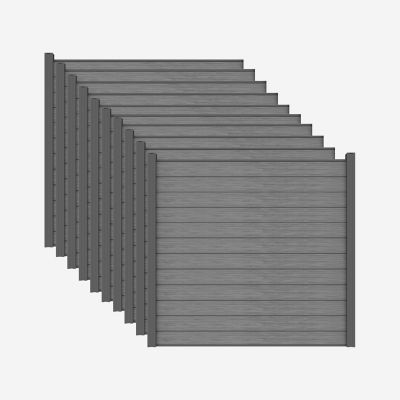
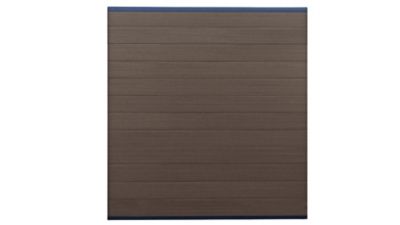
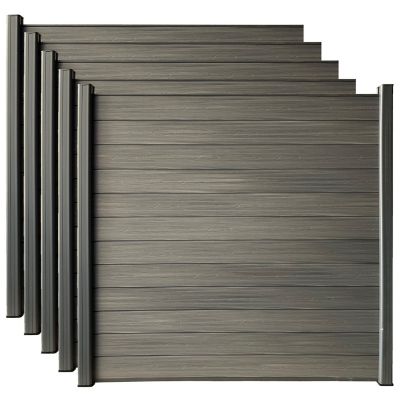
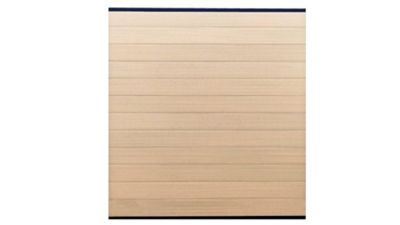
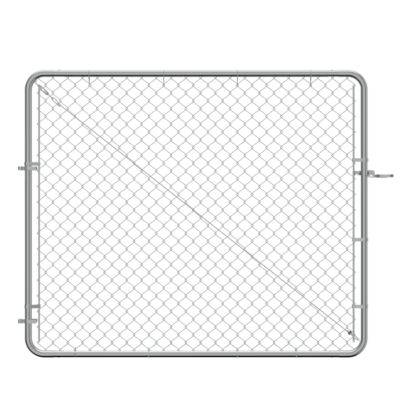
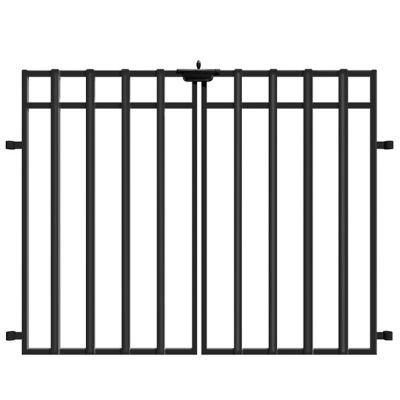
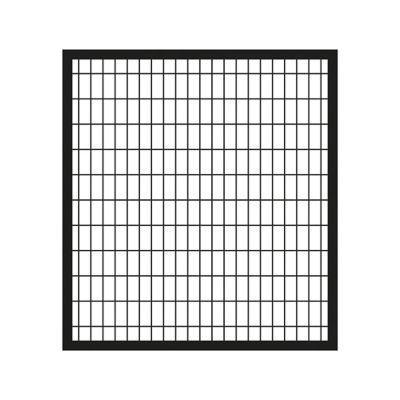
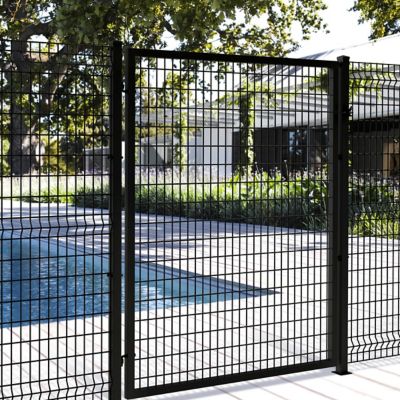
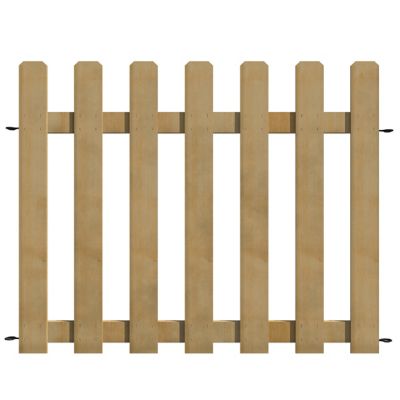
Decking fence panels help define the edges of a deck, create a little breathing room between neighboring spaces, and give an outdoor seating area a more finished look. Depending on their design and mounting system, these panels may serve as privacy screens, fence sections, or infill within a compatible railing assembly. Those jobs are not interchangeable: a privacy panel does not qualify as a safety guard just because it stands beside an elevated deck. Panels along an open edge need to be part of a system approved for that purpose and installed to meet local building requirements. For a ground-level sitting area, the main concern may be screening the view from a driveway or separating a dining table from a nearby walkway. On a raised deck, structural support, opening sizes, and attachment details become just as important as appearance. Solid panels offer more visual separation, while spaced pickets, lattice, and open-pattern panels leave sightlines through the boundary. Slatted designs fall somewhere in between, with privacy depending on the gap size, slat angle, and where someone is standing. A panel that hides a seated gathering from the yard may still leave a clear view from an upstairs window. Taller screens can make a table or hot tub area feel more tucked away, while shorter sections keep the view across a pasture or backyard open. Homeowners drawn to
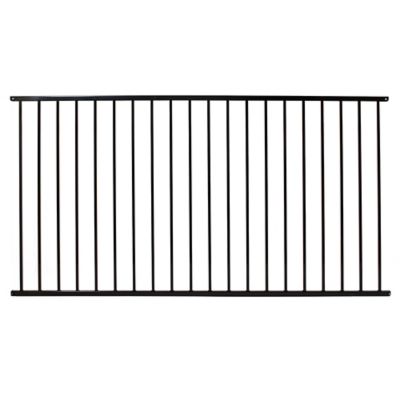
modern fence panels may favor straight lines and simple patterns that sit comfortably beside wood decking, metal furniture, and plain porch posts. Matching every surface is not necessary; a dark panel against natural wood can give the space a clear border without making it feel boxed in. The most practical layout also leaves room for the everyday traffic of a working household, from carrying supper outside to moving a cooler, hauling garden supplies, or letting folks pass comfortably between the back door and the steps.
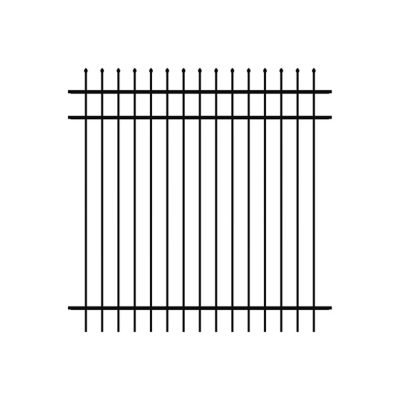
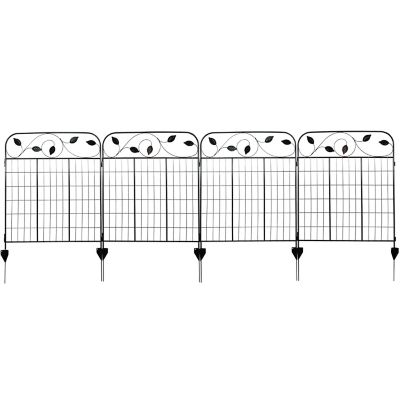
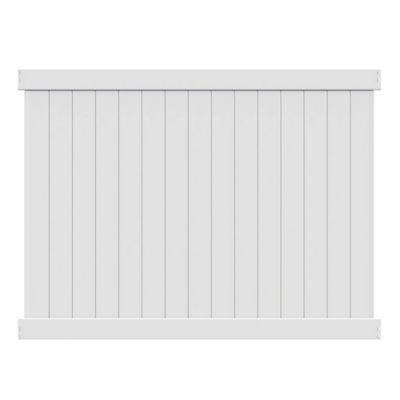
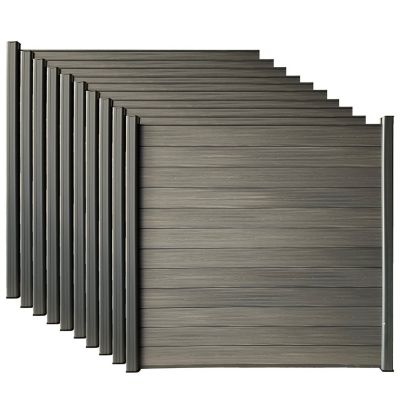
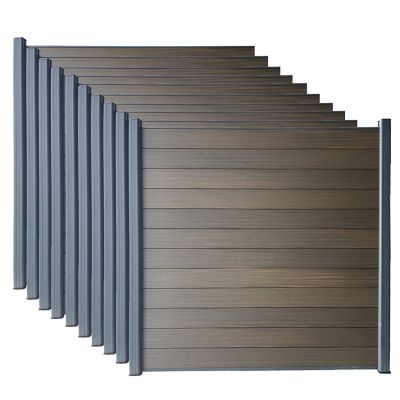
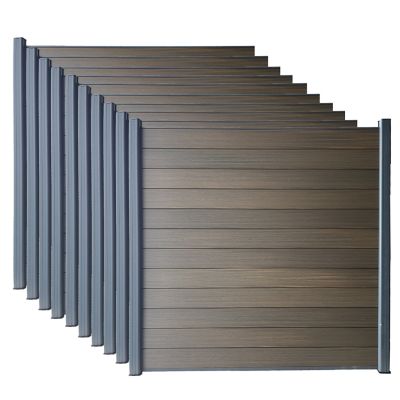
Material makes a big difference in how decking fence panels look, feel, and hold up over time. Wood offers familiar grain and a solid, traditional appearance that fits everything from a small back porch to a broad farmhouse deck. Cedar has natural resistance to decay, while pressure-treated lumber depends on its treatment rating and intended application. Neither option is maintenance-free, and cut ends, fastener locations, and ground contact restrictions deserve attention. Wood panels may need periodic cleaning and a compatible stain, paint, or protective finish, with the schedule depending on the material and finish instructions. Composite panels combine wood fibers and plastic in many formulations, offering a more uniform appearance and generally less finishing work than bare wood. Their spacing and support requirements still matter, and heavier sections can place different demands on posts and brackets. Vinyl panels offer another low-upkeep option, often with smooth surfaces that clean without refinishing. The supporting framework matters as much as the visible panel, especially where a system requires reinforced posts or particular brackets. Aluminum brings a lighter-weight metal option with resistance to rust, though its finish and fasteners still need appropriate care. Steel can provide a substantial feel and crisp pattern definition, but damaged coatings and exposed edges can become starting points for corrosion. Galvanized or coated components should be selected as part of a compatible assembly rather than mixed without checking the specifications. Powder-coated finishes can simplify routine upkeep, but they are not a reason to ignore scratches or loose connections. Metal patterns, lattice openings, and slat spacing also affect how much of the deck remains visible from outside. For families with small children or pets, attractive openings are only part of the picture. Gap dimensions, climbable horizontal elements, sharp edges, and the panel’s intended function all deserve consideration. An open-pattern screen should not be treated as child protection or pet containment unless the complete system is designed and rated for that role.
A good fit starts with the relationship between the panel, the posts, and the deck structure. Overall panel width is not always the same as the opening it fits, since brackets, channels, trim, and required clearances can take up space. Finished height also includes more than the panel face when post caps, bottom rails, or mounting bases are involved. Some decking fence panels fit between existing posts, while others require their own posts or a specific framing system. Surface-mounted assemblies need a suitable structural connection beneath the mounting point; deck boards alone should not be assumed to provide enough support. Panels that attach above an existing rail likewise need explicit approval for that mounting method, since extra height changes the demands on the supporting assembly. Matching components to the deck’s framing, post spacing, and intended panel function helps avoid a setup that looks right but lacks the necessary support. Local requirements can address guard height, openings, loads, stair conditions, and permits, and a fence panel’s appearance does not establish compliance. Uneven layouts call for particular attention to whether a system allows stepped sections, adjustable connections, or trimming. Not every panel can be cut, and altering one may affect its finish, fit, or rating. Around stairs and gates, clear passage and compatible hardware matter just as much as the straight runs. Access for cleaning beneath the panels and reaching fasteners can make upkeep less of a chore later. Routine care generally includes removing built-up dirt, following the material’s cleaning directions, and checking for loosened hardware, damaged coatings, cracks, or movement at the posts. Harsh cleaners and abrasive tools can harm some surfaces, so care instructions are worth keeping with the installation paperwork. For an established deck, the condition of the framing and posts deserves the same attention as the new panels. Sound supports, properly matched hardware, and a panel style suited to the space help create a boundary that handles everyday life while keeping the deck comfortable and easy to move around.