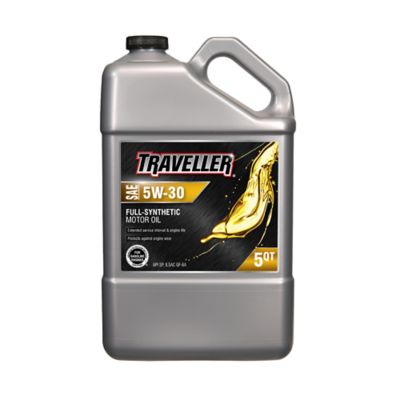
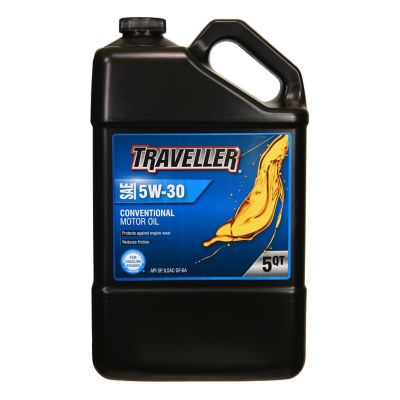
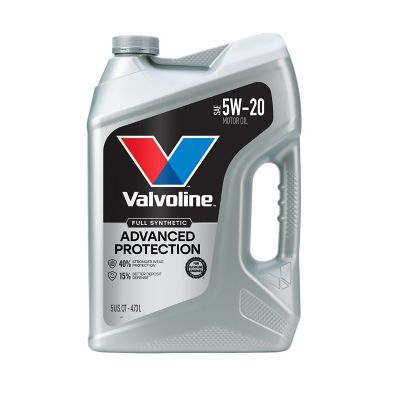
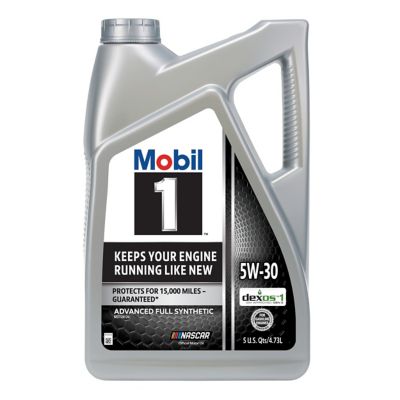
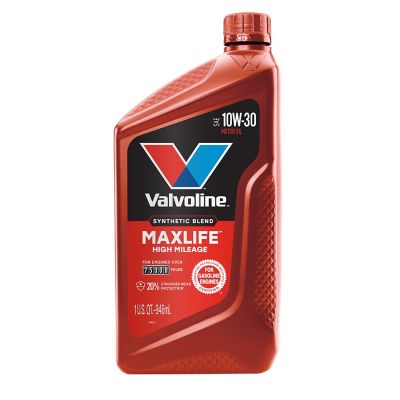
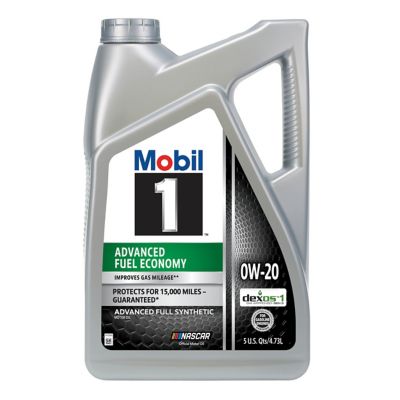
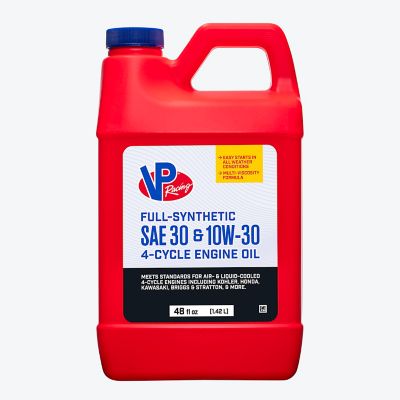
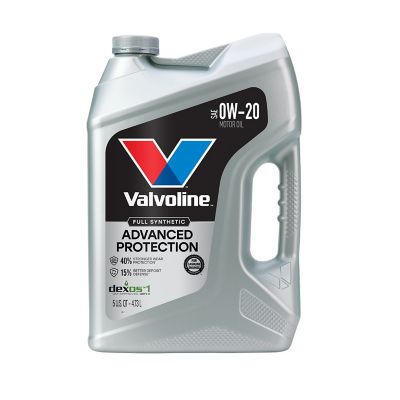
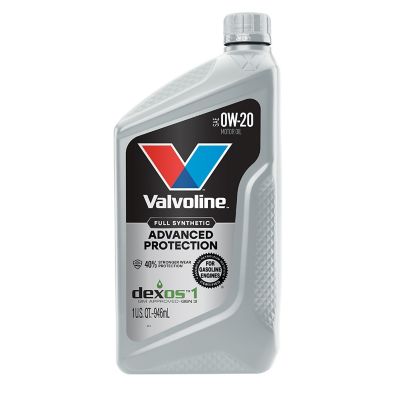
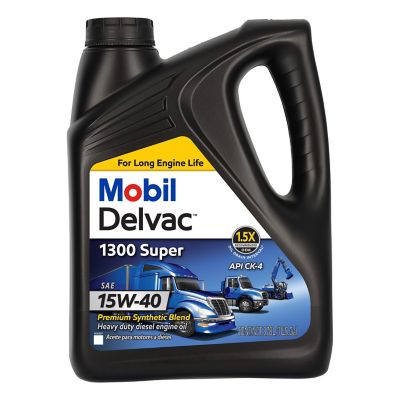
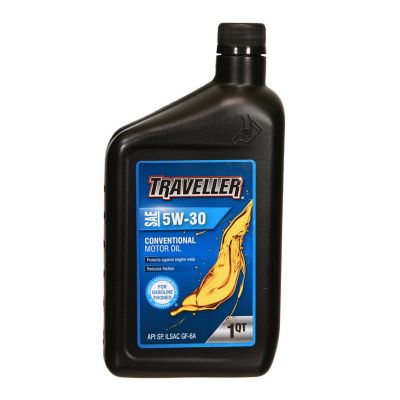
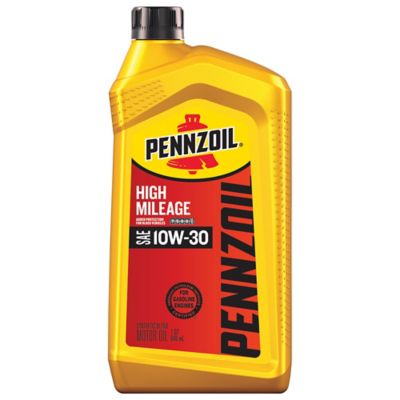
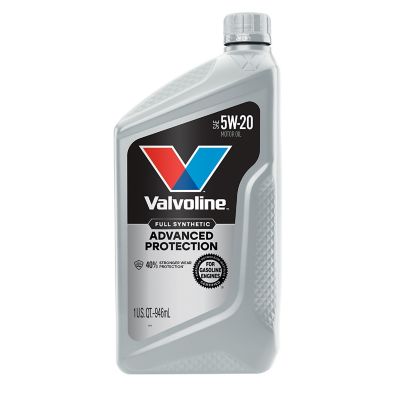
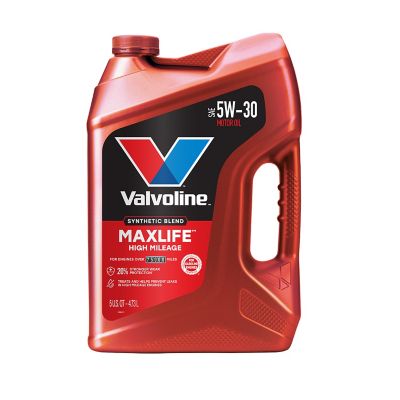
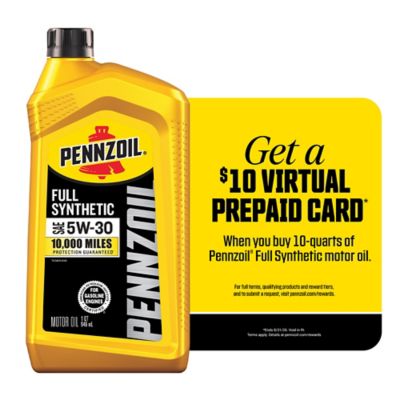
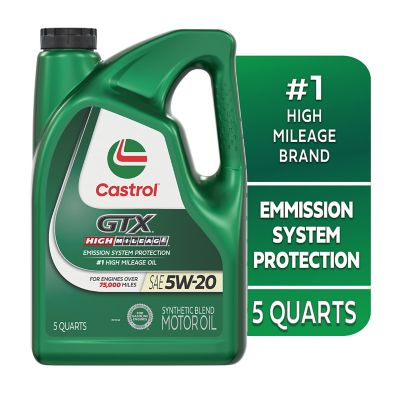
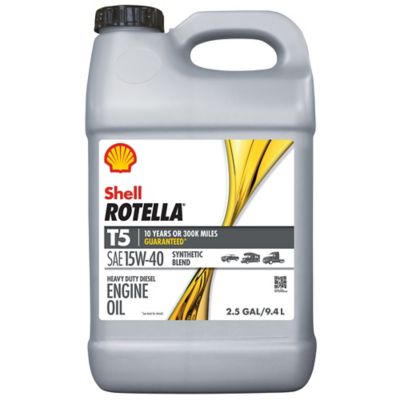
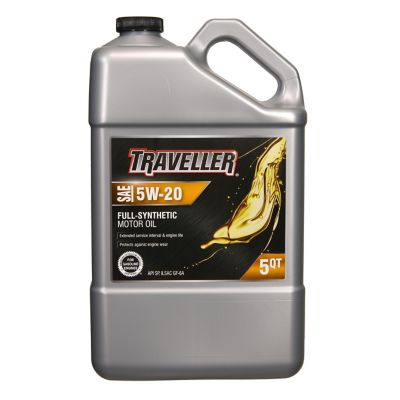
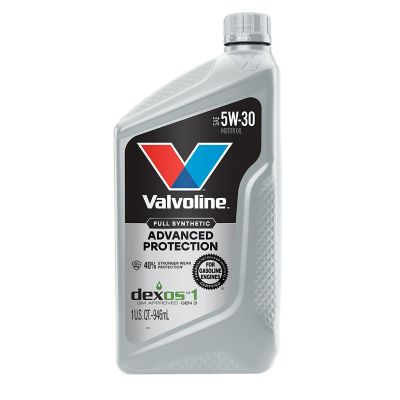
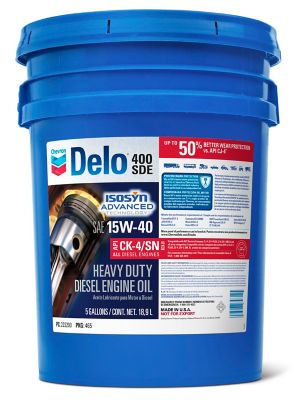
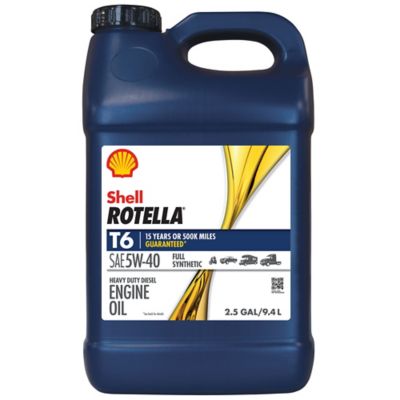
Engine oil keeps the moving parts inside an engine separated by a lubricating film, helping reduce friction and wear as pistons, bearings, camshafts, and other components do their work. It also carries heat away from internal parts, helps protect metal surfaces against corrosion, and holds contaminants in suspension so they can circulate toward the filter. For a pickup hauling fence posts, a tractor working pastures, or a mower making another pass around the barn, the right motor oil is part of keeping that engine ready for the next job. Engine oils combine base oils with additives that support cleanliness, wear protection, and resistance to oxidation. Conventional engine oil relies primarily on refined petroleum base oils and can suit engines whose specifications permit it. Synthetic blend oil combines conventional and synthetic base oils, with performance that depends on the formulation and the standards it meets. Full synthetic engine oil generally offers greater resistance to oxidation and breakdown than conventional formulations, though its suitability still comes down to the engine manufacturer’s requirements. None of these categories makes an oil the right fit by itself. The viscosity grade, service classification, and any required manufacturer approvals all matter, whether the engine belongs to a daily driver or equipment that spends its working hours out beyond the driveway. High-mileage engine oil is another category, typically formulated with additives intended to address concerns associated with accumulated engine wear, such as seal condition and deposits. It may make sense for some older vehicles when it meets the specified requirements, but it is not a repair for a leaking gasket, worn bearing, or engine that burns excessive oil. For folks maintaining several engines around a property, these distinctions help separate oils that look similar on the shelf but serve different needs. A small gas engine, a diesel work truck, and a passenger vehicle may each call for a different formulation, even when their oil containers show the same viscosity grade.
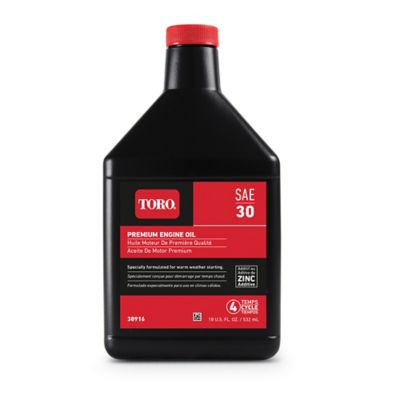
Viscosity describes an oil’s resistance to flow, and the SAE grade gives shoppers a standardized way to compare that characteristic. In a multigrade designation such as 5W-30, the number before the W relates to low-temperature cranking and pumping performance; the W stands for winter. The second number identifies the oil’s viscosity range at engine operating temperature. These numbers are grade designations, not a direct measurement of thickness or a promise that one oil protects every engine better than another. A lower first number does not automatically make an oil suitable, and a higher second number is not automatically better for towing, hard work, or an engine with plenty of miles on it. Engine clearances, oil-pump design, and systems that depend on controlled oil flow make the specified grade important. The owner’s manual is the starting point for both viscosity and performance requirements; an oil cap may show the grade without providing the full specification. Single-grade oils have a different designation and remain relevant for certain engines and equipment. For equipment whose manual calls for a straight SAE 30 grade,
SAE 30 Oil is a category worth considering alongside the required service classification. It is not interchangeable with every multigrade oil carrying a 30 in its name. API service categories and other recognized performance standards provide additional information about the applications an oil is designed to support. Gasoline and diesel engines can have different requirements, and diesel engines with exhaust aftertreatment may need formulations that help protect those systems. Some oils meet requirements for both gasoline and diesel service, but that compatibility should be stated on the label rather than assumed. Manufacturer approvals can narrow the choice further. Matching every required specification is more useful than choosing solely by oil type, vehicle age, or a familiar viscosity number. That matters particularly when one shed houses equipment from several generations, with different lubrication needs behind each dipstick.
Intended use also shapes the engine oil that belongs in the shop. A truck pulling a loaded trailer, a utility vehicle covering rough ground, and a mower running through tall grass can place different demands on their engines. Frequent idling, repeated short trips, towing, and dusty work may fall under a manufacturer’s severe-service maintenance schedule, which can call for shorter oil and filter change intervals. Full synthetic oil does not automatically extend those intervals, and a larger container does not change how much an engine should hold. Container size is mainly a matter of matching the engine’s fill capacity and the amount needed for routine maintenance. Smaller bottles can be easier to handle around a tight fill opening, while larger jugs can suit engines with greater oil capacity or several scheduled oil changes. Clear volume markings, secure caps, and a shape that pours comfortably are practical details when the fill neck sits behind a frame rail or beneath a hood brace. Small-engine oil deserves the same attention to specifications as oil for road vehicles. Four-stroke engines generally keep lubricating oil in a separate sump, while two-stroke engines may require a dedicated oil mixed with fuel or delivered through an injection system. Ordinary four-stroke engine oil is not a substitute for the specified two-stroke formulation. Likewise, engine oil should not stand in for hydraulic fluid, gear lubricant, or transmission fluid unless the equipment manufacturer explicitly calls for it. Care between oil changes matters, too: proper fill level supports lubrication, while overfilling can create problems such as oil aeration. Oil color alone does not establish whether a change is due, so service records, operating hours, mileage, and the maintenance schedule offer a better basis. Keeping containers tightly capped and protected from dirt and moisture helps preserve the oil before it reaches the engine. Clean funnels and clearly labeled containers also help prevent mix-ups in a busy farm shop. After maintenance, drained engine oil belongs in a suitable closed container for delivery to an appropriate collection or recycling location, never on the ground or down a drain. The goal is straightforward: oil that matches the engine, suits the work, and supports consistent care from one service interval to the next.