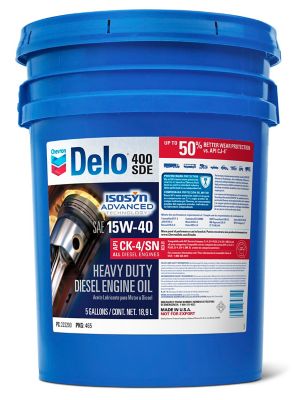
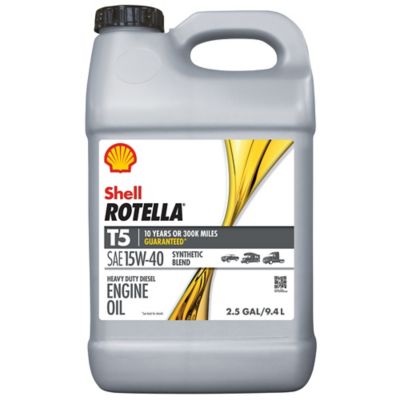
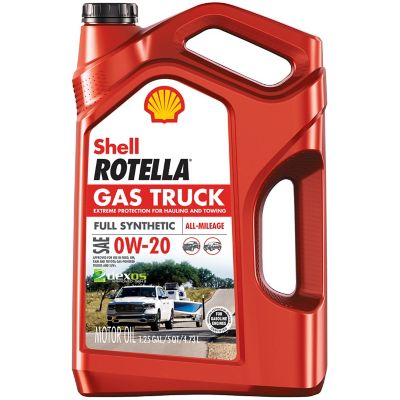
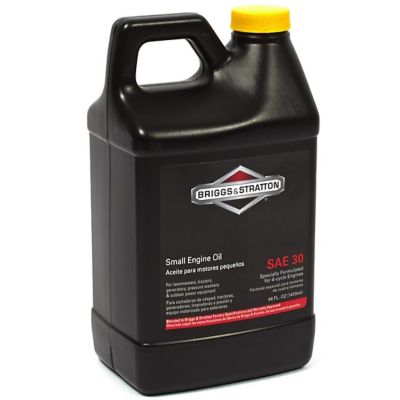
Diesel engine oil is a lubricant formulated to protect diesel engines from wear, manage soot and deposits, and hold up under heat and heavy loads. It keeps moving parts separated by a protective oil film while helping carry heat away from components and move contaminants toward the oil filter. That work matters whether an engine spends its day pulling a loaded trailer, powering a tractor or keeping a generator running out by the barn. Diesel combustion can introduce soot into the crankcase, and the oil’s dispersants help keep those fine particles suspended rather than letting them clump together. Detergents help control deposits and neutralize acids, while anti-wear additives protect surfaces where metal parts operate under considerable pressure. The balance of those ingredients matters more than any single additive claim. For farmers, ranchers, contractors and folks who handle their own truck maintenance, diesel motor oil is a regular shop supply with a direct connection to keeping equipment ready for work. A pickup that heads down a gravel lane before daylight may see cold starts, highway miles and a long pull uphill before it returns home. A chore tractor might run through repeated short trips with stretches of idling between jobs. Those operating patterns place different demands on the lubricant, even when both engines burn diesel fuel. Heavy-duty engine oil comes in several viscosity grades and formulations to meet those demands, but the right match starts with the engine manufacturer’s specifications. Engine age, operating temperatures, emissions equipment and workload all belong in the buying decision. Oil color alone does not tell the whole story: diesel oil can darken as it carries soot, so appearance is not a substitute for the recommended service schedule or oil analysis. Having the proper oil on the shelf makes routine maintenance easier to fit between feeding, hauling and the next job waiting at the gate, without turning every oil change into another trip to town.
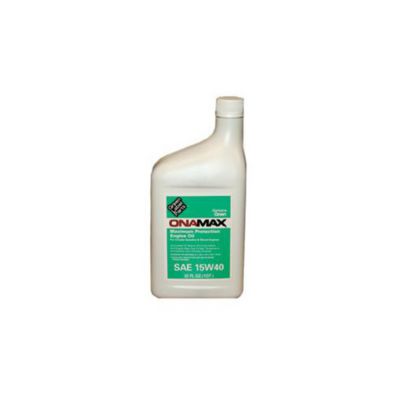
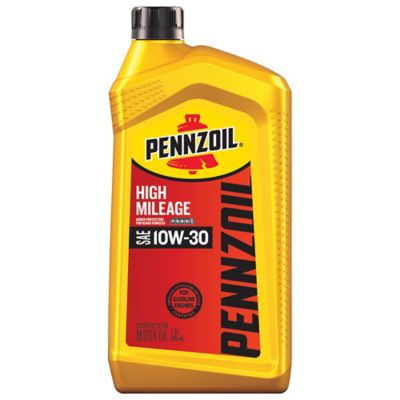
Viscosity describes an oil’s resistance to flow, and the numbers on the container help identify how it behaves at cold-start and operating temperatures. In a multigrade designation such as 15W-40, the number before the W represents a winter performance grade, while the second number represents a viscosity grade at high operating temperatures. Neither number is an outdoor temperature rating. A lower winter grade meets more demanding low-temperature cranking and pumping requirements, which can matter when equipment sits overnight in an unheated shed during the cooler months. The engine manual remains the deciding reference for the permitted grade and temperature range. For engines that call for this familiar heavy-duty viscosity,
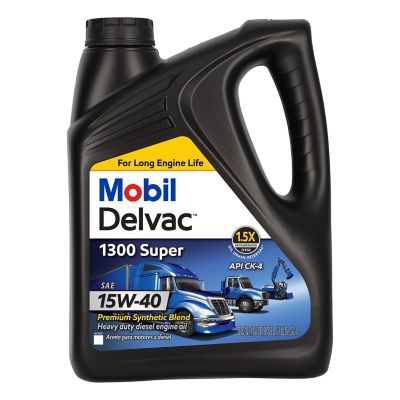
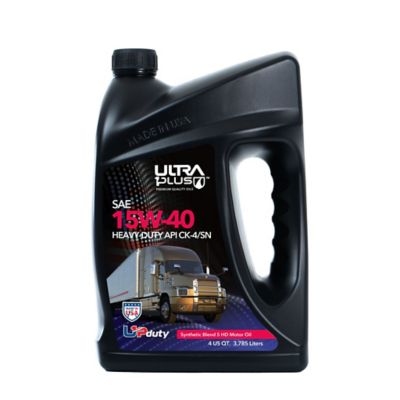
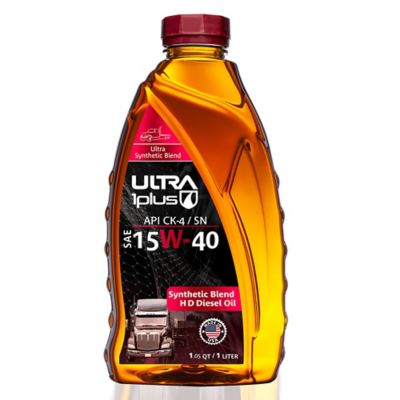
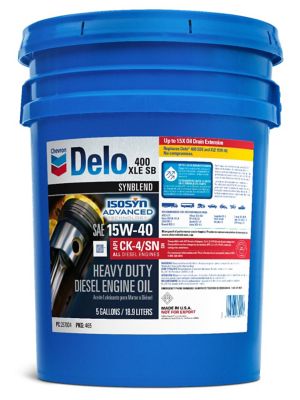
15w 40 Engine Oils provide a way to shop within that grade while checking the additional specifications each engine requires. That viscosity is not limited to older engines, and a lighter winter grade does not automatically make an oil suitable for newer emissions systems. Performance classifications and manufacturer approvals are just as important as viscosity. API CK-4 is a common diesel engine oil category designed for a broad range of four-stroke diesel applications, including many engines with exhaust aftertreatment. API FA-4 covers certain lower-high-temperature-viscosity oils intended for select engines and is not interchangeable with CK-4 unless the manufacturer permits it. Diesel particulate filters and other emissions components can require limits on sulfated ash, phosphorus and sulfur, making the specified oil chemistry an important part of the match. Conventional, synthetic blend and full synthetic diesel oils offer additional choices. Full synthetic formulations often offer advantages in cold-temperature flow and resistance to oxidation, but the word synthetic does not establish engine compatibility or authorize a longer drain interval. For turbocharged engines, the specified lubricant also has to support bearings exposed to substantial heat and speed. Matching the complete specification helps narrow the assortment without relying on a familiar bottle color, a viscosity alone or an assumption that one heavy-duty oil fits everything parked along the fence.
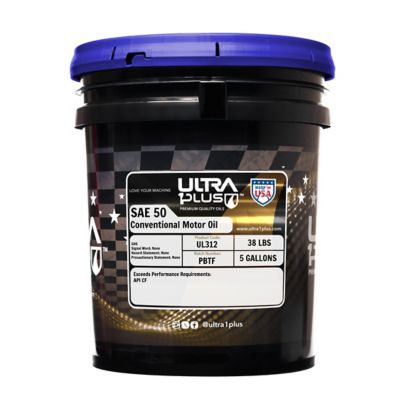
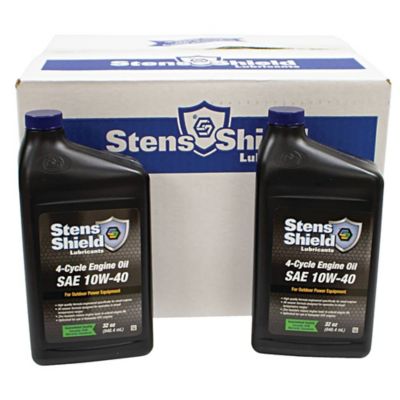
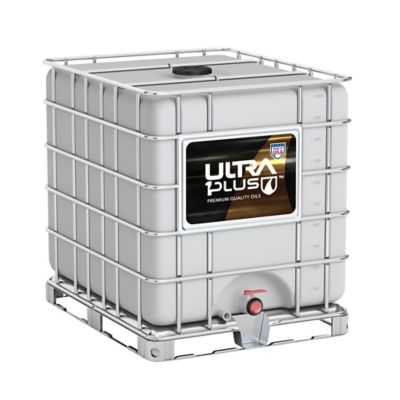
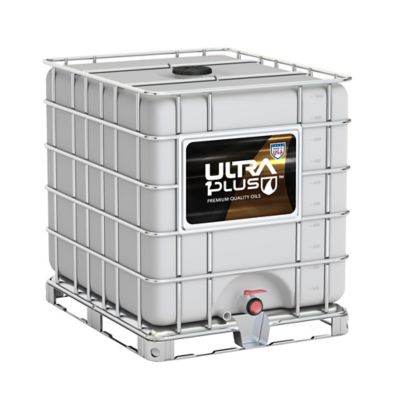
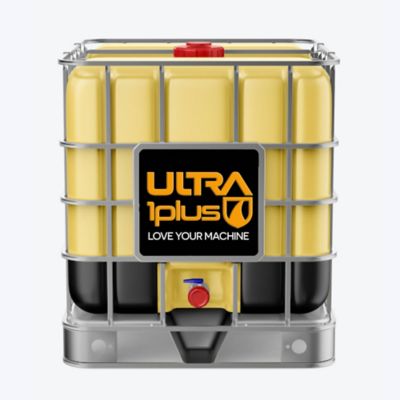
Container size and the way the equipment gets serviced also shape a practical diesel engine oil purchase. Someone maintaining one diesel pickup may want an amount close to a single oil change, along with a little extra for top-offs. A farm shop caring for several tractors, trucks and stationary engines may benefit from larger containers, provided each application calls for the same oil. Crankcase capacity varies widely, so checking the fill amount, including the filter change, helps prevent coming up short halfway through the job. A manageable container, a secure closure and a pouring setup that fits the workspace can make a difference when hands are cold and there is not much room around the fill opening. Store oil sealed in a clean, dry place, and keep funnels and transfer containers free of dirt and water. Dust from a shop floor has no business getting a free ride into an engine. For equipment that spends long stretches idling, towing near its limits or working in dusty conditions, the manufacturer’s severe-service schedule may apply. Some machines track maintenance by engine hours rather than mileage, which is especially relevant when a tractor works all afternoon without traveling far. Extended drain intervals should follow manufacturer guidance and, where appropriate, an oil-analysis program rather than a guess based on oil type. Oil analysis can help track wear metals, soot, fuel dilution and coolant contamination—conditions that may not be obvious at the dipstick. Fresh oil cannot correct a mechanical problem, and topping off does not replace a scheduled oil and filter change. The most useful purchase is the one that fits both the engine and the routine around it: the right specification, enough volume for the job and packaging that works in the shop. From hauling feed to tending fence lines, keeping suitable diesel engine oil on hand supports the everyday maintenance that helps working equipment stay ready when there is a full day ahead.