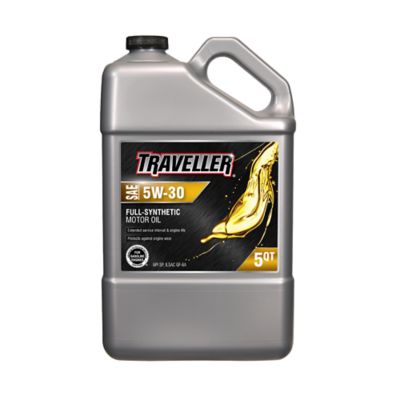
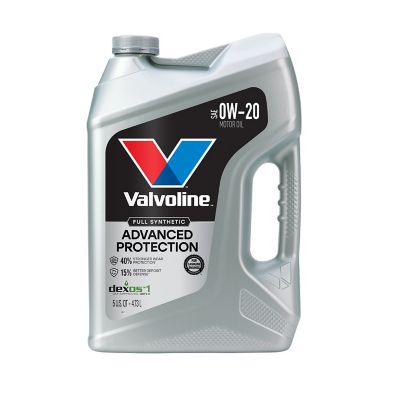
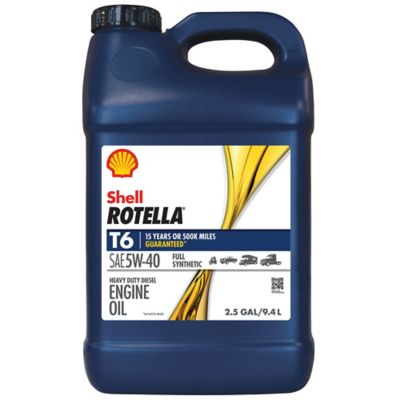
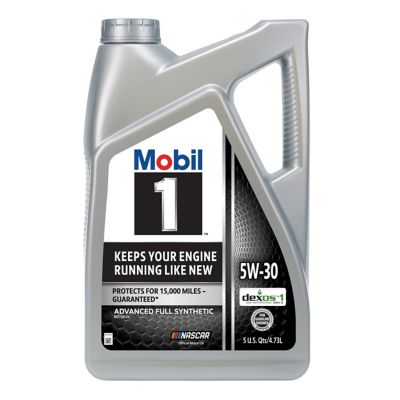
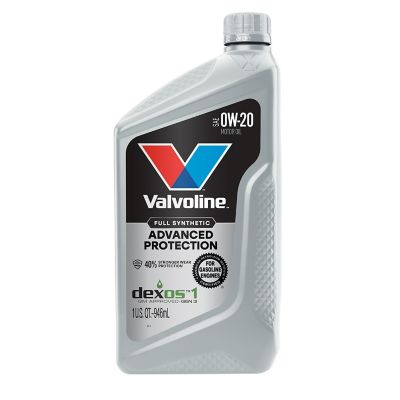
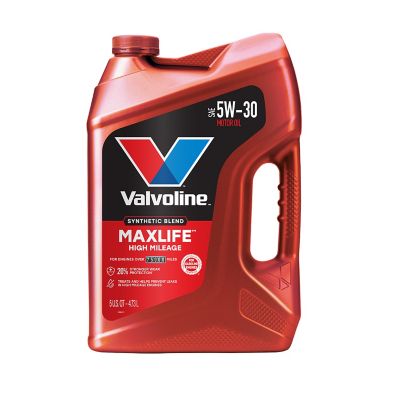
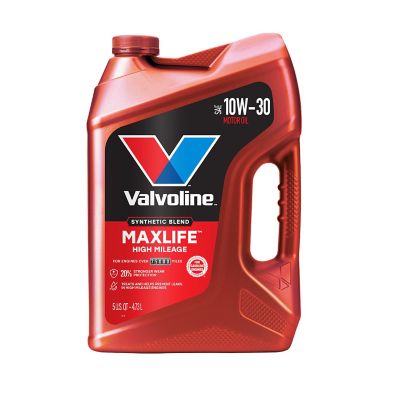
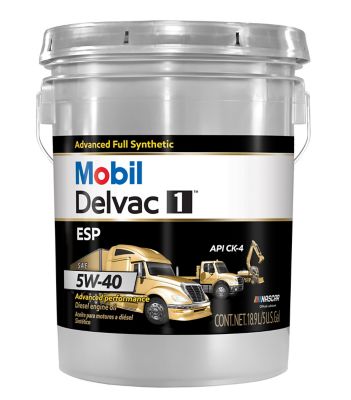
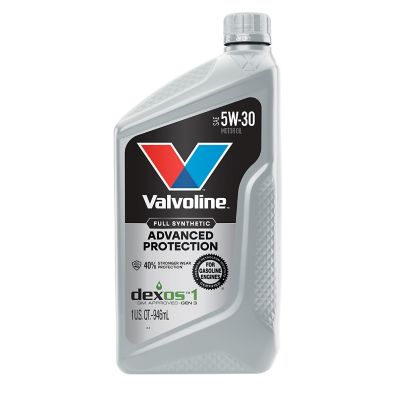
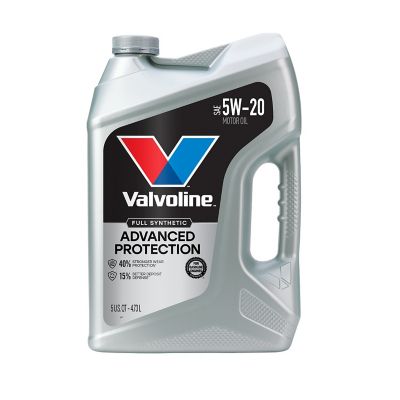
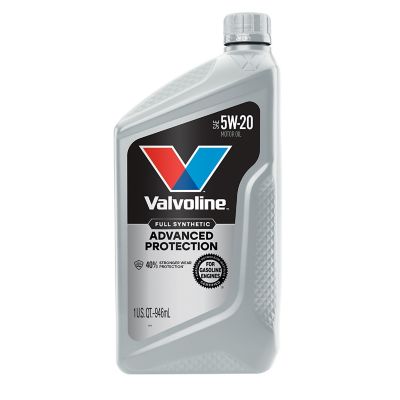
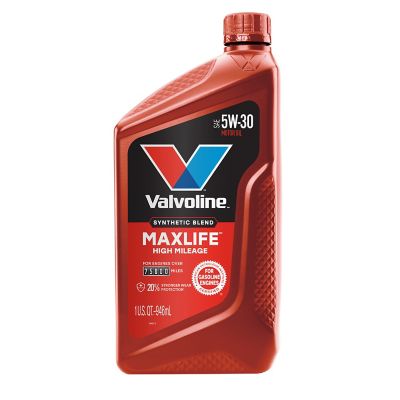
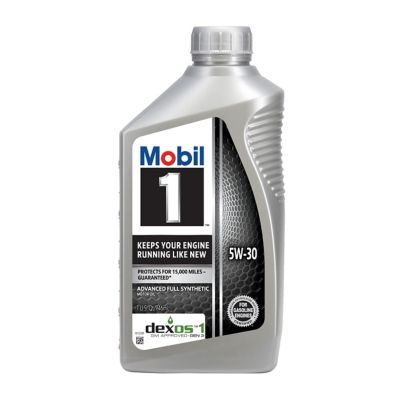
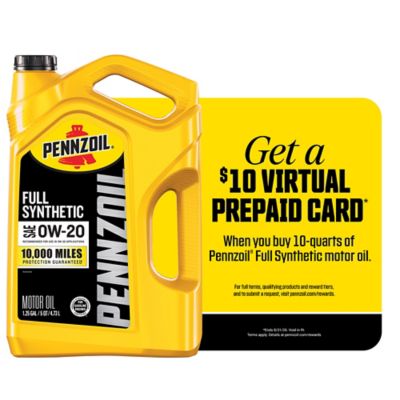
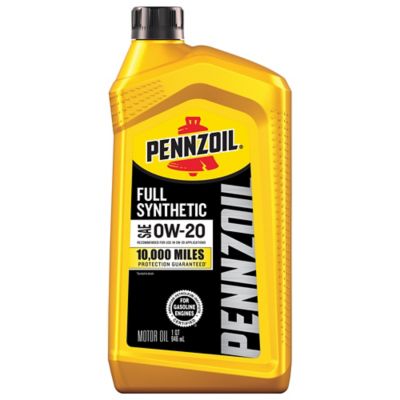
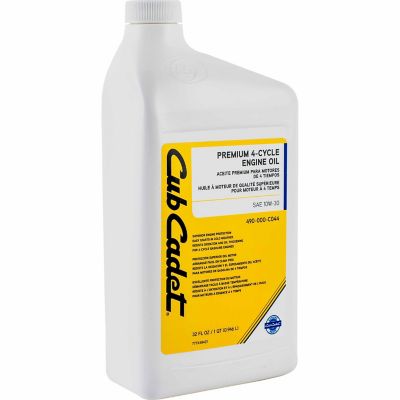
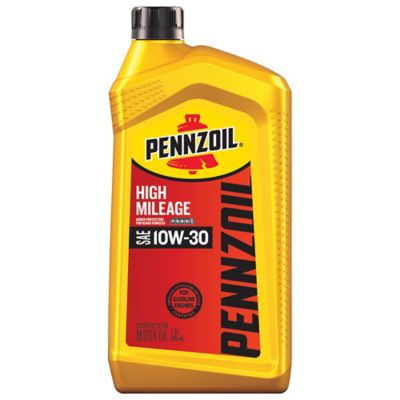
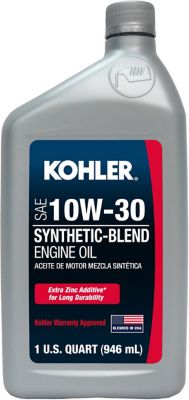
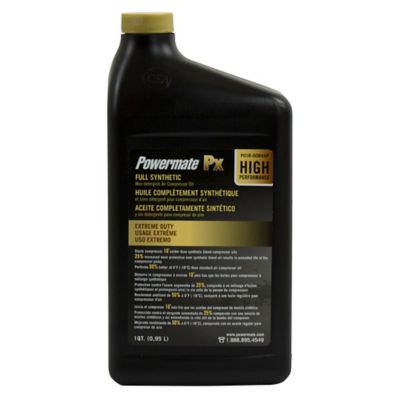
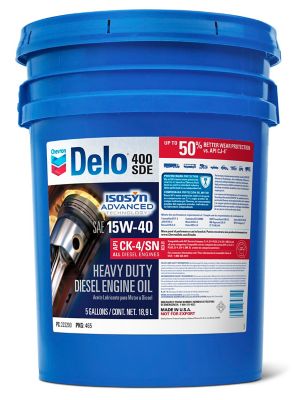
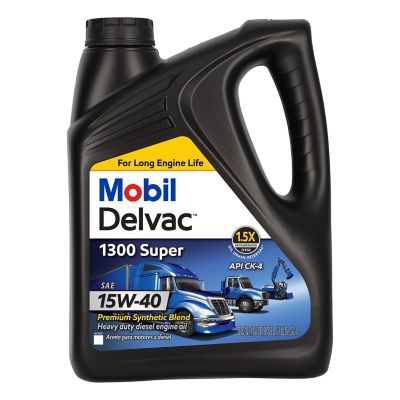
Synthetic engine oils are made with highly refined and engineered base oils designed to protect moving engine parts across a wide range of temperatures and working conditions. As the oil circulates, it forms a thin protective film between parts such as pistons, bearings, camshafts and other components that see constant friction, heat and pressure. Full synthetic oil generally flows more easily during cold starts and holds up well when an engine is working hard in hot weather, pulling a trailer or climbing a long grade. It is also formulated to resist oxidation, sludge and varnish, helping keep internal engine parts cleaner over time. That makes synthetic motor oil a practical choice for daily drivers, pickup trucks, SUVs, motorcycles and certain small engines or equipment when the owner's manual calls for it. Drivers who make frequent short trips, spend time in stop-and-go traffic, or run vehicles through big temperature swings may appreciate the added temperature stability. The same can be true for rural vehicles that idle while loading livestock, travel dusty gravel roads, haul feed or tools, or work through long stretches between towns. Synthetic oil usually costs more than conventional oil, but its performance and potential for longer service intervals can make it a worthwhile part of a regular maintenance routine. Always follow the vehicle or equipment manufacturer's oil-change schedule rather than stretching an interval based only on the word “synthetic,” since mileage, engine age, driving conditions and warranty requirements all matter.
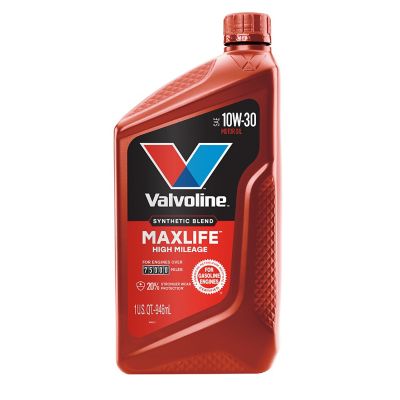
Choosing the right synthetic engine oil starts with the specifications in the owner's manual or service information. Oil viscosity is shown with a grade such as 0W-20, 5W-30 or 5W-40; the first number and “W” describe how the oil behaves in colder conditions, while the second number describes its thickness at operating temperature. A lower cold-weather rating can help oil move through the engine during a chilly start, but the correct grade is the one approved for that engine. Using a thicker or thinner oil simply because it seems better suited to the weather can affect lubrication, fuel economy or engine operation. Check the bottle for the required performance ratings and approvals, including gasoline or diesel classifications, and match those details to the manual. Some diesel engines require oil with specific heavy-duty ratings, while vehicles equipped with emissions-control systems may need a low-ash or emissions-compatible formulation. Older engines, high-mileage vehicles and turbocharged engines can have their own requirements, too. Full synthetic oil and synthetic blend oil are not the same thing; a blend combines synthetic and conventional base oils and may be a suitable choice when permitted by the manufacturer. You can compare those options on our
Synthetic Blend Oils page. It is also smart to confirm the engine's oil capacity, select a compatible oil filter and keep a funnel, drain pan, gloves and shop towels close at hand. A filter change is commonly performed with an oil change, but the maintenance schedule should have the final say. Before opening a container, make sure the seal is intact and the oil grade matches what you planned to use. Store unopened oil upright in a dry place away from extreme heat, and recycle used oil and filters through an approved collection site rather than pouring them on the ground or down a drain.
Synthetic engine oil can be a handy item to keep on the shelf for planned maintenance, especially for families with more than one vehicle or equipment that cannot afford much downtime. A spare jug may come in handy when a work truck is due for service before a long haul, when a generator needs attention before a stormy stretch, or when a compact tractor has put in extra hours moving mulch, clearing a driveway or tending the property. It can also make a useful gift for a hands-on driver, farmer, rancher, mechanic, outdoor enthusiast or do-it-yourselfer who takes pride in keeping machines ready for the next job. To make the gift more useful, pair the oil with a filter that matches the engine, a funnel, an oil-drain pan or a service log for recording the date, mileage and oil grade. During the cooler months, fresh oil of the proper viscosity can help an engine get lubricated smoothly after sitting overnight in an unheated garage or shed. As the weather warms and engines spend more time hauling, towing or working under load, synthetic formulations can help resist heat-related breakdown. Even so, oil is only one part of good engine care. Check the level on level ground, inspect for leaks, watch for warning lights and replace oil at the interval recommended for the vehicle or machine. If an engine has unusual noise, low oil pressure, smoke or repeated oil loss, maintenance should go beyond simply adding another quart. With the right specification, a fresh filter and a schedule suited to the way the engine is used, synthetic motor oil helps support dependable starts, cleaner operation and long-term protection for the equipment that keeps work and travel moving.