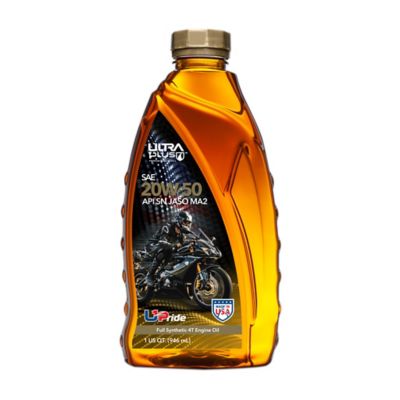
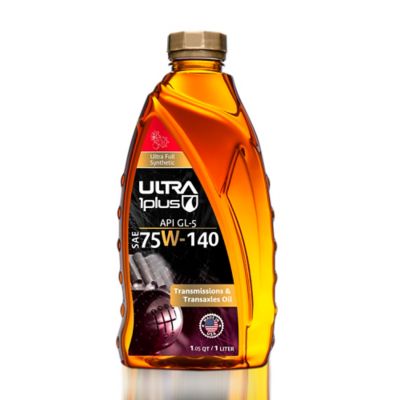
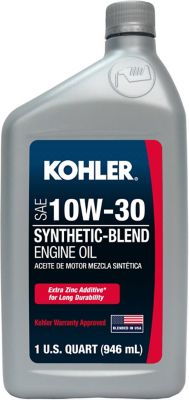
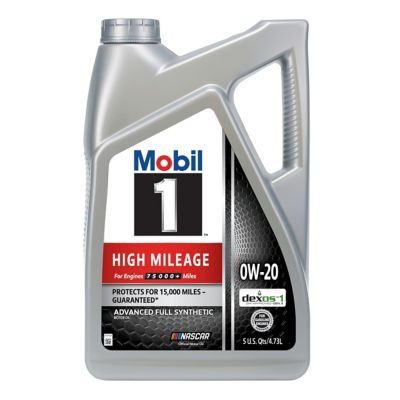
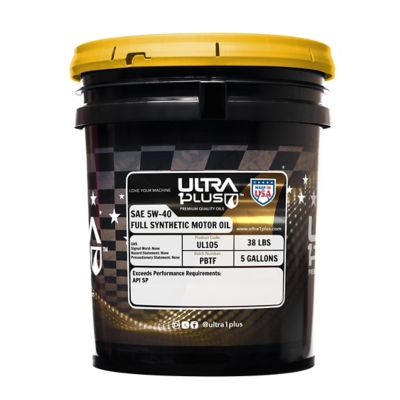
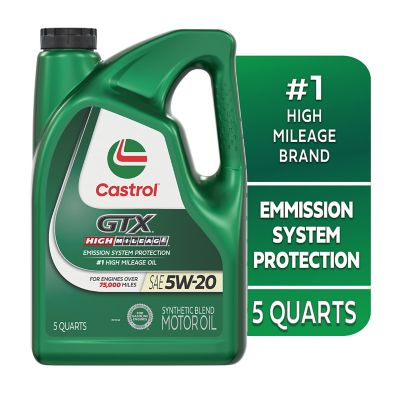
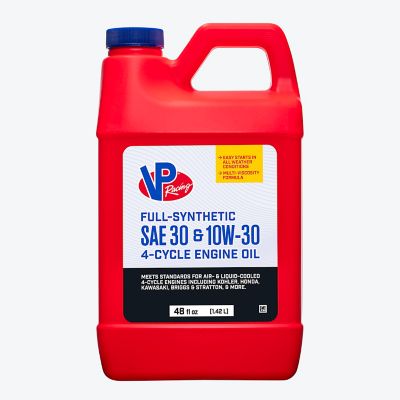
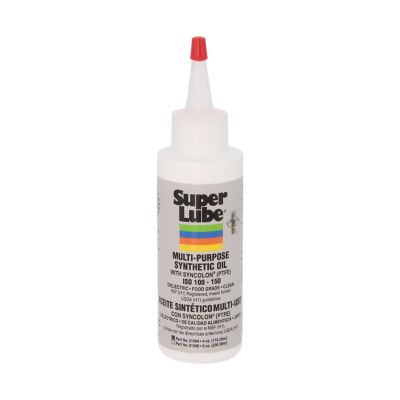
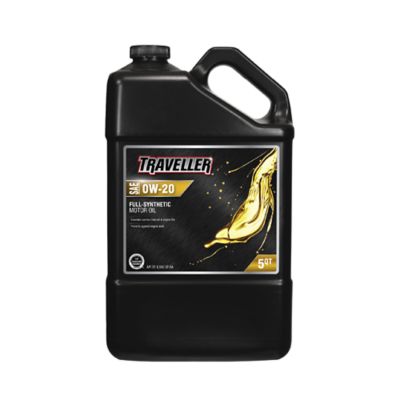
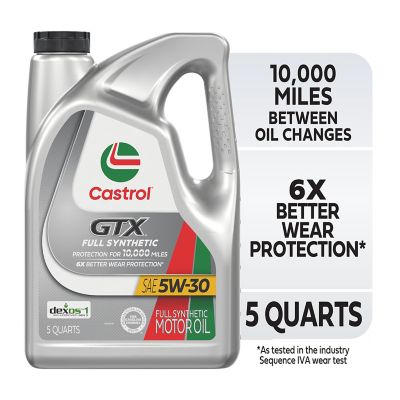
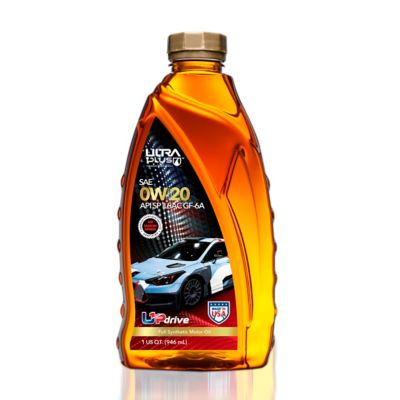
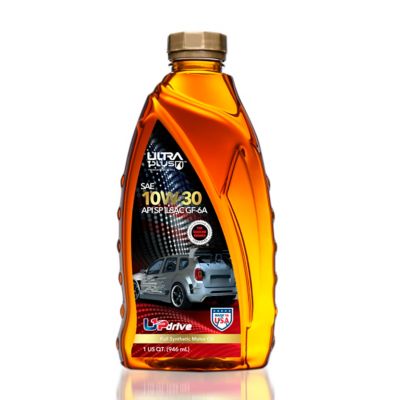
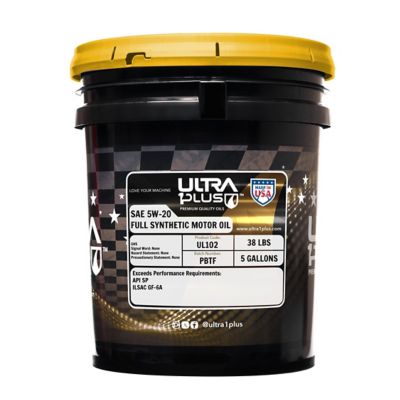
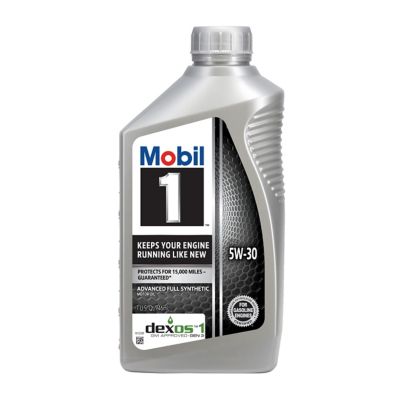
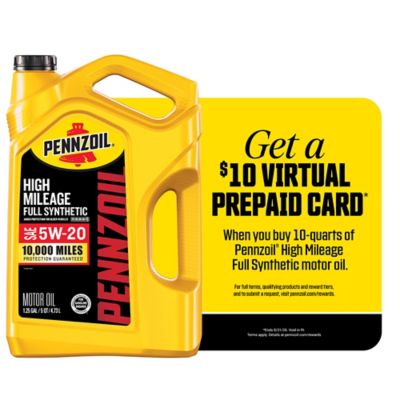
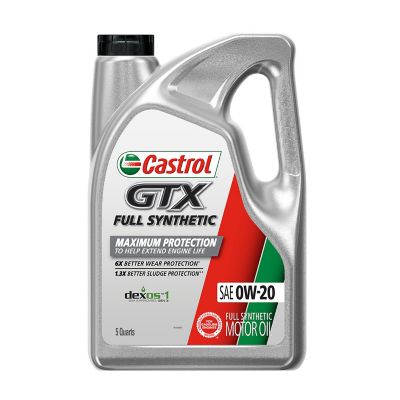
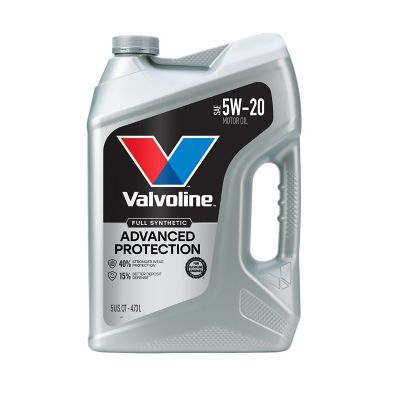
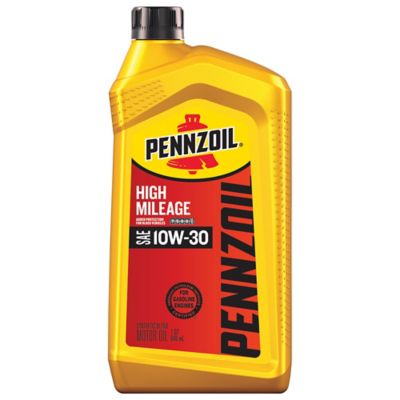
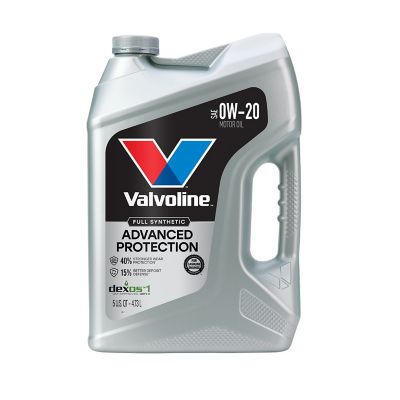
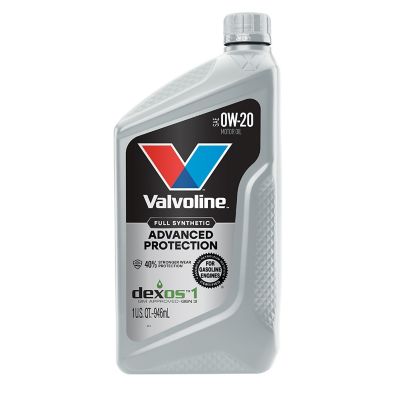
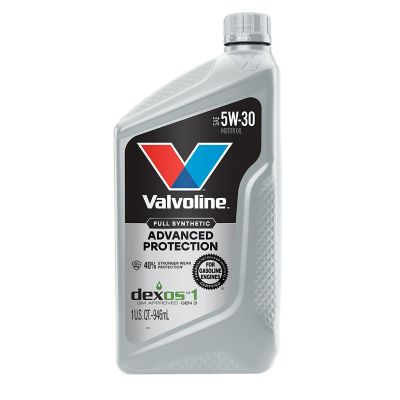
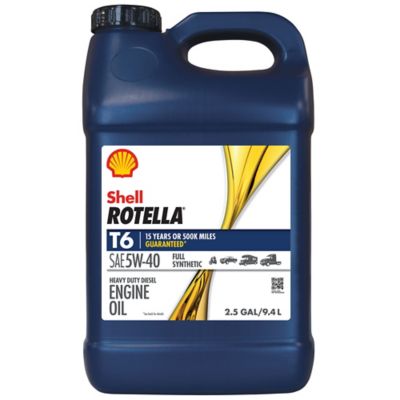
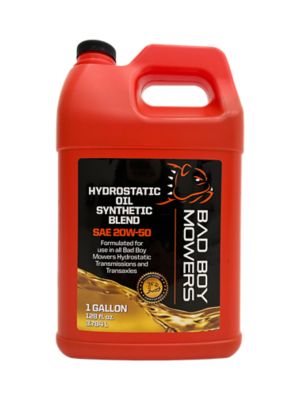
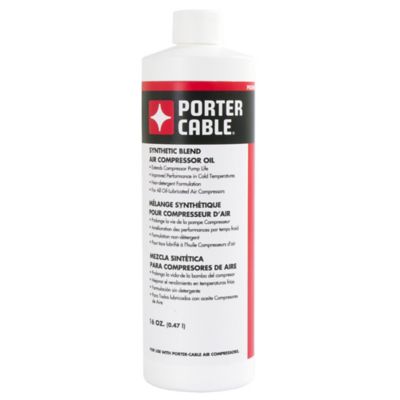
Synthetic oils are lubricants made with engineered base oils and performance additives to reduce friction, limit wear and help keep moving engine parts clean. Their base oils come from chemically processed petroleum or other raw materials, with properties tailored for demanding lubrication jobs. Compared with conventional motor oils that meet similar application requirements, synthetic formulations can offer greater resistance to oxidation, breakdown and deposit formation. That matters in the pickup hauling a trailer, the family vehicle making daily trips into town or an engine putting in long hours around the property. Motor oil forms a protective film between moving surfaces, carries contaminants toward the filter and helps move heat away from working parts. Additives support that work by controlling deposits, neutralizing acids and protecting against corrosion. The full formulation matters more than any single ingredient, so a synthetic label alone does not tell the whole story. Full synthetic motor oils rely on synthetic base oils, while synthetic blends combine conventional and synthetic base oils. Both categories include formulations for different engines, service requirements and operating demands. A full synthetic formula may be a good match for an engine whose manufacturer requires it, while another engine may permit several oil types that meet its specifications. Synthetic oil is not reserved for new vehicles, either. Many older engines can run on it when the viscosity and performance specifications match the manufacturer’s recommendations and the engine is in sound mechanical condition. Mileage, workload, oil consumption and maintenance history all help shape that choice. High-mileage formulations may include additives intended to support seal condition and address concerns common in engines with more miles behind them, but oil cannot repair worn bearings, damaged seals or other mechanical problems. Whether the engine spends its day on the highway or traveling between the barn and the back pasture, the goal stays the same: lubrication matched to the job, without expecting one formula to suit every machine.
Choosing synthetic motor oil comes down to fit just as much as choosing a replacement belt or filter. The viscosity grade, engine specifications and required approvals need to line up with the owner’s manual. Numbers such as 5W-30 and 10W-30 describe viscosity characteristics, not overall performance rankings, and a higher number is not automatically better for an engine working hard. An oil that is too thick or too thin for the application can affect circulation, oil pressure and the operation of systems designed around a particular grade. American Petroleum Institute service categories and other performance standards help identify the engine requirements a formulation meets. Some manufacturers also call for their own approvals, which should appear in the oil’s labeling or supporting information. Matching viscosity without checking those requirements leaves part of the job unfinished. Gasoline and diesel engines can have different lubrication needs, especially when emissions equipment is involved. Diesel formulations may need to manage soot and support the operation of exhaust aftertreatment systems, while gasoline formulations may address concerns such as timing-chain wear or low-speed pre-ignition in certain engines. An oil labeled for one application should not be assumed suitable for another. The same caution applies around the equipment shed: engine oil, gear oil, hydraulic fluid and transmission fluid have different jobs, even when each is available in a synthetic formulation. Small engines, motorcycles and equipment with shared engine and transmission lubrication may have additional requirements, including compatibility with wet clutches where applicable. For a comparison within motor oils,
Synthetic Blend Oils brings together the related category that combines conventional and synthetic base oils. Neither category name replaces the details on the container. Clear labeling, the correct viscosity and the required performance claims make it easier to match the lubricant to a particular engine rather than choosing by a broad description alone.
Synthetic oil can support long service life, but the oil-change schedule still belongs to the engine manufacturer’s recommendations and the conditions of operation. There is no single mileage interval that fits every synthetic formula, vehicle or piece of equipment. A truck that pulls a loaded trailer, an engine that idles for extended periods and a vehicle making repeated short trips may fall under a severe-service schedule. Equipment tracked by operating hours needs attention to hour-based intervals rather than mileage alone. Dusty work around gravel lanes, feed lots and fields also makes air filtration and routine maintenance important, since engine oil cannot make up for a neglected air filter. Where an oil-life monitoring system is fitted, its recommendations work alongside the owner’s manual, including any maximum time interval. A claim on an oil container does not override those requirements. Regular level checks remain part of caring for an engine between changes, because even the right synthetic oil offers less protection when the level drops below the specified range. Topping off calls for a compatible lubricant, and unexplained consumption or a fresh puddle under the truck deserves attention rather than repeated refills alone. Container size matters for maintenance planning, too. The engine’s refill capacity, including the amount needed with a filter change, helps determine how much oil belongs on the workbench. Keeping caps tight and containers clean reduces the chance of dirt or moisture entering the oil before it reaches the engine. Clearly labeled containers also help prevent mix-ups when several machines share the same shed. After an oil change, drained oil belongs in a suitable sealed container for recycling through a collection location that accepts it, separate from coolant, fuel and solvents. Good lubrication is a combination of the right formulation and steady upkeep. Synthetic oils fit that routine by offering application-specific protection for engines that handle everyday miles, hauling chores and the work that keeps a place running.