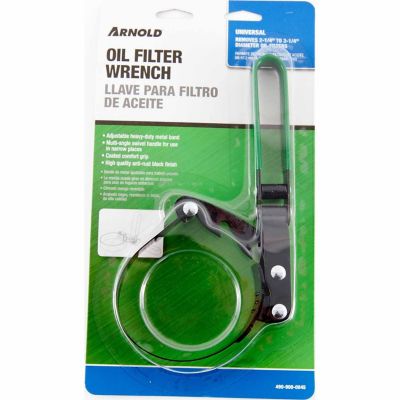
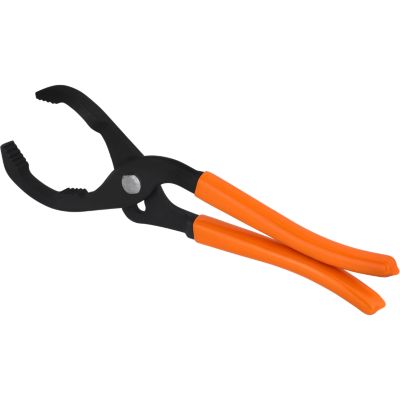
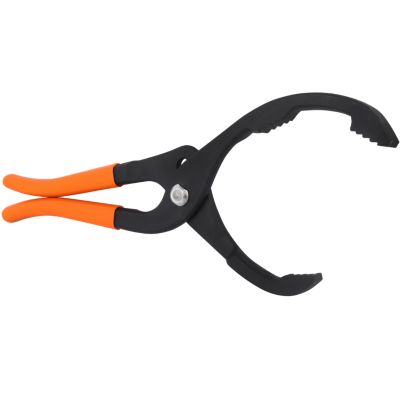
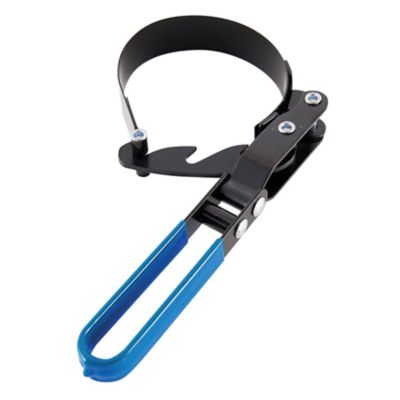
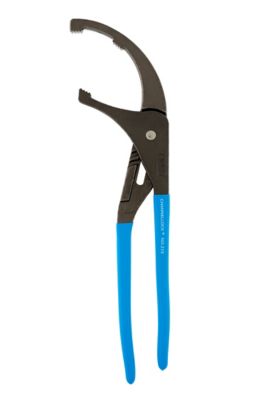
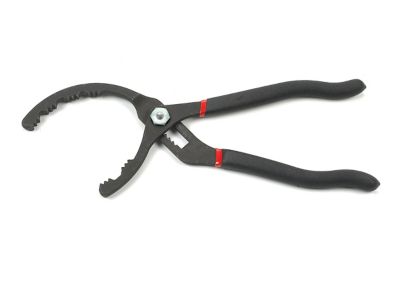
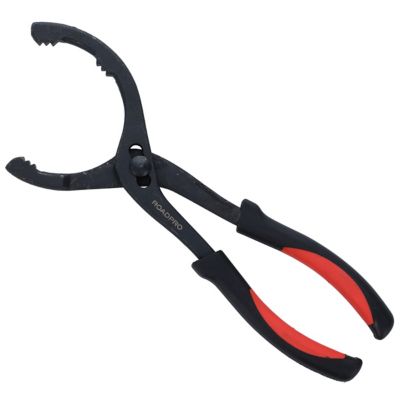
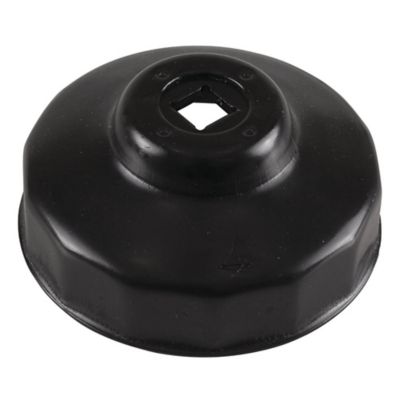
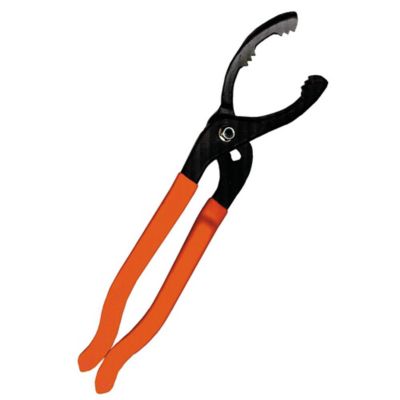
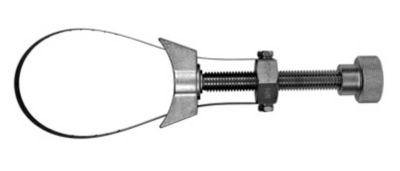
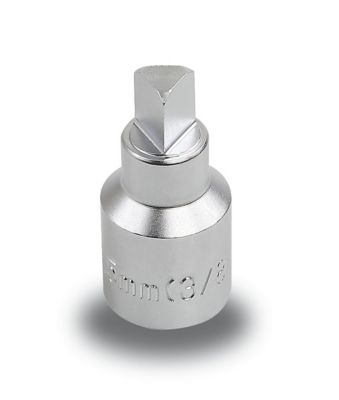
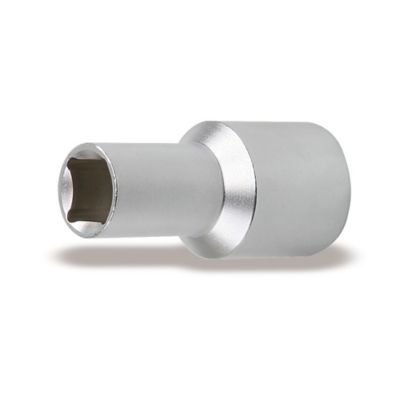
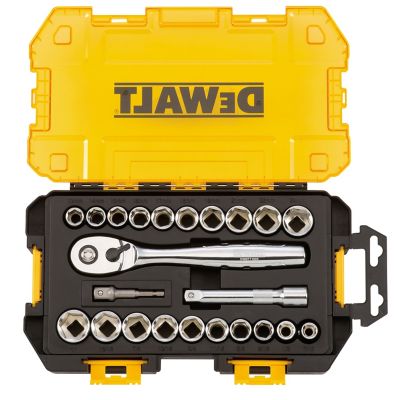
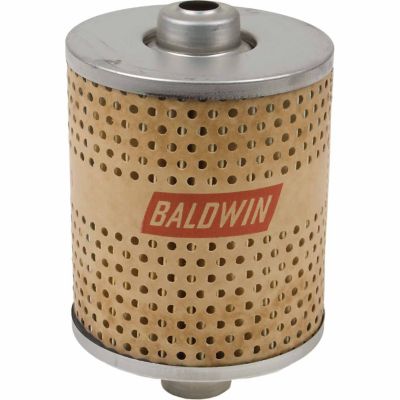
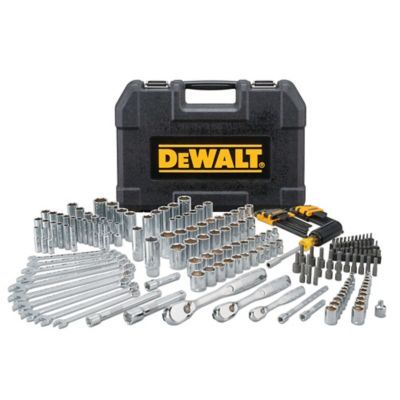
Oil change tools include drain pans, oil filter wrenches, sockets, ratchets, torque wrenches, funnels, and protective gear, along with suitable lifting and support equipment when access beneath a vehicle is necessary. Together, these tools help handle the main parts of routine engine oil service: reaching the drain plug and filter, collecting drained oil, and adding fresh oil without leaving a mess across the shop floor. They belong in home garages, farm shops, and working service bays, whether the job involves a pickup, a tractor, a utility vehicle, or a mower. The right setup depends on the engine and the space around it, not just the size of the machine. Manufacturer information is the starting point for oil capacity, filter requirements, drain plug size, and tightening specifications. Metric and SAE sockets are not interchangeable, and a close fit is no substitute for the correct size on a drain plug that may already have worn edges. A six-point socket grips the flats of a matching hex fastener, while different socket depths and ratchet lengths accommodate recessed plugs and tighter spaces. Oil filter tools have their own fit considerations. Cap-style wrenches match particular filter dimensions and flute patterns, while band, strap, and plier-style tools suit different filter diameters and access points. Clearance matters as much as gripping range; a wrench that fits the filter still needs room to turn beside a frame rail or engine component. Cartridge filter housings may call for a matching socket rather than a tool meant for a spin-on filter. A torque wrench with a suitable measurement range supports tightening to the engine manufacturer’s specification instead of relying on feel alone. Drain plugs and filter housings can have very different requirements, so one setting does not cover every connection. Replacement sealing washers and filter seals also need to match the application, with tightening and lubrication requirements determined by the manufacturer rather than by habit.
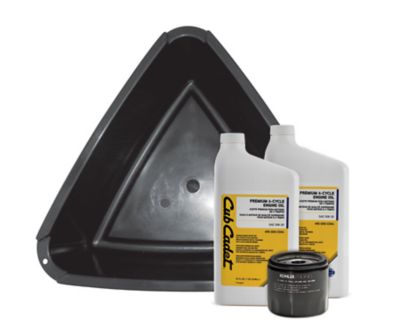
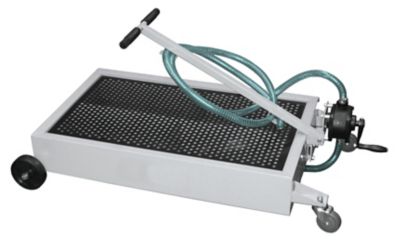
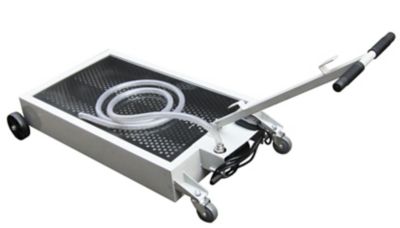
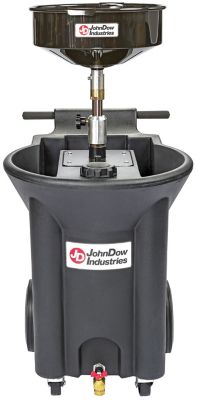
Containing the oil is just as important as getting the plug loose. An oil drain pan needs enough working capacity for the engine’s full oil volume, plus room to move without sloshing oil over the edge. A shallow profile can help beneath low-clearance vehicles, while a broad catch area gives a moving drain stream more room to land. That matters on a pickup where oil may initially flow well beyond the drain opening, or on equipment with a filter positioned away from the oil pan. Pan dimensions, handle placement, and pouring spouts all affect how manageable the container feels once it is full. Open pans provide a broad collection area; enclosed drain containers can make transport and storage less messy when their caps and seals are properly secured. Oil-compatible plastics offer lighter handling and resist rust, while metal pans bring a different balance of weight and resistance to bumps around the shop. Either material benefits from regular checks for cracks, damaged seams, worn threads, or leaking closures. Funnels deserve the same attention to fit. A wide mouth can make pouring easier, but the outlet must suit the fill opening, and the neck needs enough reach to clear nearby parts. Flexible spouts can help around obstructions, provided their materials are compatible with engine oil. Keeping funnels and fresh-oil containers separate from drain equipment helps keep grit and leftover fluids out of the engine. Clean storage matters, too: an uncovered funnel on a dusty workbench can collect the very debris the oil system needs to avoid. Shop towels, oil-compatible gloves, safety glasses, and absorbent materials round out the containment side of the job. Gloves need suitable resistance to petroleum products, and eye protection matters around splashes beneath an engine. Drained oil belongs in a closed, suitable container for an authorized collection or recycling location, separate from coolant, fuel, and other fluids. Local collection requirements determine which containers are accepted.
Access and workspace layout help determine which oil change tools make sense for a particular garage or farm shop. A compact mower may have a drain arrangement reachable from beside the machine, while a truck can require work underneath. Vehicle weight, ground clearance, designated lifting points, and the location of the filter all shape equipment selection. Floor jacks, jack stands, ramps, and wheel chocks have different jobs, and their ratings and operating instructions matter. A jack lifts a vehicle; it is not a substitute for properly positioned supports. Work beneath a vehicle calls for a firm, level surface and support equipment appropriate for the vehicle and the job, with wheel movement controlled according to the equipment and vehicle instructions. Extra clearance also needs to leave room for the drain pan, the tool handle, and the person doing the work without crowding a support point. A creeper can make movement easier on a smooth floor, but its height reduces available space underneath. Good task lighting helps reveal the drain plug, filter housing, and fresh leaks without forcing an awkward reach. For someone maintaining several machines, organized sockets, clearly marked container capacities, and filter tools matched to each application can save a lot of searching through drawers. The
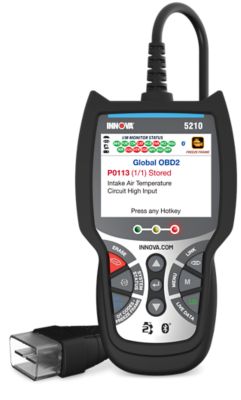
Tool For Mechanic collection can help round out a setup for oil service and other routine shop work. Long-term tool care comes down to practical habits: wiping away oil, inspecting gripping surfaces, keeping ratchets free of packed dirt, and storing torque wrenches according to their instructions. Cracked handles, damaged sockets, and worn filter-tool teeth deserve attention before the next job. A well-matched assortment does not have to fill every drawer in the barn. It needs to fit the equipment being maintained, leave enough room to work safely, and keep fresh oil, drained oil, and the work area separate from start to finish.