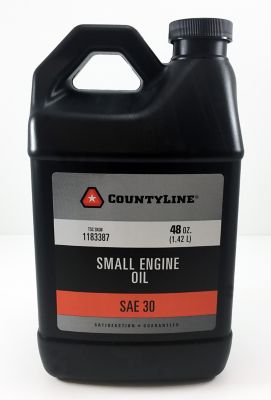
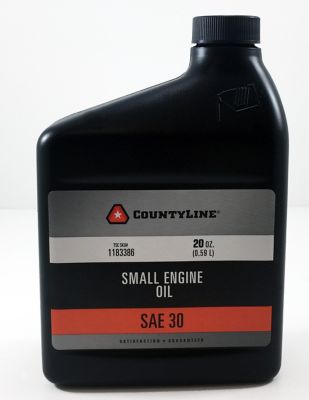
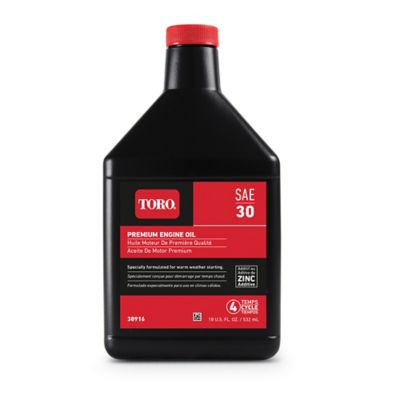
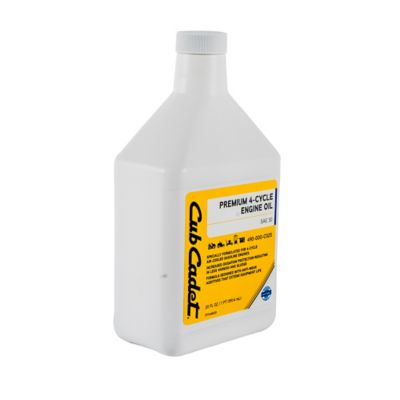
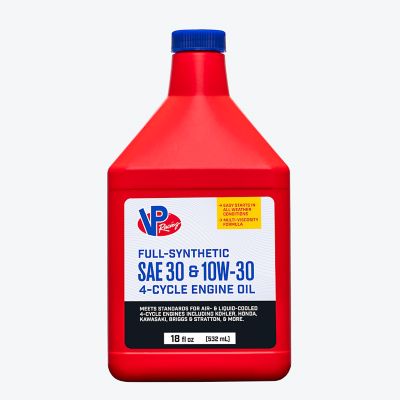
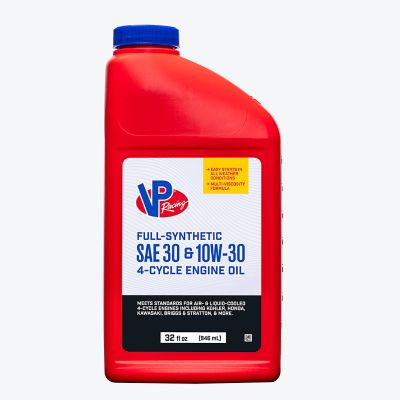
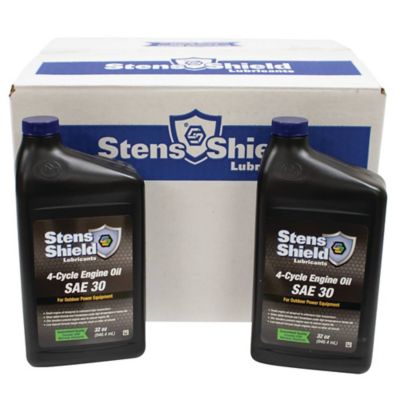
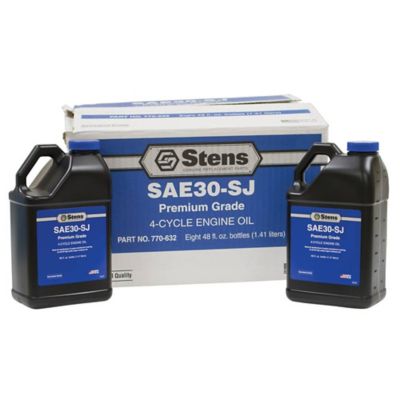
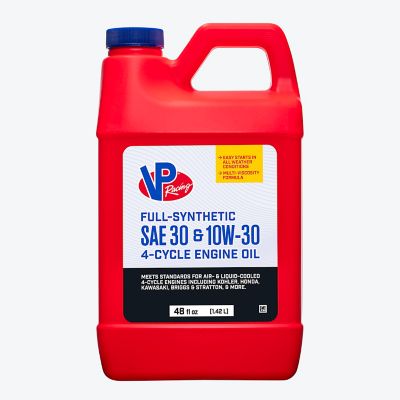
SAE 30 oil is a single-grade, or straight-weight, lubricant with an SAE 30 viscosity rating at specified high-temperature test conditions. It is commonly specified for certain four-cycle lawn mower engines, tillers, generators, and other small engines, along with some stationary equipment. The right match depends on the equipment manufacturer’s requirements, not simply the size of the engine or the job ahead. For a push mower working along a fence line or a tiller breaking ground behind the barn, engine oil helps maintain a lubricating film between moving metal parts, carry heat away from internal surfaces, and limit wear. The number 30 describes a viscosity grade; it does not identify the oil’s ingredients, service classification, or suitability for every engine. Straight-weight oil still gets thinner as it heats up and thicker as it cools. Unlike a multigrade such as 10W-30, SAE 30 does not carry a W-rated low-temperature classification, so starting conditions matter when deciding whether it fits an application. Both SAE 30 and 10W-30 fall within the SAE 30 viscosity range at the specified high-temperature test point, but that does not make every formula interchangeable. The engine manual’s viscosity chart and service requirements remain the deciding factors. The same distinction matters when comparing SAE 30 with
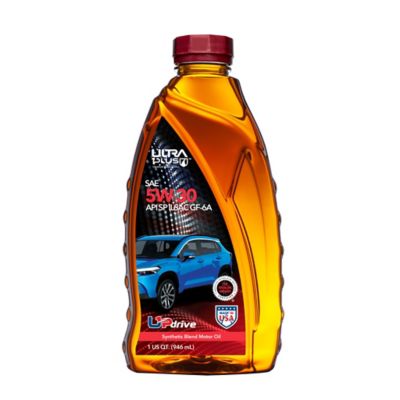
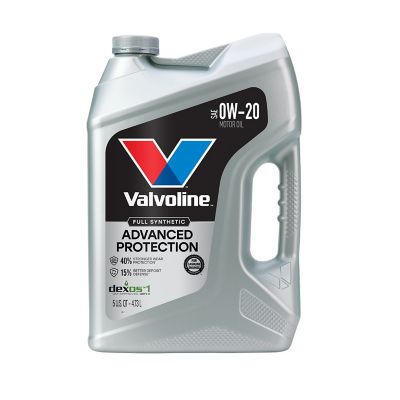
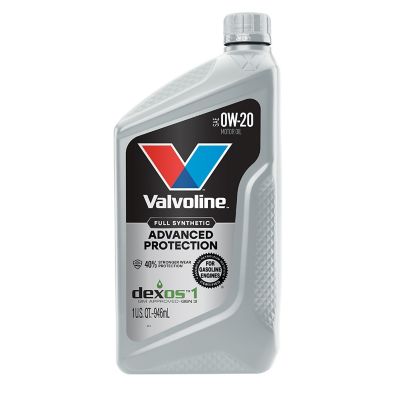
0w 20 Oil, which has a different operating-temperature viscosity grade and its own low-temperature rating. A lower number is not automatically better, and a thicker oil is not automatically more protective. For acreage owners, grounds crews, and folks keeping equipment running around a small farm, matching the full specification helps narrow the choice without guessing from bottle color or familiar lettering. An oil that suits one machine in the shed may not belong in the next, even when both engines look much alike. That is especially important when several machines share a maintenance shelf but have different lubrication requirements.
SAE 30 engine oil can differ in base oil composition and additive package, even when the viscosity grade matches. Conventional and synthetic formulations should be evaluated against the same equipment requirements rather than treated as automatic substitutes. Depending on the formula, additives may help control oxidation, limit foaming, protect against corrosion, and reduce wear at heavily loaded contact points. Detergent and dispersant additives help manage deposits and keep contaminants suspended so they can leave with an oil change or be captured by a filter, where one is present. A detergent oil and a non-detergent oil therefore serve different needs; matching the SAE number alone is not enough. Non-detergent SAE 30 may be specified for certain compressors or older equipment, but it is not a general replacement for an engine oil that calls for detergent additives. Likewise, an engine oil is not automatically suitable for a compressor just because both manuals mention SAE 30. Compressor lubrication can involve separate requirements for deposits, oxidation resistance, and other operating characteristics. The absence of an engine oil filter also does not, by itself, establish that non-detergent oil is appropriate. Label details such as the intended application, API service category where applicable, and stated manufacturer specifications offer a fuller picture than viscosity alone. For equipment with an older engine, the original requirements and any updated manufacturer recommendations are more useful than broad claims about oils for older machinery. Four-cycle engine oil also belongs in the lubrication system described by the manual; it should not stand in for two-cycle oil blended with gasoline when a two-cycle engine requires that mixture. On equipment with a separate engine and pump, those components may need entirely different lubricants. Keeping those distinctions straight helps protect the crankshaft, bearings, piston assembly, and other working parts without treating one bottle as an all-purpose answer. Oil selection is about the needs inside the housing, whether the machine spends its day cutting grass, supplying backup power, or driving a shop compressor.
Container size and handling details matter once the oil specification is settled. Small engines often hold much less oil than a vehicle engine, and the listed capacity may differ depending on whether a filter is changed or how completely the crankcase drains. A manageable container, a spout that works with the fill opening, and clear measurement markings can make servicing less messy around mower decks, engine guards, and narrow access panels. Capacity figures provide a starting point, while the manufacturer’s level-checking procedure determines the final fill. Some dipsticks are checked resting on the threads and others fully seated, so a familiar habit from one machine may give the wrong reading on another. Too little oil can leave moving parts without enough lubrication; too much can cause foaming, smoke, or other operating trouble. Regular level checks are especially useful on equipment that runs for long stretches, but topping off does not replace scheduled oil changes. Long run times, dusty work, and heavy loads can affect maintenance intervals, making the engine’s service schedule more helpful than a one-size-fits-all calendar reminder. Oil also cannot correct a leaking seal, excessive oil consumption, or an internal mechanical problem. For the maintenance shelf, tightly closed containers help keep dirt and moisture away from the lubricant, while readable original labels reduce mix-ups between engine oil, pump oil, and fuel additives. Storage conditions and shelf-life guidance should follow the oil manufacturer’s recommendations. Clean funnels and fill areas help prevent grit from entering the crankcase during a routine refill. Drained oil belongs in a suitable closed container for recycling through a participating collection facility, separate from antifreeze, solvents, and other fluids. With the proper viscosity, application specifications, and sensible handling, SAE 30 oil can fit neatly into the regular upkeep of equipment that earns its place around the property. The goal is straightforward: the lubricant the machine calls for, at the proper level, with maintenance that keeps pace with the work.