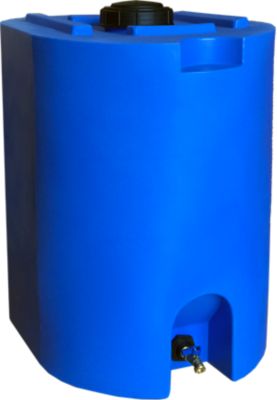
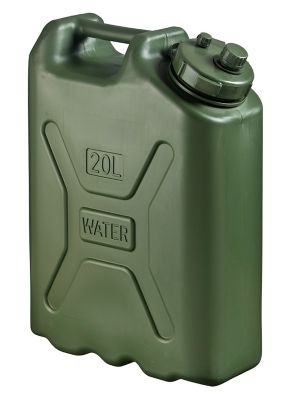
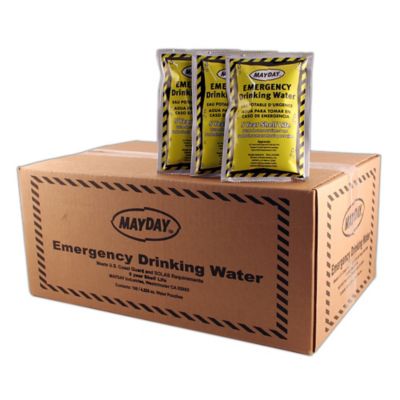
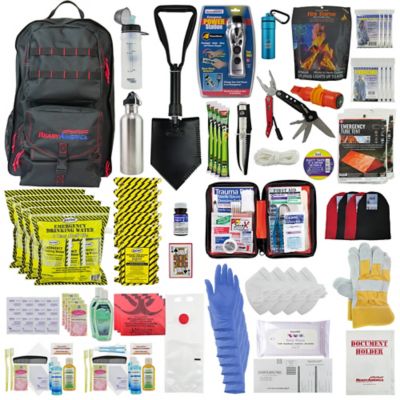
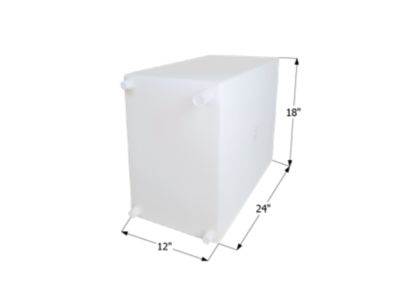
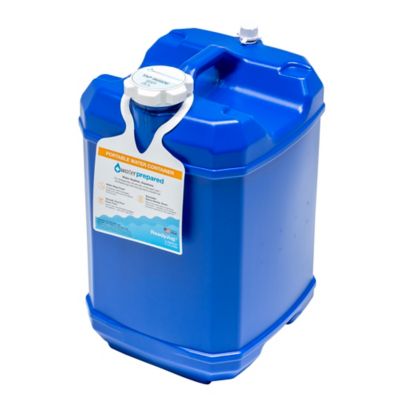
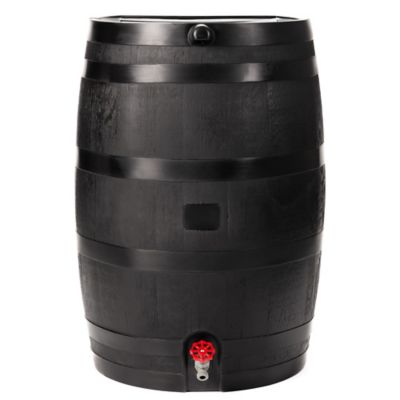
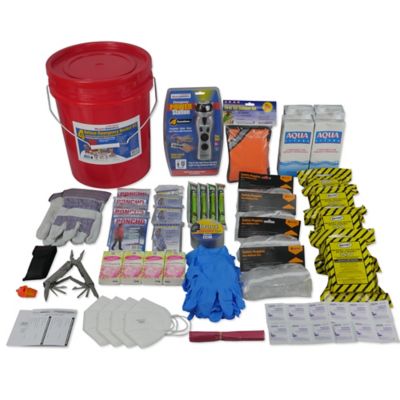
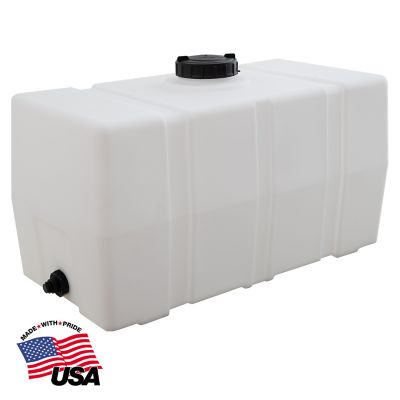
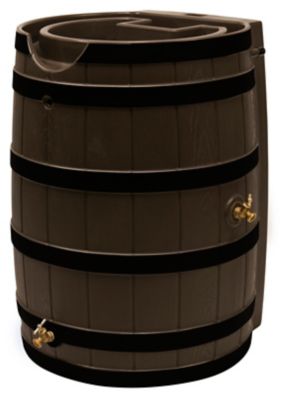
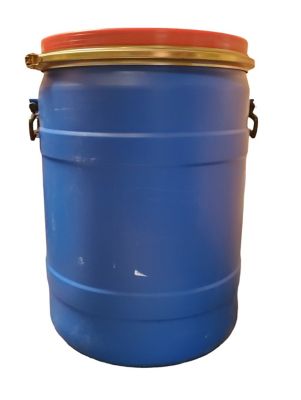
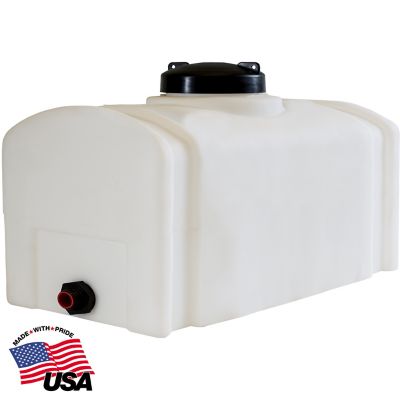
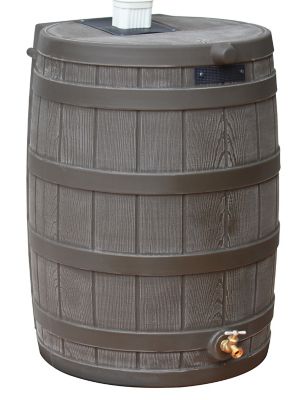
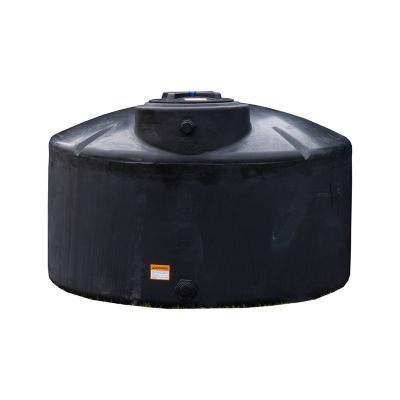
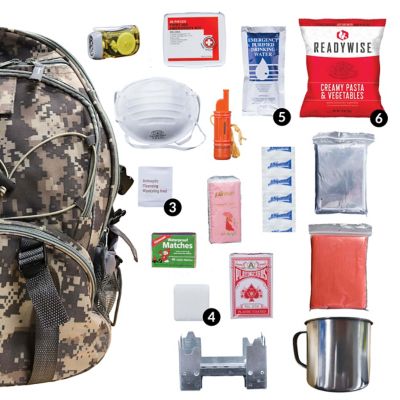
An emergency water supply is a reserve of safe drinking water for times when a storm, power outage, broken water main, or well problem interrupts everyday service. For households on a private well, even a short loss of electricity can leave the kitchen faucet dry if the pump has no backup power. Water storage containers, dispensing equipment, and water treatment supplies support different parts of that backup plan, from keeping drinking water on hand to moving it where it needs to go. The CDC recommends storing at least 1 gallon of water per person per day for a minimum of 3 days, with a 2-week supply as a goal when possible. That gallon covers drinking, food preparation, brushing teeth, and other basic needs; it is not a full allowance for normal bathing, laundry, or flushing toilets. A four-person household needs at least 12 gallons for three days or 56 gallons for two weeks, before accounting for pets or additional needs. Pregnancy, illness, physical work, and hot conditions can increase water needs, so the baseline is a starting point rather than a limit. On a rural property, the reserve may also need to cover a visiting family member, someone working in the barn, or a trip between the house and an outbuilding. Pets need a separate allowance based on their size, diet, health, and veterinary guidance, while livestock require a much larger supply planned around the animals and conditions. These differences make capacity an important shopping consideration, but usable capacity matters more than the biggest number on a label. A container that fits through the pantry door, sits securely in its storage spot, and lets someone fill a cup without lifting the whole load can be a better match than a larger vessel that is difficult to handle. The most practical emergency water storage setup fits the household, the property, and the people who will carry and dispense the water.
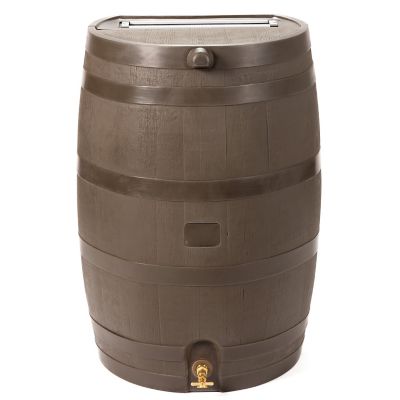
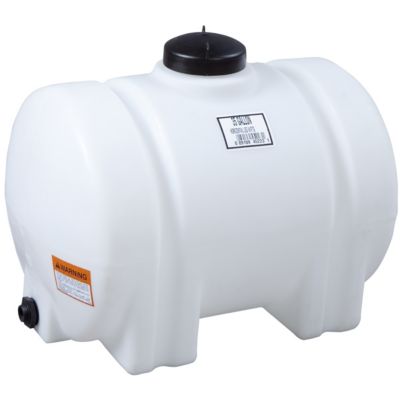
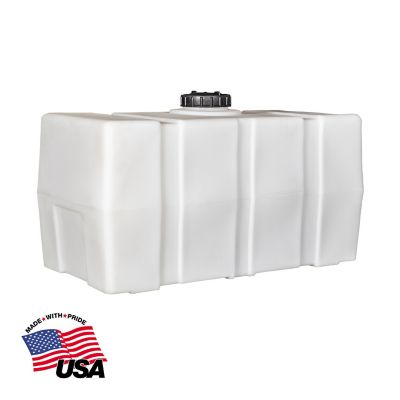
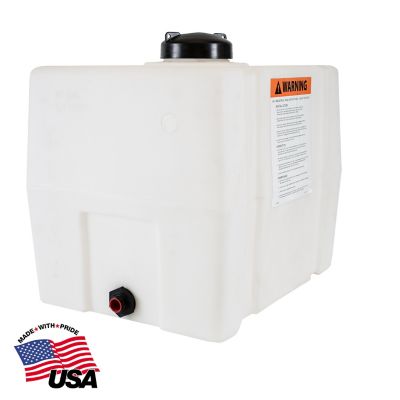
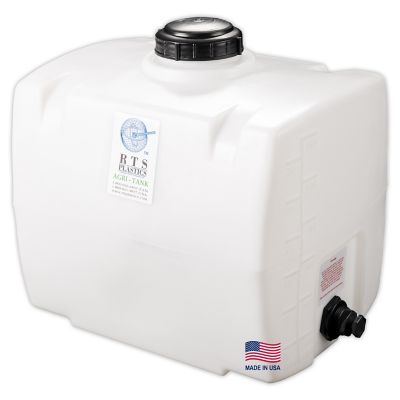
Materials and construction make a real difference when water may sit untouched between disruptions. Containers intended for drinking water should be food-grade and suitable for water storage, with closures that keep out dirt and allow proper cleaning. Food-grade plastic offers lighter handling than glass, while stainless steel can suit applications where the vessel is specifically rated for drinking water. Glass adds weight and a breakage concern, especially around concrete floors, truck beds, and busy sheds. A BPA-free label alone does not establish that a container is suitable for long-term drinking water storage; its stated purpose and care directions matter, too. Opaque walls help limit light exposure, and smooth interiors with accessible openings make cleaning easier. Handles, caps, gaskets, spigots, and drain fittings deserve attention because those are the parts that see regular handling and can become leak points. Water weighs about 8.3 pounds per gallon, so five gallons weighs more than 41 pounds before adding the container itself. Smaller containers can be easier for someone with limited lifting strength, while larger tanks may suit a fixed location with appropriate floor support and dispensing access. Stackable designs should only be stacked as directed, and their loaded height should leave room to reach the lid or tap safely. A wide opening can simplify cleaning, but a secure dispensing outlet helps keep hands and cups out of the stored water. For a household carrying water from a safe source to a cabin, campsite, or another building,
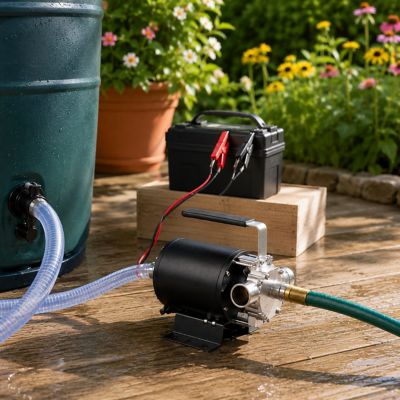
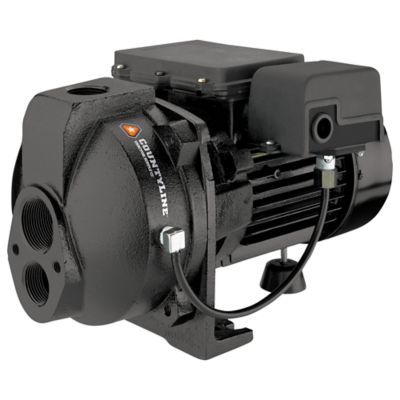
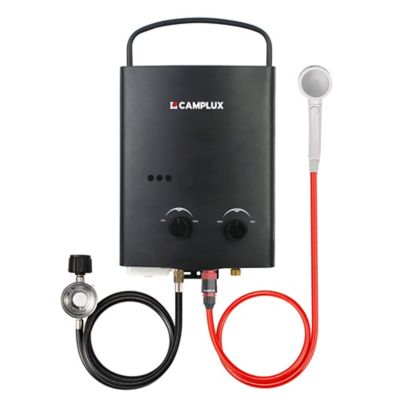
Portable Water Systems can complement stationary storage. Pumps, hoses, and fittings that touch drinking water need to be rated for that purpose, with connections that match the container and the intended task. Equipment for watering plants or handling farm chemicals belongs in a separate role. Containers that previously held pesticides, fuel, or other toxic substances are not appropriate for drinking water, even after washing. Keeping drinking water equipment separate from general chore equipment helps protect the reserve from mix-ups around the property.
Long-term usefulness also depends on storage conditions, upkeep, and the kind of interruption a household expects. A cool, dark indoor space away from gasoline, pesticides, solvents, and direct sunlight is a better setting for stored drinking water than a shed with big temperature swings. During the cooler months, an unheated garage or barn can expose containers, valves, and hoses to freezing; expanding ice can damage parts and leave the reserve difficult to access when it matters. Storage placement should account for the full weight, possible leaks, and enough room to inspect the container without moving everything around it. Clearly marked fill dates and drinking water labels help distinguish the household reserve from water set aside for cleaning or other chores. The CDC recommends replacing water in containers filled at home every six months. Factory-sealed drinking water should follow its labeled expiration date and storage directions. Refillable vessels need cleaning and sanitizing according to the manufacturer's directions before filling, along with periodic checks for cracks, leaks, damaged seals, or changes in the water's appearance or odor. Treatment equipment has a different job from storage: a filter or purifier may help make an appropriate source safer, but its capabilities depend on the technology and the contaminants involved. Not every filter removes bacteria or viruses, and boiling or disinfecting water does not make water contaminated with fuel or toxic chemicals safe to drink. Local emergency notices and public health guidance determine whether a source is suitable and what treatment is necessary. Power requirements matter as well, since an electric pump or treatment unit may stop working during the same outage that affects the well. Gravity-fed dispensing or a compatible manual pump can provide access without household electricity. For families balancing house chores, animal care, and a long drive into town, emergency water supplies earn their place through straightforward handling and a clear purpose. Enough safe water, manageable containers, and equipment suited to the setting help keep drinking, simple meals, and essential cleanup going while regular service is interrupted.