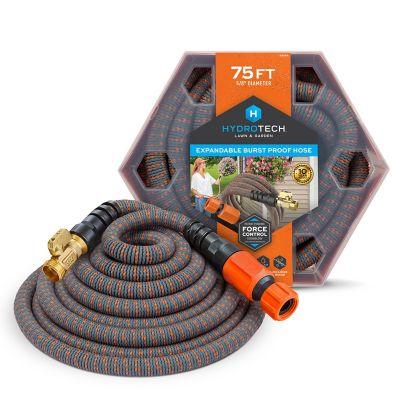
Outdoor water solutions help keep everyday chores moving, whether that means watering a kitchen garden, filling a trough beyond the barn, or rinsing mud from equipment before putting it away. Across a small backyard or a working acreage, the right setup depends on where the water starts, how far it needs to travel, and what needs to happen at the other end. Hoses, reels, watering attachments, pumps, and storage equipment all have different jobs, but they work best when their connections and capacities match. Hose length matters when the nearest spigot sits across the yard, while inside diameter affects how much water can move through the line. Extra length can add weight and reduce flow, so a manageable reach often makes chores easier than a long coil piled beside the faucet. Rubber, reinforced polymer, and lightweight flexible hose materials offer different handling characteristics, especially around gravel, gates, and tight corners. Connection materials matter, too: metal fittings can stand up to frequent handling, while lighter fittings reduce weight at the end of a hose. Comfortable grips and easy-turn controls make a difference when hands are wet or gloves stay on through the job. For garden beds and planted rows, watering equipment can deliver water close to the soil rather than sending it across a broad area. Wider spray patterns suit different spaces, with coverage shaped by water pressure, placement, and the amount of ground involved. A narrow strip beside a shed calls for a different watering pattern than an open patch beyond the driveway. Shutoff controls near the working end cut down on trips back to the faucet, and reels or hangers keep hose loops from tangling underfoot. Equipment that fits the space feels less like another thing to wrestle and more like a natural part of the chore, from the first connection at the spigot to the last turn of the handle.
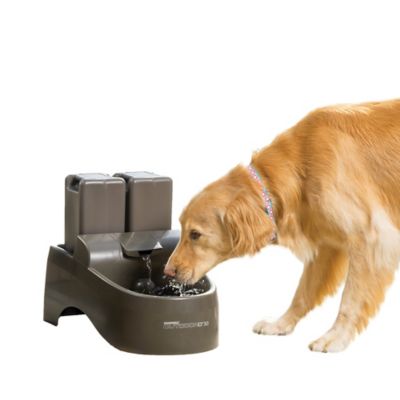
Around livestock areas, outdoor watering equipment has to suit both the animals and the people tending them. Troughs, stock tanks, automatic waterers, and float-controlled filling systems serve different arrangements, from a small pen near the barn to several watering points across a property. Capacity is only part of the fit. Rim height, drinking access, footing, and the number of animals sharing a water source all affect how well a setup works day after day. A lower opening may be easier for smaller animals to reach, while larger livestock need enough room to drink without crowding a narrow corner. Smooth edges and secure placement matter wherever animals lean, nudge, or gather. Galvanized steel and molded plastic each bring their own balance of weight, rigidity, and handling. A heavier vessel may stay put more readily, while a lighter one can be easier to move for cleaning or changes in pen layout. Drain placement and access to interior surfaces make a real difference when sediment, feed, or algae need clearing out. Automatic filling controls can reduce time spent holding a hose, though they still need regular checks for unrestricted flow, sound connections, and proper shutoff. Mounting styles, inlet sizes, and operating pressure should match the rest of the system rather than forcing a connection that never sits quite right. Wherever drinking water is involved, materials should be labeled for that purpose; the same distinction applies to hoses and containers carrying water for people. Backflow protection also matters at connections where a hose or fill line could come into contact with animal water or other contaminants. Keeping water points separate from feed buildup and heavy foot traffic can make routine care more manageable. For a backyard flock, a few goats, or a larger herd, a watering arrangement should leave room for a quick visual check and a straightforward cleaning routine, not hide fittings where every small adjustment turns into a bigger job.
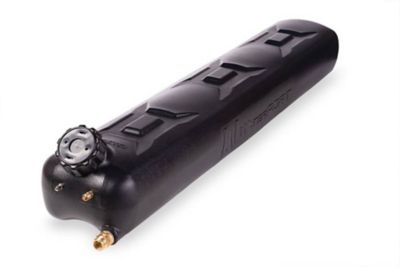
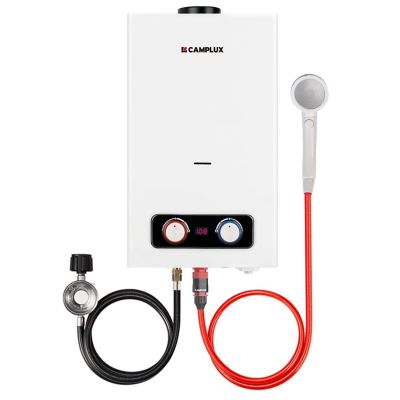
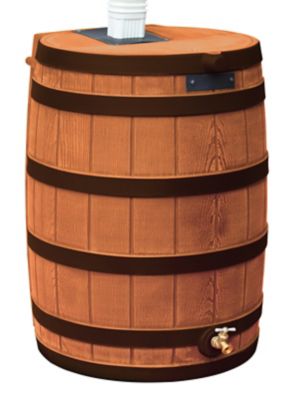
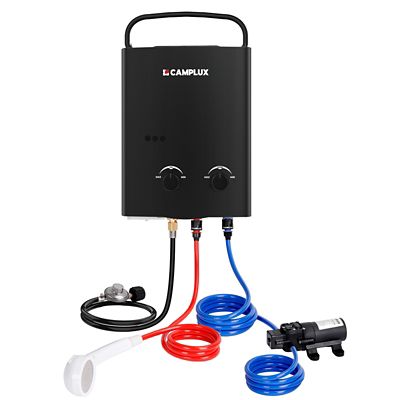
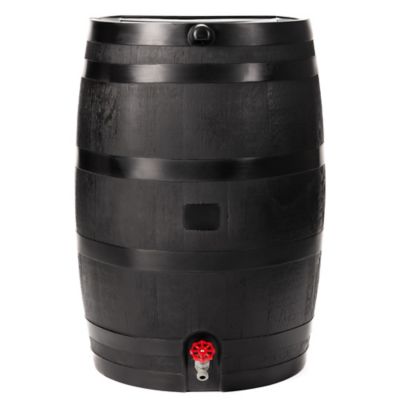
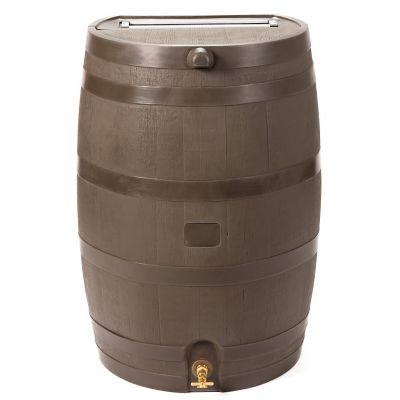
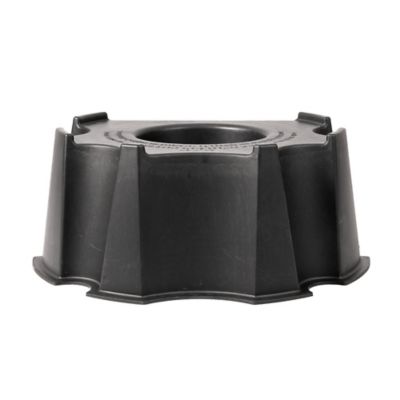
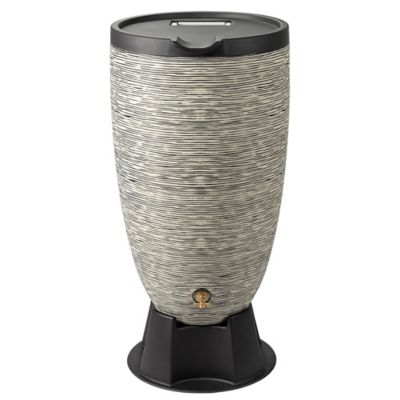
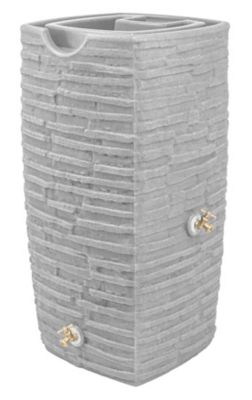
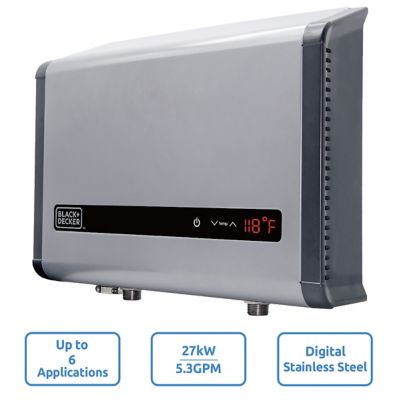
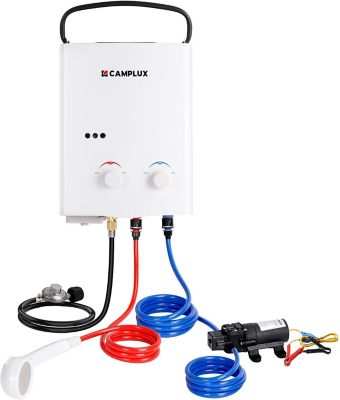
Moving water from one place to another brings a different set of considerations, especially when the source sits below the work area or well beyond the reach of a faucet. Pumps and transfer equipment are built around particular jobs, and the difference between moving clear water and handling water with sediment is important. Flow rate describes how much water can move over time, while lift and total head help explain what happens when that water must travel uphill or through a long run of hose. A pump that sounds right by flow alone may not suit the elevation change between a storage tank and a watering point. Intake placement, hose diameter, connection style, and power requirements all belong in that same picture. Some equipment operates submerged, while other designs remain outside the water source, making installation space and access important parts of the fit. Outdoor storage tanks and collection containers also need a stable base, suitable fittings, and lids or screens appropriate to their purpose. Water collected for landscape watering should remain separate from drinking-water systems unless suitable treatment and approved equipment are part of the setup. For chores that call for heated water,
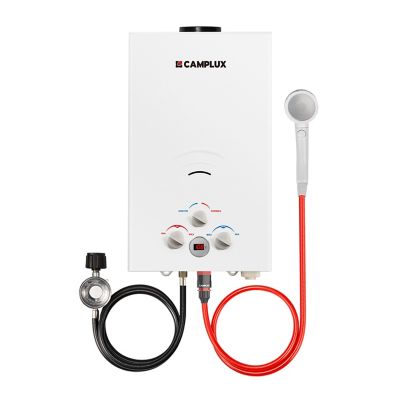
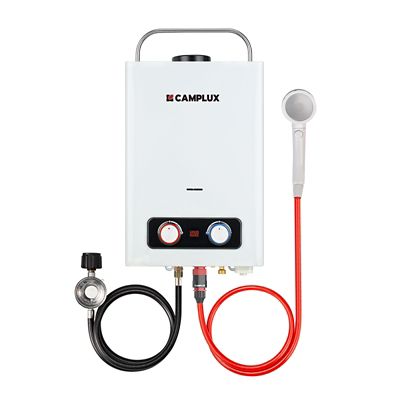
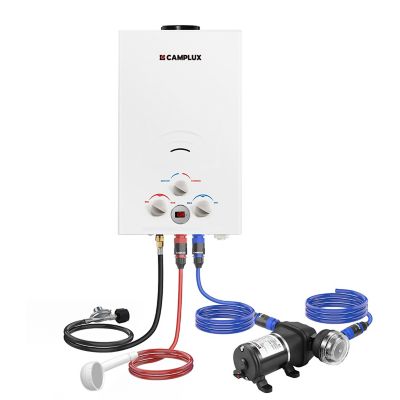
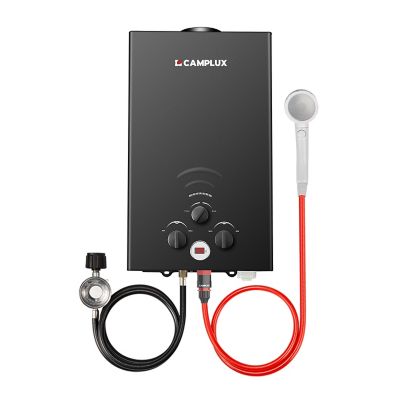
outdoor water heaters bring fuel or electrical requirements, mounting space, ventilation, and installation clearances into the planning. Equipment ratings and manufacturer directions determine where and how those systems belong. Across outdoor water equipment, easy care often comes down to accessible parts: screens that can be cleaned, washers that can be replaced, and connections that can be reached without moving half the setup. Grit at a coupling, a flattened seal, or a kink near a reel can interrupt an otherwise simple task. Keeping hoses away from sharp edges and vehicle paths helps limit wear, while orderly storage leaves fittings easier to inspect. From watering a few raised beds to supplying work areas around the barn, outdoor water solutions earn their place by matching the job, fitting the property, and making everyday handling less of a chore.