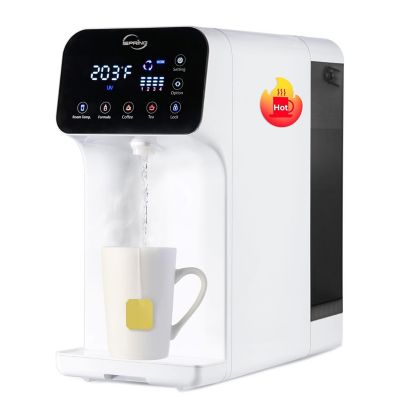
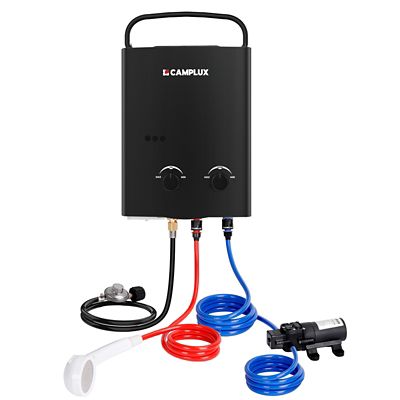
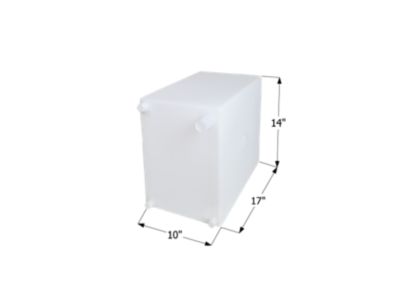
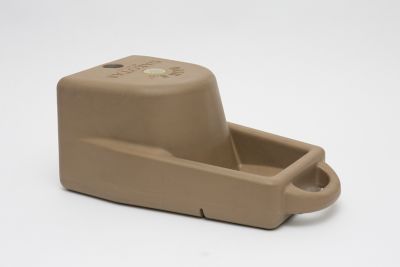
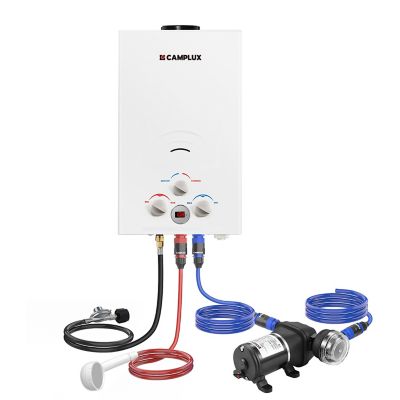
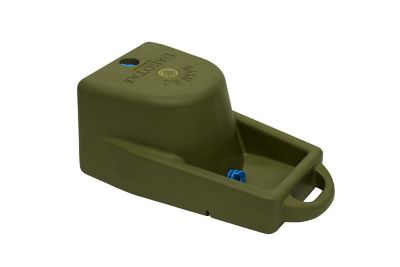
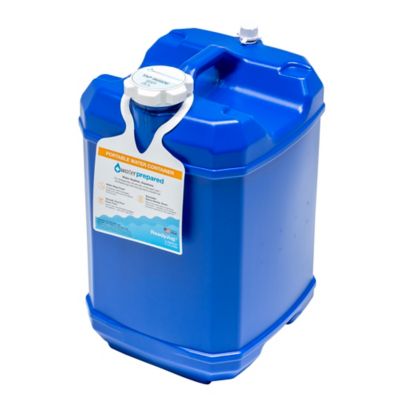
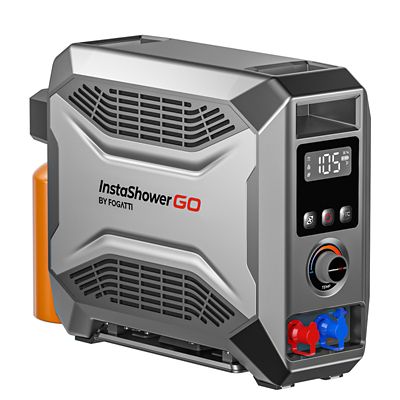
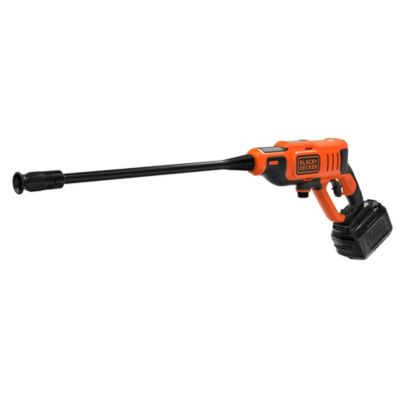
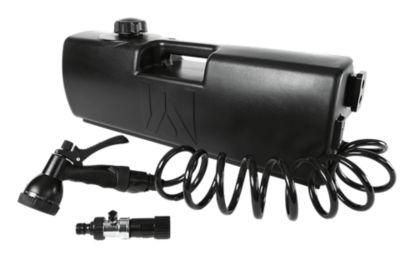
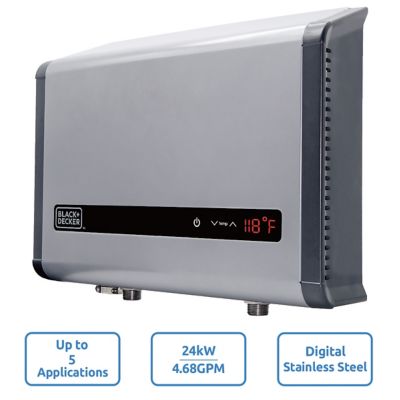
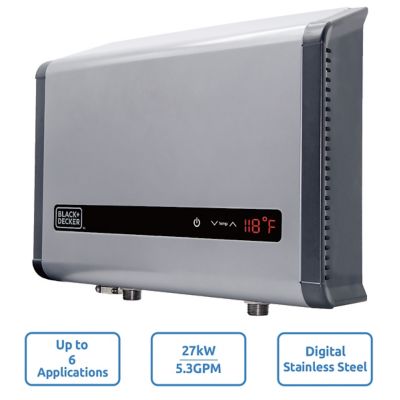
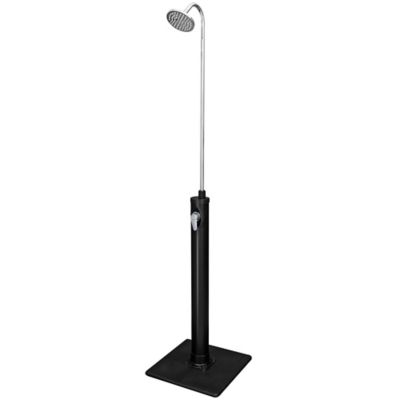
Portable water systems make it easier to bring a dependable water supply along when you are camping, traveling in an RV, working away from a hose connection, or preparing for an unexpected interruption at home. These setups can serve several different jobs, so it helps to match the system to the water source and the task at hand. Some are made to filter or purify water drawn from a stream, pond, lake, or other outdoor source, while others move water from a storage container, tank, or standard faucet. There are also portable systems designed to heat water on demand for washing dishes, rinsing muddy boots, cleaning equipment, or taking an outdoor shower. A compact gravity-fed filter may be a practical choice for a weekend campsite, while a pump-driven unit can offer faster flow for a hunting camp, farm project, or larger group. For emergency preparedness, a portable system can provide an extra layer of readiness when municipal water service is interrupted or a well pump is temporarily out of operation. Keep in mind that filtration and purification are not always the same thing. Filtration may reduce sediment, dirt, unpleasant taste, and certain contaminants, while purification systems are built to address a broader range of microorganisms and other impurities. Read the product details closely to understand what the system is designed to remove, what types of water it can treat, and whether additional steps are needed before drinking. A system intended for drinking water should be clearly rated for that purpose, and water from a questionable source should be handled according to the manufacturer’s directions. If you are mainly looking for a compact way to improve the taste and quality of water while traveling, explore
Portable Purifiers as part of your setup. For drinking water, look at the rated flow, treatment capacity, replacement filter availability, and the number of people who will rely on it. A small unit may be easy to carry in a day pack, but a family at a remote campsite may need greater capacity, a larger reservoir, or a pump that can keep water moving without constant refilling.
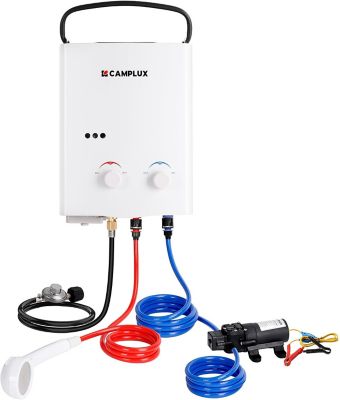
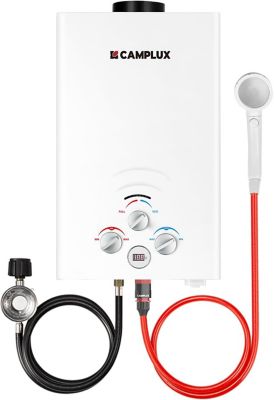
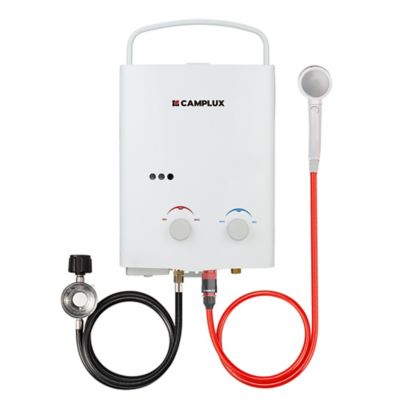
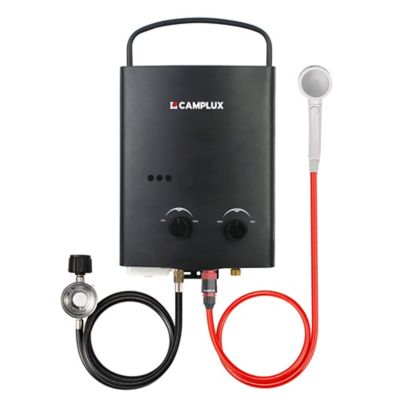
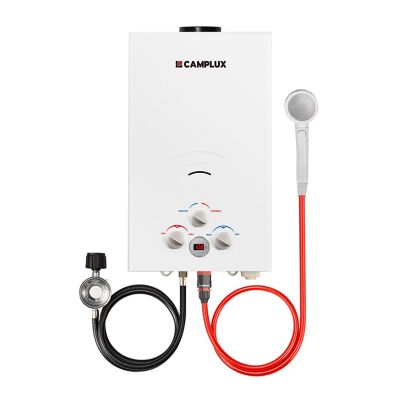
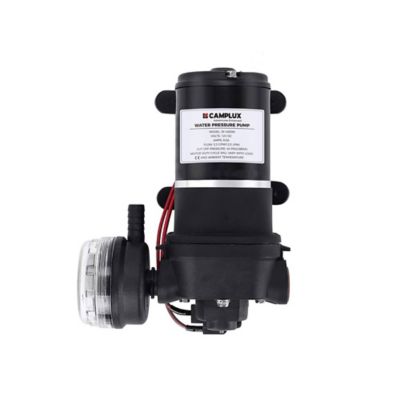
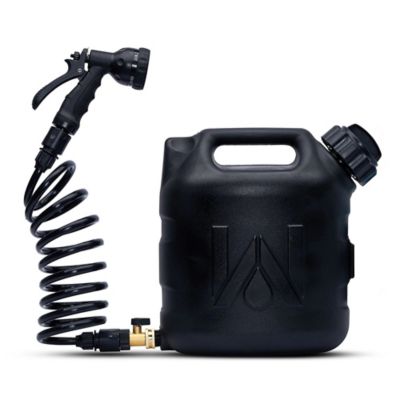
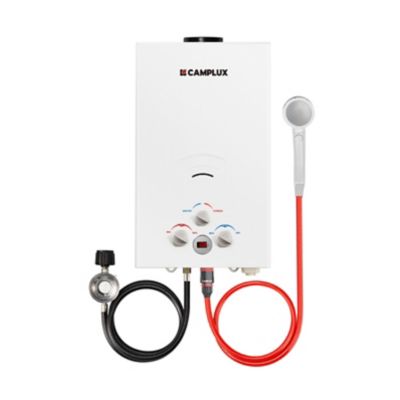
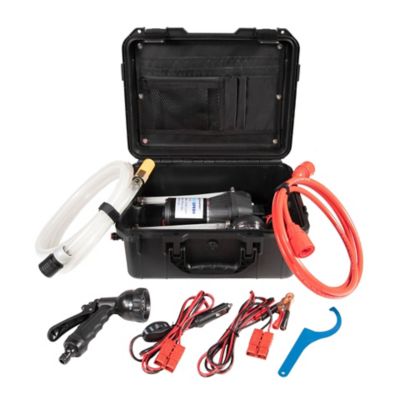
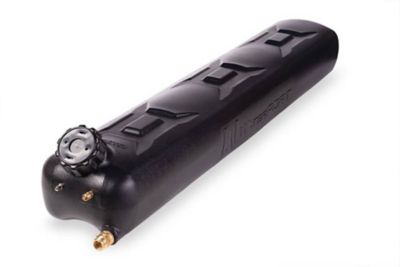
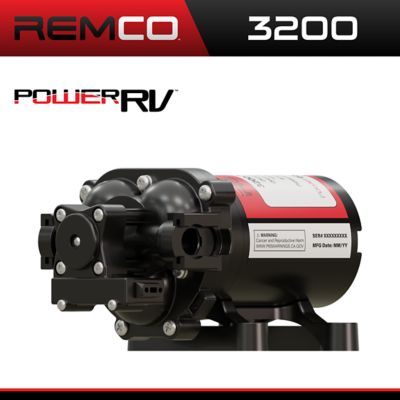
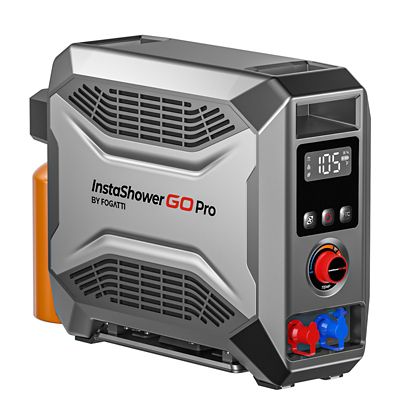
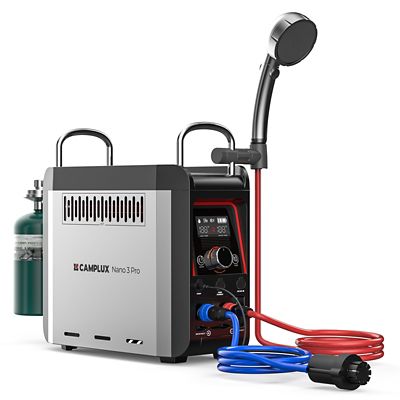
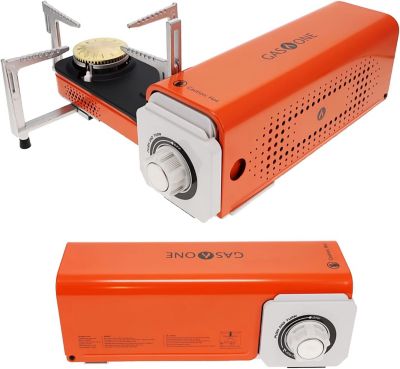
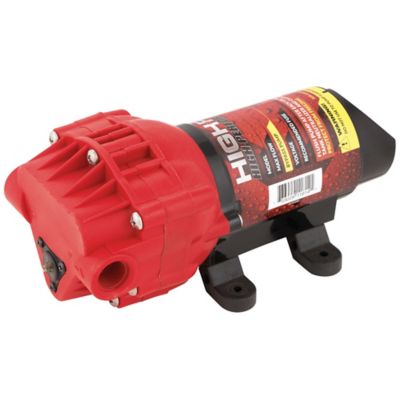
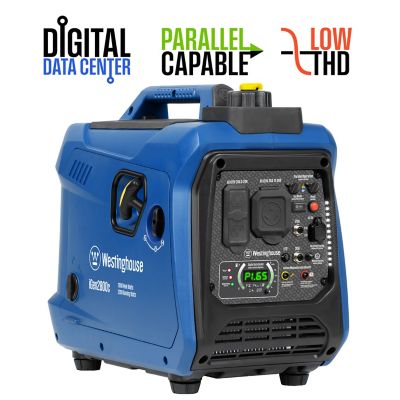
Portability means more than simply having a handle. Consider the full setup, including the pump, hoses, intake line, filters, power source, water container, and any fittings needed to connect everything. A system that fits neatly in a truck box or RV storage compartment is more useful when it can be unpacked, connected, and cleaned without a lot of fuss. Weight matters for backpacking and overlanding, while durability matters for tailgates, job sites, hunting cabins, and rough gravel roads. Look for sturdy construction, secure caps and connections, and tubing that is long enough to reach the intended water source without placing strain on the fittings. If the system uses electricity, check whether it runs from household power, a 12-volt outlet, a rechargeable battery, or more than one option. A 12-volt pump can be handy around an RV, side-by-side, truck, or livestock trailer, while a battery-powered unit may be more convenient where outlets are few and far between. Systems that use propane for hot water also require careful attention to ventilation, fuel connections, ignition, water pressure, and safe placement. Never operate fuel-burning equipment in an enclosed tent, camper, vehicle, barn, or other poorly ventilated area, and always follow the instructions for setup and storage. For an outdoor shower or wash station, check the temperature range and water flow, then place the unit on a stable, level surface away from dry grass and other flammable material. A portable hot water system can be especially useful during the warmer part of the year when outdoor chores pick up, but it can also make cleanup more comfortable during cooler months. Families may use one at a campsite after a day on the trail, farmers may keep one nearby for washing up after a muddy job, and contractors may appreciate a simple wash station at a remote work area. These systems can also make thoughtful gifts for campers, RV travelers, hunters, anglers, homesteaders, and anyone who enjoys having practical gear ready for the next trip.
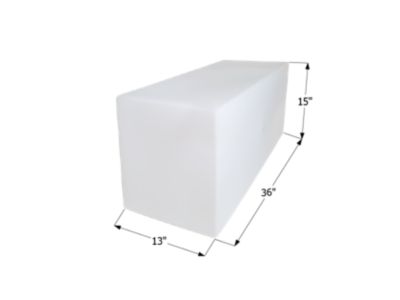
Before putting a portable water system to work, think through how you will collect, store, use, and dispose of water. Clean containers marked for drinking water should be kept separate from containers used for fuel, chemicals, wastewater, or livestock chores. If water comes from a natural source, avoid areas downstream from heavy use, standing water with visible growth, or places where runoff may carry manure, fuel, pesticides, or other pollutants. Even the best treatment equipment works within its stated limits, and muddy or heavily sedimented water may need to settle or pass through a pre-filter before the main treatment stage. A pre-filter can help protect the primary cartridge and maintain flow, especially after heavy rain or when drawing from a shallow creek. Pay attention to the system’s gallons-per-minute rate, maximum daily capacity, pressure requirements, and filter life rather than judging only by its size. Families and groups may go through water faster than expected, particularly when cooking, washing, and filling bottles are all part of the routine. After use, drain hoses and tanks, clean removable parts as directed, and allow components to dry before packing them away. In freezing weather, leftover water can expand and damage pumps, housings, or fittings, so winter storage calls for thorough draining and protection from hard freezes. Replacement filters, seals, batteries, propane connections, and small repair parts are worth keeping with the system, along with a wrench or fitting tool that matches the setup. A quick test at home can uncover a missing adapter or weak connection before you reach the campsite. Whether the goal is safer drinking water, a steady supply for an RV, a rinse station at the edge of the pasture, or hot water far from the house, the right portable water system brings useful convenience without tying you to a permanent installation.