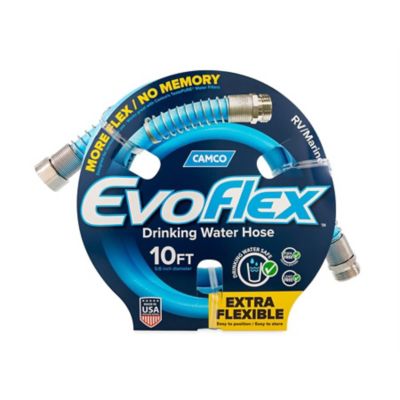
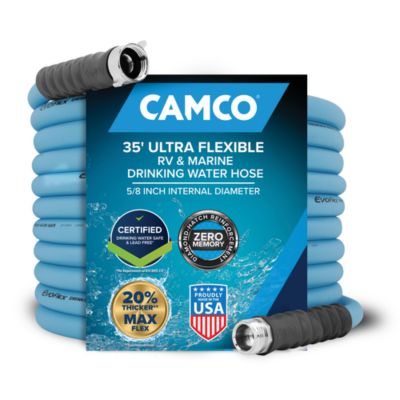
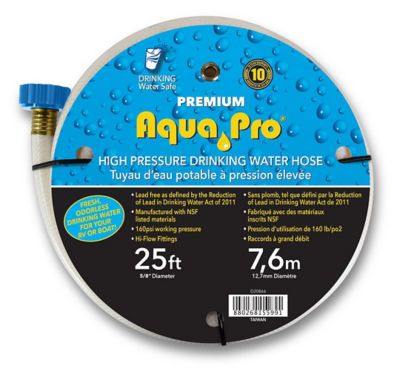
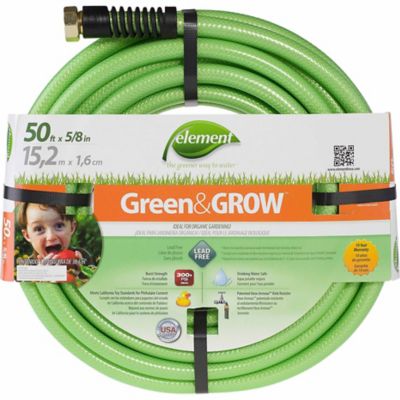
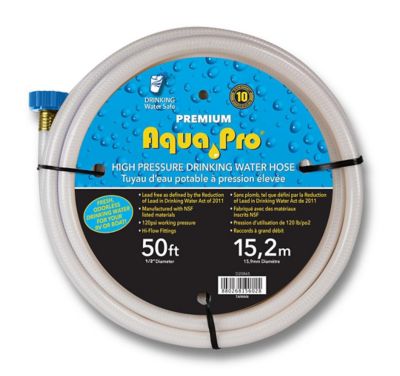
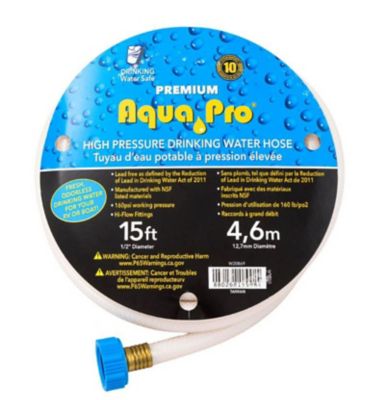
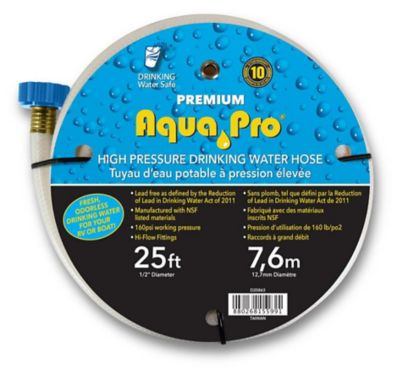
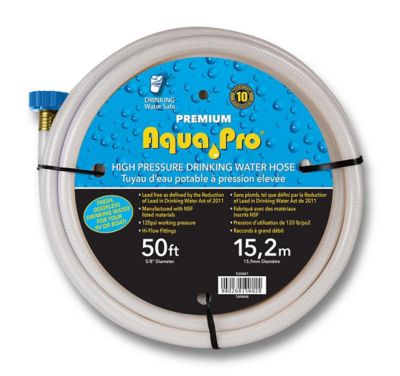
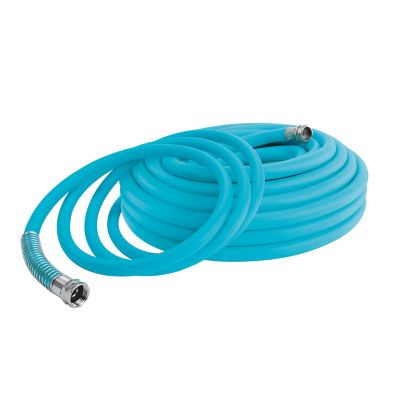
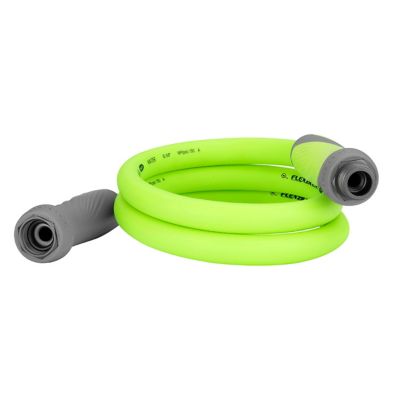
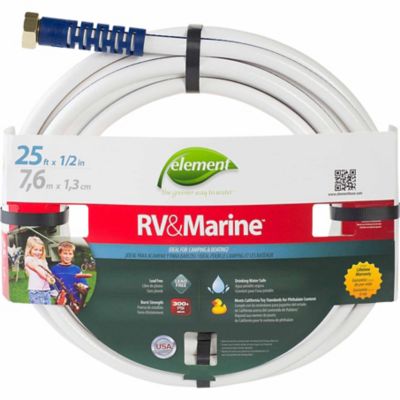
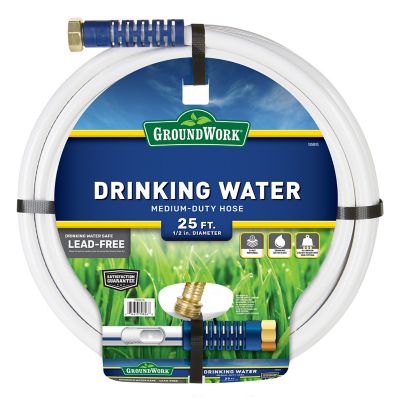
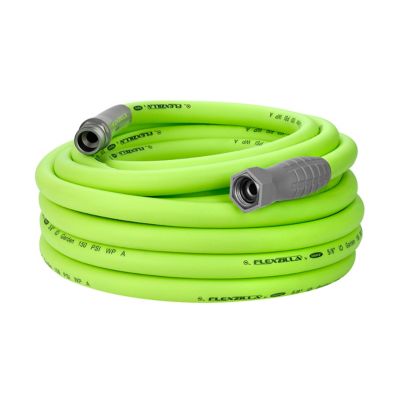
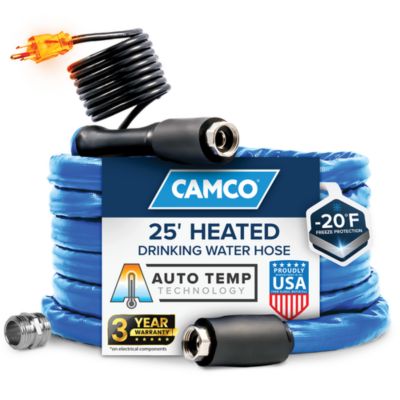
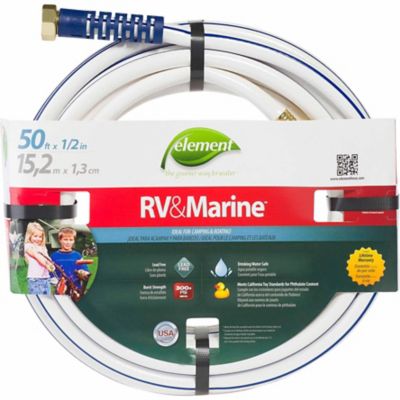
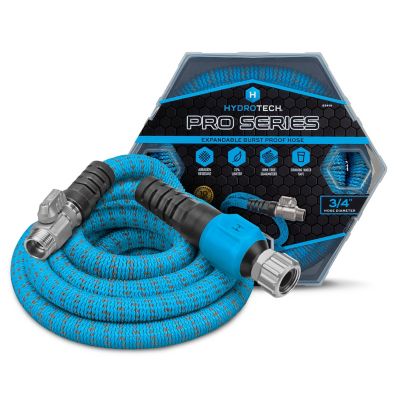
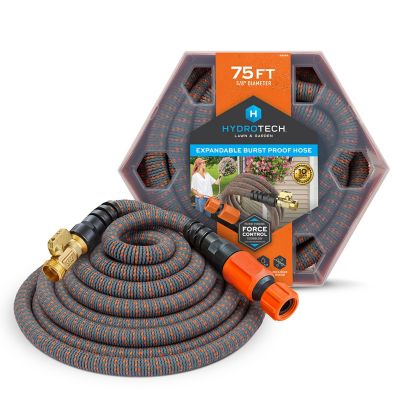
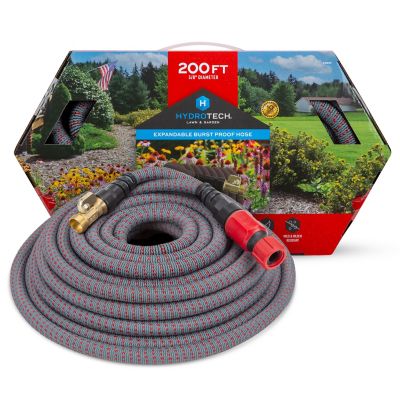
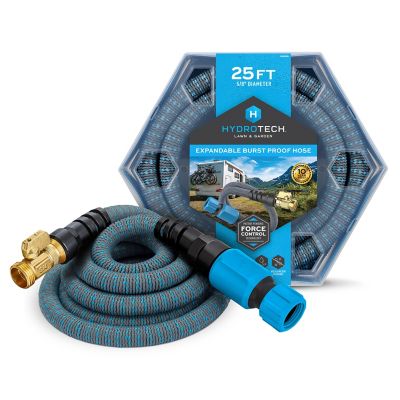
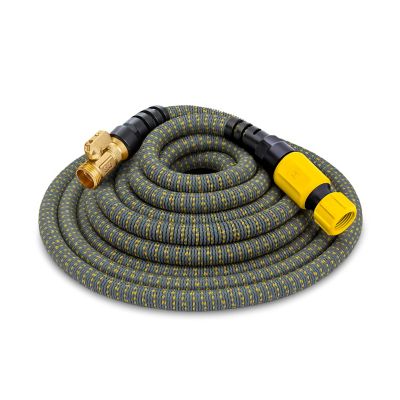
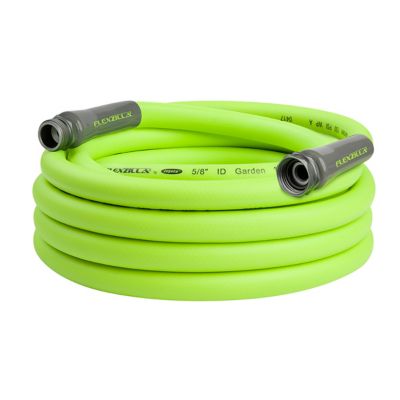
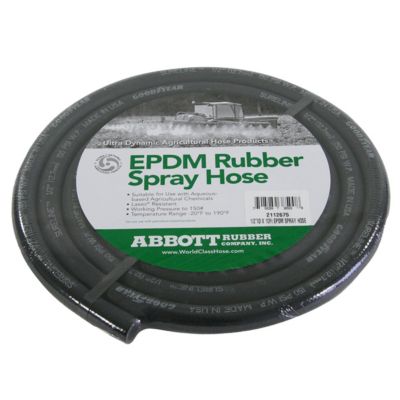
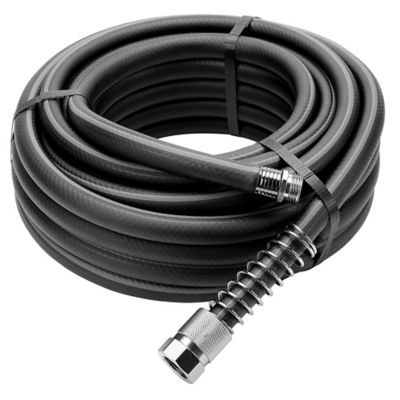
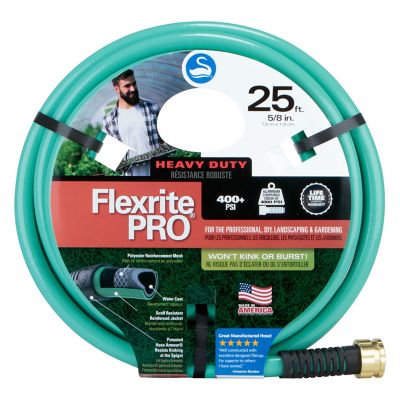
Safe drinking water hoses are made for moving potable water from a spigot to an RV, camper, boat, outdoor kitchen, cabin, or other place where the water will be used for drinking, cooking, brushing teeth, or filling a fresh-water tank. They are built from food-grade materials and are designed to help reduce the risk of unwanted chemicals or metals getting into the water as it travels through the hose. A regular garden hose may be fine for watering flower beds, rinsing muddy boots, or washing the tractor, but it is not automatically suitable for drinking water. Garden hoses can contain materials that may leach into water, especially after sitting in the sun or warming up on hot pavement. A hose labeled for potable or drinking water use is the better choice when water quality matters. Look for clear language such as “drinking water safe,” “potable water,” “lead-free,” “BPA-free,” or “phthalate-free,” along with recognized safety information. NSF/ANSI 61 certification indicates that materials used in the hose are evaluated for their effect on drinking water, while NSF/ANSI 372 or CSA Low Lead markings help verify that components meet lead-content requirements. These details are especially useful for RV owners and families who spend long stretches on the road, since a fresh-water hose may be connected at a campground spigot for hours or even days. They also matter at the lake, where a boat’s water tank needs to be filled with a hose made for potable water rather than one kept in the garden shed. At home, a drinking water hose can be handy for filling a rain barrel system that will later be used for non-drinking purposes, topping off a livestock or poultry watering setup when the hose is specifically suited to that application, or supplying water to a seasonal cabin. Always follow the hose manufacturer’s intended use, and avoid treating a potable hose as a substitute for a certified water treatment system. The hose helps protect the water as it moves; it does not remove contaminants that may already be present in a well, tank, spigot, or campground water supply.
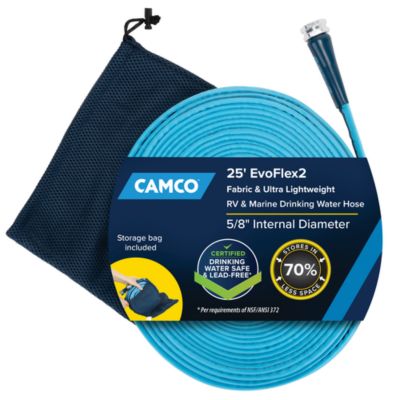
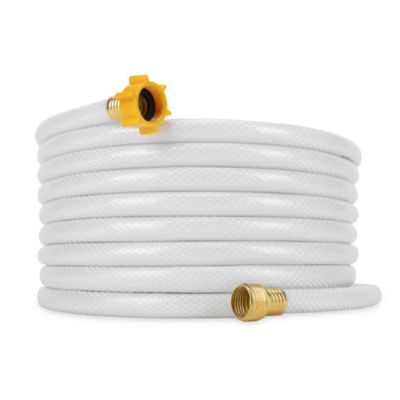
When comparing safe drinking water hoses, pay attention to construction, length, fittings, flexibility, and storage. Reinforced PVC is a common choice because it offers a balance of strength, flexibility, and affordability, while polyurethane and specialized rubber materials may provide a lighter feel or added resistance to cracking and wear. A reinforced hose can be useful for frequent RV hookups, where it may be connected and disconnected over and over as you move from one campsite to another. Lightweight materials are easier to coil into a storage compartment, especially when space is tight around a fifth-wheel hitch, boat locker, or small utility trailer. Look for fittings made with lead-free materials, such as aluminum or other components clearly marked for potable-water use. A strain-relief design near the connection can help reduce kinking and stress where the hose meets the fitting. Length is another practical consideration. A shorter hose is easier to drain, coil, and store, but a longer one can reach a campground spigot that sits several spaces away from the parking pad. Many households keep more than one length on hand so they can avoid stretching a hose across gravel, sharp rocks, or a busy walkway. A white or light-colored exterior is common for drinking water hoses and may help keep the hose cooler than a dark hose in direct sunlight, though every hose should be stored out of the sun whenever possible. Before using one, flush it thoroughly and let the water run until it is clear and fresh. Drain the hose after each use, coil it loosely without tight bends, and keep the ends capped or protected from dirt. During warmer weather, avoid leaving water sitting in the hose for long periods, and do not use a hose that has been exposed to fuel, pesticides, fertilizers, cleaning chemicals, or other substances. During cooler months, drain the hose completely before freezing temperatures arrive. Water left inside can expand and damage the inner tubing or fittings, leaving a leak the next time the hose is connected. For shoppers also comparing general outdoor watering options,
Best Water Hose for Spring Gardening offers a separate look at hoses intended for yard and garden work, while the products on this page are focused on safe potable-water connections.
Safe drinking water hoses are a practical addition to an RV setup, a boat’s fresh-water system, a hunting cabin, a backyard beverage station, or an emergency preparedness kit. They can make a thoughtful gift for someone who just bought a camper, joined a seasonal campsite, started traveling with a motorhome, or spends weekends at a lake house. They are also useful for grandparents who keep a trailer on their property, families who host outdoor gatherings, and anyone who wants a dedicated hose for filling a drinking-water container without mixing it up with the hose used around the barn or garden. A dedicated potable-water hose is easy to recognize when it is stored separately and labeled for drinking use, which helps prevent accidental cross-use. For RV and boat owners, consider how the hose will fit with the existing water connection, whether a pressure regulator or filter is part of the setup, and how much room is available for storage. For a cabin or remote property, a durable hose with sturdy fittings may be worth considering when connections are made over uneven ground or near rough wood, gravel, and stone. For occasional use, a lighter hose may be easier to handle and less cumbersome to put away. No matter the setting, inspect the hose before each use for cracks, soft spots, bulges, damaged threads, or loose fittings. Replace it if it develops a persistent taste or odor, shows signs of chemical exposure, or no longer forms a dependable seal. Keep the hose off the ground when practical, especially around muddy campsites, animal areas, and high-traffic paths, and use a clean storage tote or dedicated compartment between trips. The right safe drinking water hose gives families, campers, boaters, and property owners a dependable way to connect to a potable water source while helping keep everyday water handling cleaner, simpler, and better suited to the job.