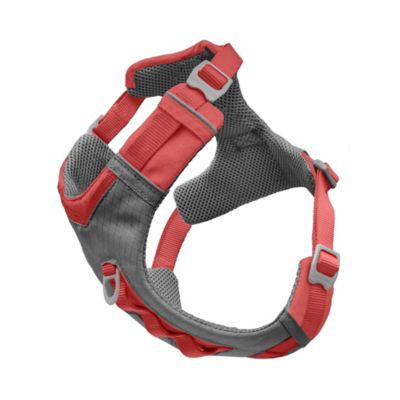
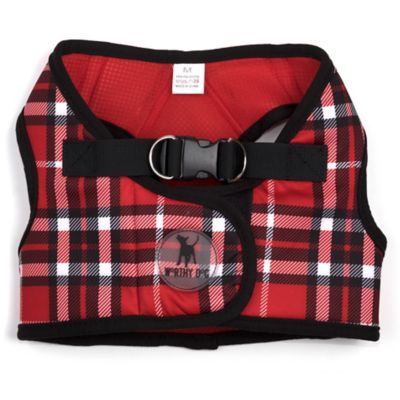
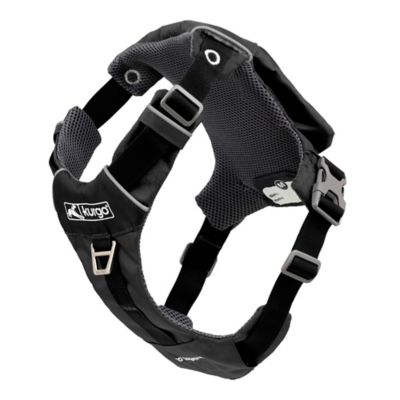
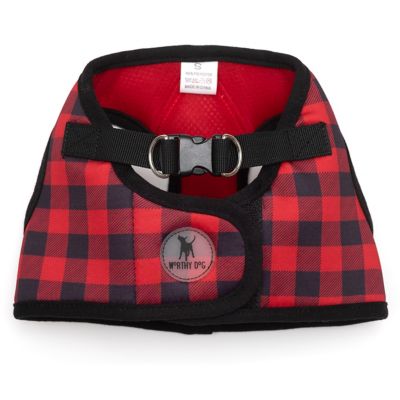
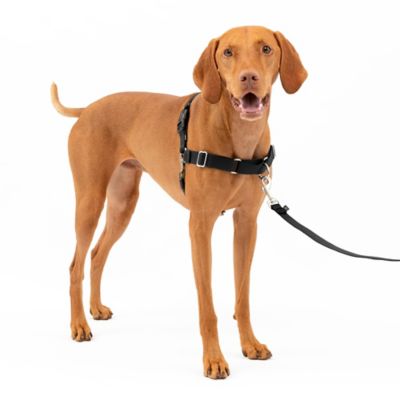
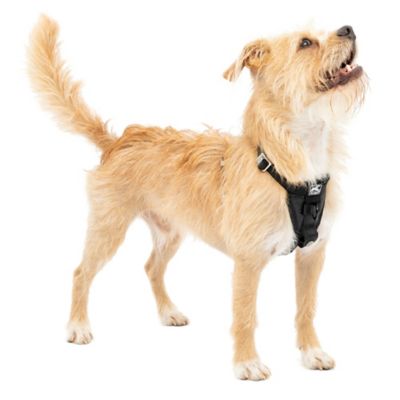
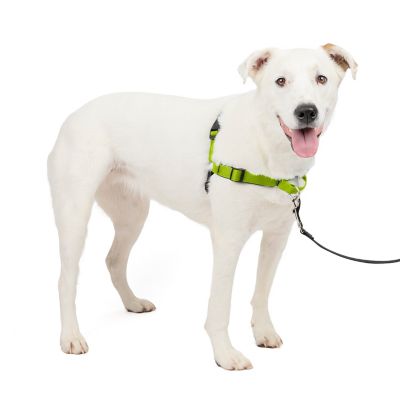
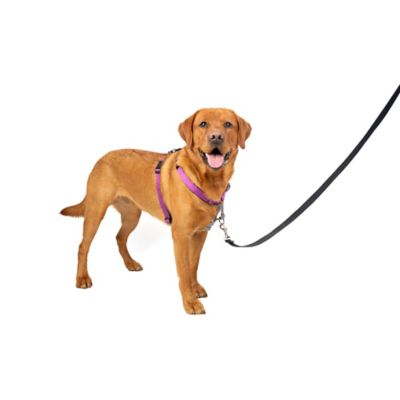
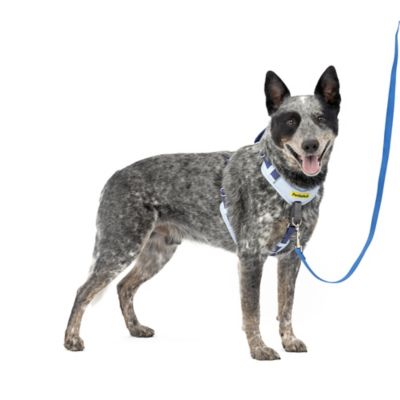
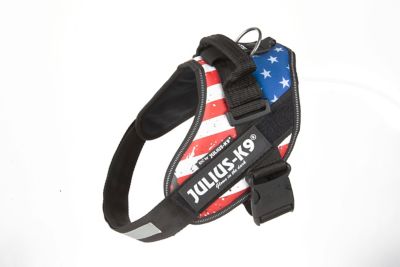
Dog harnesses for pulling can serve two very different purposes, so it helps to decide what you want the harness to do before choosing one. If your dog pulls you down the road, across the yard or toward every interesting smell on the trail, look for a no-pull walking harness that gives you better steering control without putting pressure on the neck. Front-clip styles place the leash connection near the chest, which can gently turn a dog back toward you when they lean into the leash. Many walking harnesses also have a back clip, and using both connection points with a double-ended leash can provide added control for strong, excitable or easily distracted dogs. These harnesses work best alongside calm, consistent training rather than as a way to force a dog to stop pulling. Rewarding a loose leash, pausing when the leash goes tight and giving your dog time to sniff can make everyday walks feel less like a tug-of-war. For dogs that are meant to pull a person, bike, sled or other light load, choose a purpose-built pulling harness instead of a standard walking harness. Long-back and X-back designs spread the pulling force across the dog’s chest, shoulders and body, helping reduce pressure on the throat and spine while allowing a natural running stride. They are commonly used for canicross, bikejoring, skijoring, sled work and other active jobs where forward motion is the goal. A harness designed to stop pulling and one designed to support pulling are not interchangeable, even though both may be listed under dog harnesses for pulling.
Fit is the most important place to start. Measure your dog according to the maker’s instructions, usually around the deepest part of the chest and sometimes along the back or neck, and compare those measurements with the size chart instead of relying on breed alone. Two dogs of the same breed can have very different builds, and a stocky, broad-chested dog may need a different shape than a narrow-waisted dog of the same weight. A properly fitted walking harness should be snug enough that your dog cannot back out of it, while still allowing you to slide a couple of fingers beneath the straps. Check that the chest piece sits in the right place, the straps do not rub behind the front legs and the harness does not shift from side to side as your dog walks. For a sport or working harness, the back length, shoulder clearance and chest shape matter just as much as girth. The harness should lie smoothly along the body without pinching, riding up into the armpits or limiting the dog’s reach. Look for adjustable points, sturdy stitching, dependable buckles and leash or tow connections that match the activity. Reflective details can add visibility during darker walks, while breathable materials may be more comfortable during hard exercise. For farm dogs, hunting companions and trail dogs that may brush against fences, brush or rough ground, durable fabric and reinforced stress points are practical features. Introduce any new harness gradually in a familiar place. Let your dog sniff it, offer a few treats while putting it on and take a short walk before heading out for a longer outing. Inspect the fit again after movement, since straps can settle once a dog starts trotting or pulling.
The right harness can be a useful gift for a new puppy owner, a family bringing home a rescue dog, or anyone who enjoys spending time outdoors with a four-legged companion. It can also be a handy addition for households with large or powerful dogs that need more comfortable control on daily walks; explore
Large Dog Harnesses when a bigger chest and stronger hardware call for a more substantial fit. During the cooler months, a well-fitted harness makes it easier to keep up with brisk walks, trail outings and chores around the property without relying on a collar alone. Dogs involved in running or pulling sports should build up gradually, just like people do, with plenty of rest, water and time to warm up. Check paws, pads and shoulders after activity, especially when working on gravel, packed ground or snowy paths, and stop if your dog shows signs of pain, unusual fatigue, limping, coughing or trouble breathing. Never attach a heavy load to a walking harness unless it is specifically made for that job, and never use a sport pulling harness as a substitute for close supervision and training. A dog’s size, age, breed, conditioning, coat and personality all play a part in choosing the right design. A young, energetic dog may need a secure harness with room for growth, while an older dog may benefit from soft padding, easy buckles and a style that does not press on sore joints. Whether the goal is a calmer trip around the neighborhood or a steady run down a wooded trail, a thoughtful fit gives both dog and handler more comfort, control and confidence.