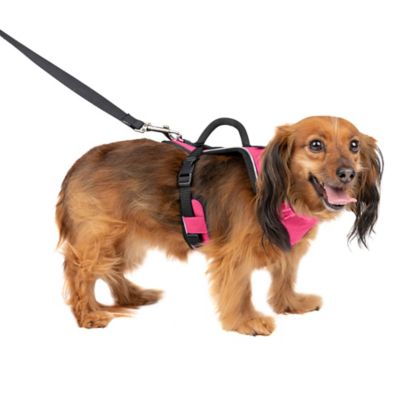
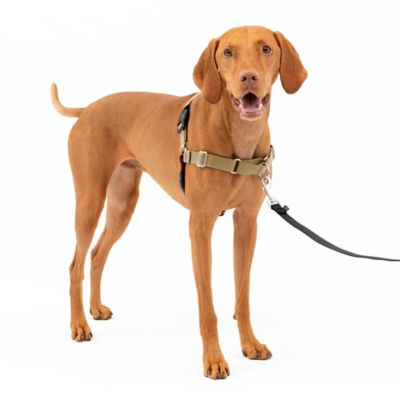
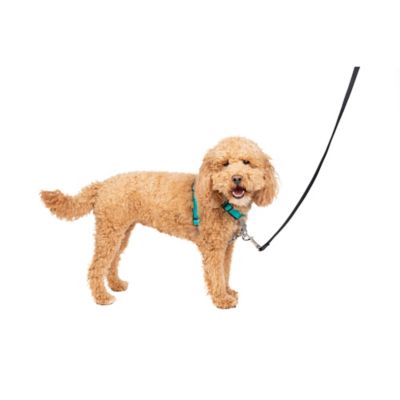
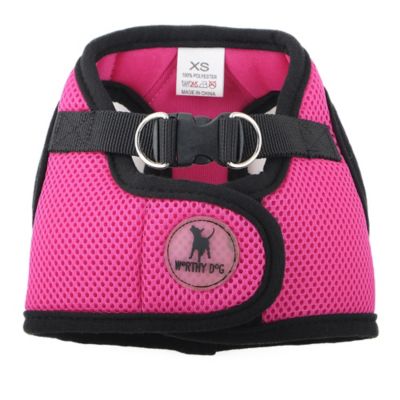
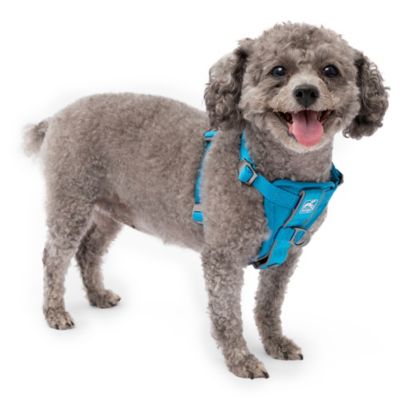
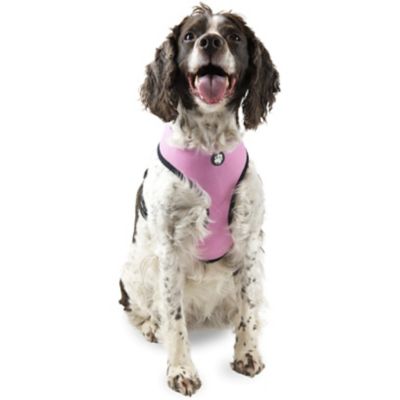
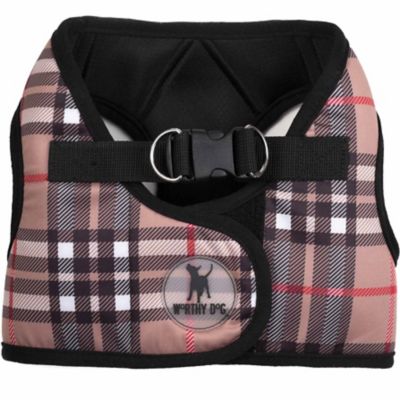
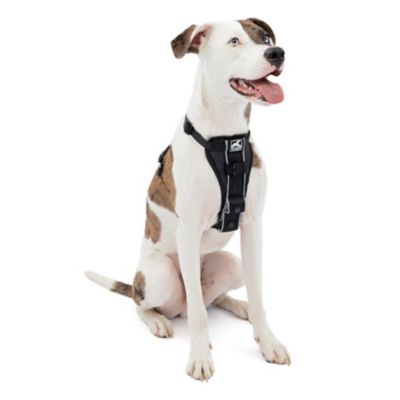
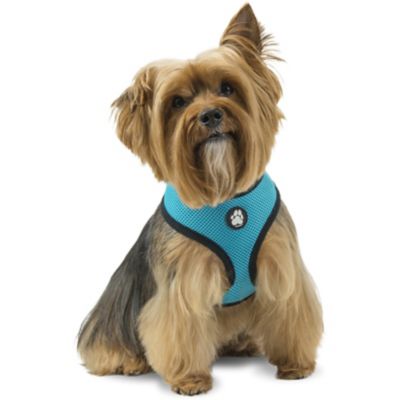
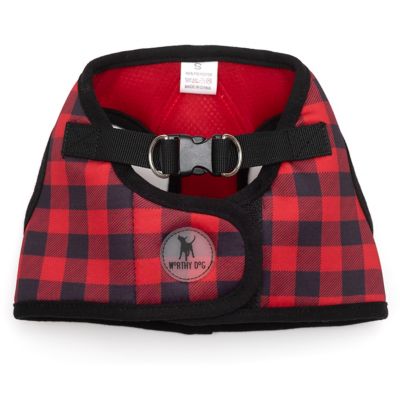
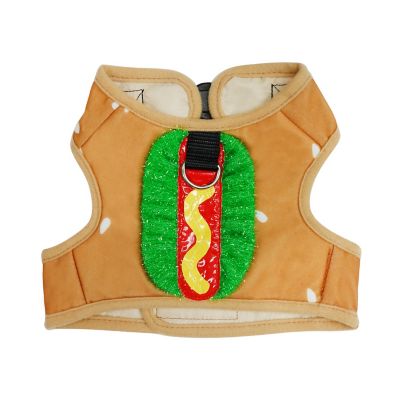
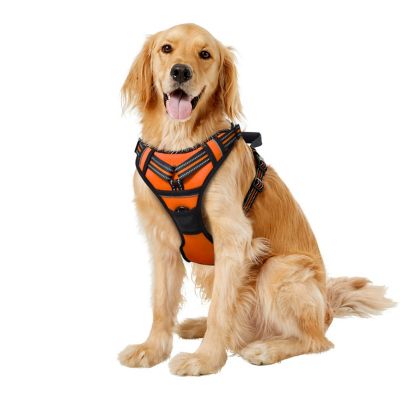
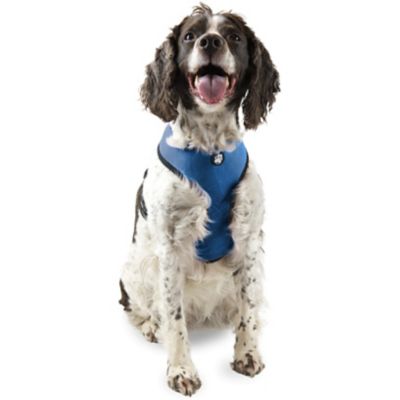
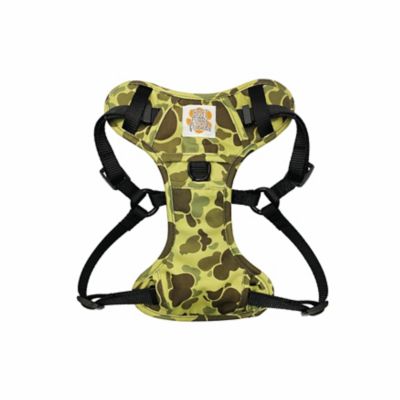
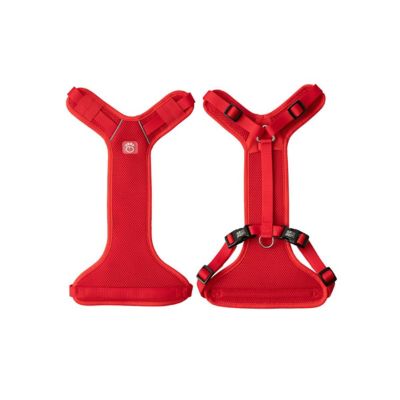
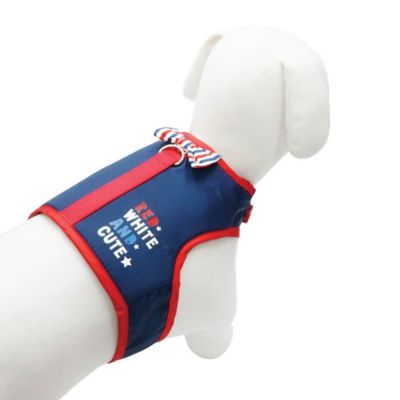
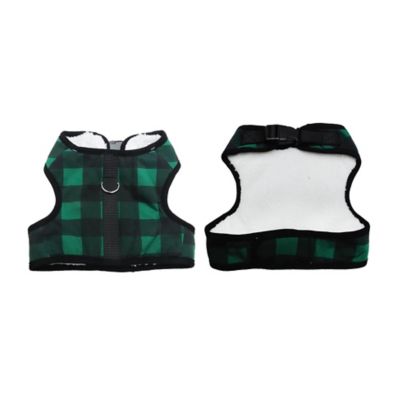
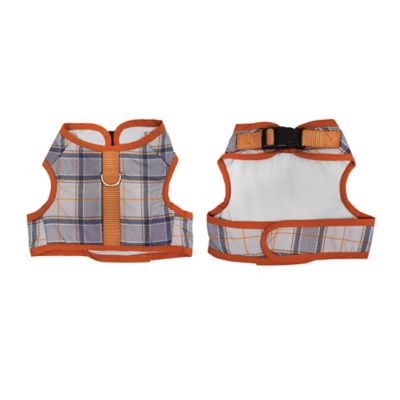
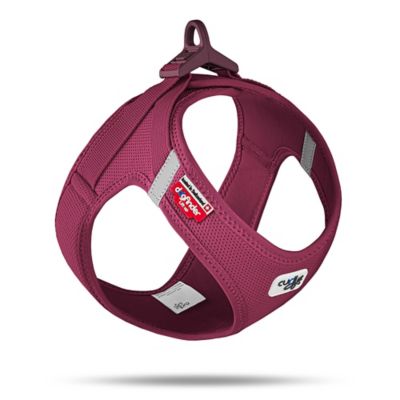
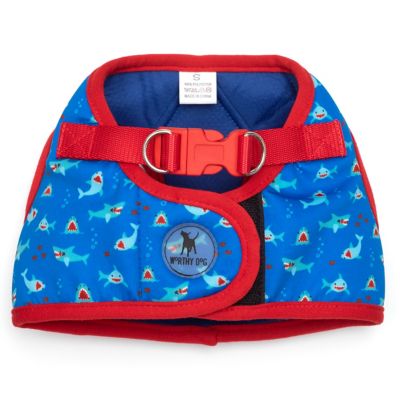
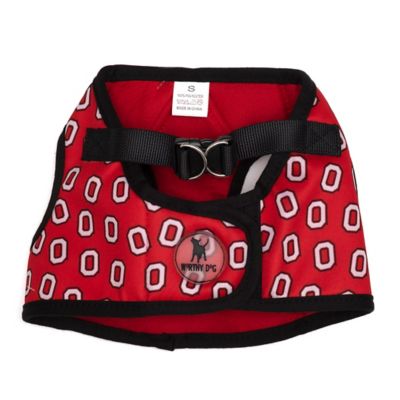
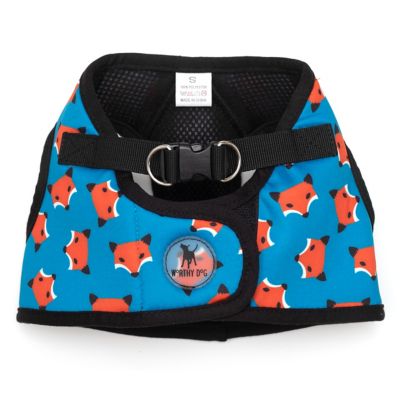
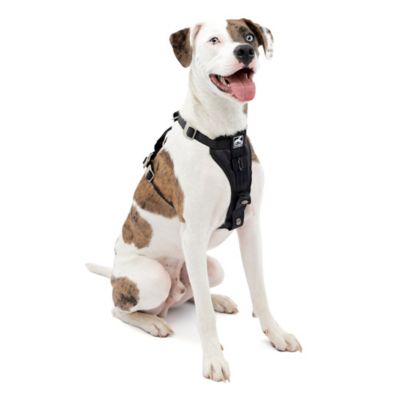
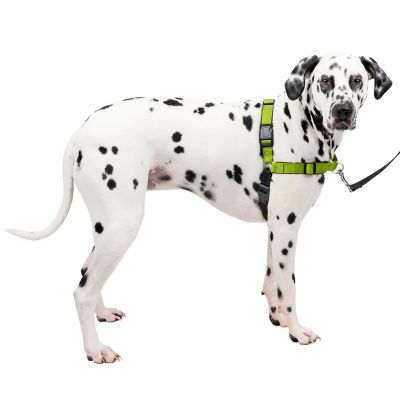
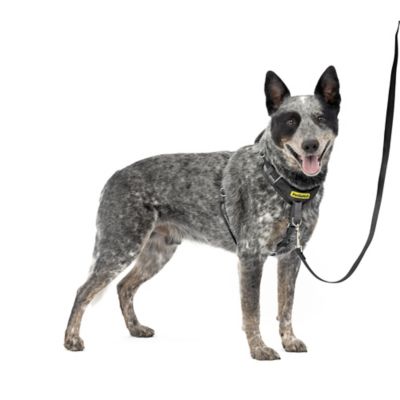
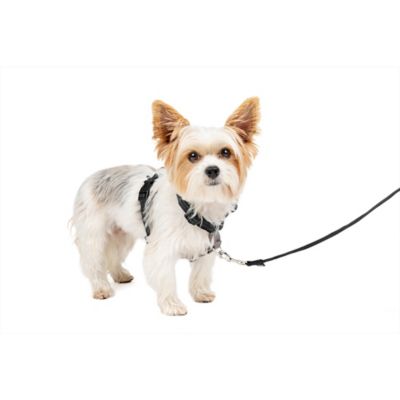
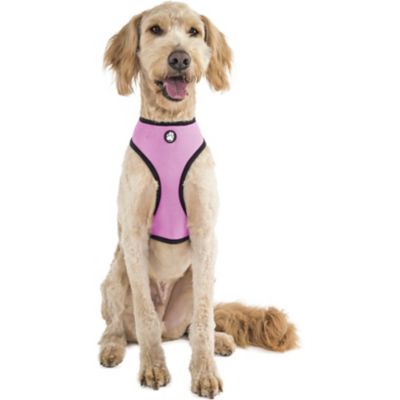
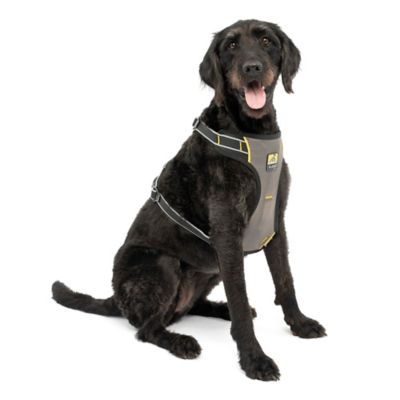
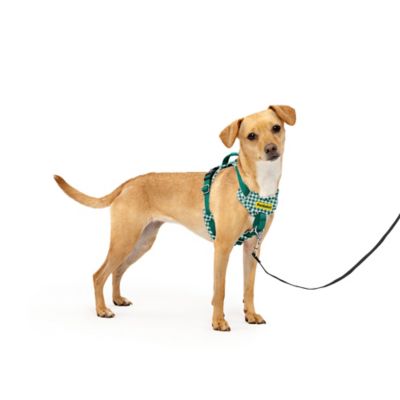
A good puppy harness is lightweight, adjusts to a growing pup and rests against the chest instead of pressing on the throat when the leash goes taut. That can make a difference on a walk down the lane, where a pup might pad along just fine until a rabbit breaks from the grass. A harness won’t teach loose-leash walking on its own, but it can give the person holding the leash a steadier way to guide a pup while the two get the hang of walking together. Soft mesh and nylon webbing are common choices, and each has a different feel. Mesh lets air pass through, and a broad vest panel spreads contact over more of the chest. Smooth edging matters on a vest, especially for a pup with a fine coat and little fur between the fabric and skin. Nylon webbing has a slimmer feel, with less material lying against the body. It’s worth looking at where the buckles and strap adjusters sit, since hardware that seems small in the hand can feel plenty big against a little pup’s ribs. How the harness goes on matters, too. A step-in style can suit a pup that ducks away when anything comes over its head, provided it’s comfortable having its front paws handled. A style that slips over the head and buckles around the body can be simpler for a pup that stands still for a buckle but won’t hold a paw up for long. A leash ring on the back is a straightforward choice for everyday walks and sniffing around the yard. Some harnesses have a ring at the chest that can help turn a pup back toward the handler when it pulls ahead. The front clip is there to help with guidance, not to do the work of leash training, and any style should let a pup walk with its normal stride.
Chest girth is usually the most useful number when comparing puppy harness sizes. It’s the distance around the widest part of the rib cage, typically just behind the front legs. Some styles also call for a measurement around the base of the neck. A soft tape should lie flat against the coat without cinching down, and the measurements can then be checked against the sizing chart for that style. Two pups that weigh about the same can have very different builds: one may have a barrel chest, while the other has narrow shoulders and a long body. A size that fits the pup in front of you is a better bet than one meant for the dog it might grow into. Adjustable straps give some room for growth, but an oversized opening can let a pup back out, especially if it plants its feet and leans away from the leash. As a starting point, there should usually be room for two fingers beneath a strap without enough slack for the harness to slide from side to side. The fit is easier to judge once the pup takes a few steps, sits and lowers its head to sniff. The chest piece should stay centered, the front legs should swing freely, and straps shouldn’t rub just behind the elbows. A harness that fit neatly a few walks ago can start looking snug across the ribs during a growth spurt, so it pays to check the fit often. The broader
Pet Harnesses selection is a place to compare styles for a growing youngster and for the full-grown dogs it tags along with. A harness can also make a practical gift for someone bringing home a puppy, especially if there’s a chance to get the pup’s measurements before picking a size.
A harness that’s easy to clean and check over can earn its keep on everything from quick trips out the back door to longer walks along a fence line. Webbing can pick up grit where it feeds through an adjuster, and a mesh vest can collect burrs and loose fur along the seams. Brushing off loose debris and following the care directions for washing will help keep rough bits from working their way against the skin. If hand washing is recommended, rinsing out the soap and letting the harness air-dry fully before it goes back on the pup are simple ways to keep it comfortable. The places that take the most tugging deserve a closer look: the stitching around the leash ring, the folds in the webbing and the spots where straps meet buckles. Fraying, a clip that no longer snaps shut cleanly or an adjuster that lets the strap creep loose are signs it’s time to replace the harness. Even a well-made harness can get nicked by puppy teeth if it’s left on the floor within reach, so a hook near the leash is a handy spot to hang it between walks. Taking it off when the walk or supervised outing is over also keeps straps from catching on crate wire or furniture. For a pup just getting familiar with a harness, a few minutes wearing it while nosing around the kitchen or taking a treat by the door can make the buckle and the feel of the straps less of a fuss. Out on the leash, the right fit tends to show in ordinary moments: the pup can hop over a rut, turn to sniff a gatepost and trot back alongside without the chest panel twisting or the straps pinching. Those little movements tell more about how a harness suits a puppy than the size printed on the tag alone.