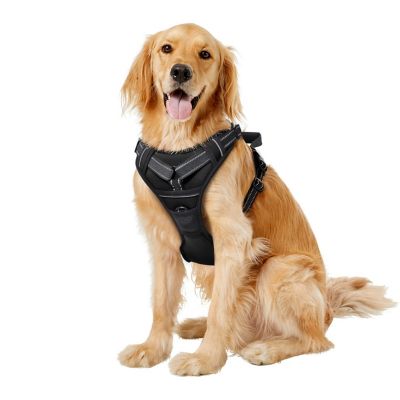
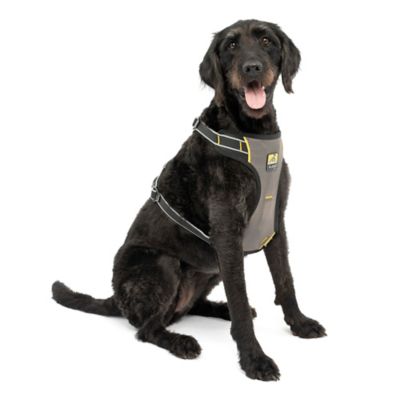
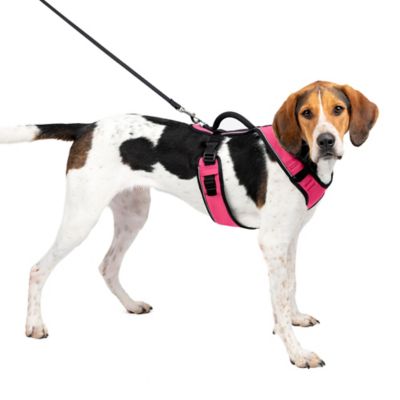
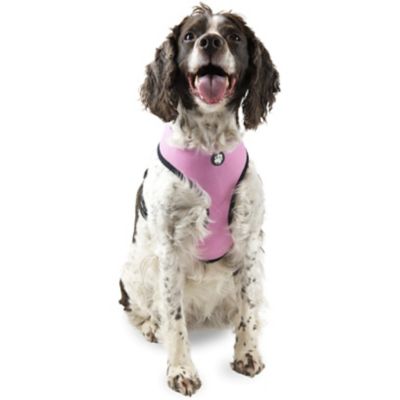
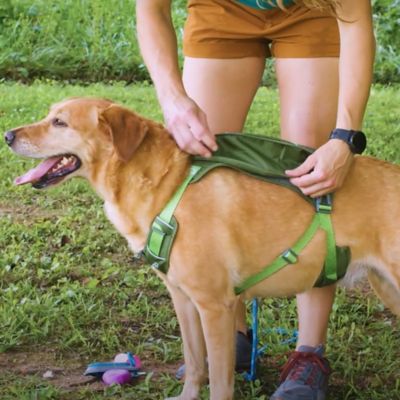
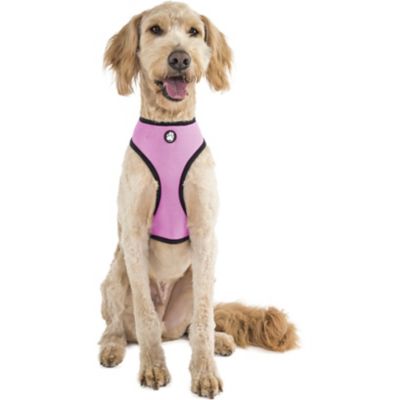
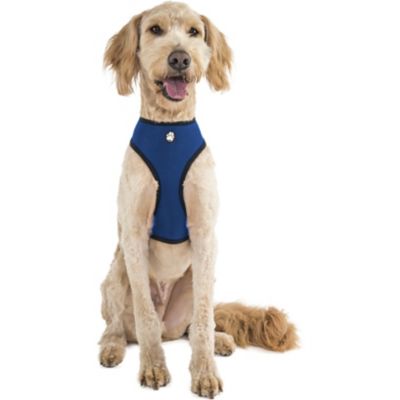
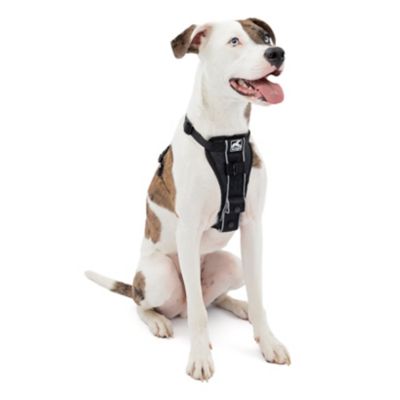
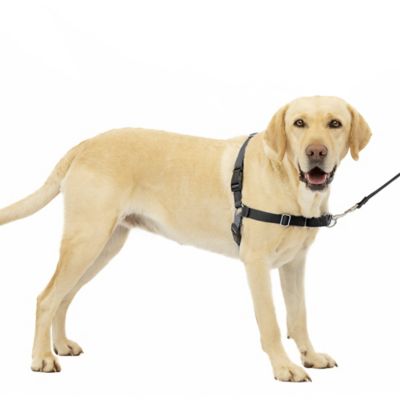
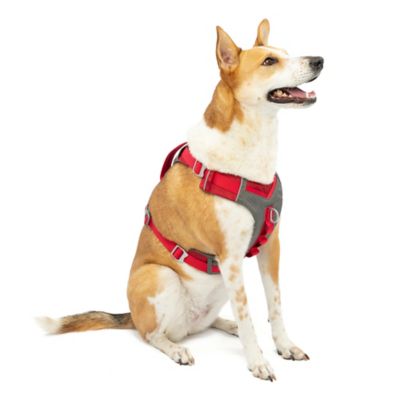
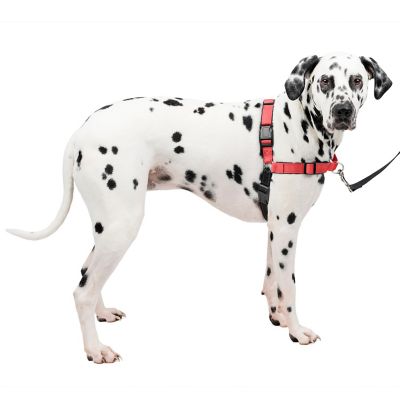
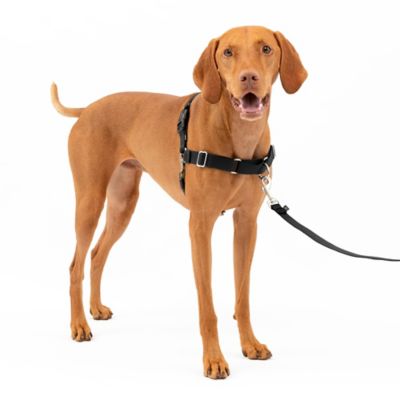
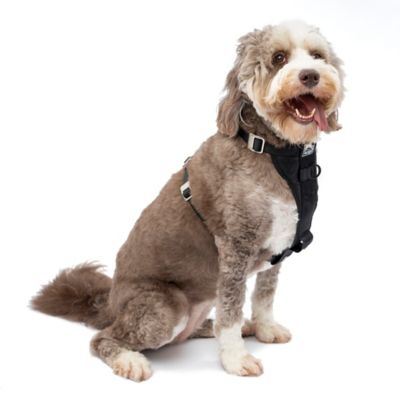
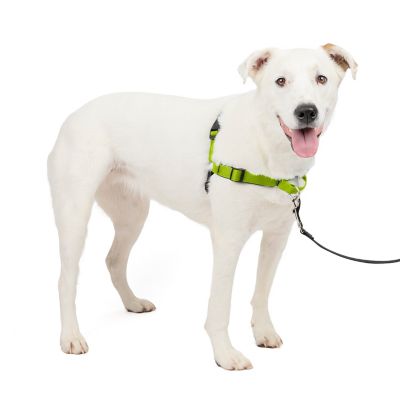
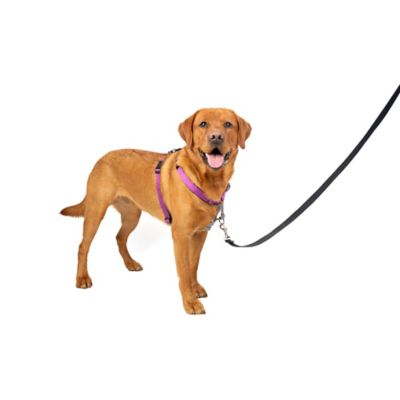
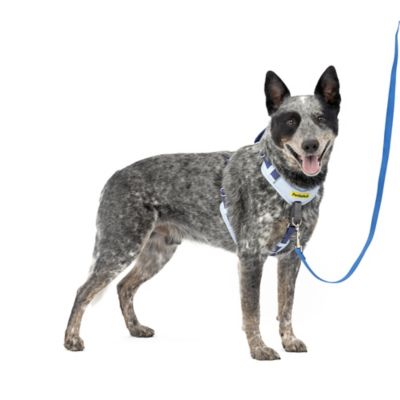
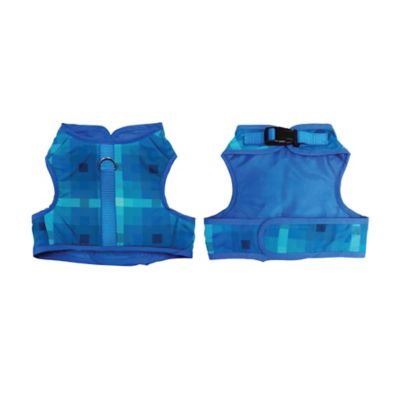
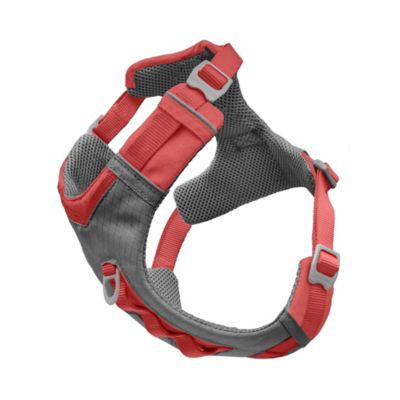
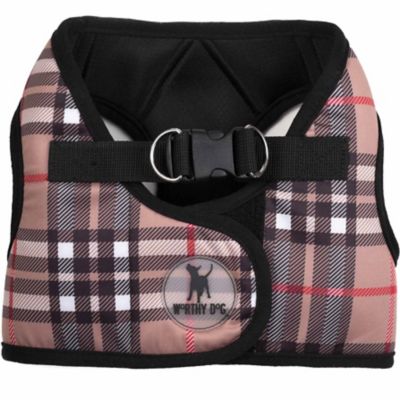
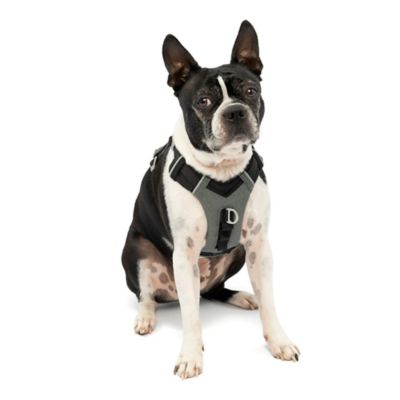
Large dog harnesses give bigger dogs a body-fitting connection to the leash for everyday walks, trail outings, and trips into town. Rather than attaching the leash at the neck, a harness places that connection around the torso, with straps or panels across the chest and behind the front legs. The way those pieces sit matters just as much as the size printed on the tag. A broad-chested dog and a tall, lean dog can weigh the same and still need very different fits. Chest girth—the measurement around the widest part of the rib cage, usually just behind the front legs—is a useful starting point, along with any neck, back-length, or weight measurements required by the harness sizing chart. Weight alone does not tell the whole story. Adjustable neck and chest straps help account for differences in build, while the shape of the chest panel determines where the harness rests as a dog moves. A good fit stays reasonably centered without pinching behind the elbows, pressing across the throat, or limiting a natural stride. Many harness instructions suggest room for two fingers beneath the straps, though the maker’s fit directions should take priority. Loose gaps deserve attention, too, especially with a dog that backs away from unfamiliar people or plants its feet at the truck door. An additional belly strap can offer more coverage on some designs, but no harness is escape-proof. For a growing large-breed dog, room for adjustment helps accommodate changes in chest size without leaving the harness loose today. Younger dogs that have not yet grown into adult sizing may be better matched to
Puppy Harnesses, with sizing based on their present measurements rather than their expected adult weight. Across life stages, the right proportions help keep the leash connection where it belongs, whether the outing is a short lap around the yard or a longer walk down the lane. Fit also deserves another look after a noticeable change in weight or body shape.
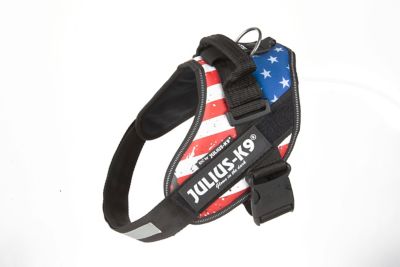
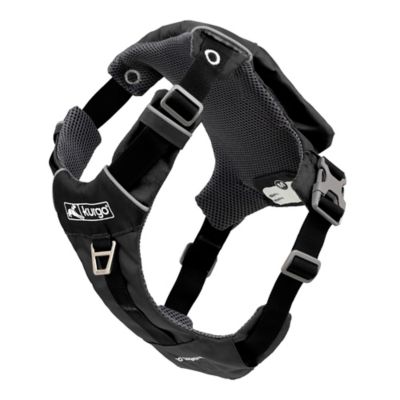
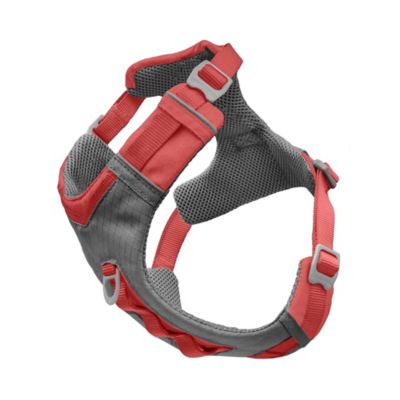
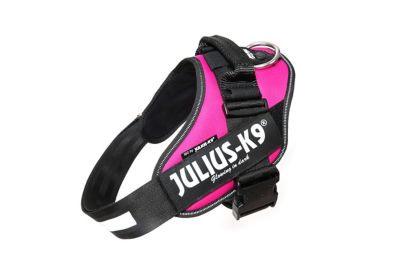
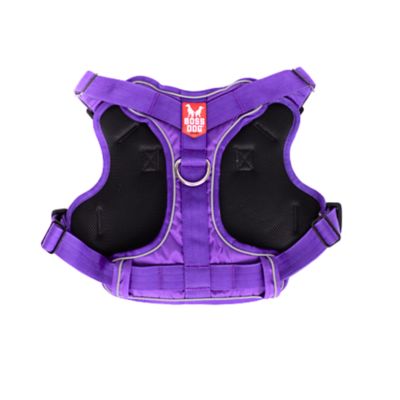
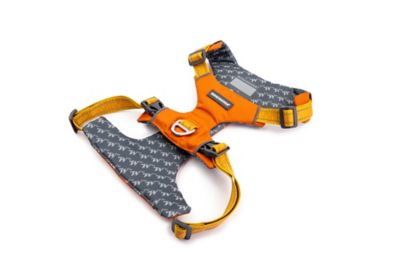
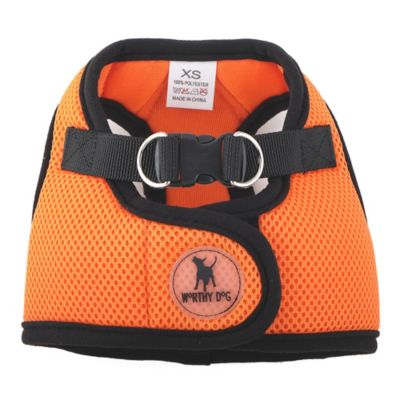
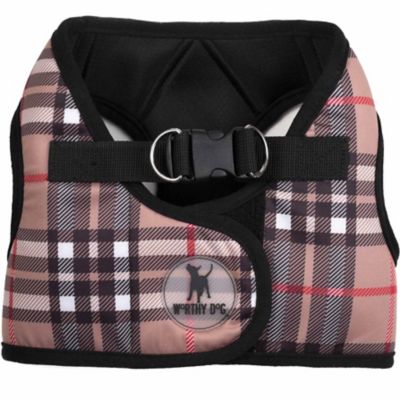
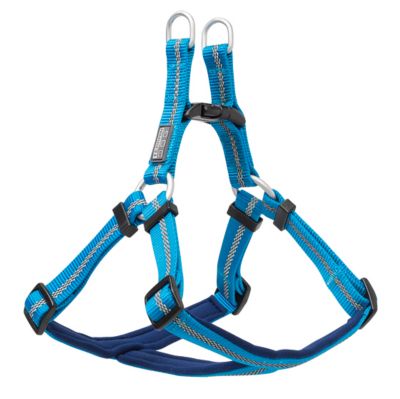
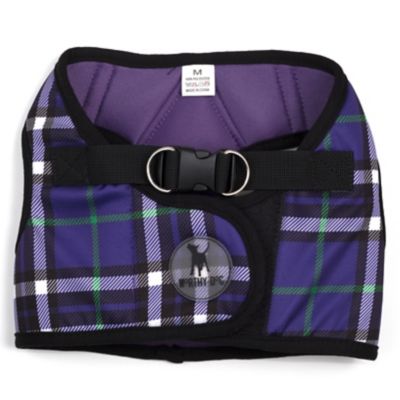
Materials and construction make a noticeable difference when a strong dog is on the other end of the leash. Nylon and polyester webbing are common harness materials, offering flexible straps that lie against the body without the coverage of a full vest. Wider webbing can spread contact over a larger area, provided it does not crowd the space behind the front legs. Padded chest and back panels add cushioning at contact points, while mesh-lined sections can help manage moisture during active outings. Edges should feel smooth, with seams positioned away from places that rub during a long stride. For a dog that noses through brush along a fence line or stretches out on gravel beside the porch, resistance to abrasion matters. Reinforced stitching at leash attachments and strap junctions is worth a close look because those areas take repeated tension. Metal D-rings are common leash attachment points, but metal alone does not establish the strength of the entire harness; the webbing, stitching, buckles, and attachment design all work together. Buckles should close fully and stay clear of trapped hair, while adjustment sliders should hold their setting rather than gradually letting straps lengthen. Closure placement matters for handling, too. An over-the-head harness may suit a dog that stands quietly, while a design that opens around the neck can be more comfortable for one that dislikes having gear slipped over its ears. Step-in designs offer another approach, although lifting a reluctant big dog’s feet can turn a simple routine into a chore. Reflective details can make harness surfaces easier to notice when light hits them, but they do not replace a light or attentive handling in low-light settings. Color and coverage can help make a harness easier to spot against a thick coat, while a less enclosed design may simplify checking strap placement. The most useful construction is the one that suits the dog’s build, the handler’s routine, and the amount of wear the harness will see.
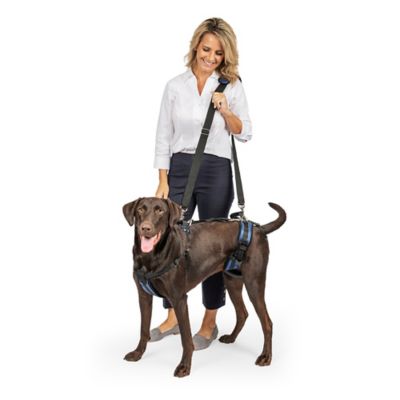
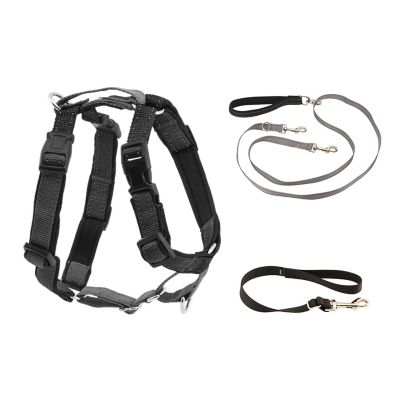
Leash attachment placement helps distinguish large dog harnesses intended for different routines. A back attachment keeps the leash above the dog’s shoulders and can work well for a steady walker, while a front chest attachment may help redirect a dog that leans into the leash. No-pull harnesses can support leash training, but they do not teach loose-leash walking on their own or take the place of consistent handling. Front connections also need enough clearance to keep the leash from tangling around the front legs. Dual-attachment designs offer flexibility, particularly when paired with a compatible double-ended leash and a handler comfortable managing both connections. For a big dog that pauses at steps or needs close guidance through a gate, a back handle can provide a brief, nearby handhold. That handle is not automatically a lifting point. A harness intended for mobility assistance has a different job, with support positioned for the dog’s needs and lifting limits specified by the maker. Senior dogs or dogs recovering from an injury may need purpose-built support selected with veterinary advice rather than a walking harness with a convenient grip. Likewise, a walking harness should not be treated as a vehicle restraint unless it is specifically designed for that purpose. Everyday care helps preserve the harness’s condition: remove loose hair and grit, follow the cleaning label, and let straps and padding dry fully before putting the harness away. Buckles and adjustment channels benefit from attention after dusty walks, since packed dirt can interfere with their operation. Frayed webbing, torn seams, bent rings, cracked buckles, or straps that will not stay adjusted are reasons to stop relying on that harness. For households sharing walking duties, easy-to-find leash rings and straightforward closures can make handoffs simpler. A harness can also be a thoughtful gift for someone with a large dog when current measurements and the dog’s walking habits are known. Comfort, secure fit, and construction suited to the task matter more than looks when a big companion is ready to head out.