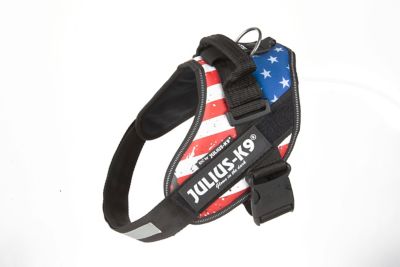
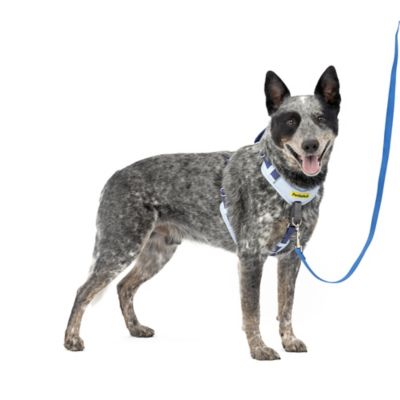
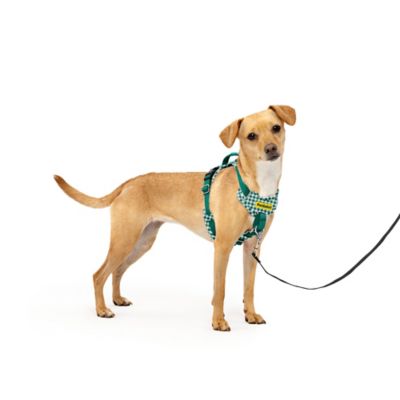
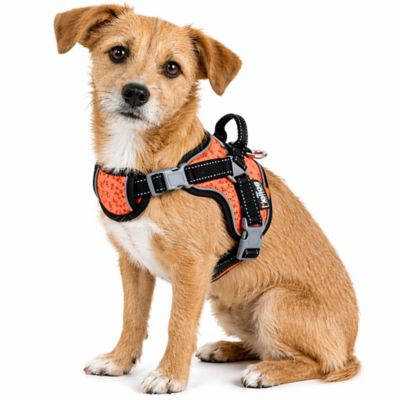
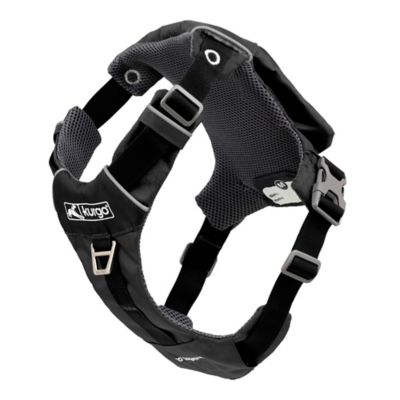
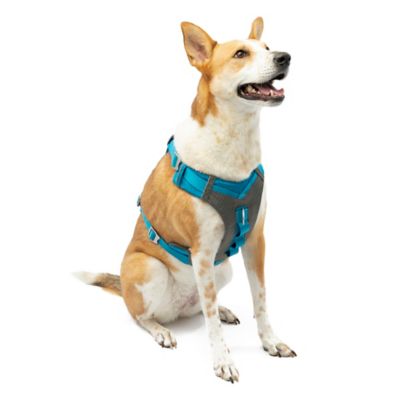
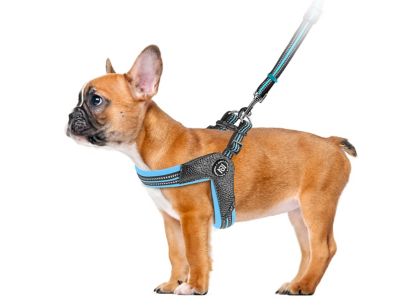
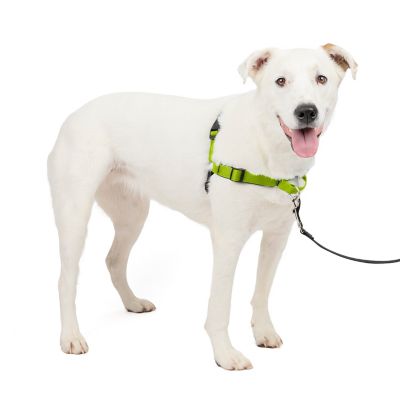
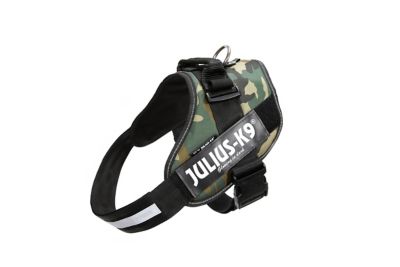
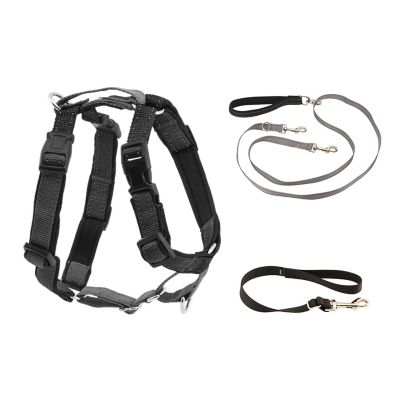
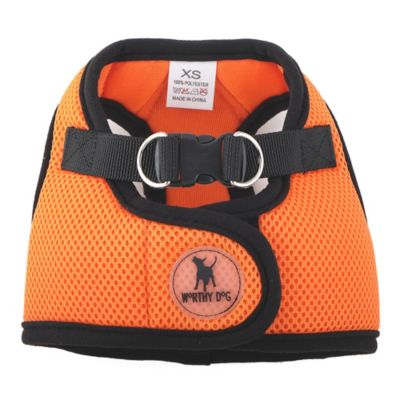
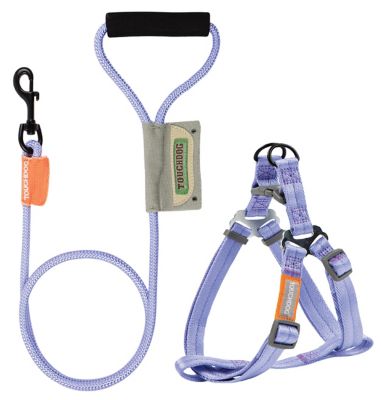
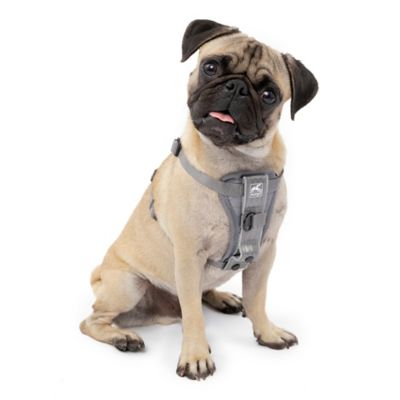
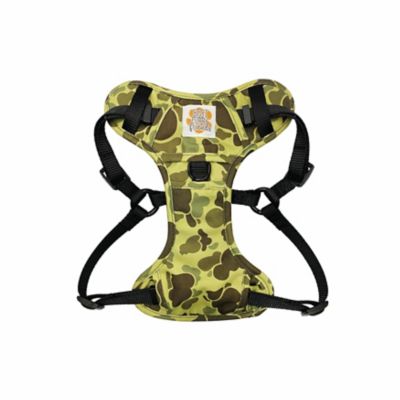
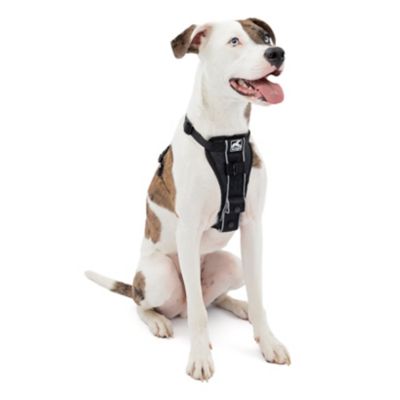
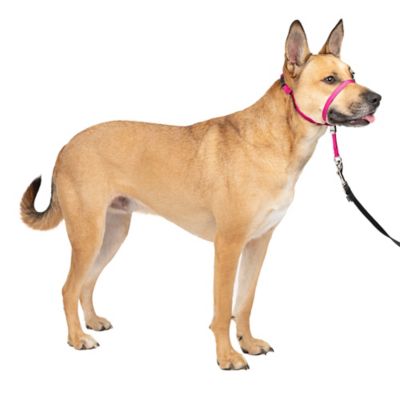
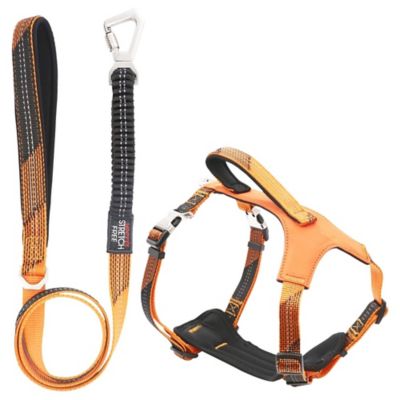
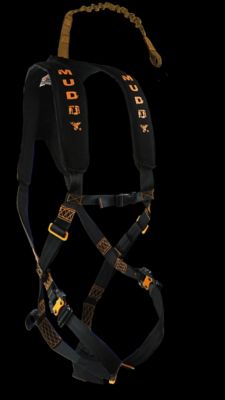
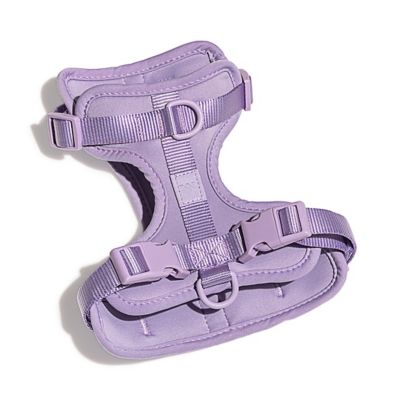
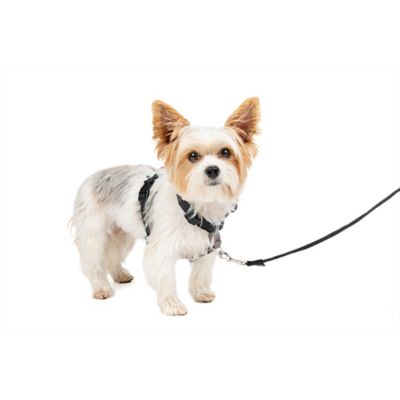
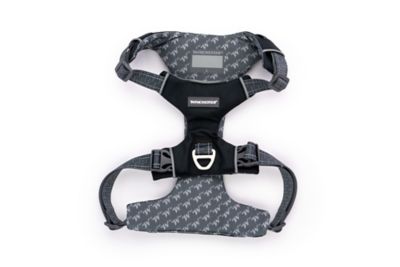
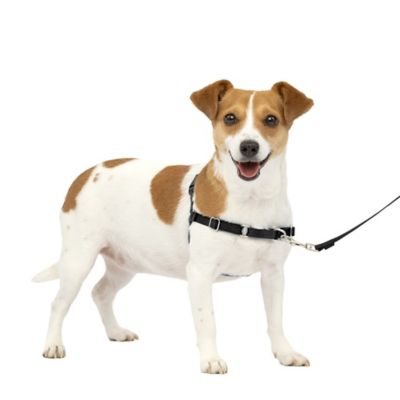
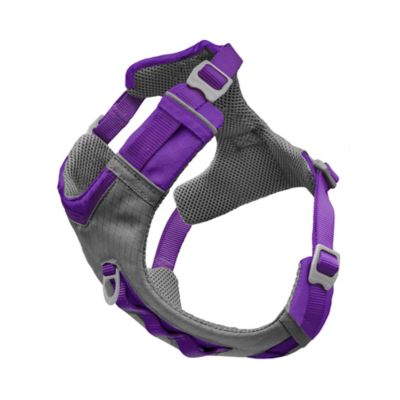
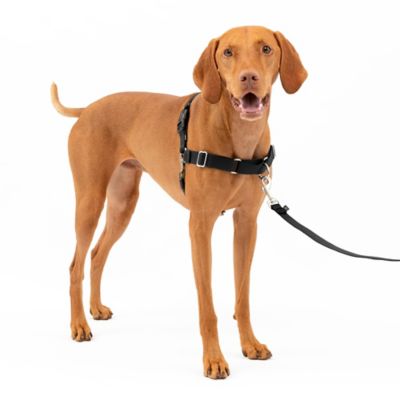
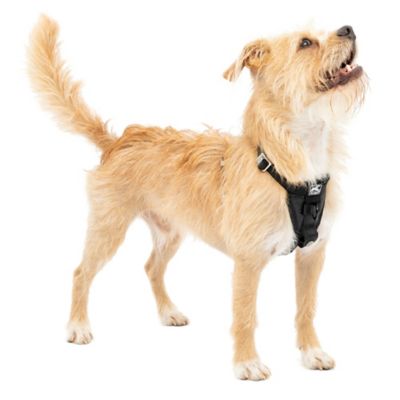
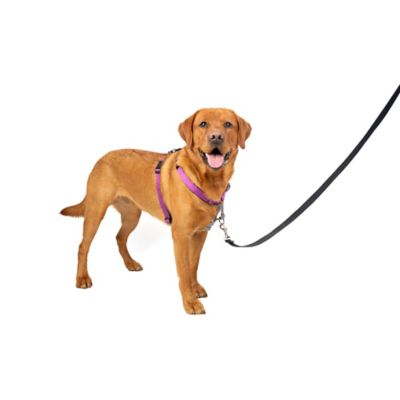
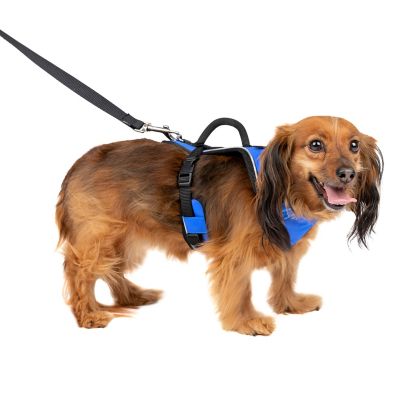
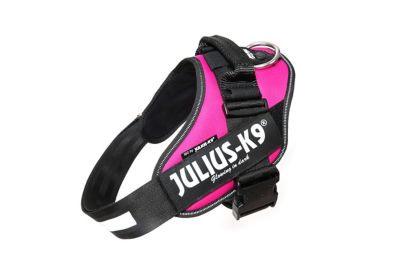
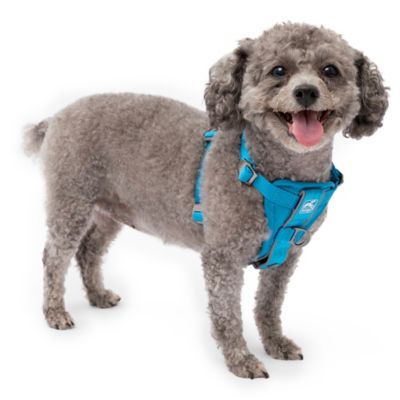
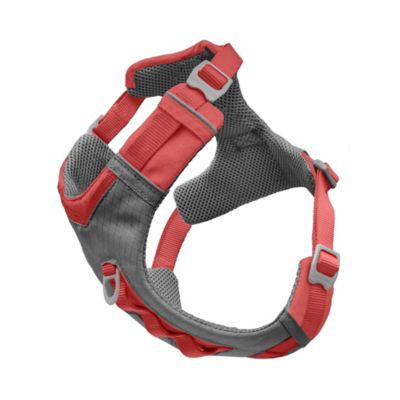
No-pull dog harnesses can make everyday walks more comfortable and manageable, especially for dogs that lean into the leash, lunge toward squirrels, or get carried away by every new smell along the road. Unlike a traditional collar, a harness spreads leash pressure across the chest and shoulders instead of concentrating it around the neck. Many no-pull styles use a front-chest leash attachment, also called a front clip, that helps redirect a dog back toward the person holding the leash. When a dog pulls ahead, the front placement can turn the body slightly to the side and interrupt that forward momentum without relying on a hard correction. This design may be a helpful choice for strong dogs, excitable young dogs, and pets that cough or strain when they pull against a collar. Some harnesses also include a back attachment point, giving you the option to use a familiar walking setup once your dog settles into a steady pace. For a closer look at front-attachment styles, browse
Front Clip Dog Harnesses. A no-pull harness is not a substitute for training, and it will not make every dog walk politely on its own. Calm practice, rewards, and consistent handling still matter. Used together, the right harness and patient training can turn a rough, arm-yanking walk into a more relaxed trip around the block, down a gravel lane, or across the yard.
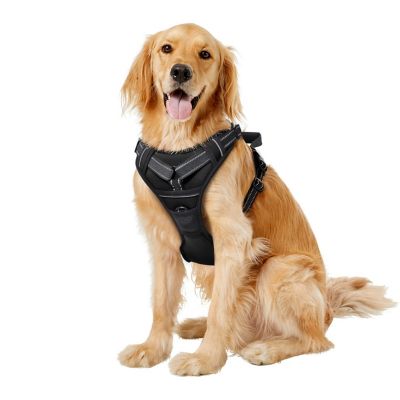
Fit is the most important part of choosing a no-pull dog harness. Start by measuring your dog according to the sizing instructions, usually around the broadest part of the chest just behind the front legs, and compare those measurements with the manufacturer’s size chart rather than choosing by breed name alone. A harness should be snug enough that your dog cannot back out of it, but not so tight that it pinches, rubs, or restricts normal movement. You should generally be able to slide two fingers beneath the straps, with the webbing lying flat against the coat. After putting it on, check that the front strap rests across the chest and that the shoulder joints can move freely. Take a few steps indoors or in a fenced area, then look for twisting, gaping, rubbing behind the legs, or straps that drift toward the throat. Barrel-chested, narrow-waisted, stocky, and deep-chested dogs may need especially careful adjustment because a loose harness can allow an escape while an overly snug one may cause chafing. Dogs with thick coats can be harder to fit by feel, so run your hands beneath the straps and check again after a short walk. A lightweight, breathable material may be more comfortable for warm afternoons, while sturdy webbing and easy-to-grab adjustment points can be useful during cooler months when dogs are active outdoors. Reflective details may add visibility along a dim driveway or trail, and a simple buckle can make getting ready easier when your dog is eager to head out. Always inspect the stitching, buckles, and leash ring before each walk, especially if your dog is powerful or tends to bolt. A harness should be used with an appropriate leash and should never be treated as a tie-out, lifting handle, or unattended restraint unless it is specifically designed and approved for that purpose.
No-pull harnesses suit a wide range of households, from someone teaching a new puppy good walking habits to a family helping an older dog enjoy short outings without added pressure around the neck. They can be handy for dogs that visit feed stores, farmers markets, training classes, campgrounds, or busy walking paths where distractions are plentiful. A front attachment can give the handler more control when a dog spots a rabbit near the fence line or tries to greet every passing dog, while a back attachment may work well for calm walks, jogging at an easy pace, or dogs that have already learned to stay beside their person. Introduce a new harness gradually. Let your dog sniff it, offer a treat when it comes near, and put it on for brief periods before heading outside. Keep the first few walks short and reward a loose leash, a check-in, or a few steps beside you. If your dog freezes, scratches, pants heavily, or seems uncomfortable, remove the harness and check the fit and placement. These harnesses also make practical gifts for a new dog owner, a family bringing home a rescue, or anyone whose dog has outgrown an old walking setup. Choose a size based on the recipient’s dog measurements when possible, and consider adding a dependable leash or waste-bag holder for a useful walking set. During the cooler months, many dogs get extra chances to stretch their legs on crisp mornings and longer afternoon walks, making comfortable, dependable walking gear especially welcome. With the right fit, regular inspections, and steady reward-based practice, a no-pull dog harness can help make those outings safer, easier to handle, and more enjoyable for both ends of the leash.