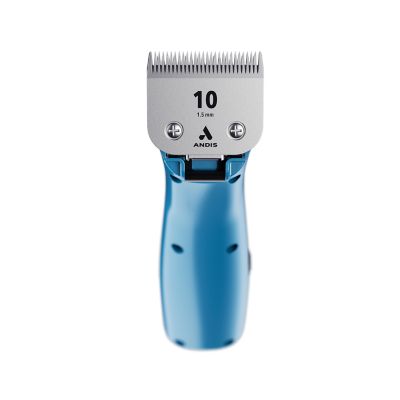
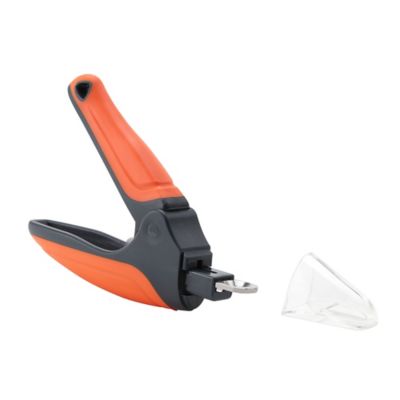
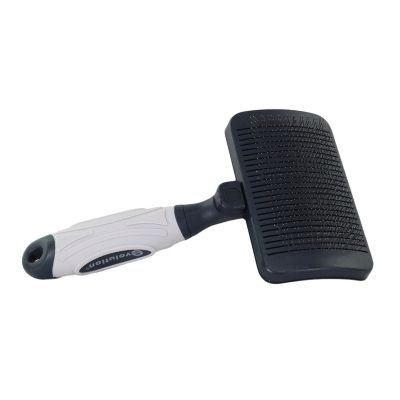
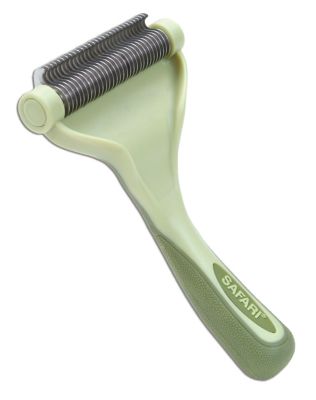
Dog clippers for grooming can make regular coat care easier at home, whether you are keeping a family dog neat between professional appointments or handling the full haircut yourself. The right set depends mostly on your dog’s coat, size, grooming routine, and comfort around noise and vibration. A short, smooth coat may only need occasional touch-ups, while thick, curly, double, or fast-growing hair calls for a clipper with enough power to move steadily through the coat. Dogs with poodle-type coats and many poodle mixes often need more frequent trimming to prevent hair from becoming tangled or matted, so it helps to choose equipment that feels comfortable in your hand and can keep up with regular use. For more coat-specific shopping, browse
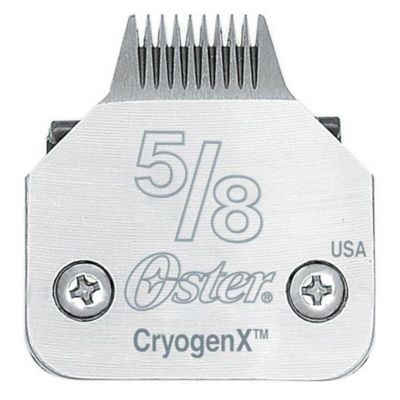
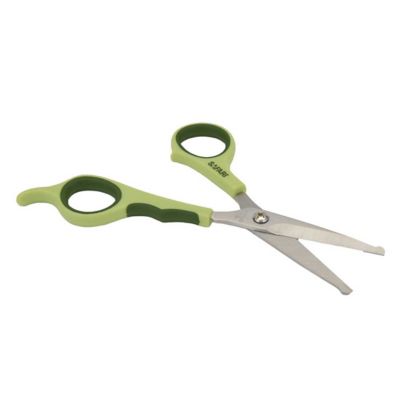
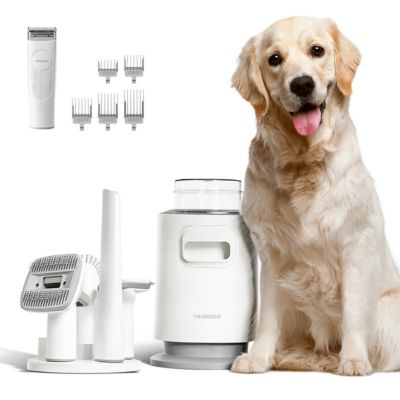
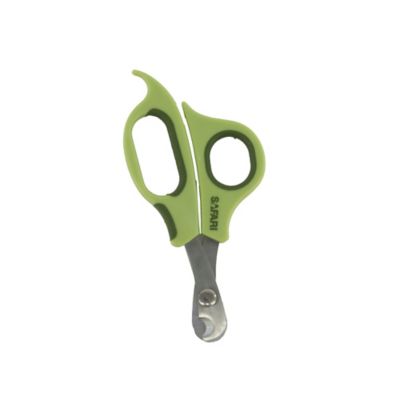
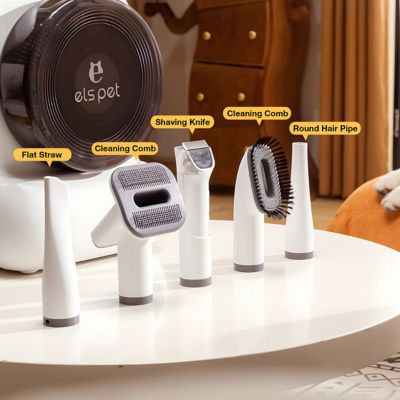
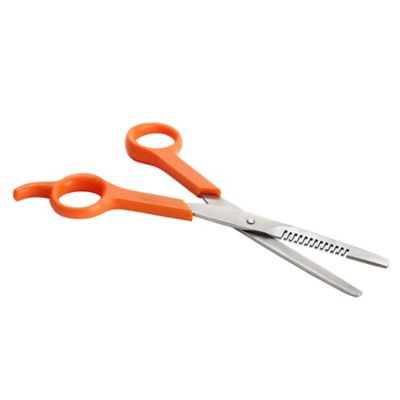
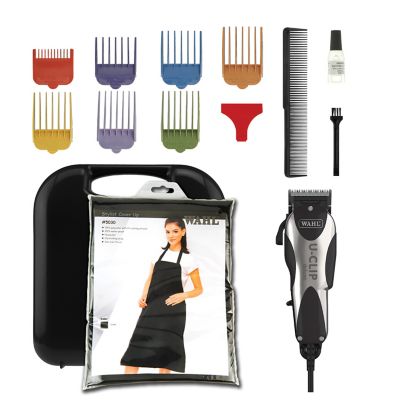
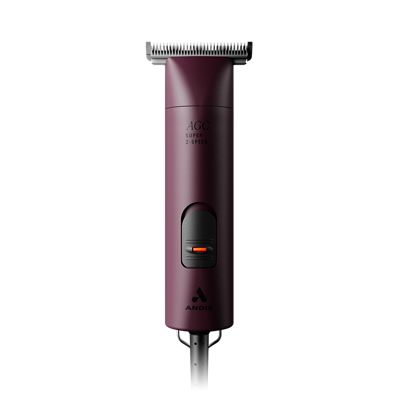
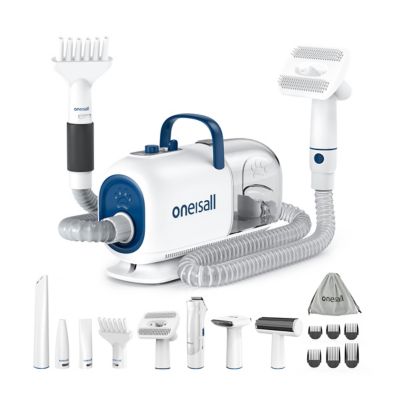
Dog Clippers For Poodles. Heavy-duty clippers with detachable blades are useful for dense coats, larger dogs, and full-body grooming because they are built to handle more hair without bogging down as quickly. Adjustable clippers with multiple length settings can be handy for detail work around the feet, face, legs, and sanitary areas, especially when you want a little more control over the finished trim. Grooming kits may include guide combs, cleaning brushes, scissors, or other helpful accessories for people building a home grooming setup. Before choosing, take a close look at the blade options and the cutting lengths available. A shorter trim can help keep a coat manageable during warmer stretches, while leaving more length may be preferable for dogs that spend time outdoors during cooler weather. Even dogs that do not need a complete haircut can benefit from careful touch-ups around the paw pads, eyes, ears, and hindquarters, where excess hair can collect dirt, moisture, burrs, and other debris from the yard.
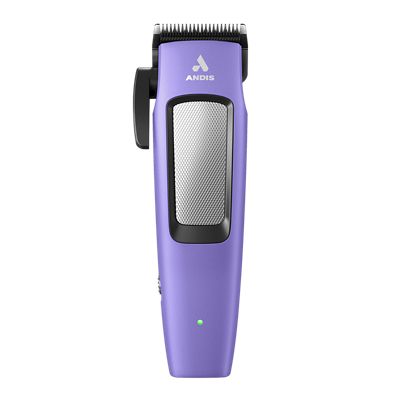
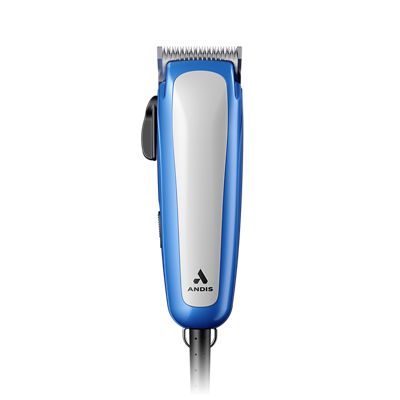
Corded and cordless dog clippers each have a place in a home grooming routine. Corded models provide steady power for longer grooming sessions, large dogs, or especially thick coats, and they are convenient when you have a dependable outlet near the grooming area. Cordless clippers offer more freedom to move around a wiggly dog, step outside on a calm day, or work in a barn, mudroom, laundry area, or other space where a cord may get in the way. Battery life matters with cordless equipment, particularly if your dog needs several passes or regular breaks. A clipper that is comfortable to hold can make a big difference when you are working slowly around shoulders, hocks, and other uneven areas. Noise and vibration are important considerations, too. Some dogs settle down with a quiet, low-vibration clipper, while others need time and patience before accepting any grooming tool near their body. Let a new clipper run nearby without touching your dog, offer praise and a small treat, then gradually introduce the sound and feel. A lower speed can be useful for sensitive areas and for anyone learning how much pressure to use. Higher speeds may help move through a thicker coat, but the blade can heat up faster, so check it often against the inside of your wrist and switch to a cool blade when needed. Never force a clipper through a tight mat. Mats can pull at the skin and hide irritation, sores, or parasites, and severe matting may be safest for a professional groomer or veterinarian to address. Brush and comb the coat first when possible, making sure it is clean, dry, and free of loose tangles. Work in small sections with the direction of hair growth, keep the skin gently stretched in loose or wrinkled areas, and use extra care around the face, ears, joints, and belly.
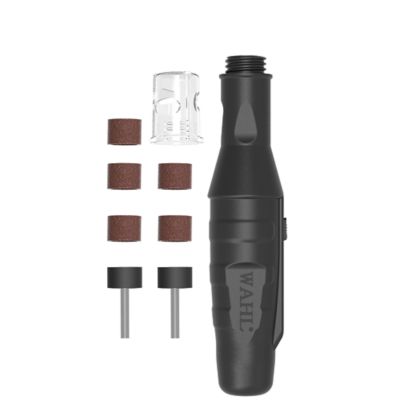
Good preparation and basic upkeep help dog grooming clippers perform better over time. Set up a stable, well-lit spot with a nonslip surface, plenty of room, towels, a brush, a comb, and a place where your dog can take a break. A dog that has been running around the yard may need a few minutes to settle before grooming begins; starting when everyone is calm usually makes the process smoother. Keep the first sessions short and finish on a positive note instead of trying to complete every trim in one sitting. For dogs that are nervous, divide grooming into manageable steps over several days. Clean loose hair from the clipper after each use, follow the care directions for blade washing and lubrication, and store blades dry so they are ready for the next session. Clippers work best when blades are sharp and properly maintained. Dull blades tend to snag hair, require extra passes, and may create more heat and discomfort. Replacement blades, guide combs, and other compatible accessories can help you adjust the trim as your dog’s coat and routine change. A grooming clipper set can also be a practical gift for a new dog owner, a family with a long-coated companion, or someone caring for several dogs on a small farm or rural property. It is especially useful for people who already enjoy brushing, bathing, and other hands-on pet care, though beginners should take their time and learn their dog’s coat before attempting a close or complicated cut. With the right clipper, a patient approach, and regular cleaning between sessions, home grooming can help keep a dog comfortable, tidy, and ready for muddy walks, time in the pasture, and quiet evenings by the back door during the cooler months.