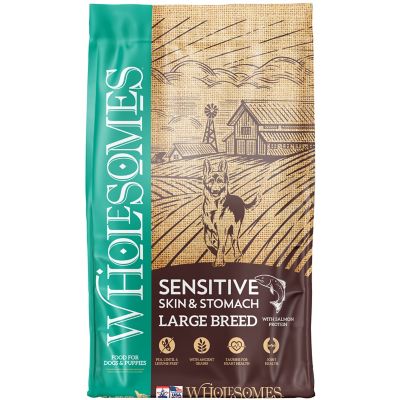
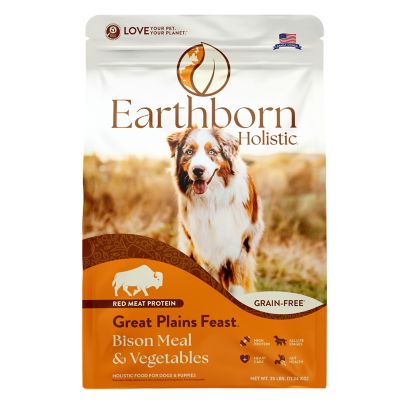
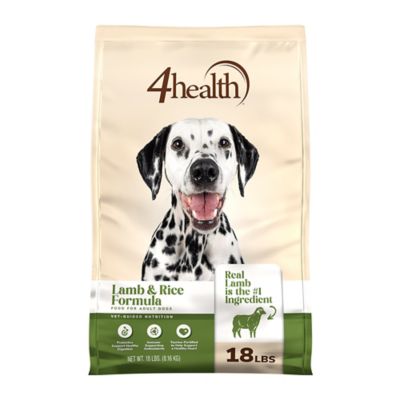
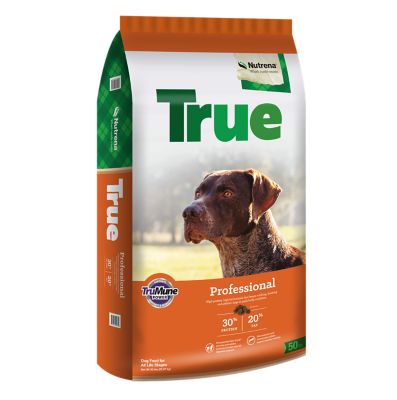
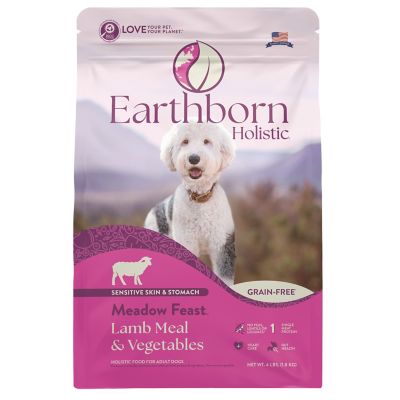
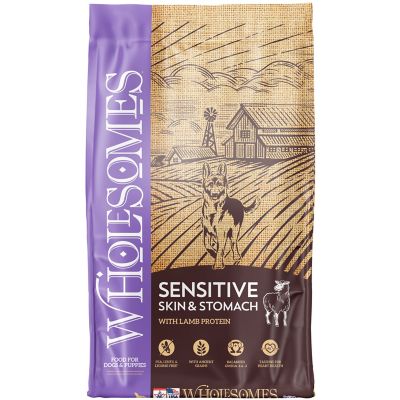
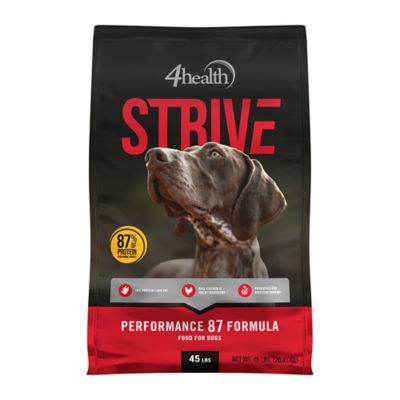
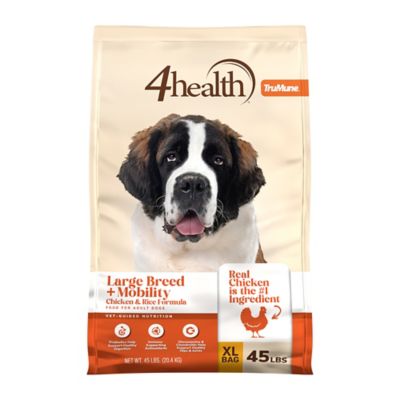
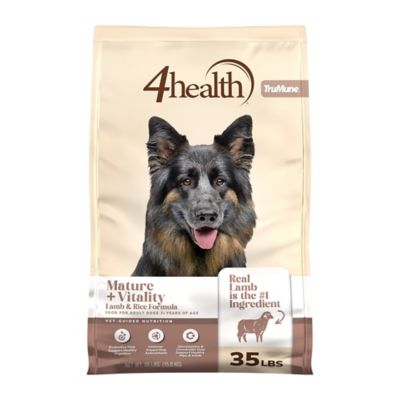
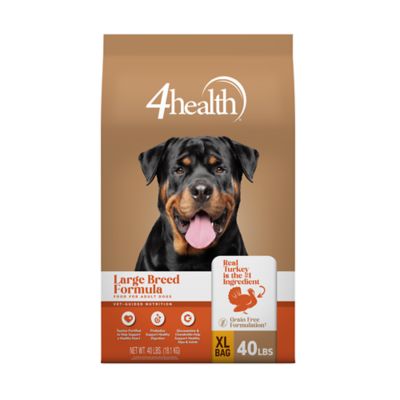
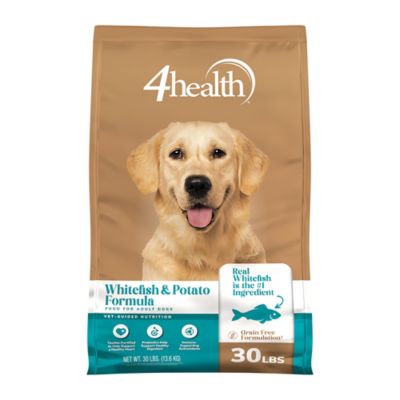
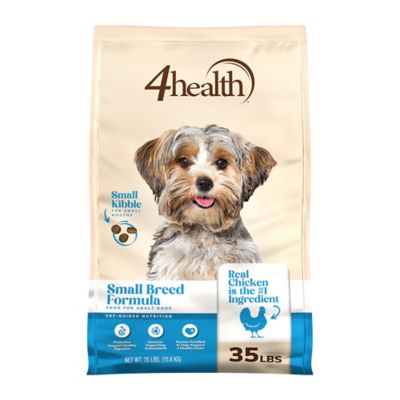
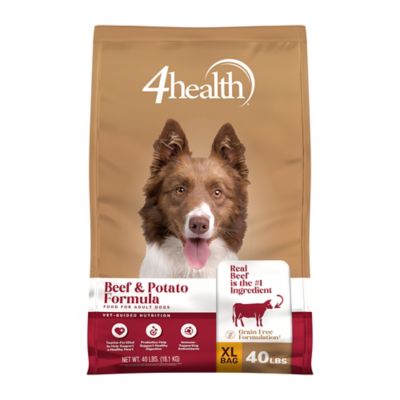
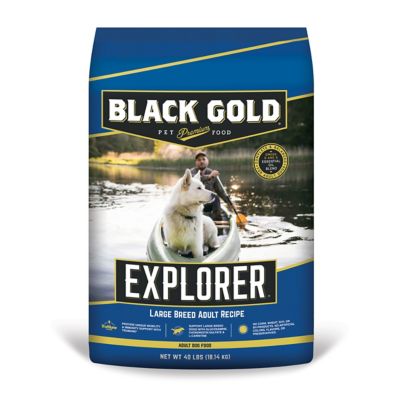
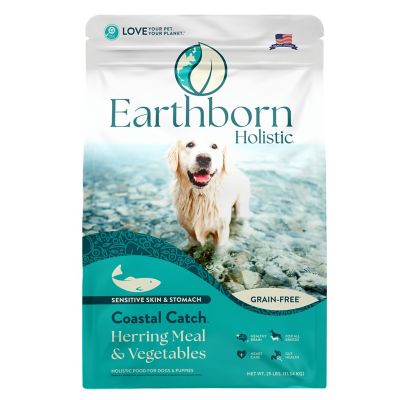
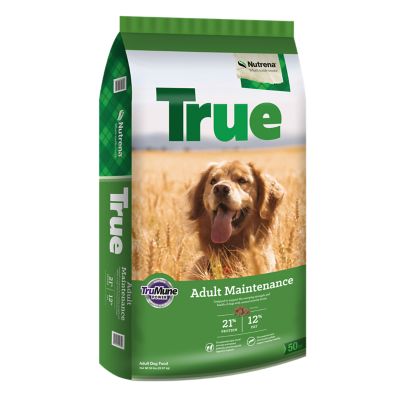
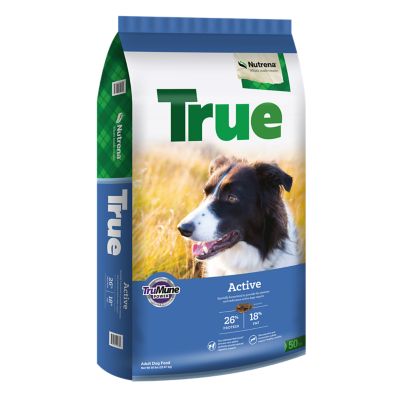
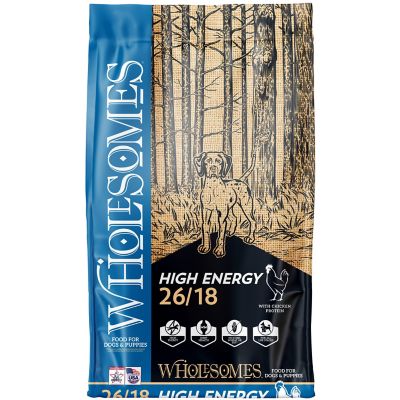
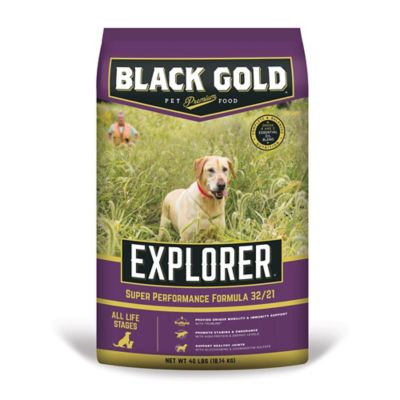
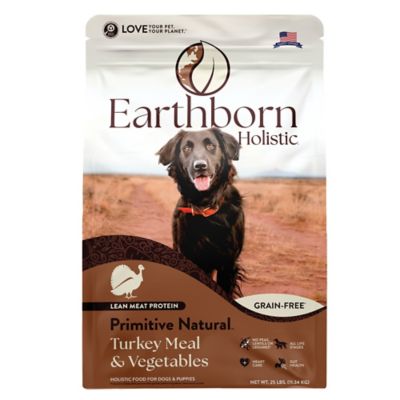
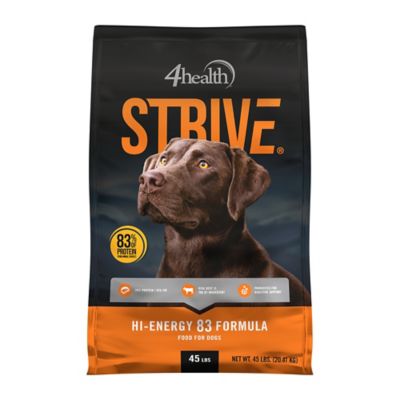
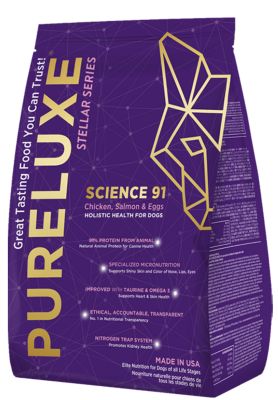
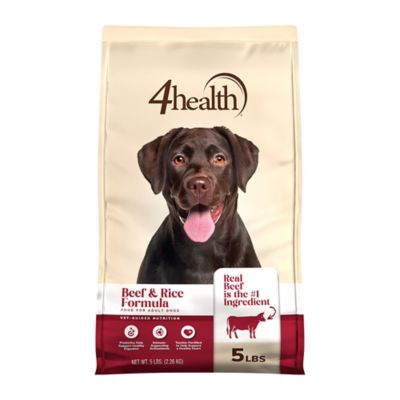
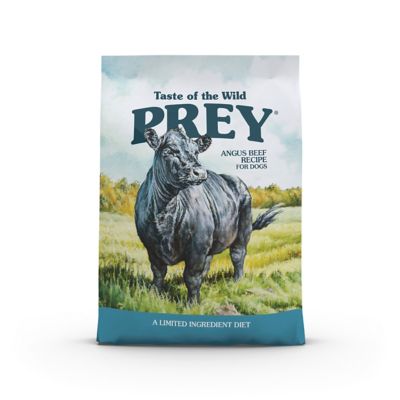
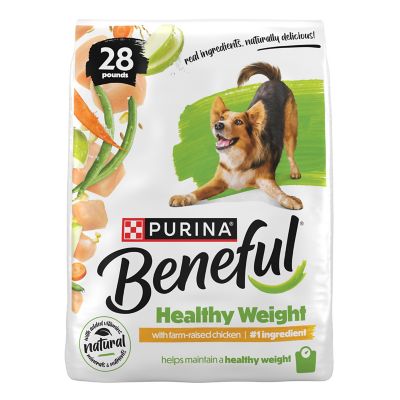
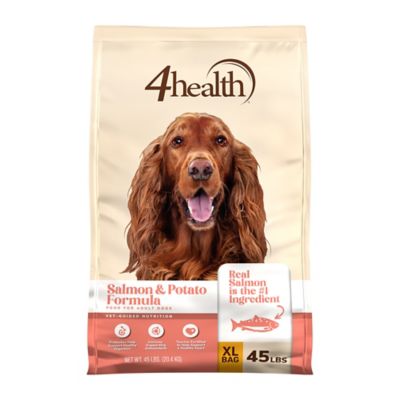
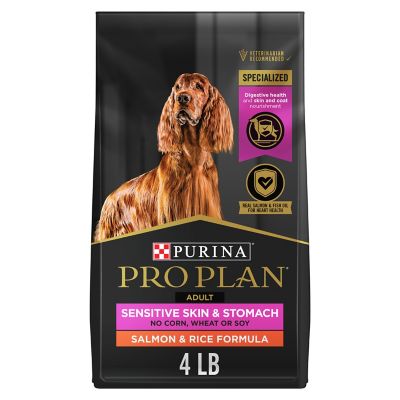
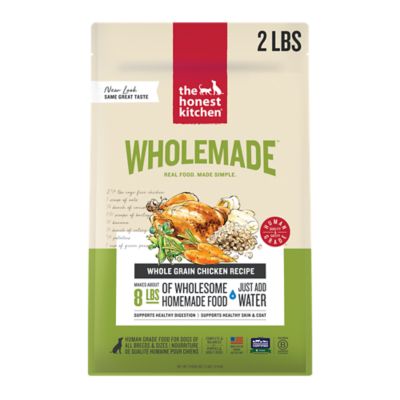
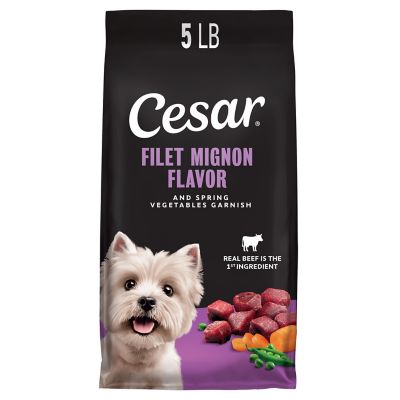
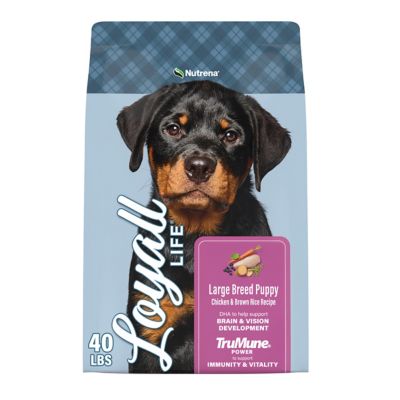
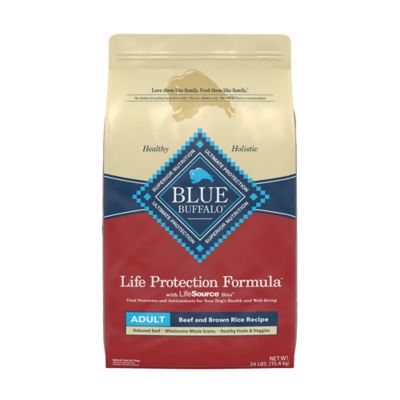
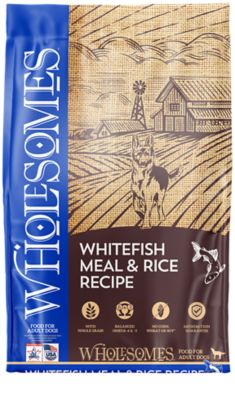
Dog food with taurine contains a sulfur-containing amino acid that supports normal heart function, vision, and nervous system function. Taurine also plays a role in forming bile salts, which help the body digest fats. Most dogs can make taurine from other amino acids, including methionine and cysteine, supplied by dietary protein. Some dogs, however, may have different needs because of their breed, health, or the way their bodies process nutrients. Foods in this category may contain naturally occurring taurine from animal ingredients, added taurine, or both. Meat, poultry, fish, and organ meats can contribute taurine, although the amount in a finished food depends on the ingredients and processing. Added taurine may appear by name in the ingredient list, making it easier to recognize when comparing recipes. Its position on that list does not tell the whole story about how much taurine a serving provides, and the package may not state a total amount. The food manufacturer can provide more detail about nutrient levels when that information matters for a dog's feeding plan. Just as important, taurine belongs within a complete nutritional picture rather than standing alone as a reason to choose a food. Protein sources, amino acid balance, digestibility, and the food's suitability for a dog's life stage all matter. A recipe with added taurine can fit an everyday routine, from breakfast before barn chores to supper after a walk down the lane, but that ingredient alone does not establish whether the diet meets every need. Grain-inclusive and grain-free recipes can both contain taurine. Neither description, by itself, establishes a food's taurine content or its suitability for a particular dog. For dogs with a history of low taurine or a diagnosed heart condition, food selection belongs alongside veterinary care, since the right nutritional approach depends on more than the wording on the front of a bag.
The practical differences between dog foods with taurine often come down to life stage, food format, calorie content, and how comfortably a dog eats the meal. A growing puppy needs nutrition formulated for growth, while an adult dog needs a diet suited to adult maintenance unless a veterinarian recommends otherwise. Large-breed puppies have particular nutritional requirements, so a food's nutritional adequacy statement should indicate whether it is appropriate for their growth. Senior dogs can have widely different needs: one may still spend the day following fence lines, while another prefers shorter outings and a nap beside the kitchen table. Age alone does not determine the right calorie level, protein level, or texture. A nutritional adequacy statement identifies whether a food is complete and balanced for a stated life stage; foods intended only for supplemental or intermittent feeding serve a different purpose. Dry kibble offers straightforward measuring and storage, while wet food brings a softer texture and more moisture to the bowl. Kibble size and shape can affect how easily a small mouth picks up a bite, and softer food may be more comfortable for some dogs with dental concerns. Trouble chewing, however, calls for a dental check rather than a texture change alone. For households serving both wet and dry food, the calories from each portion count toward the same daily total. Treats, table scraps, and meal toppers also count, even when they look like just a little extra. Ingredient preferences deserve attention, too, particularly when a veterinarian has identified a food allergy or another dietary concern. A familiar protein source may suit one dog, while another needs a carefully selected formula. Taurine does not override those individual considerations. The best fit is a complete diet that matches the dog's nutritional needs, agrees with digestion, and works with the household's feeding routine, whether meals happen in a quiet mudroom or beside the back door after chores.
An everyday feeding routine helps put those nutritional details to work. Portion amounts depend on the food's calorie density and the dog's size, activity, body condition, and health, so equal-looking scoops of different recipes may deliver different amounts of energy. Package feeding directions provide a starting point rather than a fixed allowance for every dog. A dog that trots along through a full day of farm work may need a different portion than a similar-size companion who spends most of the day close to the porch. Changes in weight, appetite, stool consistency, and energy can help show when the feeding plan needs a closer look. When switching foods, a gradual transition over several days generally gives digestion time to adjust, unless a veterinarian recommends a different schedule. Storage matters as well: dry food belongs in a cool, dry place, with the original bag kept closed and, if desired, placed inside a clean, tightly covered container. Keeping the bag preserves the feeding directions, lot information, and best-by date. Wet food needs refrigeration after opening according to package directions, and bowls need regular washing rather than a fresh serving piled onto yesterday's leftovers. Clean drinking water should stay within easy reach. For households comparing diets with cardiovascular nutrition in mind,
Dog Food For Heart Health offers a related category to explore alongside veterinary advice. Taurine is relevant to heart health, but added taurine does not guarantee protection against heart disease, and not every heart condition is linked to a taurine shortage. Diet-associated dilated cardiomyopathy is a complex concern that cannot be evaluated from one ingredient alone. Dogs with a diagnosed condition may need testing, a particular diet, medication, or a veterinarian-directed supplement plan. For everyday feeding, dog food with taurine is best considered as a complete meal with a useful nutrient component, chosen around the whole dog rather than a single label claim.