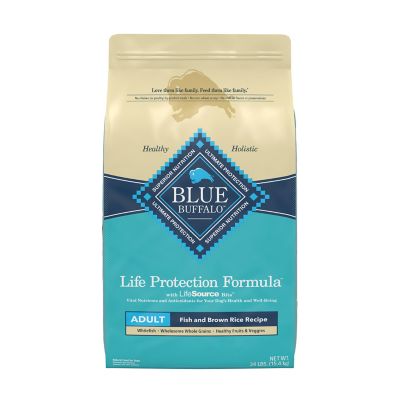
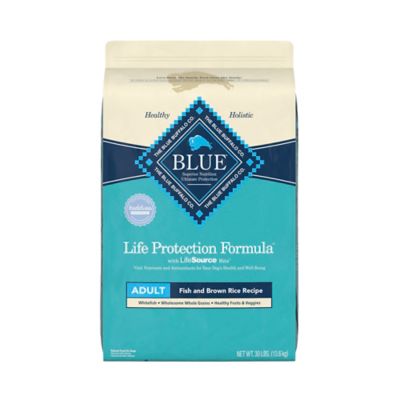
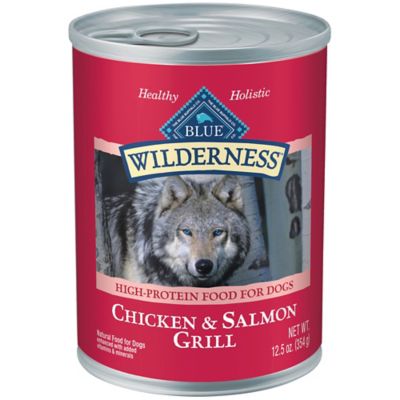
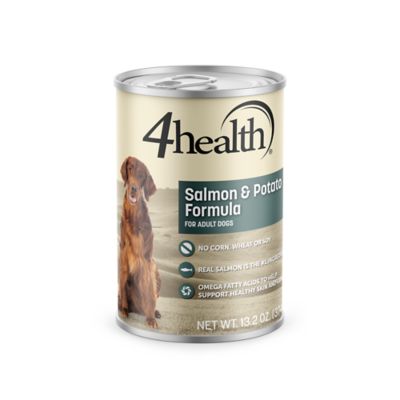
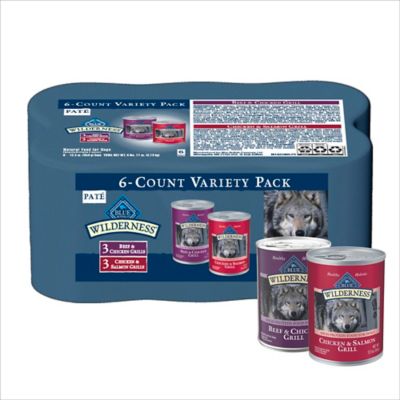
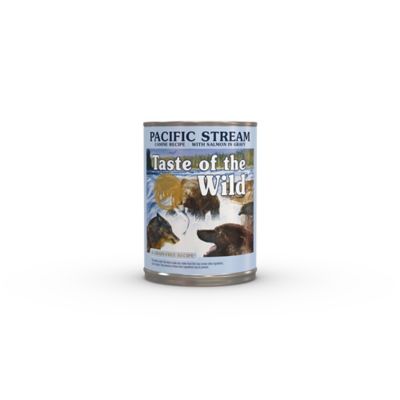
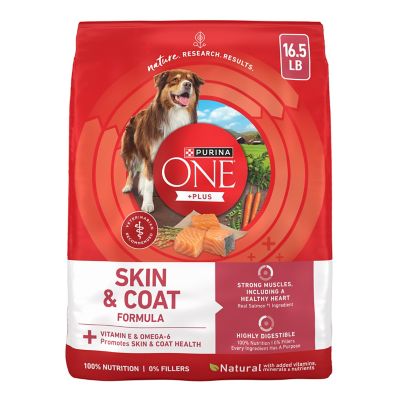
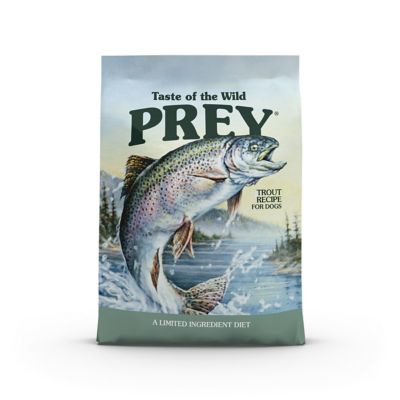
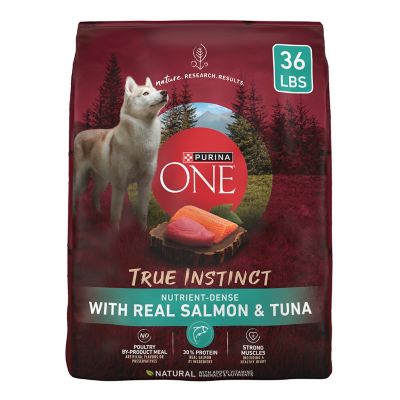
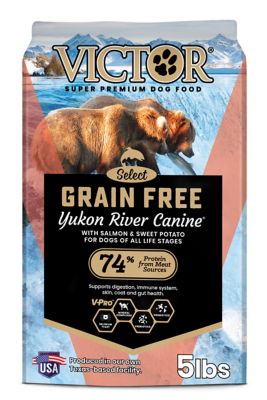
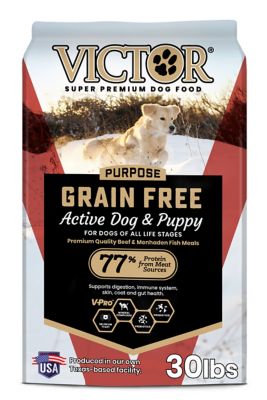
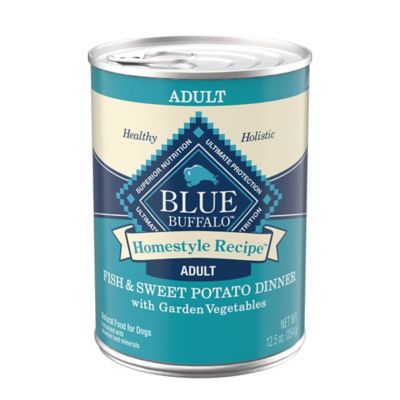
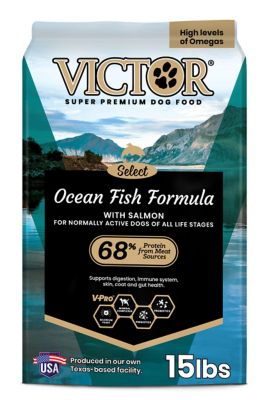
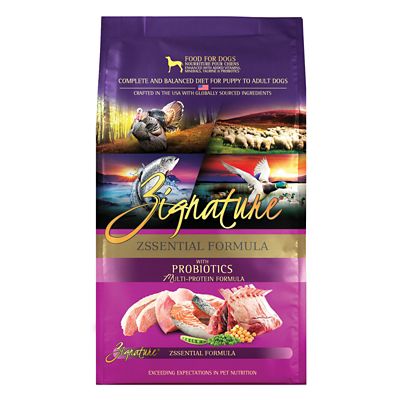
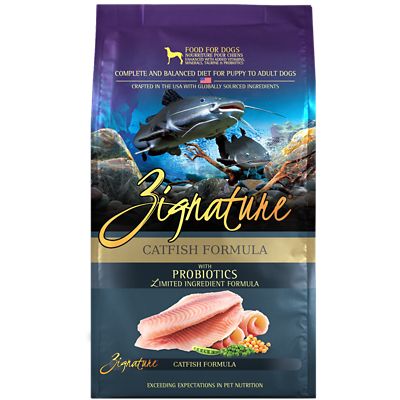
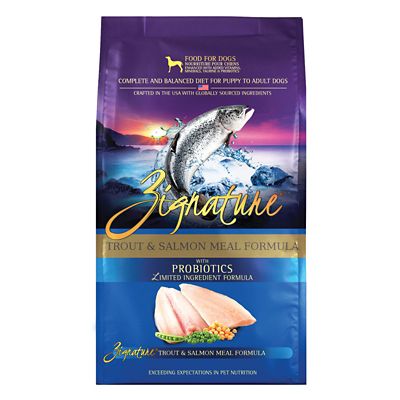
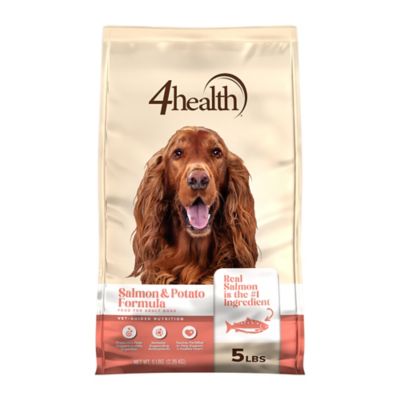
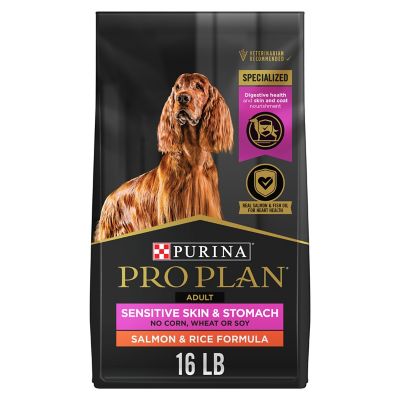
Dog food with fish can be a practical choice for dogs that enjoy a savory meal and for pet parents looking to add marine-sourced nutrients to the bowl. Recipes may feature salmon, whitefish, pollock, herring, sardines, trout, or other fish, either as the main animal protein or as part of a broader recipe. Fish naturally provides omega-3 fatty acids, including EPA and DHA, which are commonly associated with supporting normal skin, a healthy coat, and overall wellness. Some formulas also include fish oil for an added source of these fats. A dog with a dull coat or dry-looking skin may benefit from a balanced diet that includes omega-3s, though every dog responds differently and ongoing skin or digestive concerns should be discussed with a veterinarian. Fish-based food can also be useful for households that are rotating proteins or avoiding poultry, beef, or lamb because a dog has shown sensitivity to those ingredients. It is important to remember that “fish recipe” does not always mean fish is the only protein. Check the ingredient list for chicken fat, poultry meal, beef flavoring, egg, or other animal ingredients if your dog is following a carefully limited diet. For dogs with suspected food allergies, a veterinarian-supervised elimination diet is more reliable than changing foods on your own. When comparing options, look for a statement showing that the food is complete and balanced for your dog’s life stage, whether puppy, adult, senior, gestation, or all life stages. Puppies need food made to support growth, while older dogs may do better with a recipe suited to lower activity levels or changing nutritional needs. Breed size can matter, too, since large-breed puppies and adult dogs often benefit from appropriately sized kibble and carefully balanced nutrition.
The best fish dog food depends on your dog’s age, size, activity level, chewing habits, and daily routine. Dry kibble is convenient to scoop, store, and carry to the kennel, barn, camper, or hunting cabin, and the crunchy texture may help reduce some buildup on the teeth, although it is not a substitute for brushing or professional dental care. Wet food has a stronger aroma and softer texture, which can help tempt a picky eater or make meals easier for dogs with missing teeth or trouble chewing. Some households use wet food as a complete meal, while others mix a small amount with dry food as a topper. Fresh, refrigerated, frozen, freeze-dried, or air-dried choices can offer different textures and storage needs, so read the package directions closely and keep food at the recommended temperature. Air-dried and freeze-dried food may look small and lightweight, but feeding directions can differ from ordinary kibble. Never guess at portions based only on the size of the scoop. Start with the package’s feeding chart, then adjust with your veterinarian’s help based on body condition, treats, exercise, and weight changes. Dogs that spend long days running fence lines, riding along in a side-by-side, or working around the farm may need different portions than a mostly indoor companion. Fresh water should be available with every meal, especially during warm weather or after active play. If you are changing from another food, blend the new fish-based recipe into the old one over several days, gradually increasing the new food while watching stool quality, appetite, energy, and any signs of itching or stomach upset. A slower transition can be especially helpful for dogs with sensitive digestion. Store dry food in a cool, dry place in a tightly closed container, and keep the original bag nearby so you can check the lot information and ingredient details. Once opened, wet or fresh food should be refrigerated and used according to the label.
Fish-based recipes may suit many kinds of dogs, from a young family dog learning the routine of breakfast and supper to a senior curled up on the porch while the seasons change. They can be a thoughtful addition for a newly adopted dog, a dog that has grown tired of the same protein, or a pet whose household is trying to simplify ingredients. Fish food can also make a useful welcome gift for a friend bringing home a new dog, but it is best to match the gift to the dog’s age, size, dietary needs, and current feeding plan rather than choosing by package size alone. A sudden switch can cause digestive trouble, and a food that works well for one dog may not be the right fit for another. Look at calories per cup or can, protein sources, fat levels, fiber, grains, and added vitamins and minerals. Grain-inclusive recipes can provide grains such as rice, barley, oats, or other carbohydrates, while grain-free recipes replace grains with ingredients such as peas, potatoes, or lentils; grain-free is not automatically better, and it is wise to ask a veterinarian before making that choice. Dogs needing extra DHA for normal brain and eye development may also be suited to recipes that provide this omega-3 fatty acid through fish or fish oil. For more options centered on that nutrient, browse
Dog Food With DHA. During the warmer part of the year, a sealed bag and a clean, shaded feeding area help protect food from heat, moisture, insects, and curious barn visitors. As cooler weather settles in, keep food away from damp floors and drafty storage areas, and measure meals consistently even when activity levels change. With a little attention to ingredients, life-stage nutrition, portions, storage, and a gradual transition, dog food with fish can fit neatly into the everyday rhythm of feeding, from the first morning bowl to the quiet evening meal.