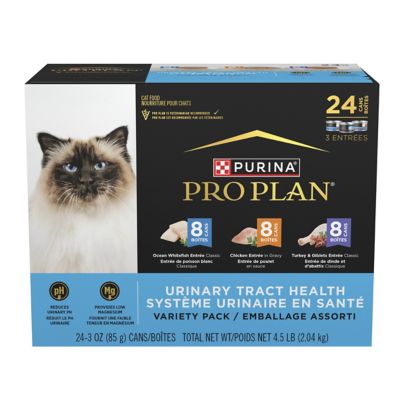
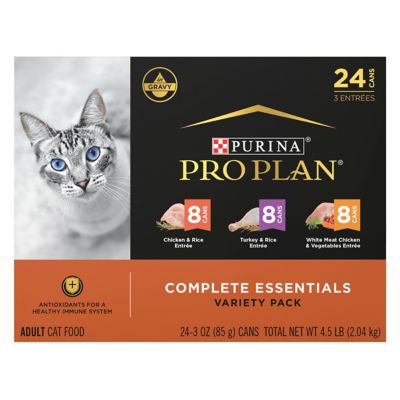
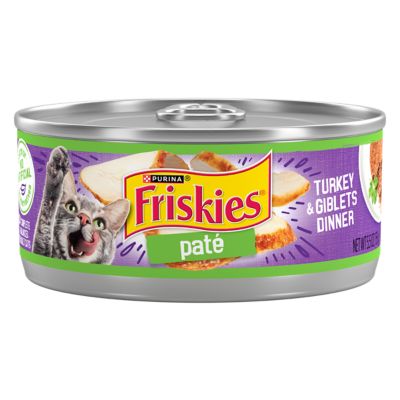
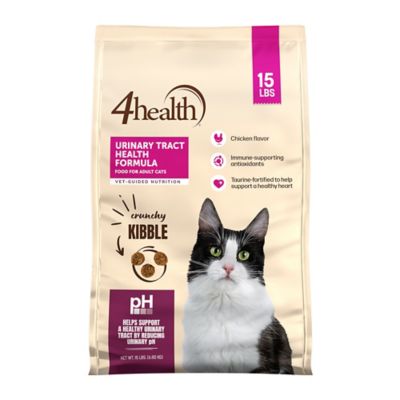
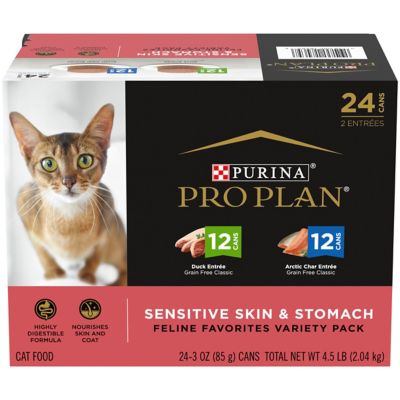
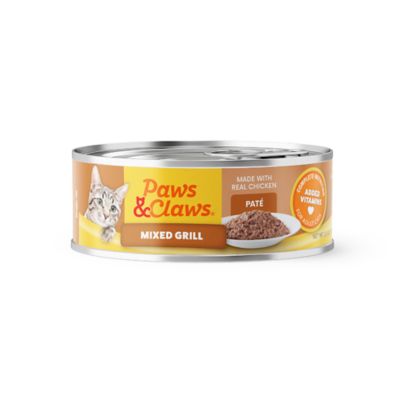
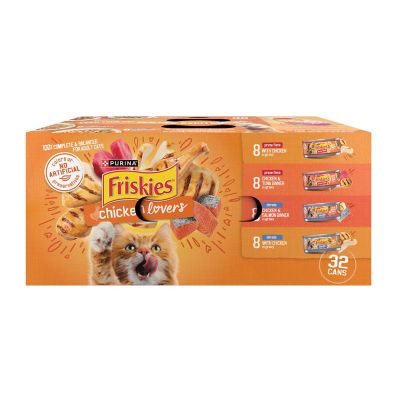
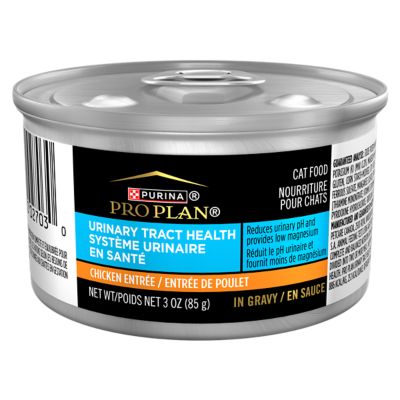
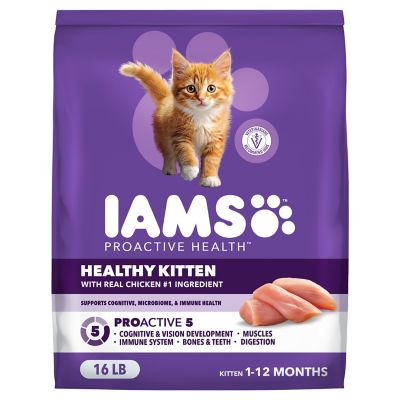
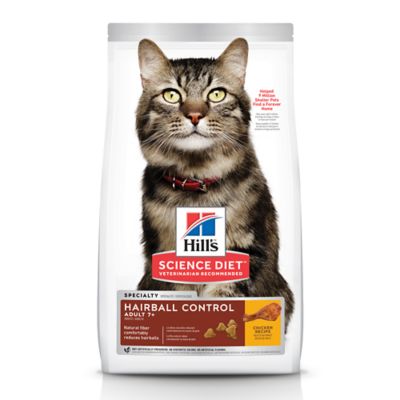
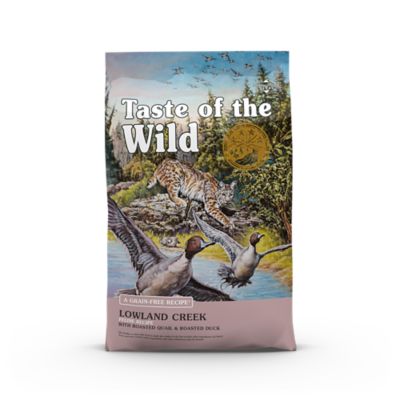
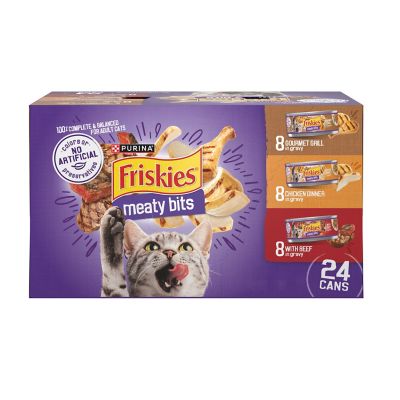
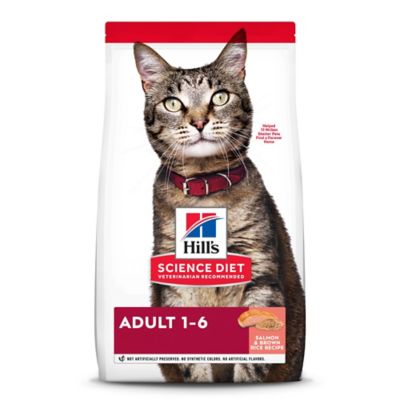
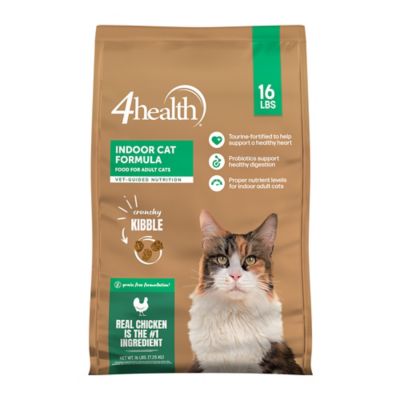
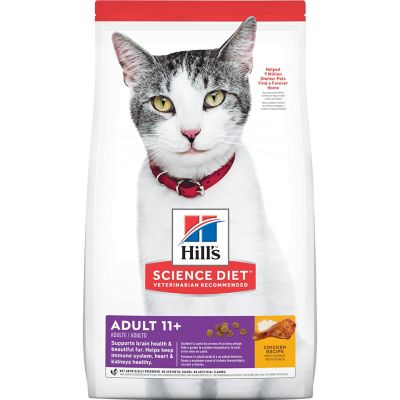
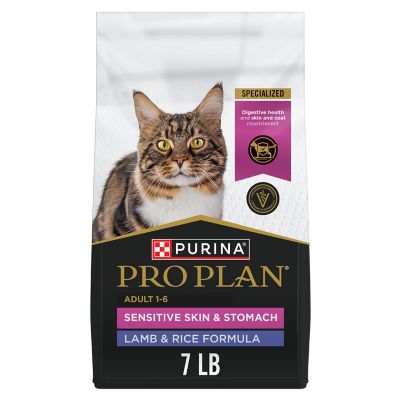
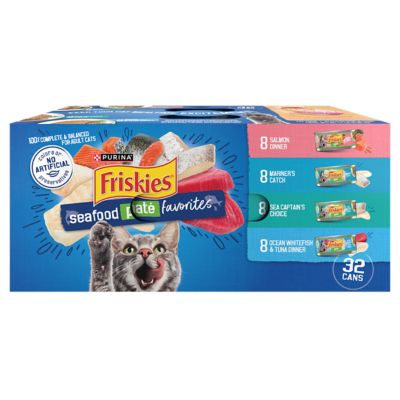
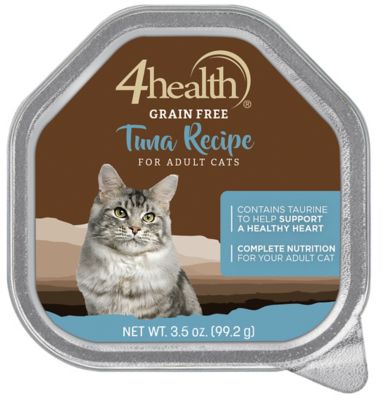
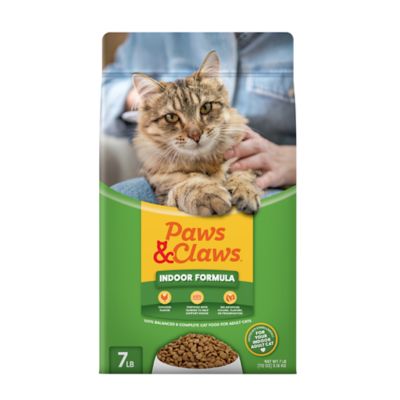
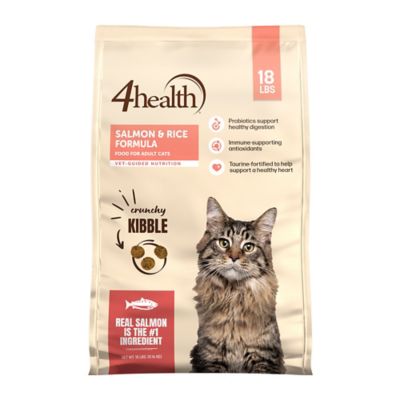
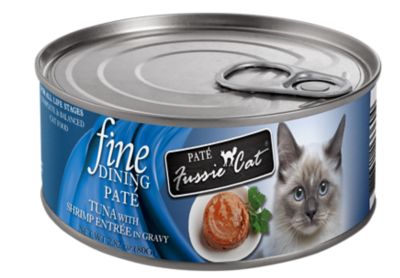
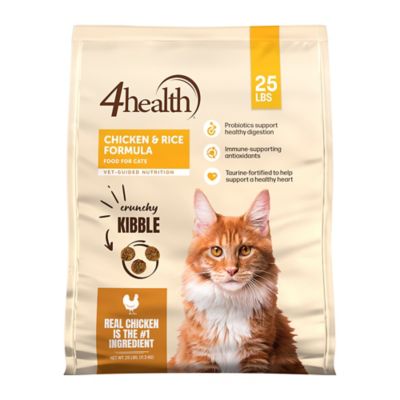
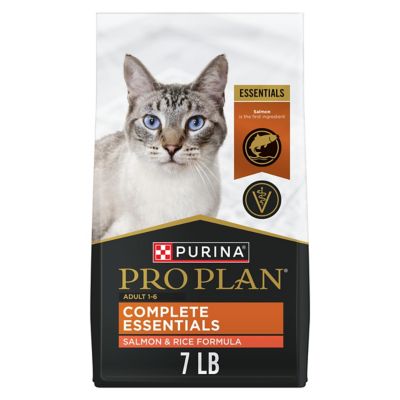
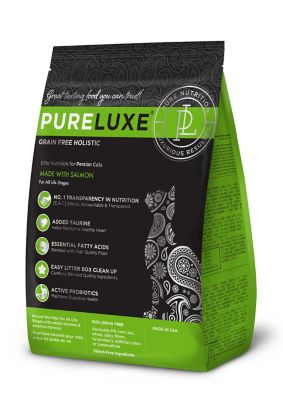
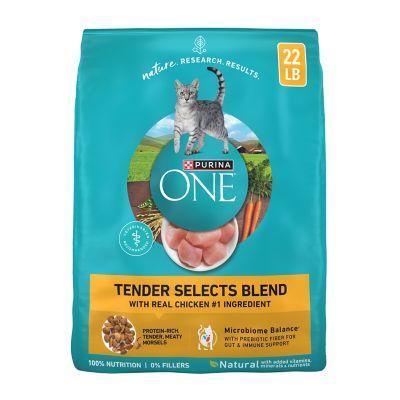
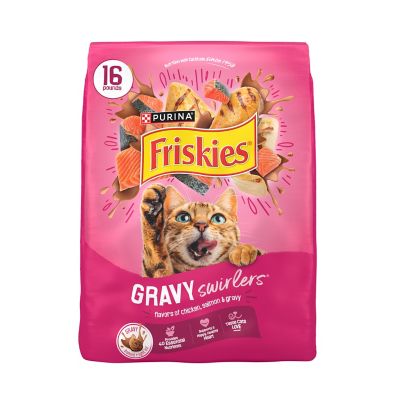
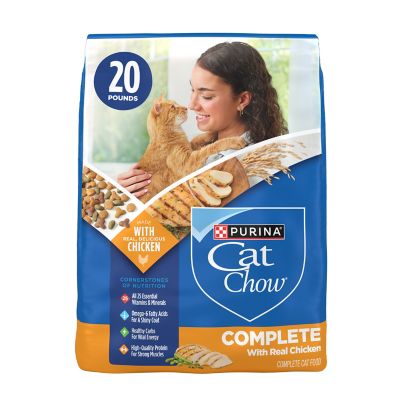
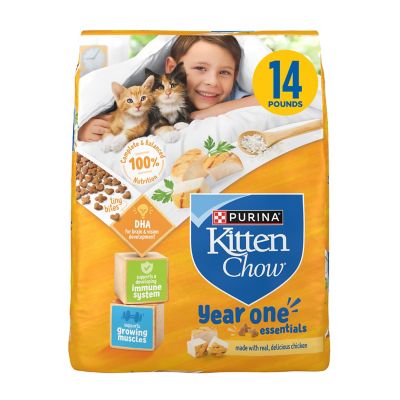
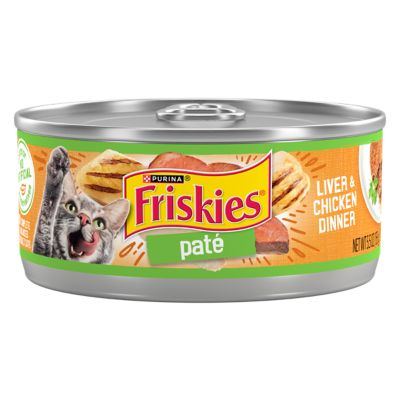
Cats have a special nutrition need that sets them apart from many other household pets: they depend on taurine, an essential amino acid, as part of a complete daily diet. A cat’s body cannot make enough taurine on its own, so this nutrient needs to come from animal-based ingredients or from taurine added during the food-making process. Taurine supports normal heart function, healthy eyesight and immune system function, making it an important part of everyday feline nutrition. Animal tissues such as meat, fish and organ meats naturally contain taurine, though the amount can vary depending on ingredients and processing. That is why a dependable commercial cat food should be more than a list of appealing flavors. Look for packaging that identifies the food as complete and balanced for your cat’s life stage and that follows the nutritional standards established by the Association of American Feed Control Officials, commonly called AAFCO. Most standard commercial cat foods made to meet these guidelines contain taurine, either from animal ingredients, added taurine or both. This can make shopping simpler for cat owners who want to keep the bowl filled with steady, dependable nutrition, whether they are feeding a barn cat, a house cat stretched across the windowsill or a senior companion curled up beside the woodstove during the cooler months. If your cat has a diagnosed heart condition, vision concern, digestive issue or another health need, your veterinarian can help you choose the right food and determine whether a specialty diet is appropriate. A taurine-focused food can fit into a thoughtful feeding routine, but it should not be used as a substitute for veterinary care or prescribed treatment.
When comparing cat food with taurine, start with the details that matter most for the cat in front of you. Kittens need food made for growth and development, while adult cats generally do best with an adult maintenance formula. Senior cats may benefit from a recipe designed for their changing energy needs, though age alone does not determine the best choice. Check the feeding statement on the package, then consider whether your cat prefers wet food, dry food or a combination of both. Wet food can add moisture to the daily routine and may be a good fit for cats that do not drink much from their bowl. Dry food is easy to measure, store and offer through automatic feeders or puzzle toys, which can be handy in a busy household, on a farm or when several cats share feeding duties. Some families use a mix of textures to keep mealtime interesting while maintaining consistent nutrition. Whichever format you choose, portion size still matters. Follow the package directions as a starting point and adjust with your veterinarian’s help based on your cat’s weight, activity level and body condition. A food that lists taurine is not automatically the right match for every cat, and adding extra taurine supplements without professional guidance is usually unnecessary when a cat is eating a complete and balanced commercial diet. Read the ingredient list for familiar animal-based ingredients, review the guaranteed analysis and watch for a clear life-stage statement. If your cat has been eating one recipe for years, make changes gradually over several days by mixing increasing amounts of the new food with the old. That slow switch can help prevent an upset stomach and gives a picky cat time to accept a new smell or texture. Keep fresh water available, store dry food in a cool, dry place and refrigerate opened wet food according to the label.
Cat food with taurine is useful for anyone who wants a straightforward way to support a cat’s everyday nutritional needs. New kitten owners can add it to a first-pet supply list, while longtime cat keepers may choose it when updating the pantry for an aging companion or welcoming a newly adopted cat home. It can also be a practical gift for a friend, neighbor or family member who has taken in a stray, cares for outdoor cats or is preparing for a new pet. A bag or case of food is especially helpful alongside other basics such as bowls, litter and a safe place to rest, although the recipient’s cat’s age, food preferences and health history should guide the choice. Cats that spend time outdoors may burn more energy during cold, wet weather, while indoor cats can become less active when they nap through long afternoons, so regular weigh-ins and portion checks are worthwhile as the seasons change. Keep food in a clean, secure spot away from moisture and pests, and make sure outdoor feeding areas are protected from rain and wildlife when possible. Treats, toppers and homemade foods should remain a small part of the overall routine unless a veterinarian recommends otherwise; they do not take the place of a complete cat food with the vitamins, minerals, protein and taurine a cat needs. For shoppers paying close attention to cardiovascular support, explore
Cat Food for Heart Health for additional options to discuss with a veterinarian. With the right formula, measured portions and a steady feeding schedule, cat food with taurine can help make daily care feel as simple and familiar as filling a clean bowl each morning.