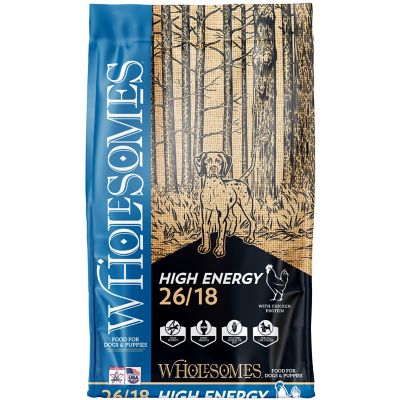
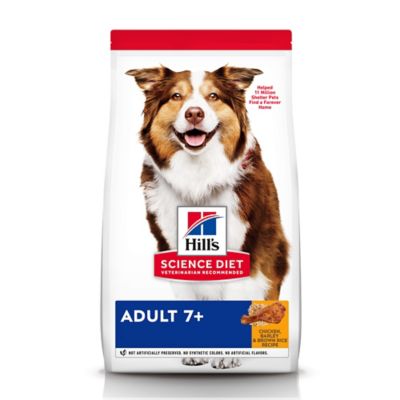
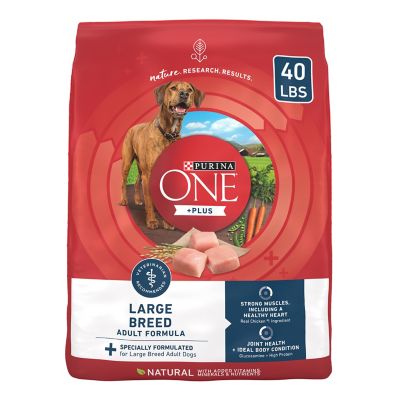
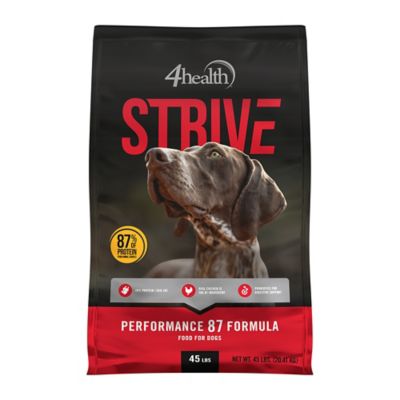
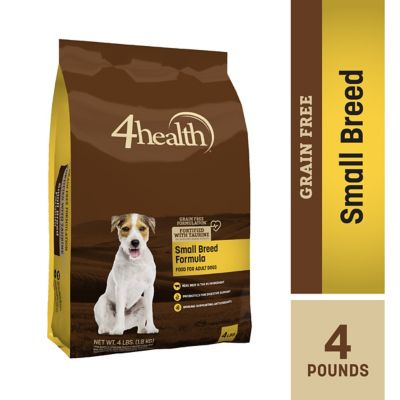
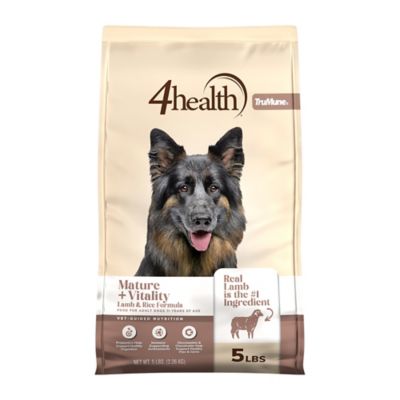
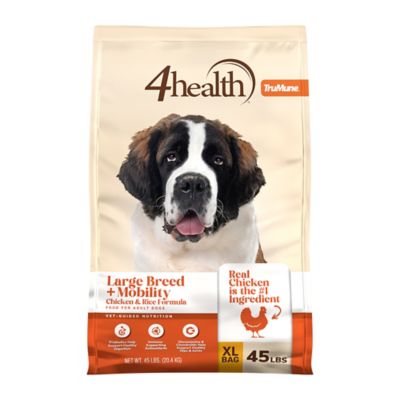
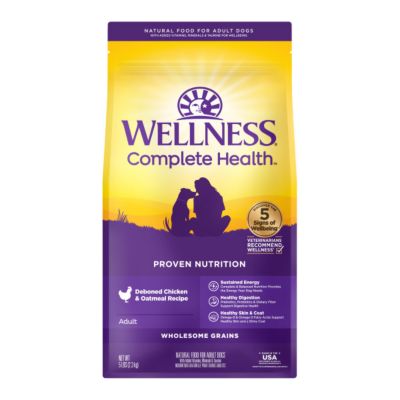
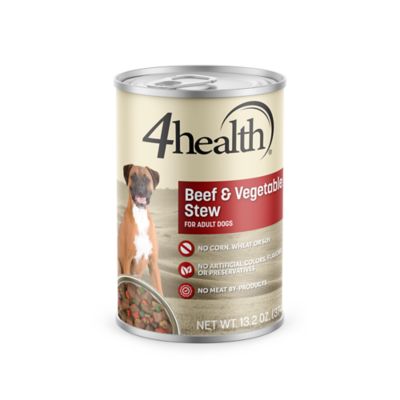
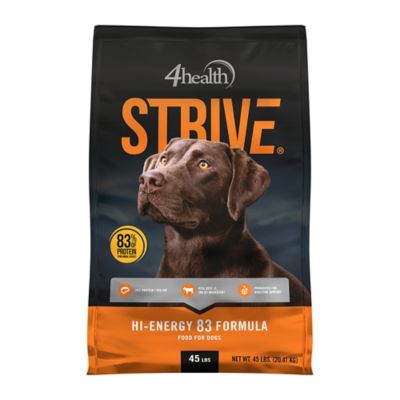
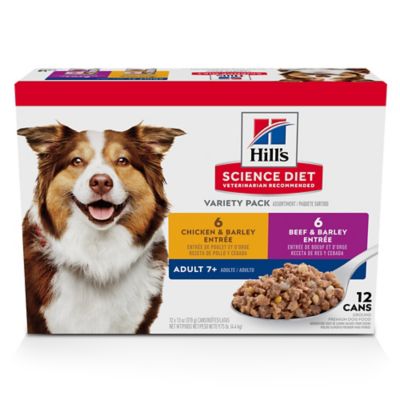
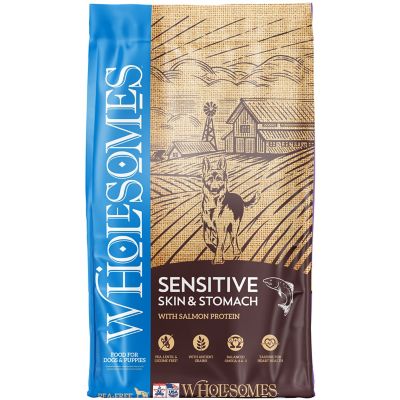
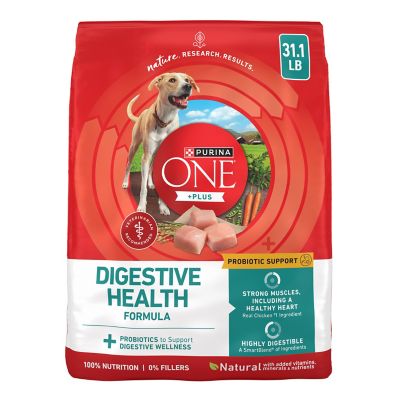
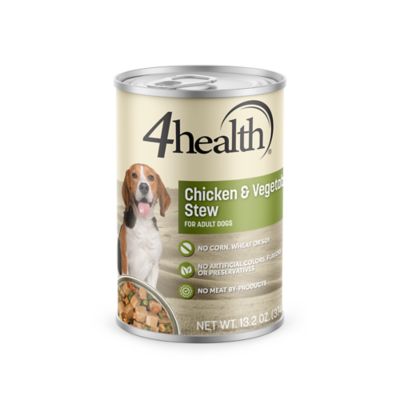
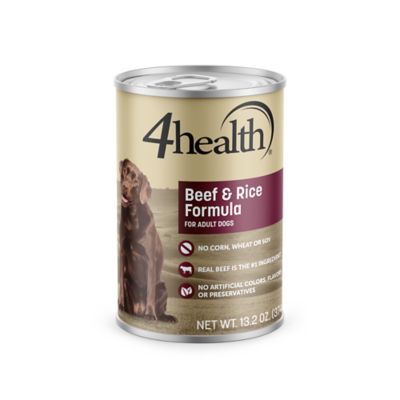
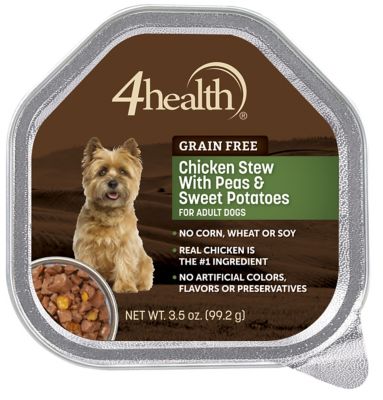
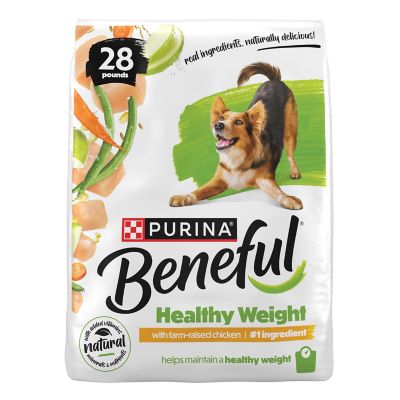
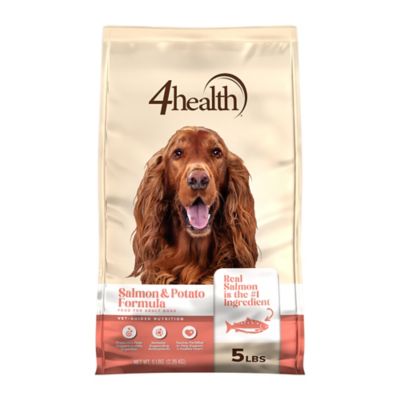
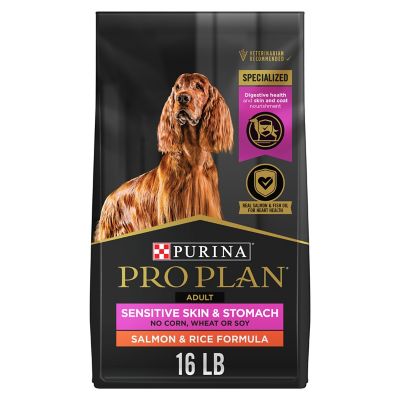
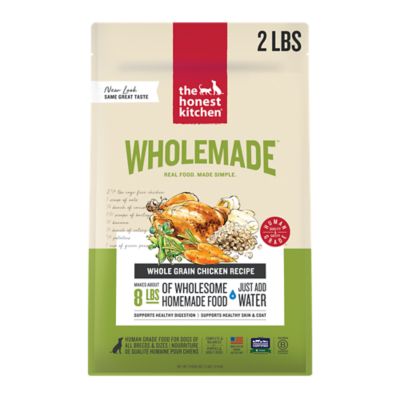
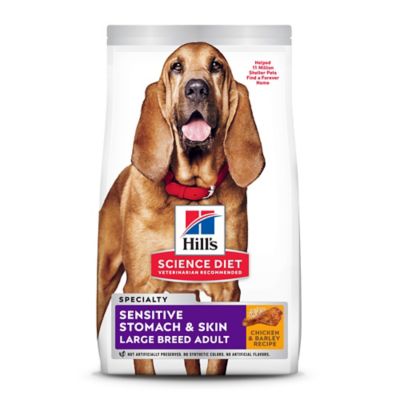
Choosing dog food for heart health starts with your dog’s age, size, activity level, current body condition, and any advice from your veterinarian. A healthy heart depends on steady nutrition over time, and the right everyday food can help support strong muscles, a healthy weight, and overall wellness. Look for a complete and balanced recipe made with quality protein sources, digestible carbohydrates, and carefully selected vitamins and minerals. Lean proteins help maintain muscle without adding unnecessary calories, while wholesome grains such as brown rice or oats may provide useful energy and fiber for dogs that tolerate them well. Grain-inclusive food can be a practical choice for many dogs, especially when grains are included as part of a balanced recipe rather than relying heavily on legumes or potatoes. Dogs with diagnosed heart disease, heart murmurs, fluid retention, or other cardiac concerns may need a veterinary therapeutic diet instead of a standard over-the-counter formula. These foods are made with specific nutrient targets and should be selected with professional guidance, since the best option can vary based on the dog’s heart condition, kidney function, medications, age, and overall health. A lower-sodium recipe may be appropriate in some cases because excess sodium can contribute to fluid retention, but simply switching foods without talking with a veterinarian may not meet your dog’s needs. Keep a copy of your dog’s current food label and medication list handy when you visit the clinic; that small bit of preparation can make it easier to compare formulas and decide whether a change is needed.
As you compare dog food for heart health, pay close attention to the nutrition statement, guaranteed analysis, ingredient list, serving directions, and calorie content. Taurine and L-carnitine are nutrients often discussed in connection with cardiac nutrition because they support normal heart muscle function and energy use. Omega-3 fatty acids, commonly supplied by fish oil or other marine sources, may help support a healthy inflammatory response, skin, coat, and overall wellness. These ingredients can be useful parts of a thoughtfully formulated diet, but more is not always better, and supplements should not be added without veterinary advice. Some heart-support diets also provide carefully controlled levels of minerals such as magnesium, along with adjusted sodium and other nutrients designed for a particular medical purpose. A food made for a dog with advanced cardiac disease may not be the right everyday meal for a healthy adult, while a regular maintenance formula may not provide the nutrient profile recommended for a dog receiving cardiac treatment. Texture matters, too. Dry kibble is easy to measure, store, and carry to the barn, campsite, or dog run, while wet food can add moisture and may be easier for some older dogs to eat. Mixing the two can help with appetite, but remember to account for calories from both foods. Measured portions are especially important for dogs carrying extra weight, since keeping a healthy body condition reduces strain on the heart and joints. Use the feeding chart as a starting point, then adjust with your veterinarian based on activity and weight changes. Treats, table scraps, jerky, and chew items can add more sodium and calories than expected, so choose them carefully and keep extras to a small share of the daily diet. For more ways to support your dog’s whole-body wellness, explore
Dog Food For Dental Health as part of a complete feeding and care routine.
A gradual transition helps many dogs accept a new recipe without an upset stomach. Start by mixing a small amount of the new food with the old, then increase the new portion over several days while watching for changes in stool, appetite, energy, drinking, or body weight. Picky eaters may respond well to a consistent feeding schedule, a clean bowl, or a small amount of veterinarian-approved wet food mixed into kibble. Avoid making frequent changes just to chase the latest ingredient trend; steady nutrition is easier on your dog and makes it simpler to notice genuine health changes. If your dog is taking heart medication, never replace a prescribed diet or stop treatment based on a food label alone. Contact your veterinarian promptly if you notice coughing, tiring easily, fainting, a swollen belly, trouble breathing, reduced appetite, or a sudden change in weight. During the warmer part of the year, offer plenty of fresh water and plan exercise during cooler parts of the day, since overheating can put extra stress on dogs with cardiac problems. As the weather turns cooler, keep feeding and medication routines steady and make sure older or medically fragile dogs have a comfortable place to rest after time outdoors. Dog food for heart health can also be a thoughtful gift for a friend or family member caring for an aging dog, but food is personal: check the dog’s approved diet, allergies, texture preferences, and medical restrictions before bringing a bag home. Whether you are stocking the pantry for a lively farm dog, helping an older companion maintain a healthy weight, or following a veterinarian’s plan for a diagnosed heart condition, choosing a suitable formula and serving it consistently can make everyday care feel simpler and more dependable.