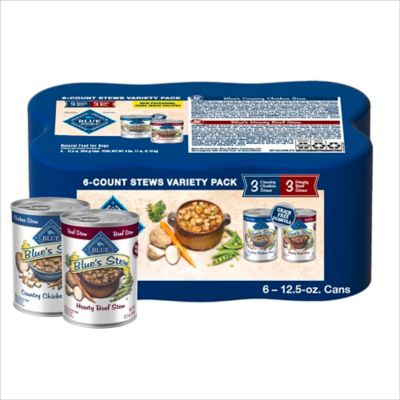
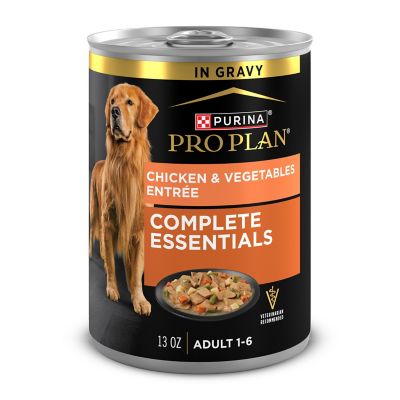
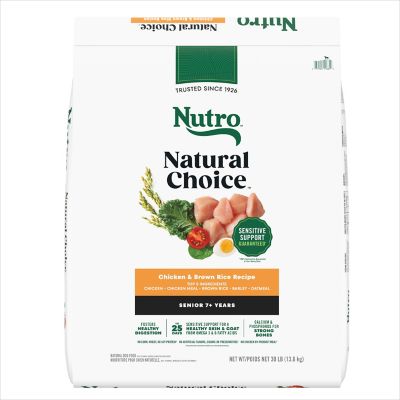
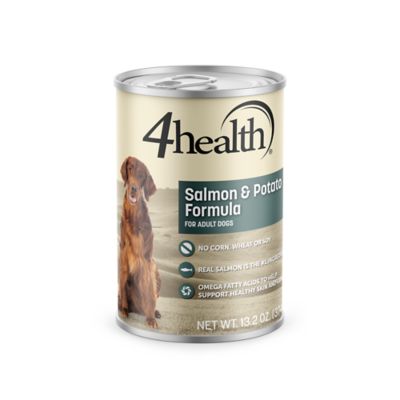
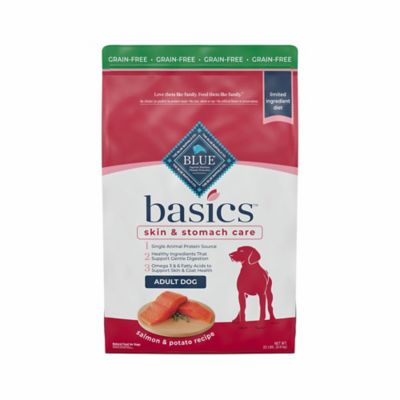
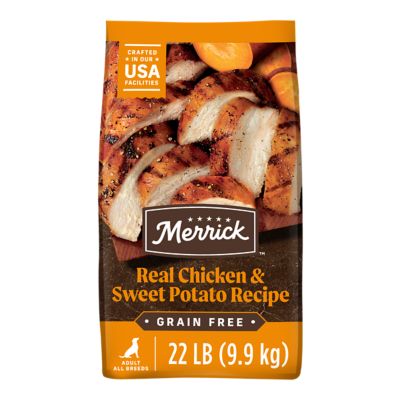
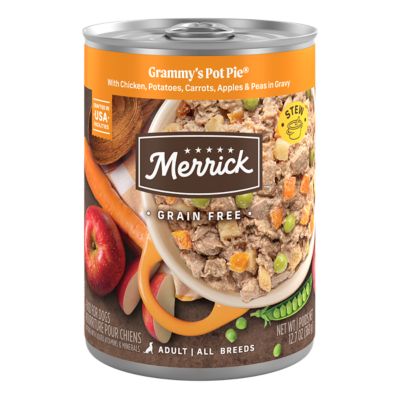
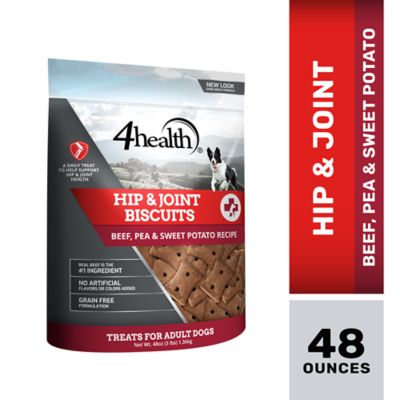
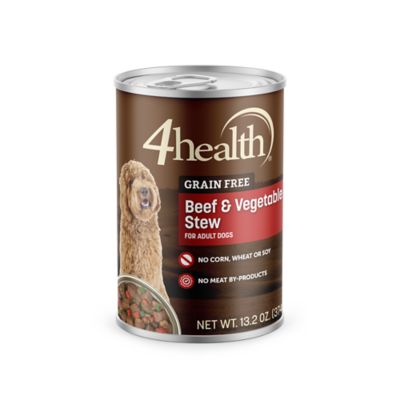
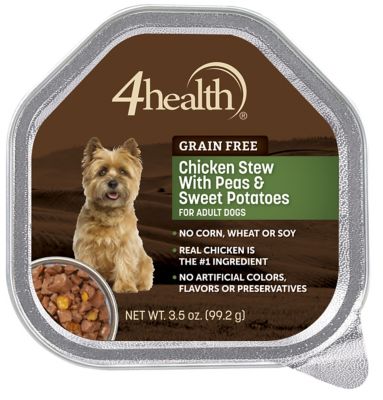
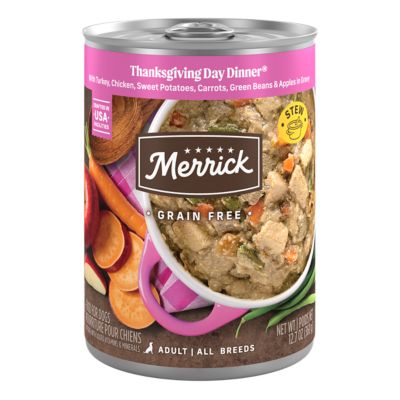
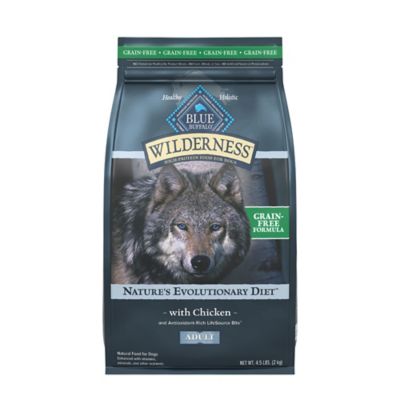
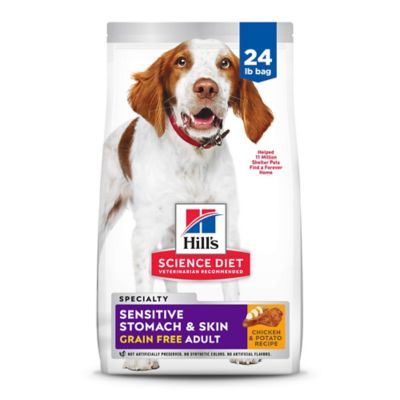
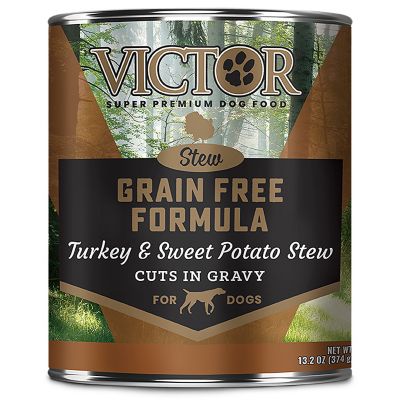
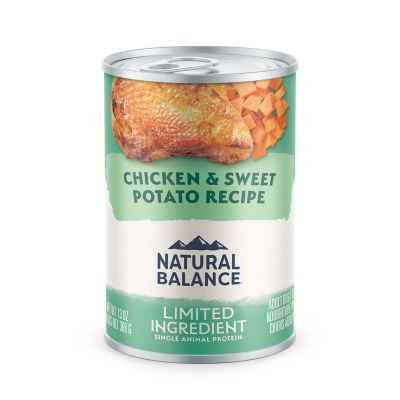
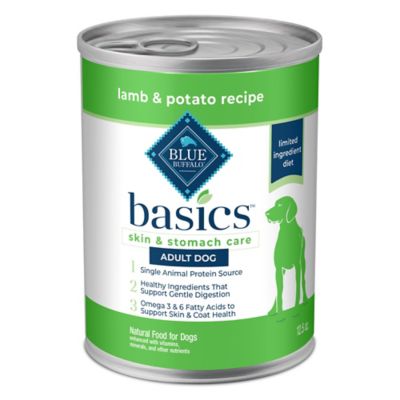
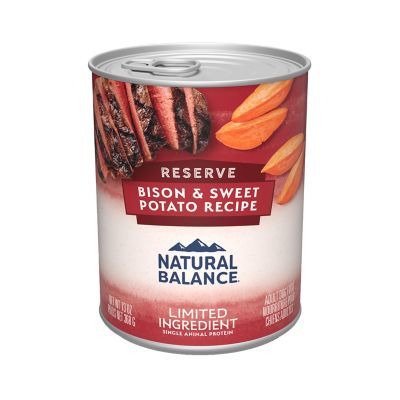
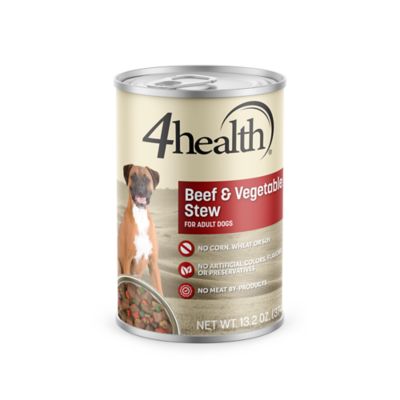
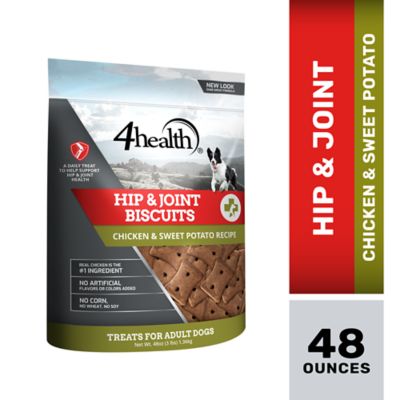
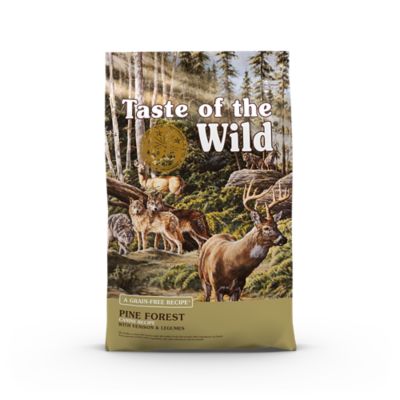
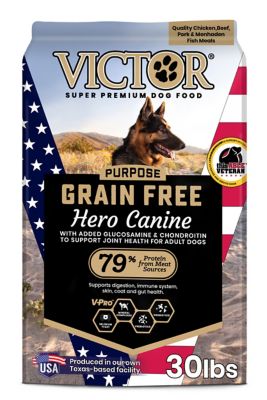
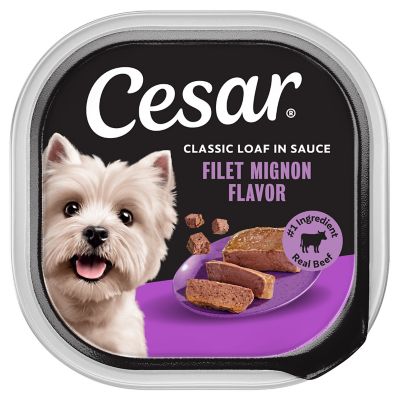
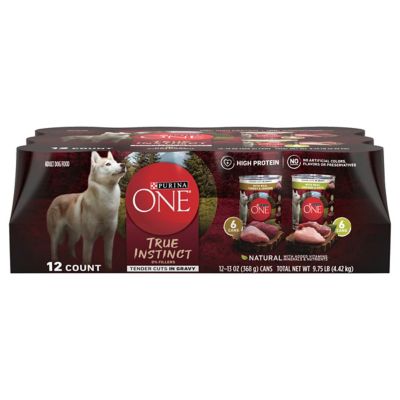
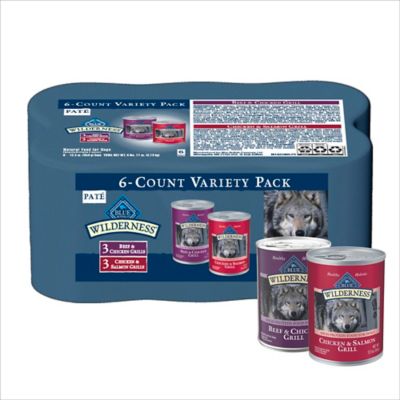
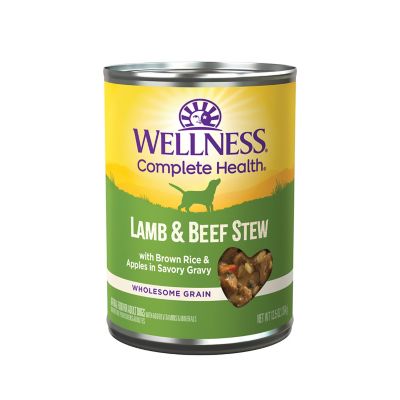
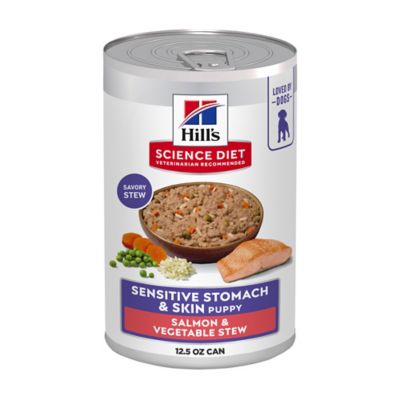
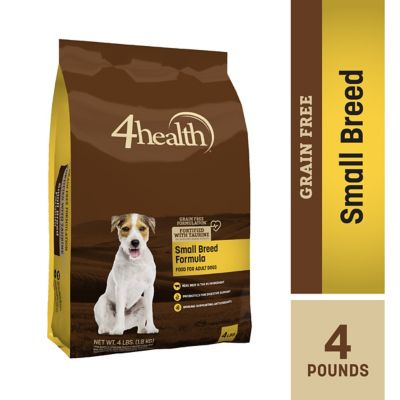
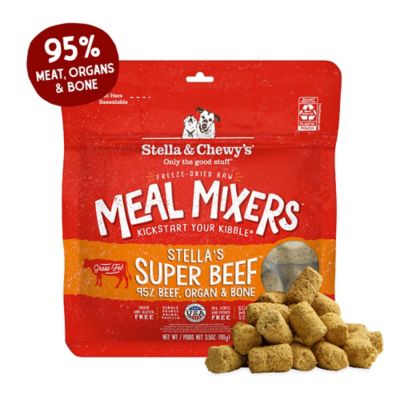
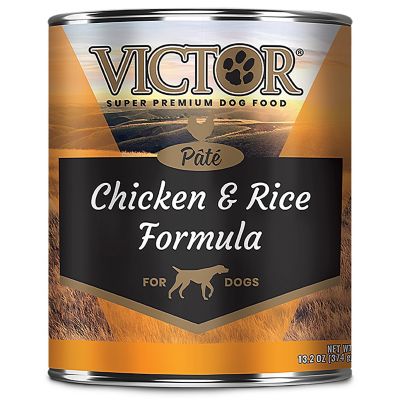
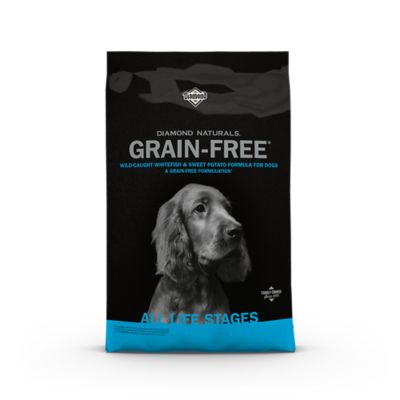
Dog food with potatoes can be a practical choice for households looking for a hearty, dependable meal for the family dog. In commercial recipes, potatoes are typically cooked and used as a source of carbohydrates, energy, and starch that helps hold kibble, canned food, and other textures together. They may also be included in recipes made without wheat, corn, or other grains, though the presence of potatoes does not automatically make a food better, more nutritious, or suitable for every dog. The most important thing is the complete recipe around them. Look for a food labeled complete and balanced for your dog’s life stage, whether you are feeding a growing puppy, an active adult, or a senior who spends more time napping on the porch than chasing a ball. Protein sources, fat levels, fiber, vitamins, minerals, and calorie content all matter alongside the carbohydrate ingredients. A dog that runs beside the ATV, works livestock, or joins the family on long walks may need a different amount of food than a smaller companion who prefers curling up by the woodstove. Feeding directions on the bag or can offer a useful starting point, but portions may need adjusting for breed, age, activity, body condition, and treats. Fresh water should always be available, especially during warm stretches or after exercise. For shoppers comparing recipes, checking the guaranteed analysis and calorie information can make it easier to choose a food that fits an individual dog instead of relying on the ingredient name alone. Some dog owners choose potato recipes because their pets enjoy the taste or because a particular formula fits their feeding routine, while others keep them on hand as part of a rotation recommended by a veterinarian. A bag of quality dog food can also be a thoughtful, useful gift for a new puppy owner, a neighbor caring for a senior dog, or a friend welcoming a rescue animal home—just be sure the recipient’s dog can eat the recipe and that any dietary restrictions are known first.
Potatoes in dog food should be cooked thoroughly, just as they are prepared for people at the supper table. Plain, cooked potato is commonly used in commercial dog food and is generally digestible when included as part of a balanced recipe. Raw potatoes, green potatoes, potato sprouts, and potato skins are a different matter. They can contain solanine, a naturally occurring compound that may cause stomach upset, vomiting, diarrhea, weakness, or other signs if a dog eats enough. Keep raw potatoes and kitchen scraps out of reach, especially when a curious hound is known to investigate every countertop and feed-room corner. Never offer potatoes covered with butter, salt, oil, gravy, garlic, onions, or seasoning blends; these extras add unnecessary fat and sodium, and garlic and onions can be harmful to dogs. A commercial food with potatoes is formulated very differently from a plate of leftover mashed potatoes. Even safe ingredients can become a problem when fed in excess, since potatoes contribute starch and calories. Treats, table scraps, toppers, and other extras are best kept to a small share of a dog’s daily intake—many veterinary nutrition resources use 10% of daily calories as a general limit—while the main complete and balanced food supplies most of the diet. Introduce any new food gradually over several days by mixing a little of the new recipe with the old food, then increasing the amount as your dog adjusts. This slow switch can help reduce loose stools and lets you notice changes in appetite, digestion, itching, or energy. Dogs with diabetes, a history of pancreatitis, food allergies, weight concerns, digestive disease, or other health conditions may need a more specific feeding plan. A veterinarian can help match a recipe and portion size to those needs. It is also wise to discuss grain-free diets with your veterinarian rather than choosing one solely because it lists potatoes. The FDA has investigated reports of canine dilated cardiomyopathy involving some diets labeled grain-free and containing high proportions of peas, lentils, other legumes, and/or potatoes. A direct cause has not been proven, and potatoes themselves have not been established as the cause, but the concern makes a well-rounded diet and professional advice especially important.
When browsing dog food with potatoes, consider the way the food will fit into real life around the house, barn, campsite, or hunting cabin. Dry food is easy to measure, store, and carry for weekend trips, while wet food can add moisture and may be helpful for dogs that are picky or have trouble chewing harder pieces. Some families combine the two, using a measured amount of kibble with a spoonful of wet food for extra appeal, but the calories from both should be counted so a beloved companion does not quietly gain weight. Check the package for feeding directions, storage instructions, expiration information, and the intended life stage. Once opened, reseal dry food in a cool, dry place and keep it away from livestock, wildlife, and pets that might help themselves; opened wet food should be covered and refrigerated according to the package directions. During the warmer part of the year, avoid leaving a bowl of wet food outdoors for long periods, and during cooler months, watch for changes in activity as dogs spend more time indoors. A quick look at your dog’s shape is useful: you should be able to feel the ribs under a light covering, see a waist from above, and notice a gentle abdominal tuck from the side, though body types vary. Weighing portions with a measuring cup—or a kitchen scale for especially precise feeding—can prevent the generous scoop from becoming an oversized meal. If your dog has a sensitive stomach, make changes patiently and keep notes on what was fed and how the dog responded. Shoppers comparing potato-based recipes may also want to explore
Dog Food With Vegetables when looking at different ingredient combinations. Whether you are stocking the pantry before a busy stretch of chores, sending food along with a college student and their dog, or choosing a practical welcome-home gift for a newly adopted pet, the best selection is one that supports steady energy, healthy body condition, and an easy feeding routine. A familiar meal served in the same quiet corner each day can become one of the small, comforting rhythms dogs count on, right along with a scratch behind the ears and a nap after supper.