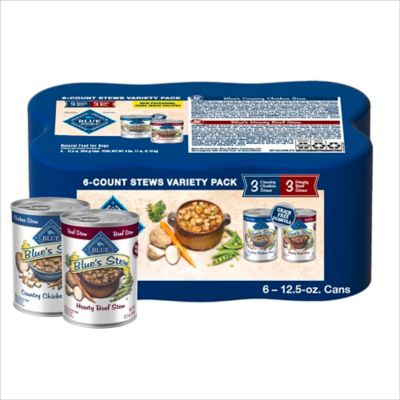
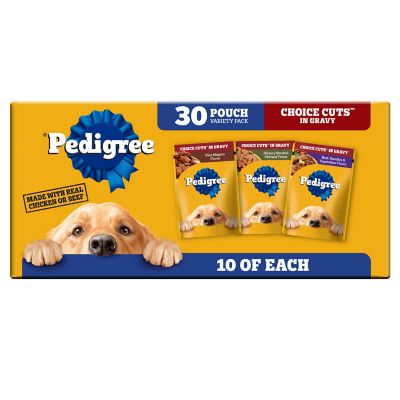
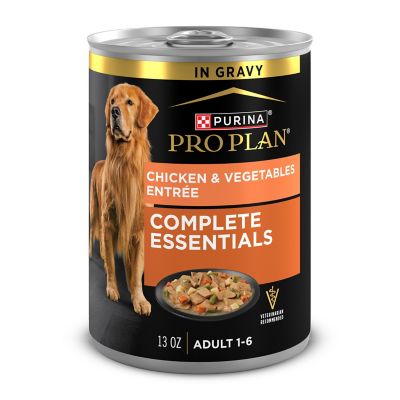
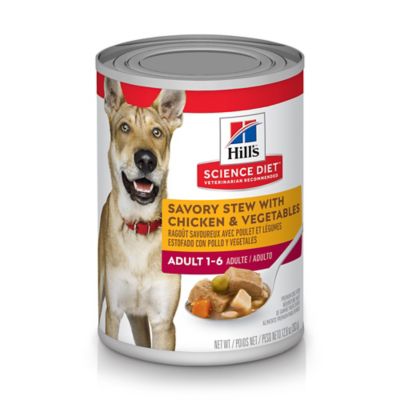
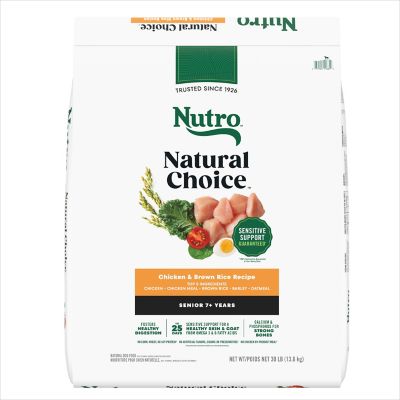
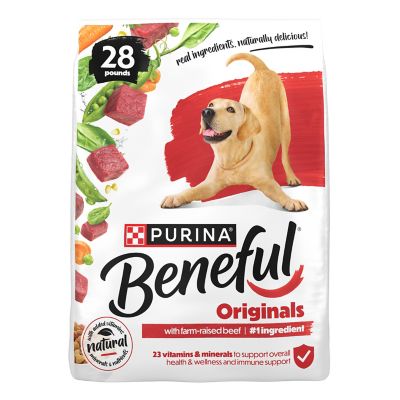
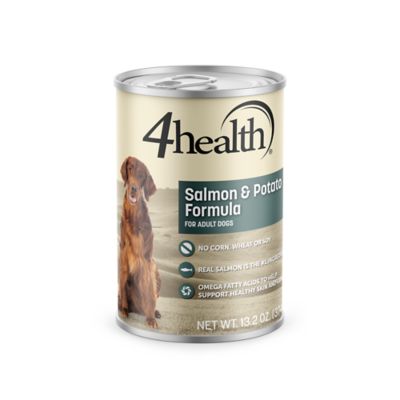
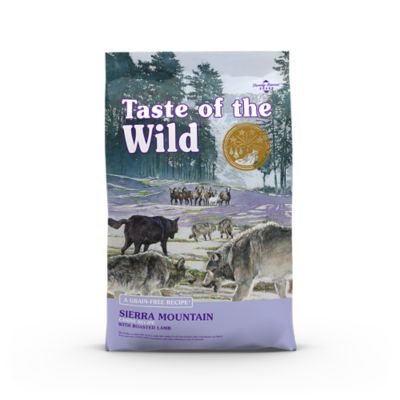
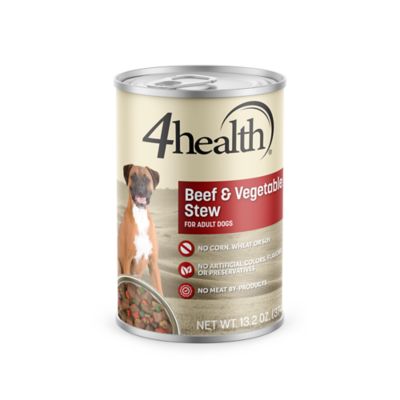
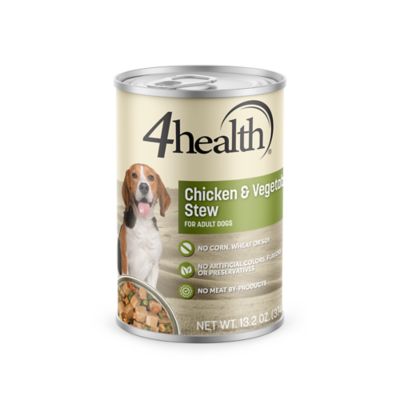
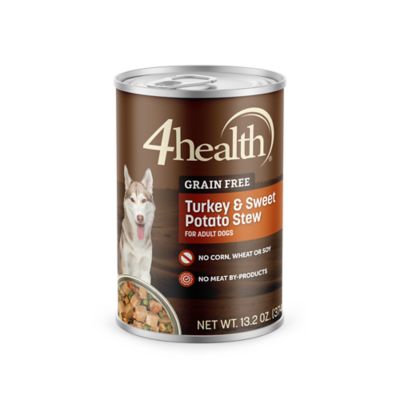
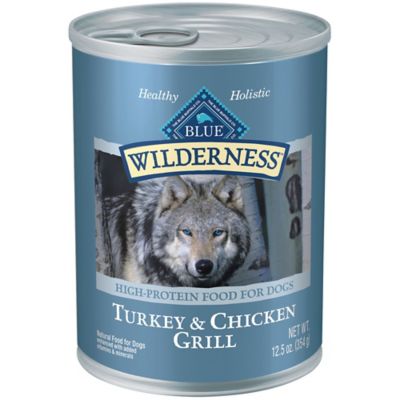
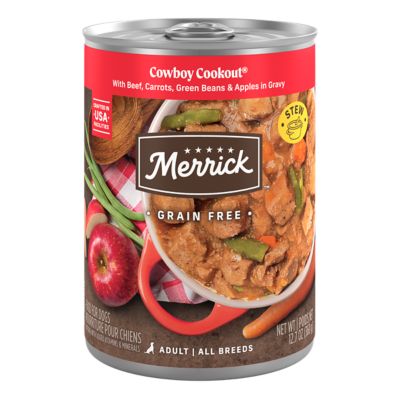
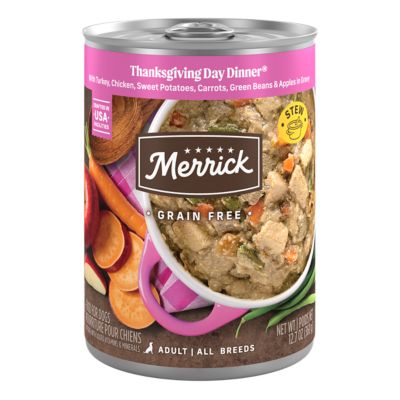
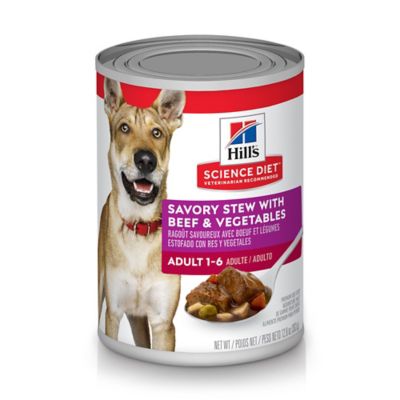
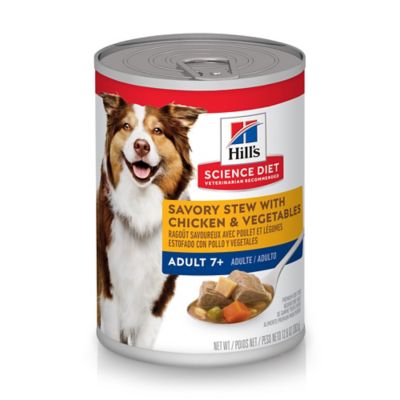
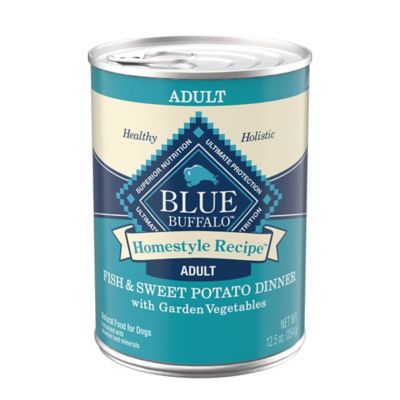
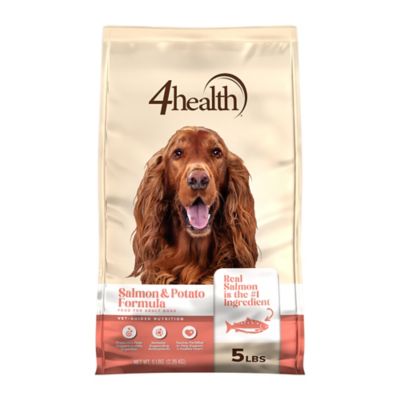
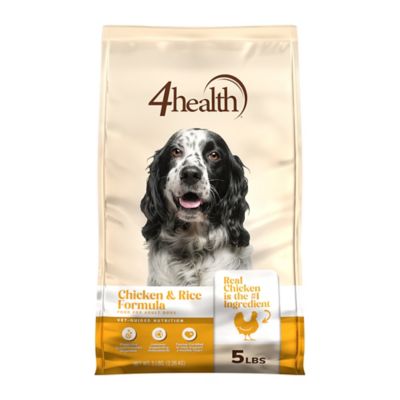
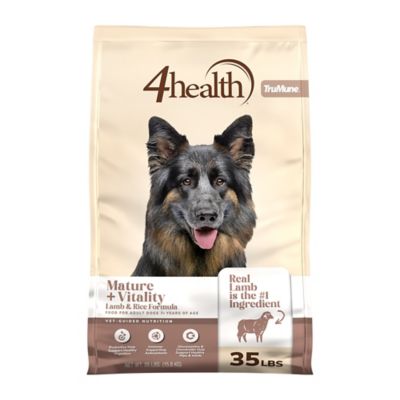
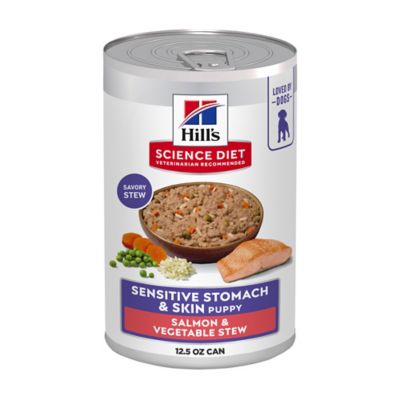
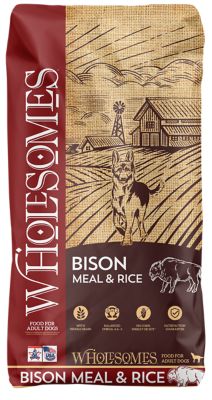
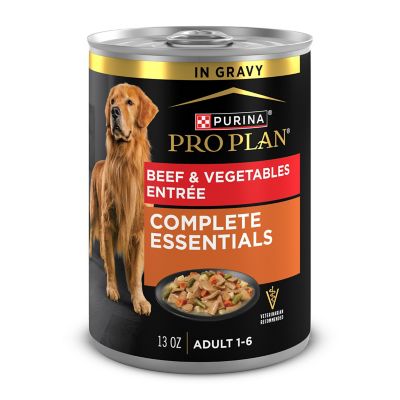
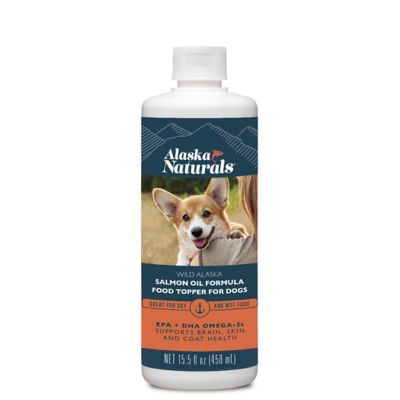
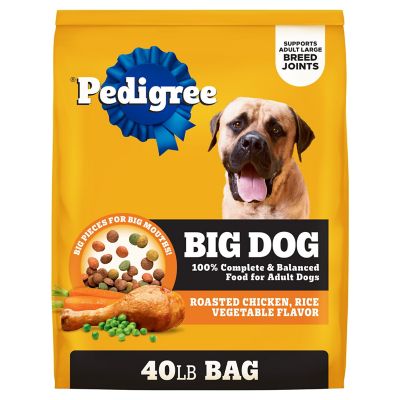
Dog food with vegetables can be a practical choice for everyday feeding, whether you are looking for a recipe with added plant ingredients, a limited-ingredient formula, or a fully vegetarian option. Many recipes include vegetables such as peas, lentils, sweet potatoes, carrots, pumpkin, chickpeas, or green beans alongside animal proteins, while some are made without meat and rely on plant and other non-meat ingredients for their protein. These foods can add fiber, carbohydrates, vitamins, and other nutrients to a dog’s bowl, though the ingredient list alone does not tell the whole story. A food that features vegetables should still be made for dogs and formulated to provide the nutrition they need at their life stage. Look for a statement that the food is “complete and balanced” for growth, maintenance, or all life stages, as appropriate. That wording means the recipe is intended to meet recognized nutritional standards, including those set through AAFCO nutrient profiles or feeding trials. It is especially important when choosing a vegetarian or vegan dog food, since dogs need more than a simple mix of vegetables and grains. A properly formulated meat-free diet may include carefully selected plant proteins, along with added amino acids, vitamins, minerals, taurine, L-carnitine, and other nutrients used to support heart health, muscles, energy, skin, and coat. For dogs with a known food allergy or sensitivity, a veterinarian can help identify suitable ingredients and decide whether a vegetarian diet makes sense. A meat-free recipe may be recommended in certain cases, but it should not be used as a substitute for professional guidance when a dog has ongoing itching, ear trouble, vomiting, loose stool, weight loss, or changes in appetite. During the cooler months, a dependable bag of dog food with vegetables can be a handy staple for the pantry, helping keep meals consistent when muddy chores, shorter days, or rough weather make errands less convenient.
When comparing these foods, start with your dog’s age, size, activity level, and health needs. Puppies need food designed for growth, and large-breed puppies may need specific nutrient levels to support steady development. Adult dogs may do well on a maintenance formula, while senior dogs can benefit from a recipe selected with their veterinarian based on weight, mobility, digestion, and overall health. Active farm dogs, hunting companions, and dogs that spend long days outdoors may have different calorie needs than a smaller house dog that curls up by the woodstove after a short walk. Check the feeding directions, but use them as a starting point rather than a guarantee; portions may need to be adjusted as your dog’s weight, exercise, and season change. A recipe with vegetables may offer useful fiber, but too much fiber or a sudden switch can lead to gas, loose stool, or a dog turning up its nose at supper. Transition gradually by mixing a small amount of the new food with the old food, increasing the new portion over about a week while watching stool quality, energy, and appetite. Fresh water should always be available, especially when feeding dry food. It is also wise to read the guaranteed analysis and ingredient panel together. Ingredients are listed by weight, and a prominent vegetable does not automatically mean the food is low in calories, high in protein, or right for every dog. If you are seeking a recipe without a particular meat, check the full label for protein sources, fats, broths, and flavorings rather than relying only on the front of the bag. Dogs with allergies can react to ingredients that are not obvious at a glance, and a true elimination diet should be planned with veterinary help. For shoppers comparing similar options, our selection of
Dog Food With Potatoes can also be useful when you are looking for recipes that feature a familiar vegetable ingredient.
Vegetable-based dog food can fit a range of households, from a family caring for a dog with a sensitive stomach to a shopper trying to make more thoughtful choices about ingredients and feeding routines. It may also suit people who prefer a vegetarian formula for personal, environmental, or animal-welfare reasons, provided the food is nutritionally complete and appropriate for the dog receiving it. Keep in mind that dogs are omnivores with nutritional requirements, not simply small people who can share whatever is left from supper. Table scraps, homemade mixtures, and additions such as cooked lentils, rice, or sweet potato may be tempting, but they should not replace a complete dog food unless a veterinary nutritionist has formulated the recipe. Some common foods are unsafe for dogs, including onions, garlic, grapes, raisins, chocolate, foods containing xylitol, and heavily seasoned or fatty leftovers. Plain, cooked vegetables may be acceptable as occasional treats for many dogs, but portions should remain modest and extras should generally make up only a small part of the daily diet. If you add toppers, count those calories and introduce one change at a time. A slow, careful approach is useful with newly adopted dogs, too; after the excitement of coming home settles, a steady meal routine can help reveal what agrees with them. Whether you are stocking the feed room, filling a new dog’s welcome basket, or choosing a useful gift for a friend who just brought home a pup, a quality vegetable-containing dog food can be a thoughtful choice when it matches the dog’s age, size, dietary needs, and feeding plan. Read the label, choose a complete and balanced formula, store dry food in a cool, dry place, and reach out to a veterinarian whenever a diet change is connected to allergies, illness, pregnancy, or another special health concern.