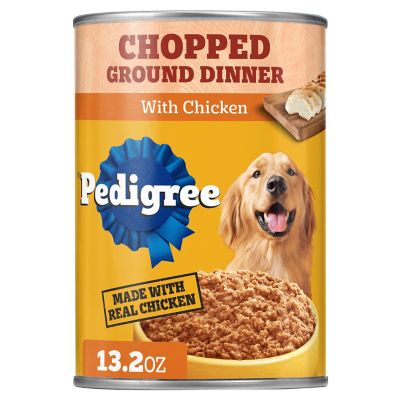
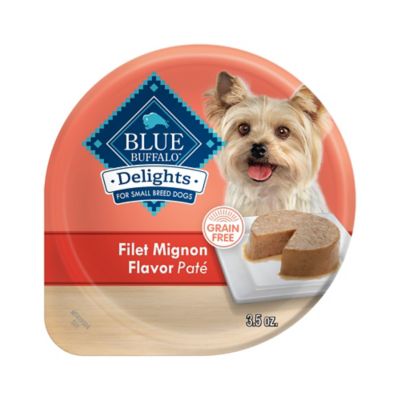
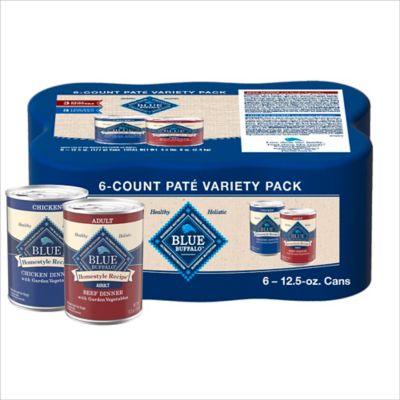
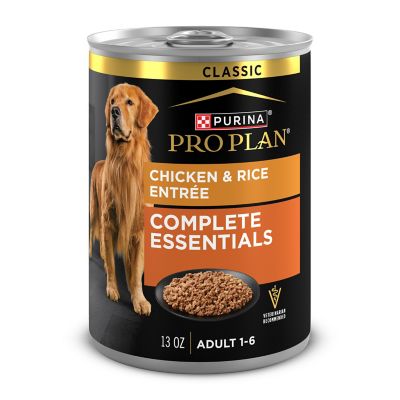
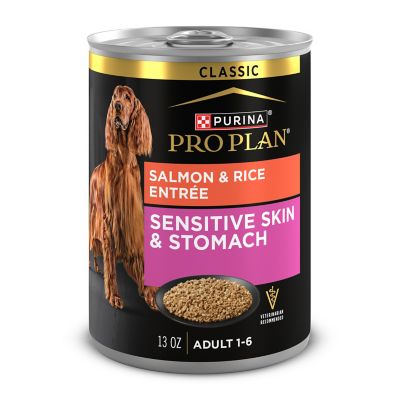
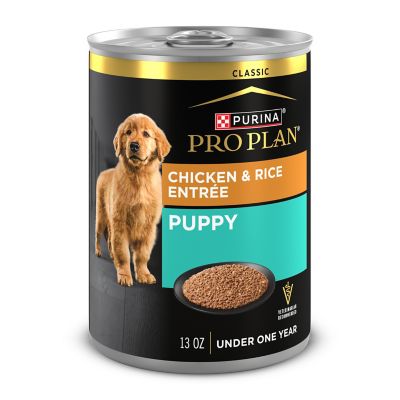
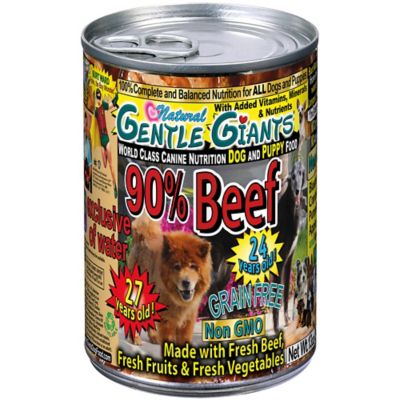
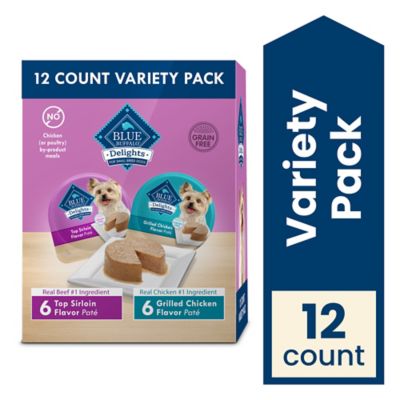
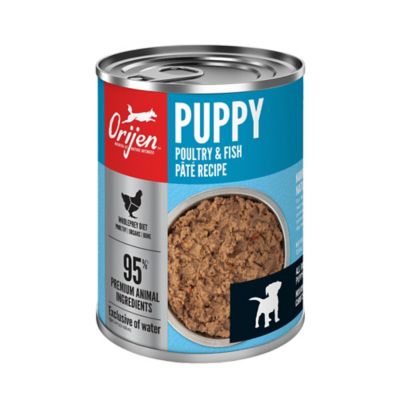
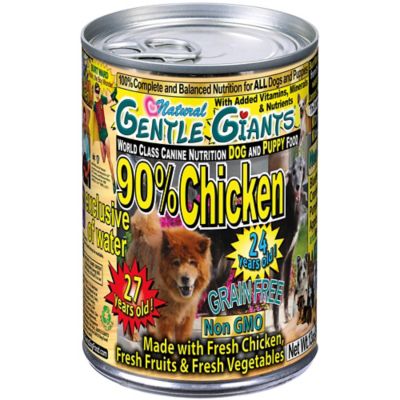
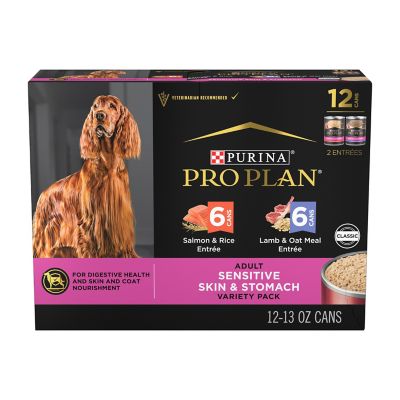
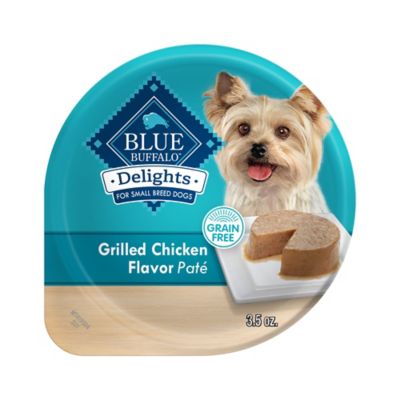
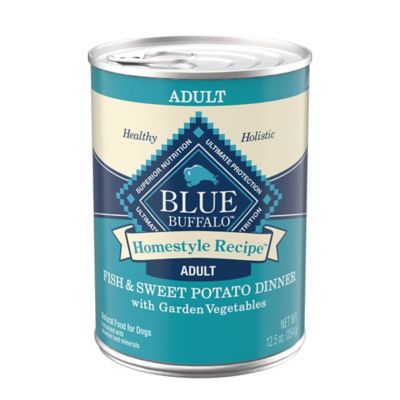
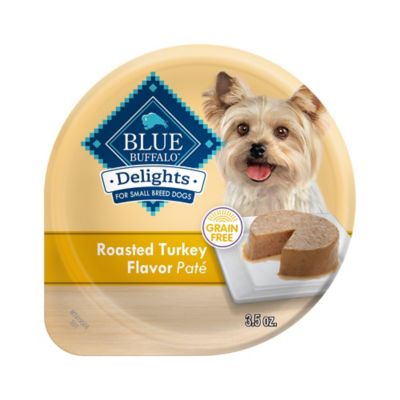
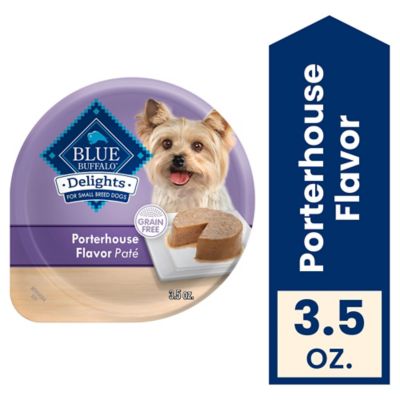
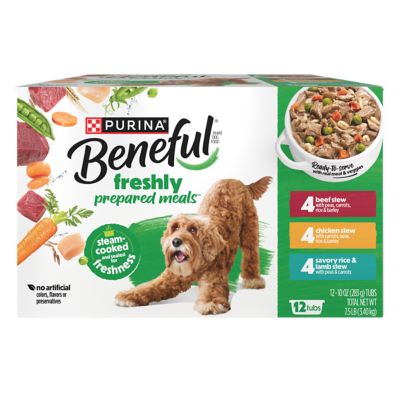
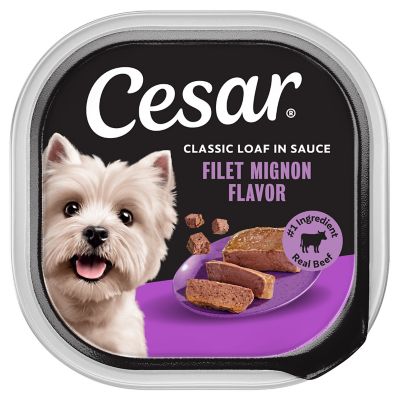
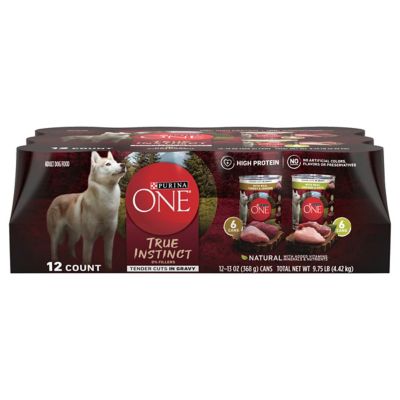
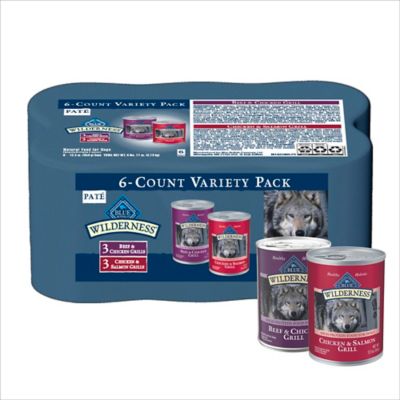
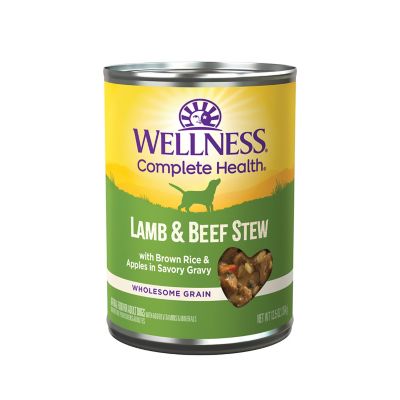
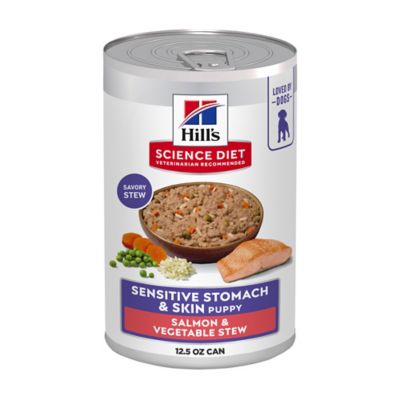
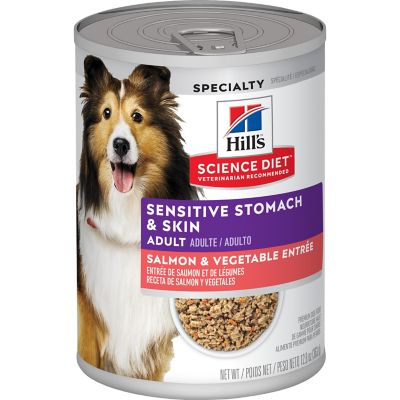
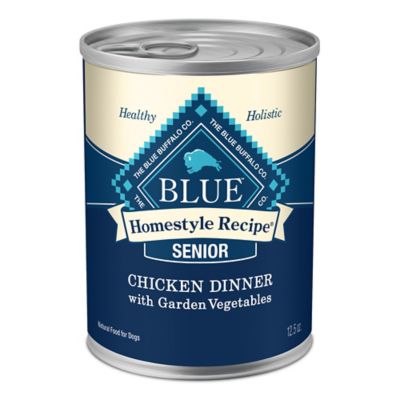
Pâté wet dog food is a soft, finely ground food with a smooth, loaf-like texture rather than distinct chunks in gravy. It holds together in the container but breaks apart easily with a fork, making it simple to portion, mash or spread over dry kibble. Many wet dog foods contain about 75% to 80% moisture, though the guaranteed analysis on the label gives the moisture information for each recipe. That moisture contributes to a dog’s daily water intake, but a bowl of fresh drinking water still belongs beside every feeding spot. For dogs that prefer a softer bite, pâté offers a different eating experience from crunchy kibble or chunky stews. Its aroma and texture may appeal to selective eaters, while the soft consistency can be easier for some older dogs or dogs with missing teeth to manage. Trouble chewing, sore gums or a sudden change in appetite still calls for a veterinarian’s attention rather than a food change alone. At home, this style fits plenty of routines: a measured breakfast before the morning fence check, supper after a walk down the lane or a smaller meal for a little dog settling in by the kitchen door. Depending on the recipe’s nutritional statement, pâté can serve as a complete meal or add flavor and moisture to another food. A product labeled for supplemental or intermittent feeding does not take the place of a complete and balanced daily diet. Texture varies, too. Some recipes are firm enough to slice with a spoon, while others are softer and easier to stir. A splash of warm water can loosen a firm portion for a dog that prefers a softer consistency, as long as any feeding restrictions are followed. The best fit comes down to the dog’s nutritional needs, comfort and eating habits, not simply how the food looks in the bowl.
Beyond texture, pâté wet dog food recipes differ in protein sources, fat content, calories and the life stages they support. Chicken, beef, turkey, lamb and fish are common ingredients in this category, often alongside grains, vegetables, vitamins and minerals. An ingredient list explains what goes into a recipe, while the nutritional adequacy statement identifies whether it provides complete and balanced nutrition and for which life stage. Puppies need food that supports growth; large-breed puppies need particular attention to the statement covering growth of large-size dogs. Adult dogs need nutrition suited to maintenance unless a veterinarian recommends something else. Senior dogs do not all have the same requirements, so age alone does not determine the right fat level, protein level or serving size. A dog riding along for chores and covering ground all day may need a different calorie allowance than one spending most afternoons asleep on the porch. Body condition, activity, age and health all matter when judging portions. Package feeding directions provide a starting point, with adjustments based on the dog’s condition and veterinary advice. Calories per container are especially helpful when comparing foods because equal-looking scoops can deliver different amounts of energy. For a mixed meal, the calories from pâté count toward the daily total rather than simply going on top of a full kibble serving. If a food is intended only as a topper or treat, those extras generally should make up no more than 10% of daily calories unless a veterinarian advises otherwise. Dogs with suspected food allergies or ongoing digestive trouble need closer attention to the entire ingredient list, not just the meat named on the front. A grain-free label does not automatically make a recipe a better fit for a sensitive stomach. When changing foods, a gradual transition over about seven to ten days often helps, with a slower pace if recommended for the dog. Keeping the rest of the feeding routine steady makes changes in appetite or stool easier to notice.
Container size and everyday handling matter almost as much as the recipe, especially when feeding dogs of different sizes under the same roof. A small dog may need only part of a container at a meal, while a larger dog’s measured portion may require more. Choosing a package size that matches the feeding routine helps limit refrigerated leftovers and keeps portioning straightforward. Cans and trays are common formats for pâté, and shoppers comparing packaging can also explore
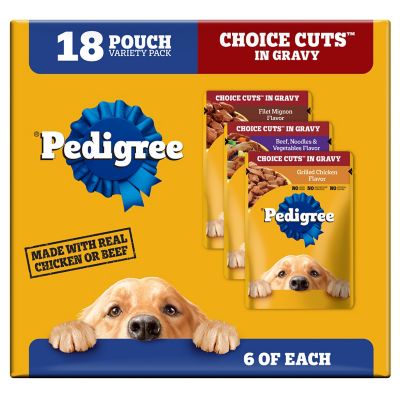
Wet Dog Food Pouches, checking each description for texture because pouch meals are not always pâté. Unopened containers belong in a cool, dry place away from direct sunlight, freezing temperatures and heat from appliances. A feed room or outbuilding is only suitable if its conditions meet the storage directions on the label. Containers that are bulging, leaking or badly damaged should not go into the feeding rotation. Once opened, wet food needs prompt refrigeration in a covered container, with the label’s directions setting the storage period. Marking the opening date makes leftovers easier to track during busy mornings. Serve food with a clean utensil, wash bowls after meals and discard portions left at room temperature for more than two hours, or more than one hour when temperatures rise above 90°F. A shaded porch does not replace refrigeration. For a dog that turns away from refrigerator-cold food, gently warming a single serving may bring out its aroma; stir well and check that it is only lukewarm before serving. There is no need to warm the whole container when only a spoonful is going into the bowl. Soft food also does not replace dental care. Regular brushing with dog-safe toothpaste and veterinary dental checks remain important whether dinner is pâté, kibble or a combination. With a life-stage-appropriate recipe, measured servings and sensible storage, pâté wet dog food can fit neatly into daily feeding, from a quiet kitchen breakfast to the evening meal after the last chores are done.