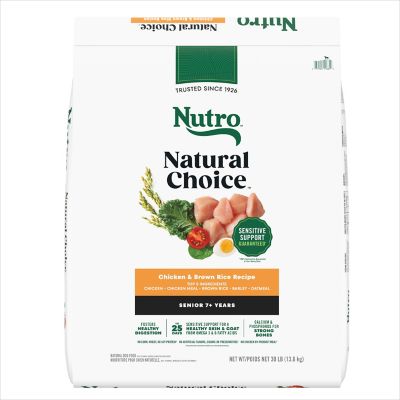
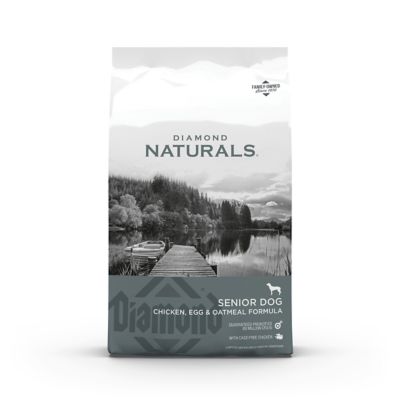
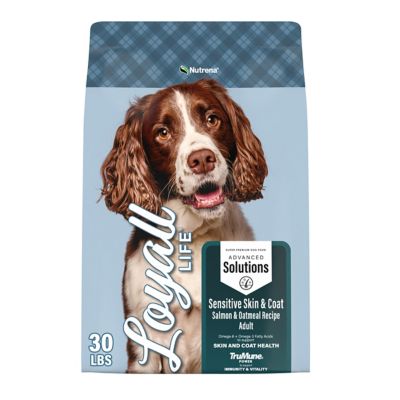
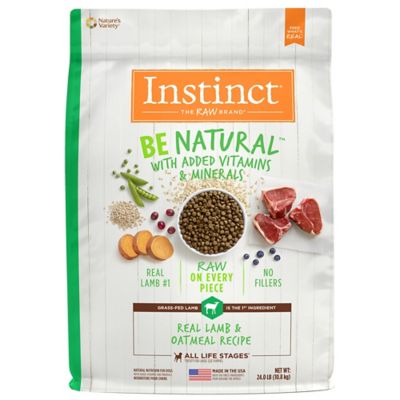
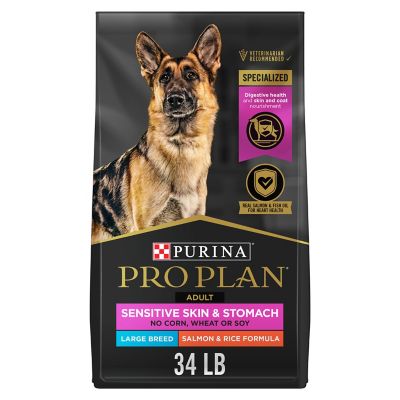
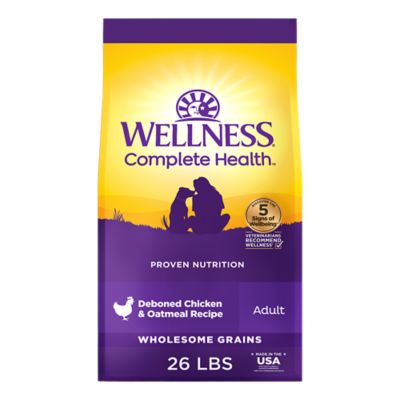
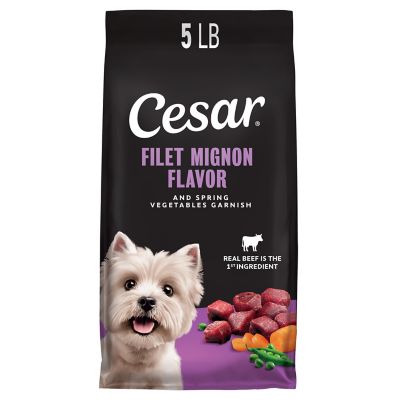
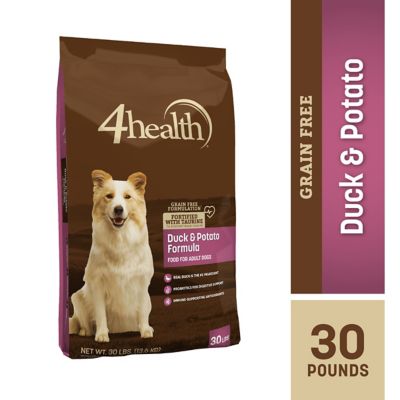
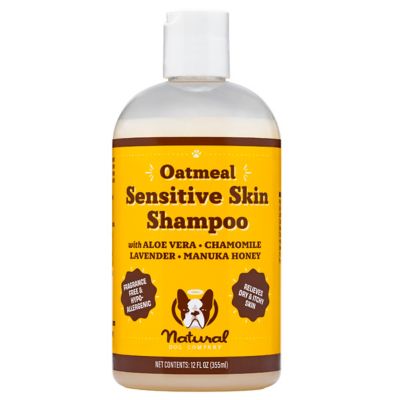
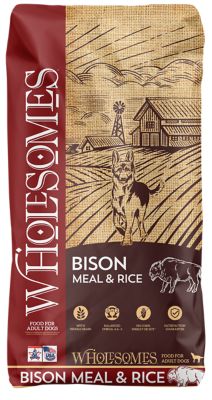
Dog food with oatmeal pairs animal proteins, fats, vitamins, and minerals with a grain ingredient that contributes carbohydrates and fiber. In a complete and balanced recipe, properly processed oats provide digestible energy, while their soluble fiber can help support normal digestion and stool consistency. That makes oatmeal a useful ingredient to consider for everyday feeding, including for some dogs with sensitive stomachs. The benefit comes from the whole formula, though, not from one ingredient alone. Protein sources, fat levels, total fiber, and portion size all affect how a food agrees with a dog. A cattle dog riding along for chores and a little house dog keeping watch from the porch may both do well with an oatmeal recipe, but their calorie needs can look quite different. Commercial dog food containing oatmeal is also different from adding a scoop of breakfast cereal to the bowl: a complete diet is formulated to supply nutrients in the right proportions for its stated life stage. Oatmeal contributes some nutrients of its own, but it does not replace the protein, essential fats, and mineral balance dogs need. Recipes may pair it with poultry, fish, lamb, or other protein sources, and some also contain rice, barley, or additional grains. Oatmeal on the label does not mean a food is grain-free, limited-ingredient, or suitable for every food sensitivity. It also does not guarantee relief from itching or digestive trouble. For a dog that handles grains well, it can simply be part of a satisfying daily meal that supports normal activity and body condition. The most useful description on the package is the nutritional adequacy statement, which identifies whether the food provides complete and balanced nutrition and which life stage it supports. That statement carries more weight than a front-label ingredient callout when choosing a diet meant to fill the bowl every day.
The right fit for dog food with oatmeal depends on age, adult size, activity, and any health needs that shape the feeding routine. Puppies need food formulated for growth, and puppies expected to reach 70 pounds or more as adults need a recipe whose nutritional adequacy statement includes growth of large-size dogs. Adult maintenance food serves a different purpose and is not a substitute for a puppy diet. An all-life-stages formula can cover more than one stage, but its calorie density and feeding amounts still deserve a close look. Senior labeling alone does not define one standard nutrient profile, so an older dog's appetite, muscle condition, weight, and veterinary recommendations matter more than the name on the bag. Texture and kibble size matter, too. A small dog may manage smaller pieces more comfortably, while a dog with sore teeth needs a dental assessment rather than a food change alone. Dry recipes offer a straightforward option for measured meals, and comparing calories per cup helps explain why the same scoop can deliver very different amounts of energy across formulas. Feeding charts provide a starting point; body condition and weight trends help show whether those portions suit the dog standing at the feed bin. Treats, training rewards, and table scraps count toward the daily total as well. For dogs with occasional soft stools, oatmeal's soluble fiber may be helpful, but more fiber is not automatically better, and sudden dietary changes can cause trouble of their own. Limited-ingredient recipes may make it easier to keep track of what a dog eats, yet they are not the same as a veterinary elimination diet. Persistent diarrhea, vomiting, itching, or ear problems warrant a conversation with a veterinarian instead of repeated ingredient swaps. Oats are not wheat, but an oatmeal recipe may contain wheat or other ingredients a particular dog needs to avoid. Reading the full ingredient list keeps attention on the entire meal rather than assuming that an oatmeal label tells the whole story.
A good everyday feeding routine helps an oatmeal-based dog food do its job, whether meals happen beside the mudroom door or in a quiet corner of the kitchen. When changing foods, a gradual transition over about seven to ten days often helps dogs adjust: the old food makes up most of the meal at first, then the new recipe takes a larger share. Some dogs need a slower change, especially when a veterinarian is managing digestive concerns. Consistent portions and regular mealtimes also make changes in appetite or stools easier to spot. A kitchen scale can help keep servings consistent when the package gives feeding amounts in grams, while a dedicated measuring cup is better than guessing with whatever scoop is handy. Fresh drinking water belongs alongside every feeding routine, particularly with dry food. For storage, keep dry food in its original bag inside a clean, tightly closed container, following the package directions and keeping the lot information and best-by date intact. Wash and dry the container between bags rather than topping off old crumbs with fresh food, and wash bowls regularly to clear away food residue. Choose a bag size that suits the household's feeding pace so it can be finished within the manufacturer's recommended period after opening. For homes with several dogs, separate bowls and supervised meals can help keep a fast eater from taking another dog's portion. When comparing grain ingredients with other carbohydrate sources,
Dog Food With Potatoes offers another category to consider, though neither ingredient alone determines whether a recipe suits a dog. The deciding details remain the food's life-stage suitability, nutrient profile, calorie content, and the dog's response over time. Steady energy, comfortable digestion, and a healthy body condition are practical signs to monitor with regular veterinary care. For a farm companion, a family pet, or a dog that spends most days close to home, oatmeal can have a sensible place in a complete daily diet without turning feeding time into a complicated chore.