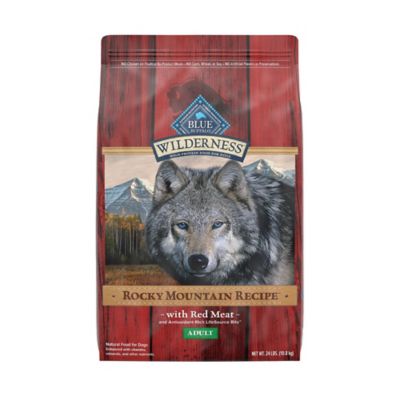
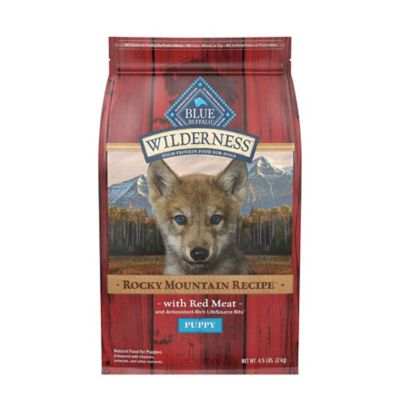
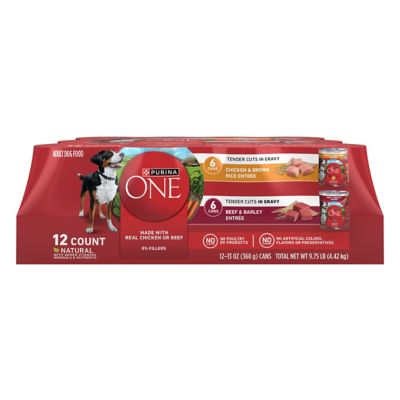
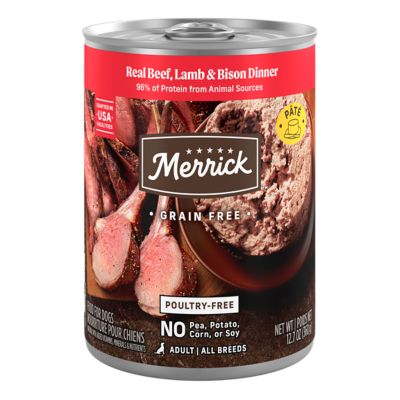
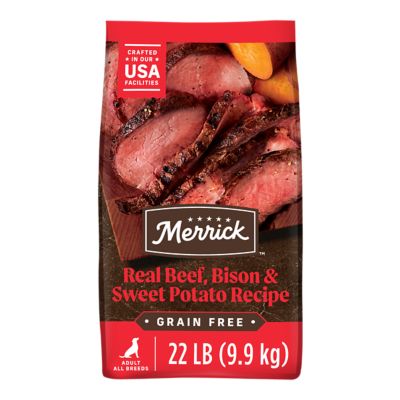
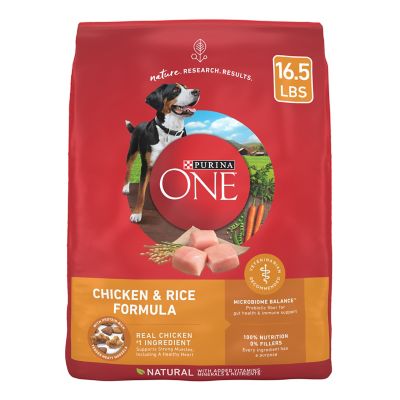
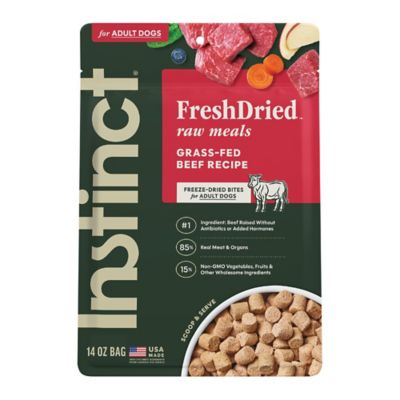
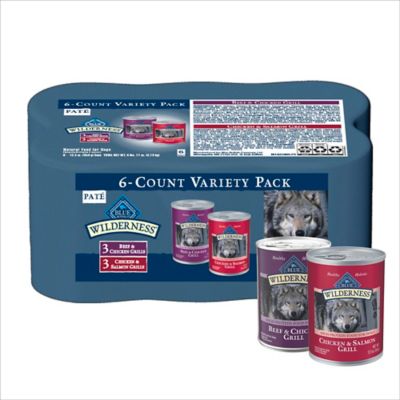
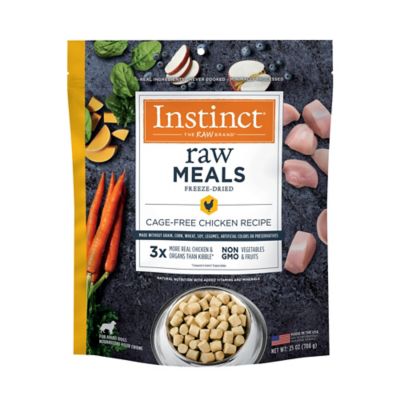
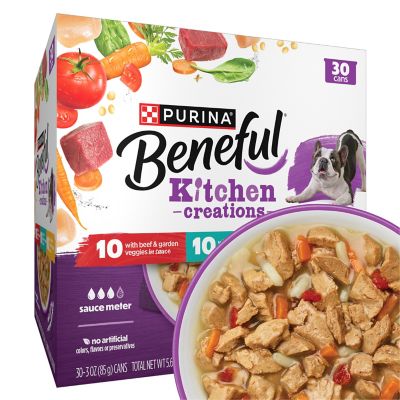
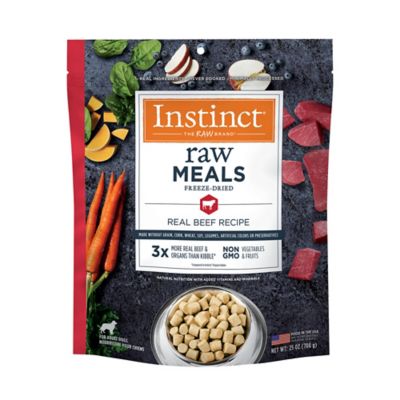
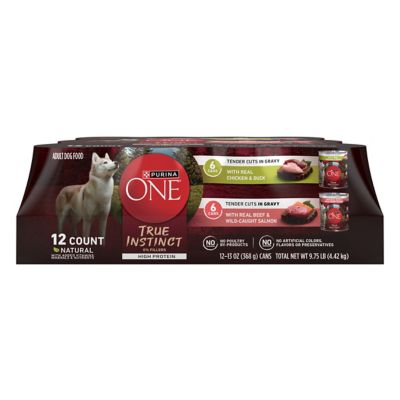
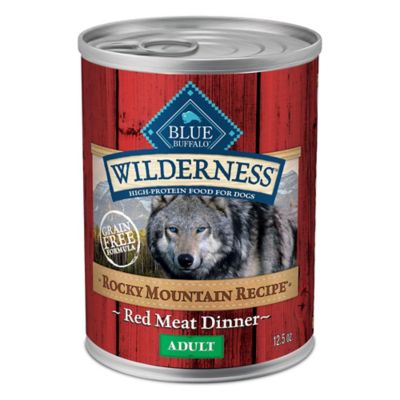
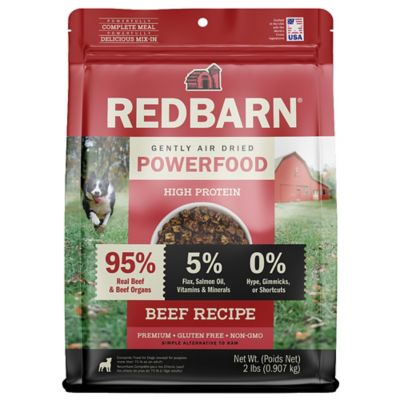
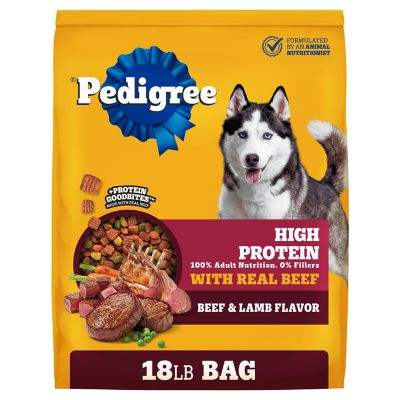
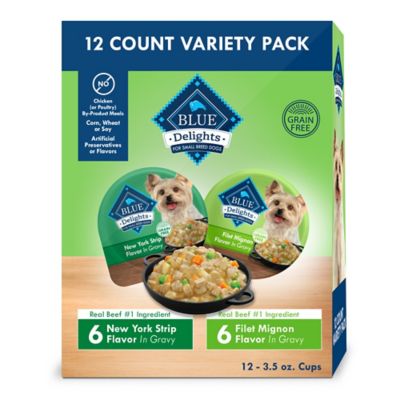
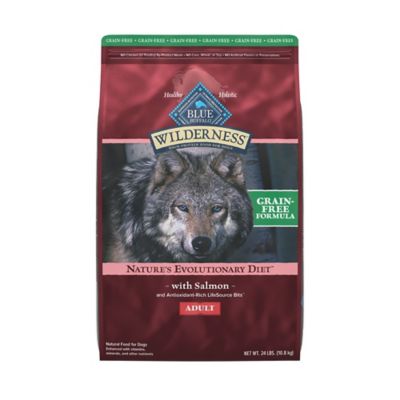
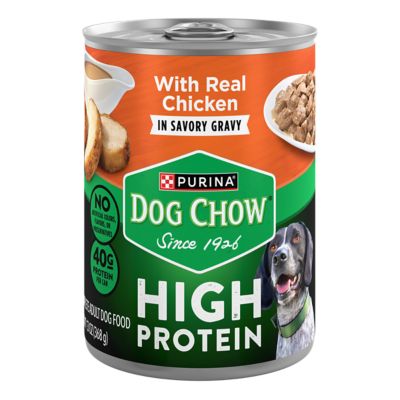
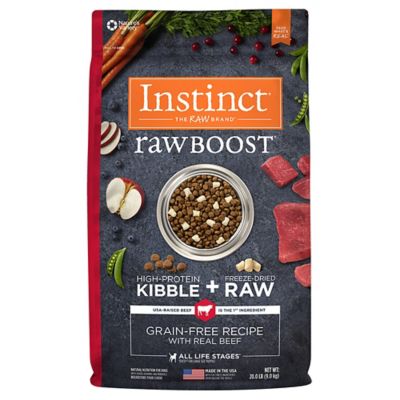
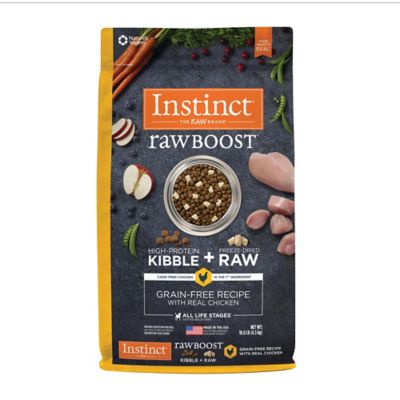
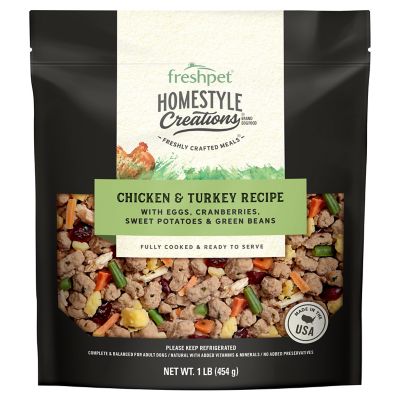
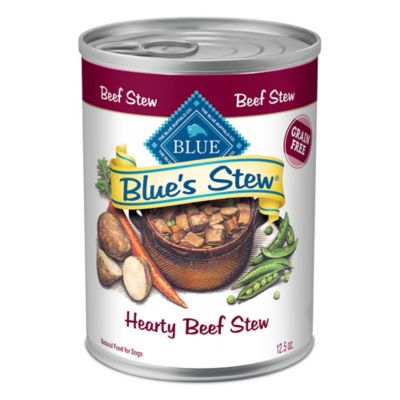
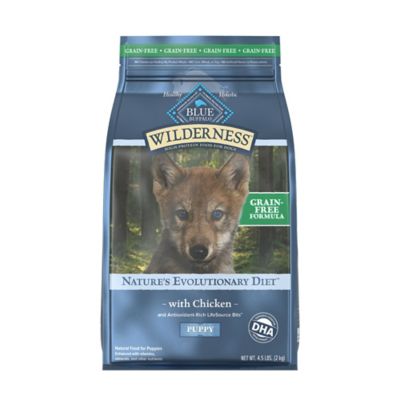
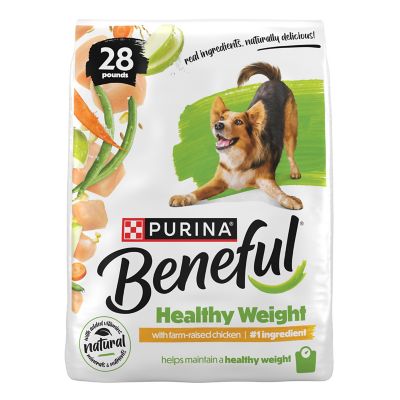
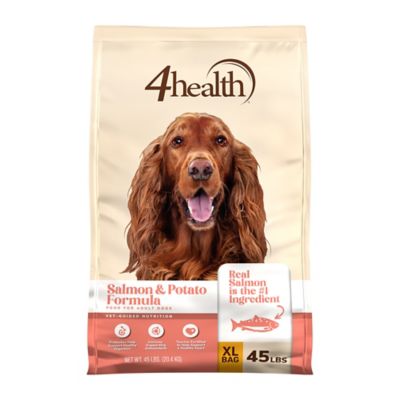
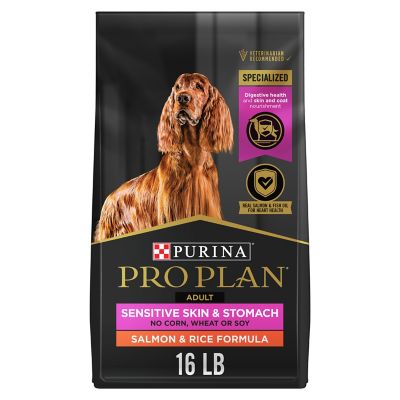
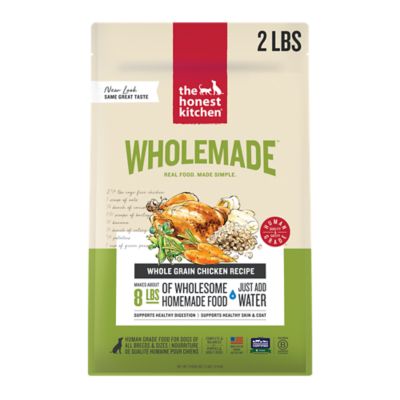
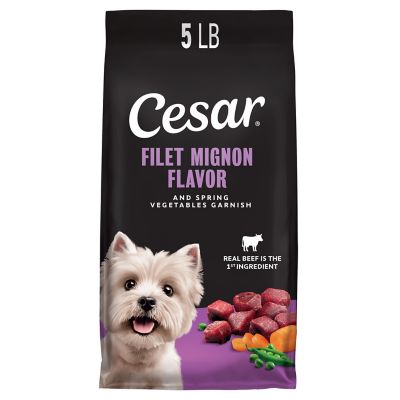
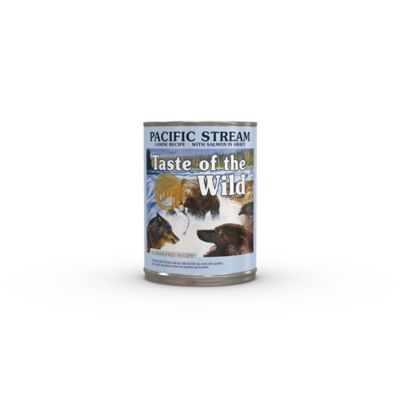
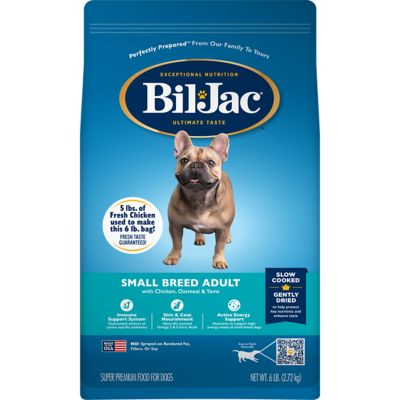
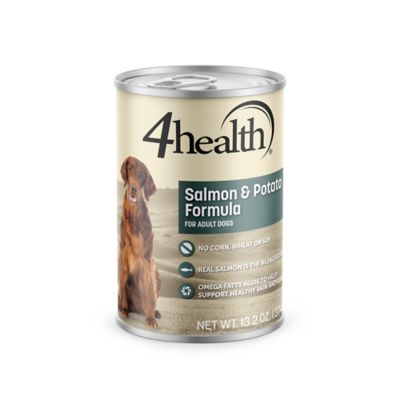
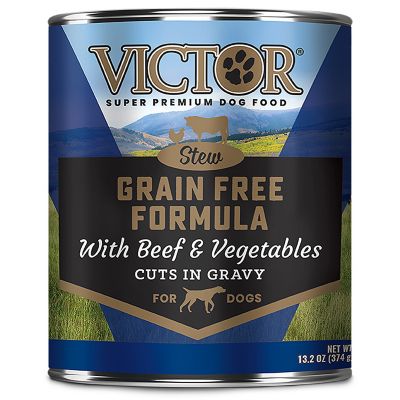
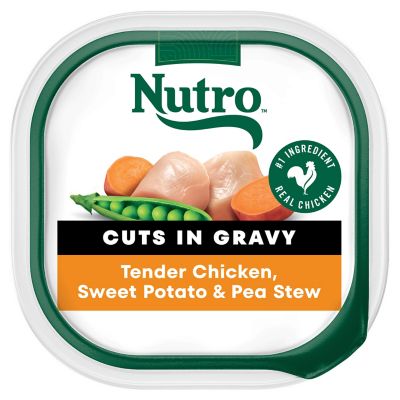
Dog food with real meat contains animal ingredients such as beef, chicken, turkey, lamb, or fish that contribute protein, flavor, and other nutrients to a dog’s daily meals. Protein supplies amino acids that help maintain muscle and support normal body functions, whether a dog spends the day tagging along for chores or stretched out beside the couch. Meat can be an important part of that nutrition, but the full recipe matters more than a single ingredient claim. A food labeled complete and balanced for the appropriate life stage is formulated to provide the nutrients a dog needs when fed as directed. The nutritional adequacy statement on the package helps distinguish a daily diet from a topper or food meant only for supplemental feeding. “With real meat” does not necessarily mean meat is the first ingredient, so the ingredient list is worth a close look. Ingredients appear in descending order by weight before processing, and fresh meat contributes water to that weight. A named meat meal, such as chicken meal, has much of its water and fat removed during rendering, making it a concentrated source of protein and minerals. Fresh meat and meat meal can both contribute valuable nutrition; neither tells the whole story about a finished food on its own. Dry kibble, canned food, and air-dried recipes also differ in moisture, texture, and calorie density. The protein percentage printed on a wet food label cannot be compared directly with the percentage on a dry food label without accounting for moisture. For a fairer comparison, a veterinarian or the food manufacturer can help explain protein levels on a dry-matter basis. That broader picture keeps the focus on what belongs in the bowl: a balanced meal that suits the dog, not simply a meat name printed across the front of a bag. A recipe’s feeding directions, calorie statement, and life-stage designation give that ingredient list practical context.
The right fit depends on the dog doing the eating. A growing puppy, a full-grown farm companion, and an older house dog may all enjoy a meat-based recipe, but their nutritional needs and daily portions can look quite different. Puppy food supports growth, and large-breed puppies need nutrition suited to their developing bones and joints. For a puppy expected to reach 70 pounds or more as an adult, the nutritional adequacy statement should indicate suitability for growth of large-size dogs. Adult maintenance recipes serve a different purpose, while an all-life-stages formula still needs to be portioned for the individual dog. An active dog covering ground alongside a fence line may need more calories than a dog whose longest trip is from the porch to the feed room. Extra protein alone does not establish whether a food is right for either one; fat content, total calories, digestibility, and portion size also matter. Kibble size and texture deserve attention, too. A small mouth may manage smaller pieces more comfortably, while a dog with missing teeth may do better with an appropriate softer food after a veterinary check. Wet food brings moisture to the meal, and dry food can be straightforward to measure and serve. Some households feed a combination, with each portion counted toward the daily calorie total. For dogs with known food sensitivities, the entire ingredient list matters more than the recipe name. A beef-labeled food may also contain chicken, egg, or other animal ingredients. Limited-ingredient wording does not guarantee that a food will suit a particular allergy, and persistent itching, digestive trouble, or ear problems call for veterinary advice rather than repeated food swaps. Likewise, real meat does not make a recipe grain-free, and grain-free food is not automatically a better choice. Grains can contribute energy and nutrients when included in a balanced formula. The best match is a food that meets the dog’s nutritional needs and supports a comfortable, consistent eating routine.
Everyday feeding habits help turn a well-matched recipe into a steady routine. Package directions provide a starting point, but the amount in the bowl may need adjustment based on body condition, activity, age, and the calories supplied by extras. A measuring cup filled the same way each time is more consistent than an overflowing scoop; weighing portions on a kitchen scale adds another level of precision. A dog should generally have ribs that can be felt without a thick fat covering and a visible waist, though a veterinarian can help assess body condition beneath a heavy coat. When changing foods, a gradual transition over about seven to ten days often helps limit digestive upset, with a slower change when a veterinarian recommends it. Mixing increasing amounts of the new food into the previous diet gives the dog time to adjust. Fresh drinking water belongs alongside every meal, including meals that contain canned food. Storage and cleanup matter as much in a busy mudroom as they do in a kitchen. Keep dry food in its original bag inside a clean, closed container, following the package’s storage directions and retaining the lot information. Wash and fully dry the container between bags rather than continually pouring new food over old crumbs. Refrigerate opened wet food promptly and follow the label’s directions for how long to keep it. Bowls need regular washing, especially after moist meals, and food left sitting should be handled according to the manufacturer’s safety instructions. In homes with more than one dog, separate feeding spots make it easier to see who is finishing meals and who is leaving food behind. Rewards count, too:
Dog Treats With Real Meat can complement a feeding routine for recall practice, calm behavior, or a job well done. Treats and other extras should generally supply no more than 10 percent of daily calories unless a veterinarian advises otherwise, leaving most nutrition to the complete and balanced food in the bowl.