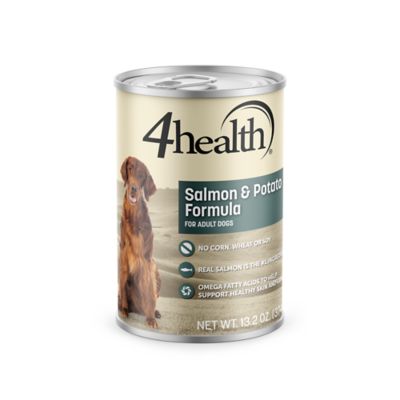
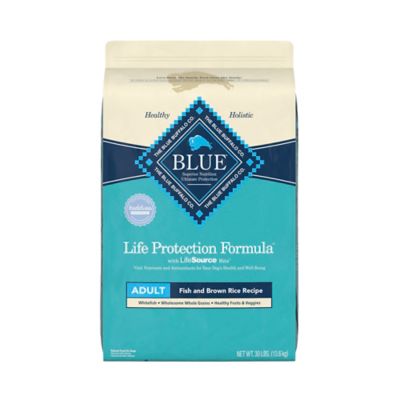
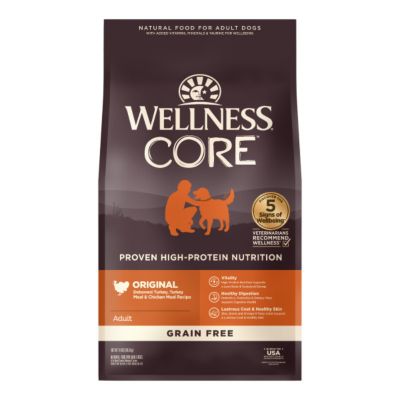
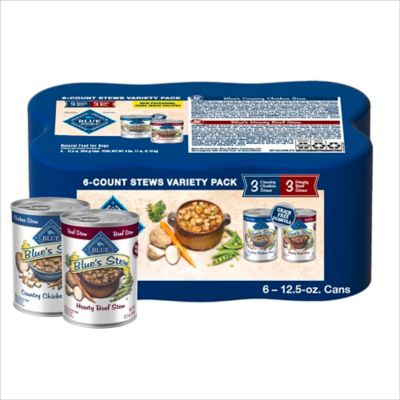
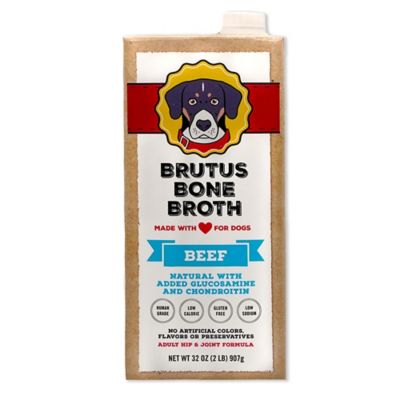
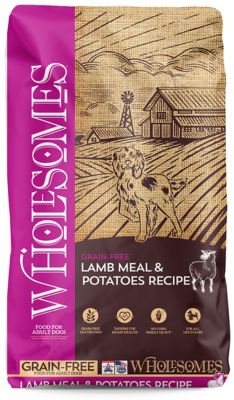
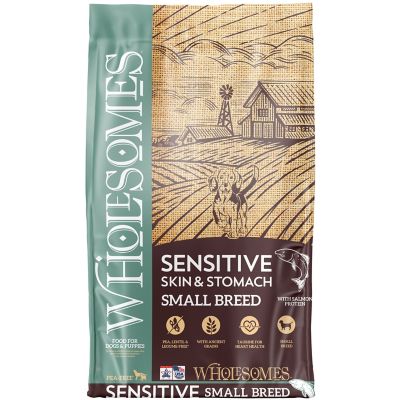
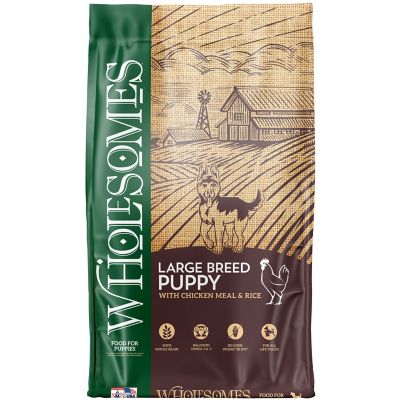
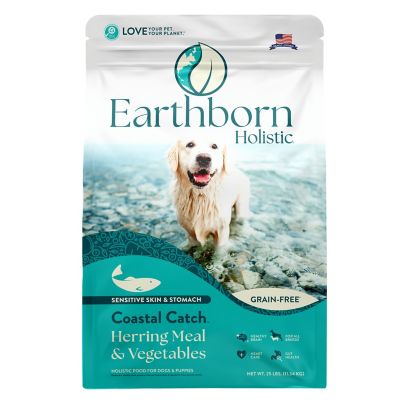
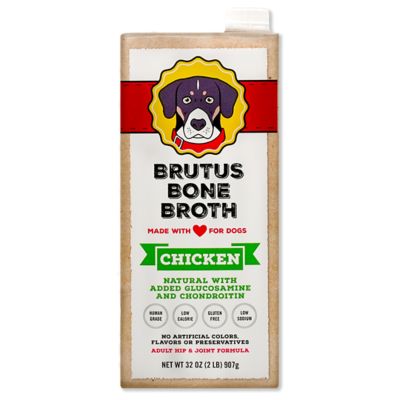
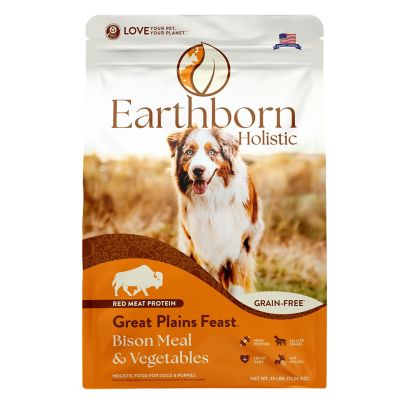
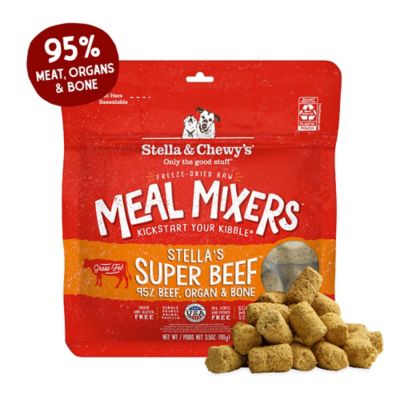
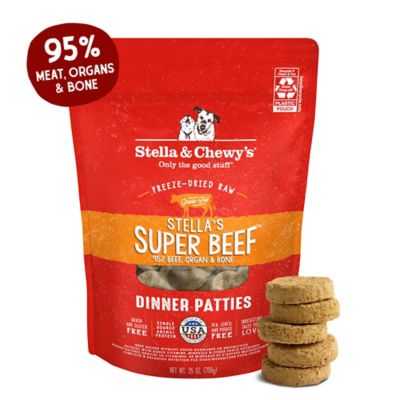
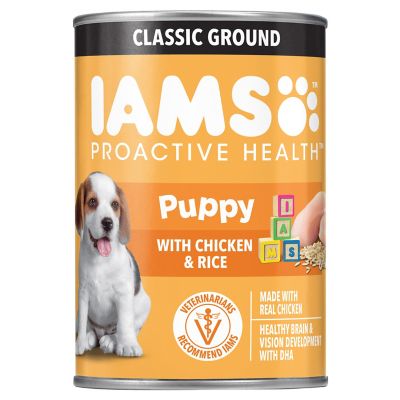
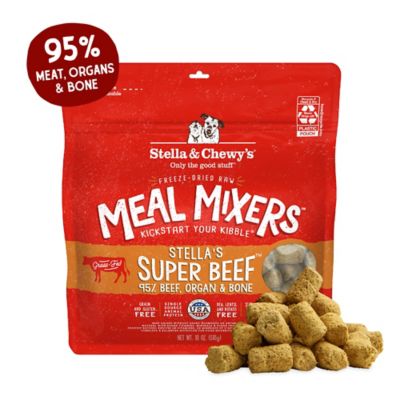
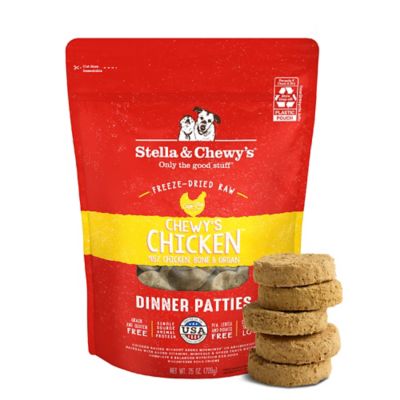
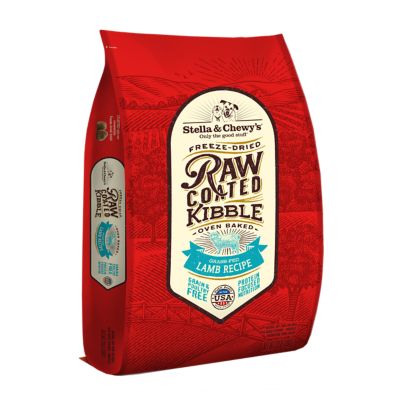
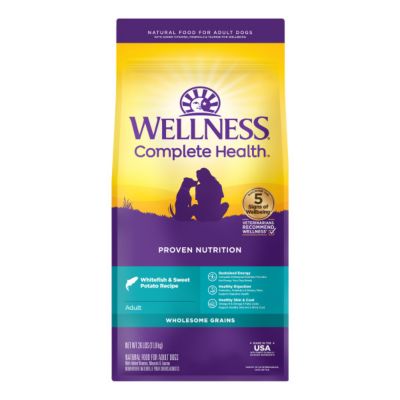
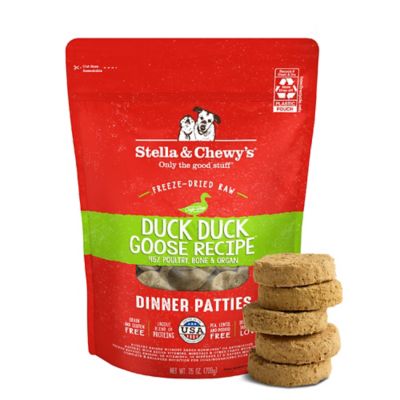
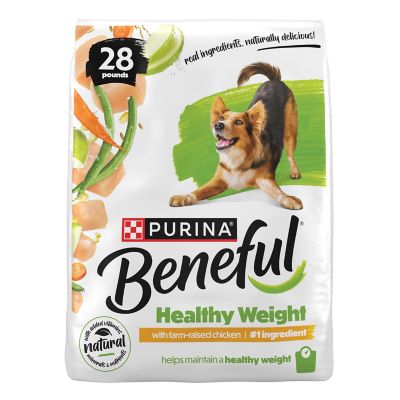
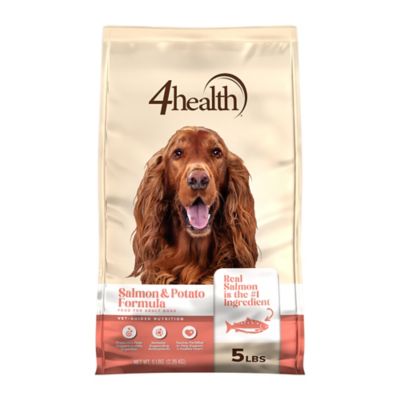
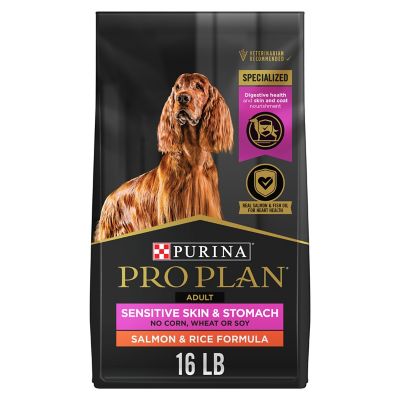
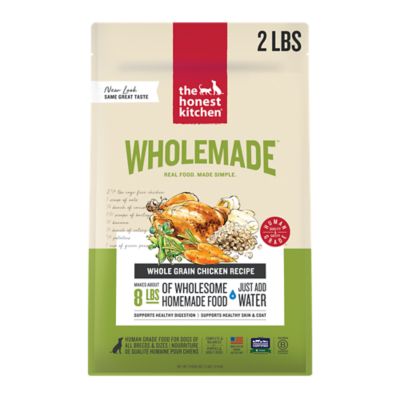
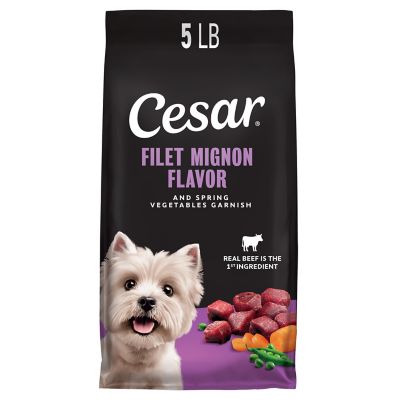
Dog food for allergies is meant for dogs that need a closer look at what goes into their bowl, whether they spend their days checking fence lines or keeping a spot warm beside the couch. The right diet depends on the ingredient causing trouble, not simply the wording on the front of a bag. Food allergies involve an immune response to a dietary ingredient, often a protein, and can show up as ongoing itching, irritated skin, recurring ear problems, or digestive upset. Those same signs can also come from fleas, environmental allergies, infections, or other health conditions, so a veterinarian’s assessment matters before changing meals to address an allergy. Foods that support a veterinarian-directed plan generally fall into three groups: hydrolyzed-protein diets, novel-protein diets, and limited-ingredient diets. Hydrolyzed diets contain proteins broken into smaller pieces, making them less likely to trigger an immune response; many are therapeutic foods that require veterinary authorization. Novel-protein diets feature a protein the individual dog has not eaten before. Rabbit or venison might fit that description for one dog but not another, especially when past treats and meal toppers enter the picture. Limited-ingredient dog food keeps the recipe simpler, often with one main animal protein source and a shorter list of other ingredients. A shorter list can make comparisons easier, but it does not guarantee that a food will avoid a particular dog’s trigger. Likewise, a fish-based recipe is not automatically suitable for every itchy dog, and no single protein works for all dogs with allergies. A useful match starts with the dog’s full feeding history, including snacks slipped across the porch and chews handed out after chores. For households managing a confirmed allergy, the goal is a complete daily food that avoids the identified trigger while supporting steady nutrition, comfortable digestion, and a feeding routine the whole family can follow. That makes the ingredient panel and the intended purpose of the diet more important than broad claims about sensitive skin or stomachs.
Nutritional fit still matters when an ingredient needs to stay out of the bowl. Puppies, adult dogs, and nursing mothers have different needs, and large-breed puppies need food suited to their growth. Look for a nutritional adequacy statement showing that the food is complete and balanced for the dog’s life stage, rather than intended only for supplemental or intermittent feeding. Calorie content deserves attention, too: a dog moving livestock all morning may need a different portion than a small companion taking short walks between naps. Food allergies do not erase those differences. Dry dog food offers straightforward measuring and storage, while wet food adds moisture and a softer texture that may suit some dogs’ eating preferences. Neither format is inherently better for allergies; the recipe and the dog’s response are what count. Kibble size, ease of chewing, and willingness to eat the food can help determine whether a diet fits everyday life, particularly for smaller dogs or dogs with dental concerns. Ingredient comparisons should include more than the protein named on the front label. Other animal proteins, flavorings, and additional ingredients can appear farther down the panel, and a familiar recipe name alone does not establish suitability. Grain-free dog food is not a default answer to food allergies, since dogs can react to animal proteins as well as certain plant ingredients. Removing grains without a specific reason may leave the actual trigger untouched. For dogs that tolerate oats,
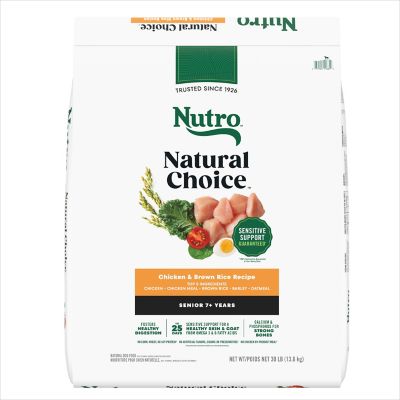
Dog Food With Oatmeal provides another category to consider when comparing grain-inclusive recipes. Oatmeal contributes carbohydrates and fiber, but its presence does not make a food hypoallergenic or establish that it will suit an individual dog. Added omega fatty acids may support normal skin and coat health, yet they do not replace avoiding a confirmed allergen. The strongest choice brings those details together: an appropriate life-stage formula, an ingredient profile that fits the veterinary plan, and a texture and portion size that work at feeding time.
Consistency is especially important when dog food becomes part of an allergy evaluation. A veterinarian-directed elimination diet trial typically runs for eight to twelve weeks, with the selected food serving as the only food source unless the veterinarian approves something else. Improvement during that period can be informative, but confirming a food allergy generally also involves a supervised return to the previous diet or a planned ingredient challenge. That process helps separate a true food response from changes in pollen exposure, flea control, medication, or other factors. Veterinary therapeutic diets are often preferred for diagnostic trials because they may have tighter controls against unintended protein exposure than everyday limited-ingredient foods. Over-the-counter foods can have a place in ongoing feeding for some dogs, but they are not interchangeable with a prescribed diagnostic diet. Around a busy household, even a small extra bite can muddy the picture. A biscuit from a coat pocket, a spoonful of another pet’s dinner, a flavored chew, or a food-filled toy may introduce an ingredient outside the plan. Flavored medications and supplements also deserve a conversation with the veterinarian; prescribed medicine should not be stopped without guidance. Separate bowls and scoops help keep meals straight when several dogs eat under the same roof, and every family member needs to know which treats, if any, fit the plan. Storage and bowl care matter alongside ingredient control. Keep dry food in its original bag inside a clean, tightly closed container, away from damp feed-room floors, direct sunlight, and pests. Retaining the packaging also keeps feeding directions and lot information handy. Refrigerate opened wet food promptly and follow the package directions for storage and serving time. Wash bowls and measuring tools regularly, and keep fresh water within reach. When starting a new diet, follow the veterinarian’s transition instructions rather than switching back and forth whenever a dog leaves a few bites behind. With the right nutritional fit and a consistent routine, allergy-focused feeding can settle into everyday chores without guesswork at every meal.