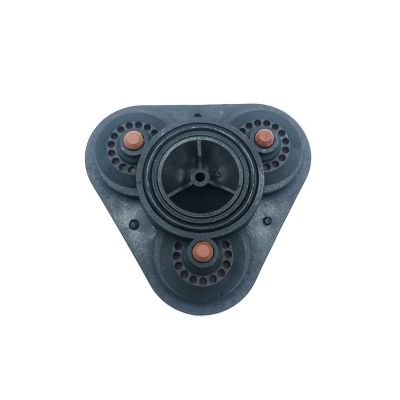
Diaphragm valves control the flow of liquids or gases by moving a flexible membrane against an internal seat or raised ridge called a weir. When the valve opens, the diaphragm lifts to let the fluid pass; when it closes, the diaphragm presses against the sealing surface to shut off flow within the valve’s rated operating limits. That flexible barrier also separates the fluid from the stem and operating mechanism, helping keep working parts out of contact with the material moving through the line. For folks maintaining water systems, managing farm fluid-handling equipment or keeping a small processing operation running, that separation can be a practical advantage. A diaphragm valve may suit clean water, certain chemical solutions, thicker liquids or fluids carrying suspended particles, depending on its construction and ratings. Picture a utility shed where a water line shares space with a treatment system: the valves may look much alike from the outside, but what passes through each line makes a big difference in what belongs there. Body material, diaphragm composition, pressure and temperature all matter more than appearance. Two common designs are weir-type and straight-through diaphragm valves. A weir-type valve closes against a raised section inside the body and often works well for shutoff and flow regulation. A straight-through design has a more open passage that can suit thicker fluids or some slurries, provided the manufacturer approves the application. Neither design is automatically right for every liquid or gas, and solids can still interfere with sealing or wear the diaphragm. The appeal is a relatively simple flow-control arrangement with fewer operating components exposed to the process fluid. On the right system, that can make diaphragm valves a sensible choice for property owners, irrigation maintenance crews, water treatment operators and plant maintenance teams who need to manage flow without putting the valve’s operating mechanism directly in the stream. They also have a place in certain food, beverage and pharmaceutical systems, although those applications call for specific sanitary construction, materials and documentation rather than just any valve with a diaphragm.
Choosing diaphragm valves starts with knowing the fluid, its concentration and the conditions inside the pipe. A valve handling cool water has different demands than one carrying a warm cleaning solution, fertilizer mixture or abrasive suspension. Compatibility has to cover every wetted component, including the body, lining when present, diaphragm and any other seals. Metal and thermoplastic bodies each have their place, but neither category tells the whole story: the exact material grade and the manufacturer’s compatibility information are what count. Diaphragms made from elastomers or fluoropolymer materials differ in flexibility, chemical resistance and temperature limits, so matching the membrane to the job helps prevent swelling, cracking or early loss of sealing performance. Pressure ratings deserve the same attention. The allowable working pressure may change with temperature, and the pressure difference across a closed valve can affect whether its actuator can seat it properly. Pipe size is another starting point, not a complete sizing method. Flow capacity, often listed as Cv, helps show how much fluid a valve can pass at a given pressure drop. An undersized valve can restrict a system that otherwise has plenty of pumping capacity, while an oversized valve may make fine adjustments harder in a control application. Threaded, flanged, socket and sanitary connections bring different installation needs, and connection standards must match the existing plumbing. For someone replacing a valve tucked behind a tank or beneath a workbench, overall length, handle clearance and room to service the diaphragm can matter just as much as nominal pipe diameter. Manual handwheel operation makes sense where adjustments are occasional and access is easy. Pneumatic or electric actuation may fit equipment that cycles often, operates remotely or needs a defined response when control power or air is lost. Fail-open and fail-closed behavior depend on the actuator arrangement, so that detail belongs on the purchase checklist alongside available air pressure, electrical requirements and control compatibility. When flow regulation is part of the job, look for a design and actuator intended for throttling rather than assuming every shutoff valve will provide smooth control.
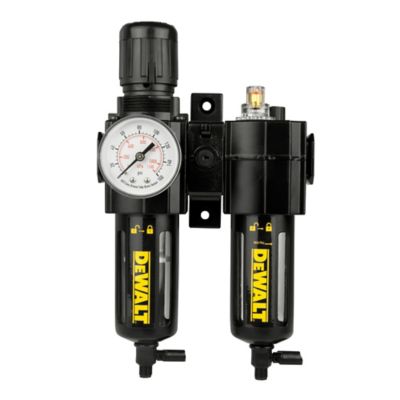
Around a farm shop, acreage or worksite, the value of a well-matched diaphragm valve often shows up in ordinary chores: isolating a section of water line for service, regulating an approved fluid feed or shutting down a treatment circuit without exposing the operating mechanism to the process liquid. These are working components, so a practical purchase usually comes from matching a known system requirement rather than choosing by looks or giving one as a surprise gift. Keeping the equipment specifications handy makes it easier to compare operating limits and connection details before a repair puts a chore on hold. Service access deserves a little forethought, too. A diaphragm is a wear component, and repeated cycling, abrasive material, chemical exposure and temperature changes can shorten its working life. Availability of compatible replacement diaphragms, clear service documentation and space to remove the bonnet can make future maintenance less of a squeeze. A valve mounted where a gloved hand can reach the operator and a wrench can reach the fasteners is a welcome sight when the shed is cold and daylight is fading. During the cooler months, outdoor and unheated installations also need protection from freezing according to the equipment manufacturer’s directions; closing a valve alone does not protect trapped water from expansion. Any service work calls for isolation, pressure relief and appropriate handling of the fluid before the valve is opened. Shop air equipment brings a separate set of requirements, and
Air Tank Valves are worth considering separately when the job involves a compressed-air tank rather than a process-fluid line. A diaphragm valve is not automatically suitable for compressed gas, potable water or sanitary service without the appropriate ratings or approvals. With the application clearly defined, comparing diaphragm valves becomes a matter of matching materials, flow capacity, operating method and service needs to the equipment already doing the work. That fit helps support steady day-to-day operation, whether the line runs beside a barn, inside a utility room or across a processing floor.