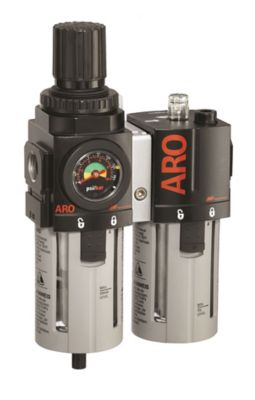
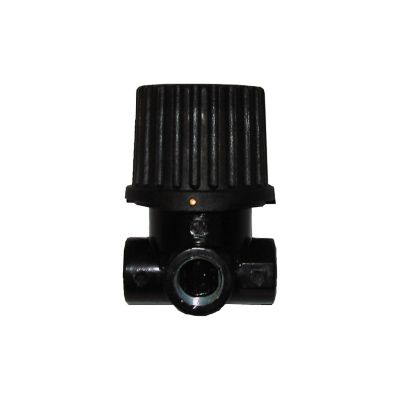
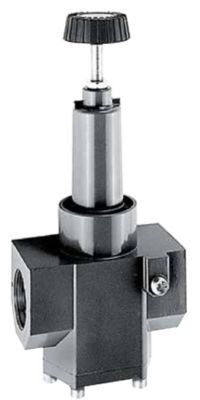
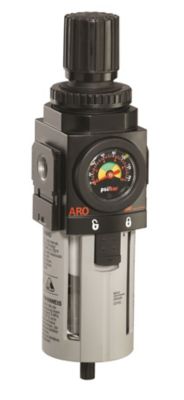
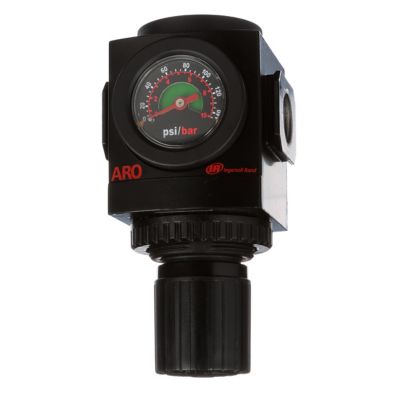
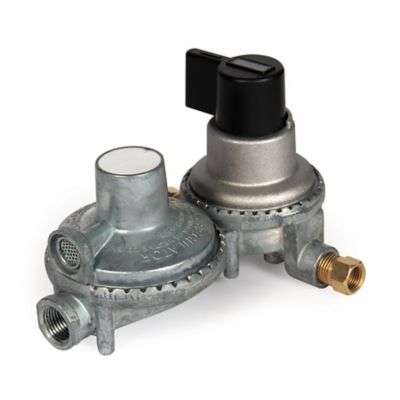
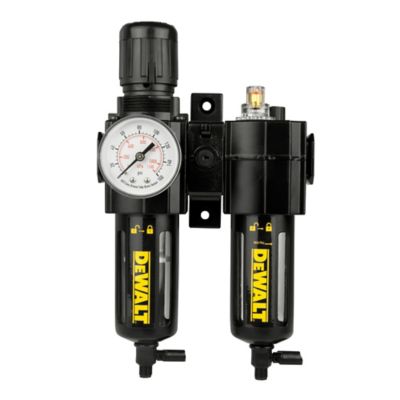
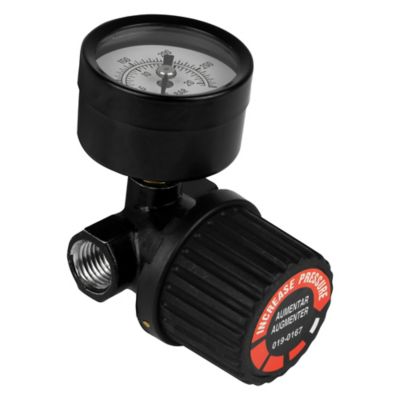
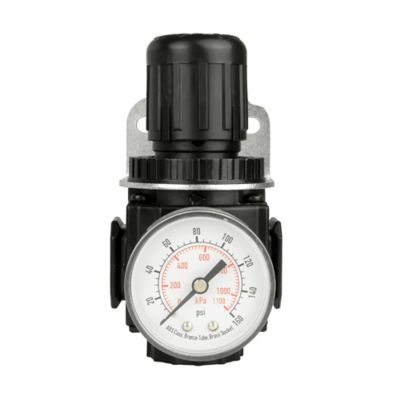
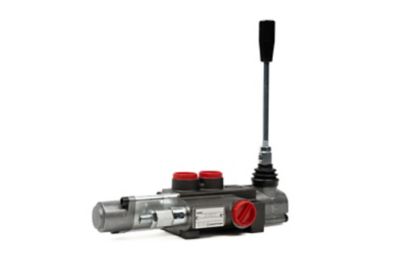
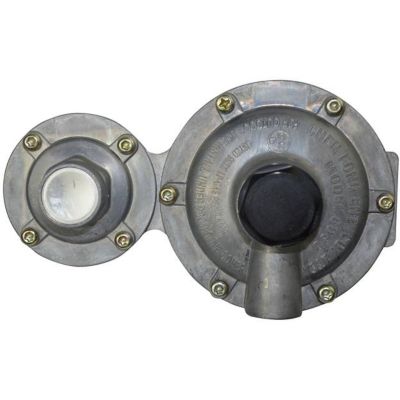
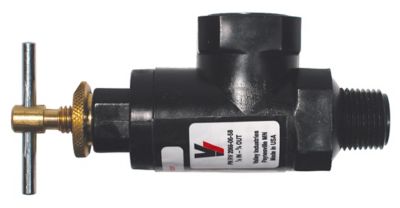
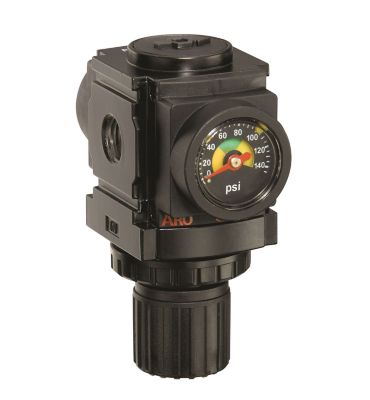
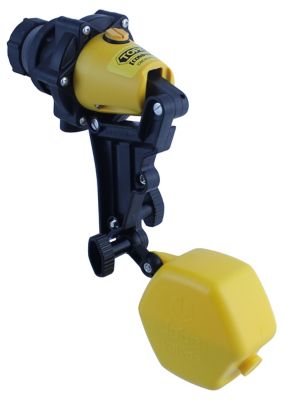
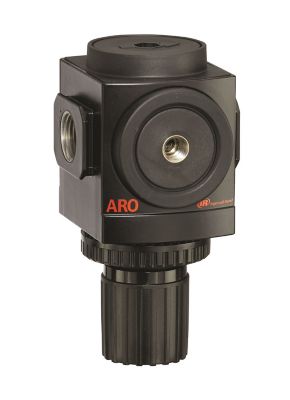
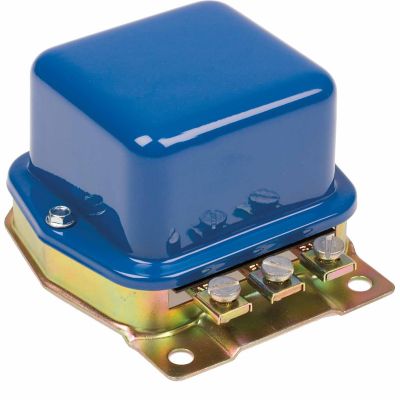
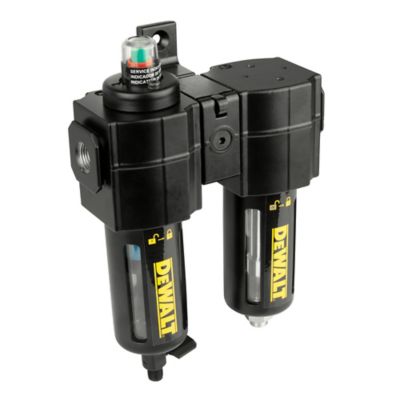
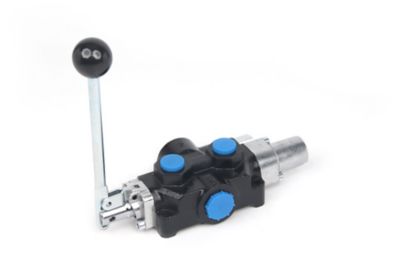
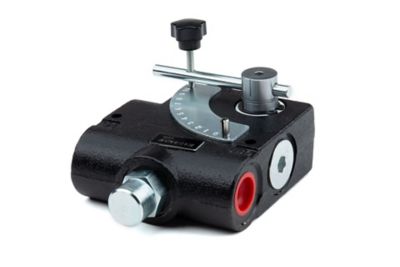
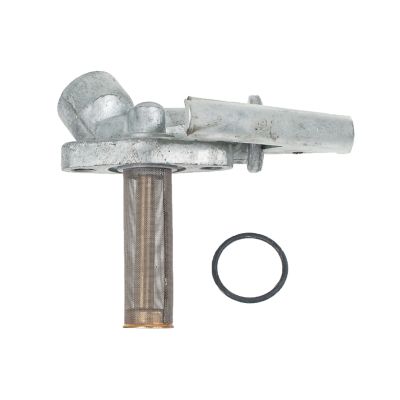
Regulator valves are a must-have for anyone managing water or gas lines around the home, farm, or shop. These handy devices work behind the scenes, keeping your systems running smooth by holding pressure at just the right level—even when supply lines get a little wild. Whether you’re looking after livestock in the barn, watering the garden, or keeping the workshop humming, a quality regulator valve helps prevent those sudden surges that can knock out pipes, damage fixtures, or send your irrigation system into a tailspin. Folks who’ve dealt with banging pipes or sputtering faucets know how much trouble can come from a worn-out or poorly adjusted valve. When the weather warms up and outdoor chores pick up, it’s a good time to check on your regulator valves, especially if you’re noticing any loud thumps, drops in water flow, or if your pressure seems too high or too low. Regulators are built for all sorts of setups—from simple home plumbing to more rugged, heavy-duty agricultural lines—and picking the right one can make all the difference in keeping things safe and efficient.
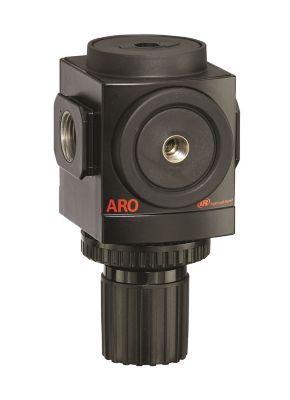
When choosing a regulator valve, it’s worth sizing up your needs and the kind of system you’re running. For household water lines, most folks aim for a steady pressure between 40 and 75 psi, with 50-60 psi being the sweet spot for most fixtures and appliances. Too much pressure can wear out washers, seals, and even your hot water heater, while too little can leave you with weak showers and slow-filling troughs. Out on the farm, pressure regulators are just as important for drip irrigation, livestock waterers, and even propane or natural gas lines that keep heaters and cookers going strong. Many valves come with a simple adjustment screw or bolt on top—tighten it to bump up the pressure, loosen it to bring things down. Over time, the internal parts (like the spring or diaphragm) can stiffen or tear, so if you notice water hammer, odd noises, or pressure swings, it might be time for a replacement. These valves also make a thoughtful gift for anyone who takes pride in their land or enjoys tackling their own repairs—especially if you know someone fixing up an older home, setting up a new greenhouse, or building out a backyard workshop. For those looking to explore more options or learn about related products, check out our full selection of
Pressure Control Valves to find just the right fit for your setup.
Keeping up with regular maintenance and swapping out old regulator valves as needed can save a heap of trouble down the road. It’s the kind of job that pays off in peace of mind—no more worrying about busted pipes or surprise leaks during the busy season. Folks in rural areas know that reliable water and gas lines are the backbone of daily life, whether you’re filling stock tanks, running sprinklers, or just making sure the family has a good, steady shower at the end of a long day. By choosing the right regulator valve and checking it now and then, you help protect your investment in buildings, equipment, and the land itself. With so many sizes, materials, and features available, there’s a solution for just about every need—whether you’re outfitting a modern home, a classic farmhouse, or a sprawling operation with miles of pipe. As you gear up for another season of projects and chores, a dependable regulator valve is one of those little things that keeps everything else running right.