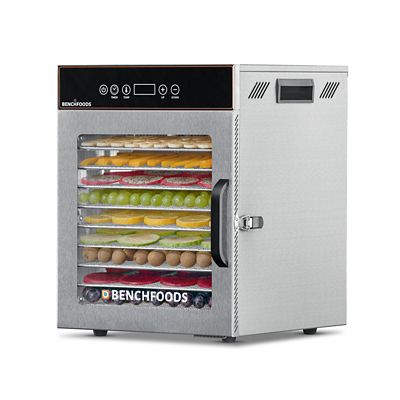
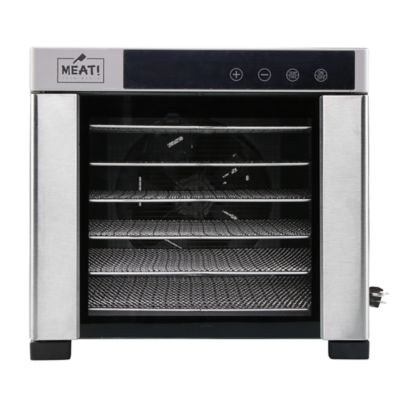
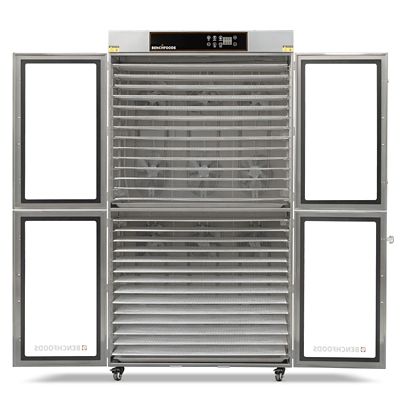
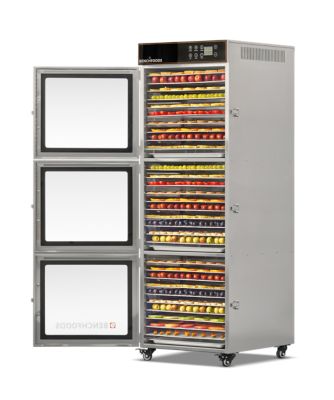
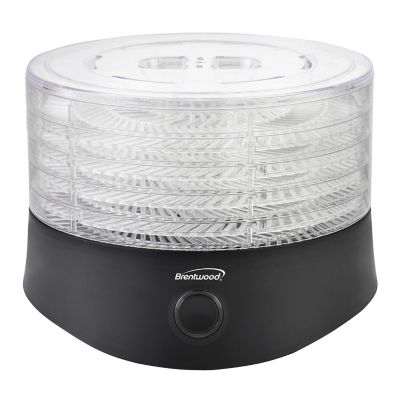
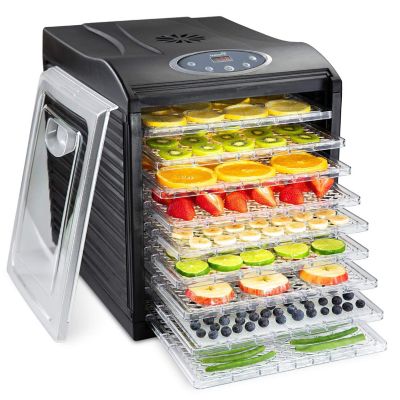
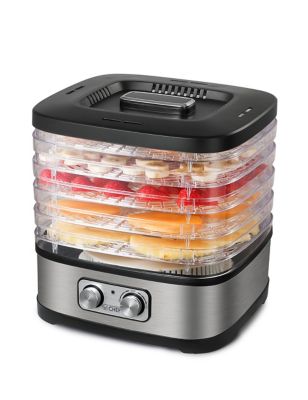
Dehydrator trays help you get more from a food dehydrator, whether you are replacing a worn tray, adding room for a bigger batch or looking for a better surface for small, sticky or soft foods. A few extra trays can make a real difference when garden produce comes in faster than the family can eat it. Instead of running several small loads, you can spread sliced apples, pears, vegetables, herbs or strips of meat across additional levels and let the machine do the work while you handle chores around the house or barn. Replacement trays are also handy when an older tray has cracked, warped or picked up deep stains after years of use. Before adding anything to your cart, match the tray to the exact make and model of your dehydrator, along with its shape and diameter. Round stackable machines generally use trays made to fit a particular ring size, while shelf-style units need rectangular trays with the right length, width and edge design. A tray that looks close in size may not sit securely, seal properly or leave enough space for air to move through the machine. It is also worth checking the recommended maximum number of trays. Adding more levels than the dehydrator is built to handle can restrict airflow, slow drying and leave some pieces leathery while others remain moist. Manufacturer limits often fall somewhere around eight to twelve trays, but the right number depends on the machine, the food and the thickness of each slice. For a dependable setup, keep pieces in a single layer, leave a little room between them and rotate trays when the instructions call for it. Those small habits help produce more even results, especially with foods that hold a lot of moisture.
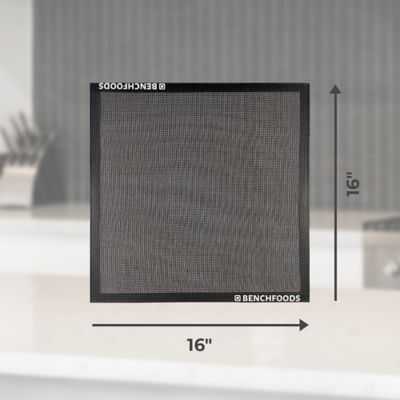
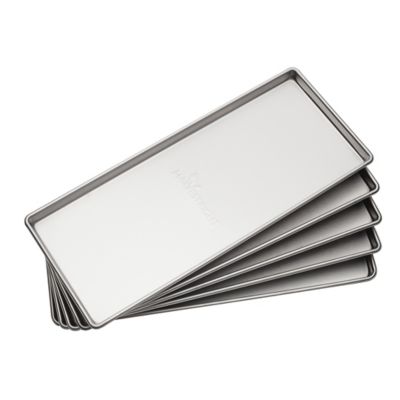
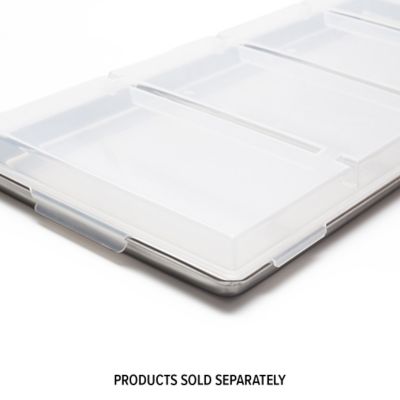
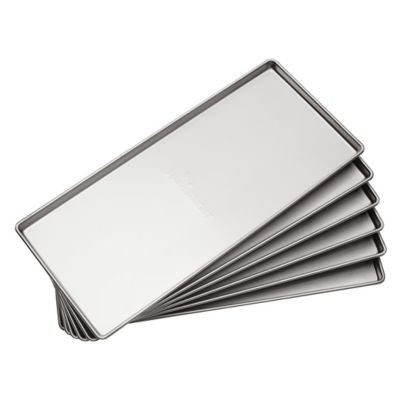
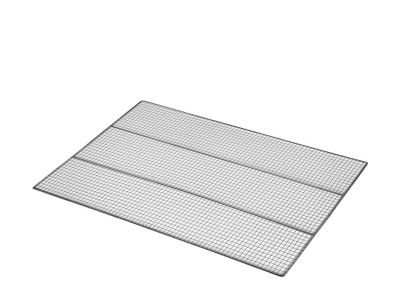
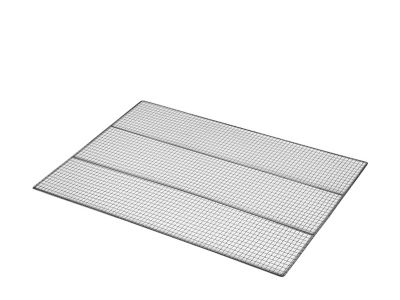
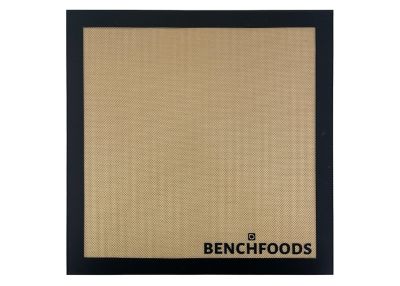
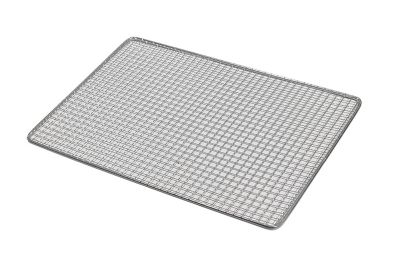
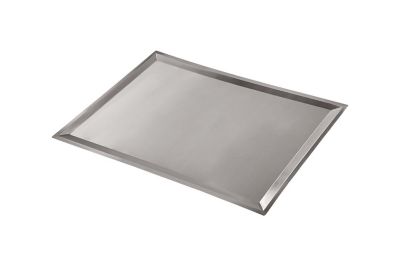
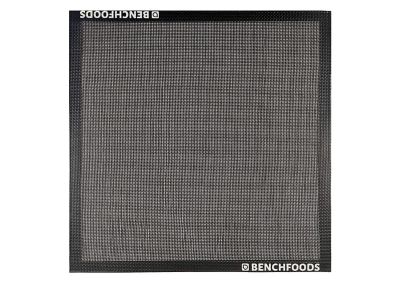
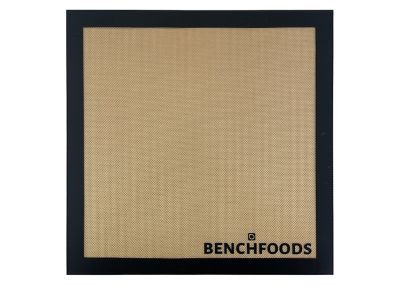
Different tray styles suit different jobs around the kitchen. Food-grade plastic trays are light, affordable and easy to stack, making them a practical choice for expanding capacity or replacing everyday trays. Stainless steel trays offer a sturdy option for frequent use and are valued for their durability and resistance to rust; some are also dishwasher-safe, though care instructions vary. Fine mesh inserts are useful when drying smaller foods that might slip through wider openings, such as chopped herbs, flower petals, finely sliced vegetables or little pieces of fruit. They can also help keep foods from sticking directly to the tray. Flexible silicone mats and fruit leather sheets are made for softer mixtures and foods that would otherwise drip or cling, including pureed fruit, tomato mixtures and other semi-liquid preparations. Raised edges can help contain a spread while it dries, and the flexible surface makes finished pieces easier to lift away. Liners are especially helpful when making fruit leather for lunch boxes, trail snacks or a pantry jar of homemade treats during the cooler months. When shopping, look at the material, tray thickness, edge construction and cleaning requirements in addition to the price. Some trays can go in the dishwasher, while others should be washed by hand with warm water and mild soap to help preserve their shape. A soft brush can loosen dried bits from mesh without bending it, and soaking a tray before scrubbing is often kinder than using a sharp utensil. Silicone is naturally flexible, but it still needs to be fully dry before storage so it does not pick up musty odors. Keep trays flat or stacked neatly in a dry cabinet, and avoid storing heavy cookware on top of them. For more options and compatible dehydrator equipment, visit
Shop Food Dehydrator.
Dehydrator trays fit a wide range of households, from gardeners preserving a bumper crop to families packing homemade snacks for long drives, school days and outdoor work. They are useful on the farm, in a hunting camp kitchen or in a home where buying in bulk saves a trip to town. A few extra levels can hold herbs clipped from the garden, peppers gathered before a cold snap, mushrooms found at the market or fruit picked when it is fully ripe and sweet. Once dried, those foods take up less space and can be stored for later use in soups, baked goods, trail mixes and quick weekday meals. Trays can also be a thoughtful gift for someone who enjoys canning, gardening, cooking from scratch or putting up food for the cooler season. They make a practical addition to a housewarming basket alongside jars, kitchen towels and pantry labels, or a useful present for a relative who already owns a dehydrator but needs replacement parts or specialty liners. For anyone new to dehydrating, choosing trays with the proper fit is more important than simply choosing the largest pack. Count the trays already included with the machine, measure carefully if the model information is missing and look for care instructions before purchasing. Consider how the tray will be used most often: solid trays or regular open trays work well for larger slices, mesh is better for small pieces and herbs, and silicone sheets are suited to purees and sticky foods. With the right combination, a dehydrator becomes easier to load, easier to clean and more useful from one season to the next. As the weather shifts and fresh garden work slows down, extra trays can keep the kitchen busy with apples, vegetables, herbs and homemade snacks, turning a full harvest into food the family can enjoy long after the growing season has passed.