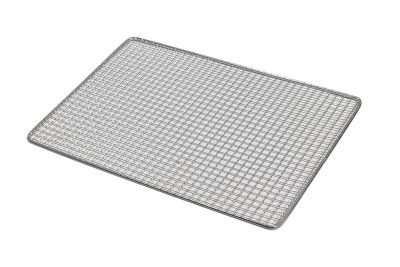
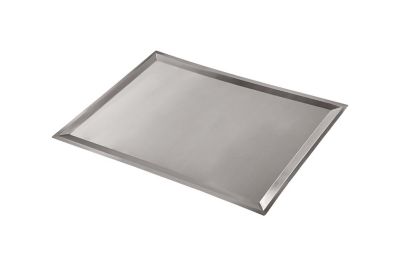
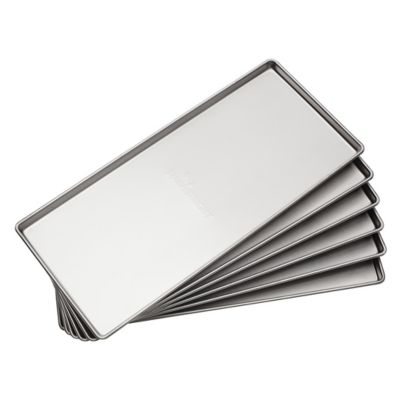
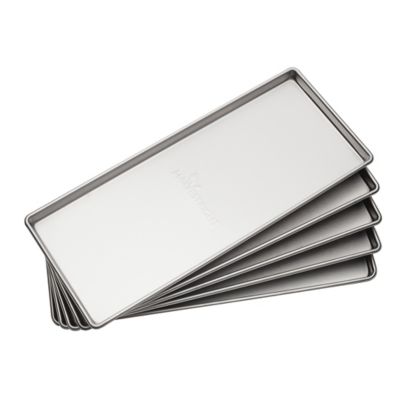
Stainless steel food trays are rust-resistant, nonporous trays for serving, carrying, portioning and preparing food in home kitchens, cafeterias and shared dining spaces. They handle a wide range of everyday jobs, from holding sandwiches for a work crew to keeping a main dish and sides separate at a church supper. Their appeal starts with the material: stainless steel contains chromium, which helps form a protective surface layer that resists corrosion. That does not make every tray rustproof under every condition, and the steel’s composition, construction and care all affect how it holds up. Food-contact suitability matters more than shine alone. A polished surface has a bright appearance, while a brushed finish has a softer sheen; either can develop small scratches through regular handling. Thicker steel generally feels firmer when carrying a full meal, although a tray’s shape, reinforced edges and overall construction also contribute to stiffness. Open trays offer room for a plate, bowl or spread of sliced bread, while divided trays keep gravy away from a biscuit or fruit separate from a sandwich. Shallow sides make food easier to reach, and deeper walls help contain loose ingredients or catch small spills. Raised rims give hands a place to grip, especially when the tray needs to travel from the kitchen counter to a long dining table. Smooth, finished edges are important wherever fingers wrap around the sides. Rounded inside corners also make it easier to reach food with a spoon and clear away residue afterward. For families, community kitchens and folks feeding several people at once, these details can matter more than an eye-catching finish. A tray that sits flat, feels balanced and leaves enough room for a full serving fits naturally into the routine, without making a simple meal feel like extra work. For cooks portioning chopped vegetables, assembling lunches or setting out rolls, the same broad surface helps keep the work together instead of spreading it across several plates.
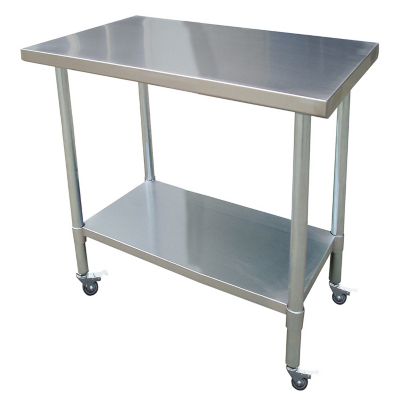
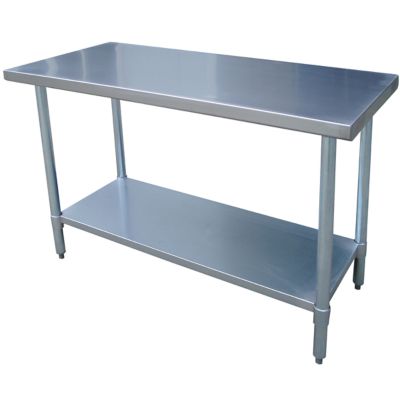
The right dimensions depend on what the tray will carry and where it needs to fit. A compact tray may suit a child’s place setting or a quick lunch, while a larger footprint gives a full meal more elbow room. Outside measurements include rims and handles, so the usable space inside can be noticeably smaller. That difference matters when fitting a dinner plate, arranging several bowls or sliding a tray onto a shelf. Compartment depth matters, too: a broad, shallow section works differently from a smaller, deeper well, even when the trays have similar outer dimensions. For cafeteria-style meals, a balanced layout helps keep heavier portions from pulling the tray to one side. For serving biscuits, sliced meat or sandwiches at the table, an open layout leaves more freedom to arrange the food. In a shared prep area,
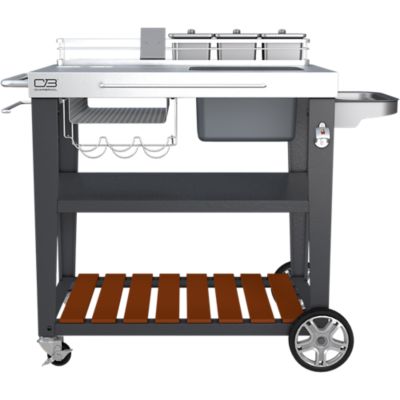
Stainless Steel Top Tables provide a work surface for lining up trays before they move to the serving area. Leaving room around each tray makes lifting and setting it down less awkward, particularly when several people are helping with a meal. Storage fit deserves the same attention as serving space. Nesting trays can take up less cabinet room, though tightly nested pieces may be harder to separate, especially before they are fully dry. Matching lids can help protect food during storage or transport, but a fitted cover is not automatically leakproof. Carrying soup or other liquids calls for a design intended for that job. Oven, freezer and dishwasher compatibility also depend on the complete construction, including handles, coatings and attached parts. A serving tray is not necessarily baking equipment, and metal trays do not belong in a microwave. Stainless steel also transfers heat, so a tray holding hot food can become uncomfortable to touch. The intended setting matters: a dining table, lunchroom and camp meal each call for a slightly different balance of size, weight, grip and containment.
Everyday care helps stainless steel food trays stay pleasant to handle and easier to clean. A smooth metal surface does not readily absorb food odors, but grease, dried sauces and scraps still need thorough washing. Warm water, mild dish soap and a soft sponge are a practical starting point when they match the manufacturer’s care directions. Rinsing away salty residue and drying the tray promptly help limit spotting and reduce the chance of corrosion. Chlorine bleach, harsh cleaners and prolonged contact with concentrated salt can damage stainless steel, while steel wool can scratch the finish and leave behind particles that may rust. Stubborn food generally loosens more easily after a short soak than after hard scraping with a sharp utensil. Dishwasher-safe construction can simplify cleanup after a crowded supper, but attached grips or other nonmetal parts may have different care requirements. Trays also need enough space in the rack for water to reach their surfaces rather than sitting pressed together with food trapped between them. After washing, completely dry pieces stack more comfortably and are less likely to hold moisture in tight spaces. Light scratches are a normal part of service and do not automatically make a tray unsuitable for food contact; rough edges, loose handles, deep pitting or damaged seams deserve closer attention. Separate trays for raw ingredients and ready-to-eat food can help keep preparation organized, along with washing hands, utensils and surfaces between tasks. Stainless steel does not replace those basic food-handling habits. For households setting up a first kitchen, families packing regular lunches or volunteers serving community meals, trays can make a practical gift when their dimensions and care needs fit the recipient’s routine. The most useful choice is often the straightforward one: enough space for the food, a comfortable grip, a stable base and a shape that cleans up without a struggle. Those everyday details help a tray earn its place, from a single breakfast at the kitchen table to a full line of plates waiting for supper.