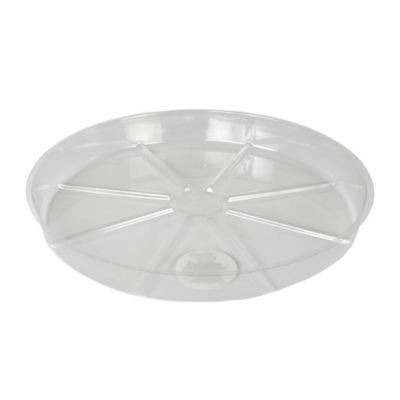
Seed trays are shallow containers that hold growing mix, individual planting cells, or small pots while seeds sprout and seedlings develop before transplanting. They keep young plants together in a manageable space, whether that’s a shelf in the house, a greenhouse bench, or a corner of the potting shed with suitable lighting. For vegetable gardeners, flower growers, and folks planting a few kitchen herbs, the right tray makes watering, labeling, and moving seedlings less of a juggling act. The main types are open flats, cell trays, and mesh-bottom trays, each with a different job. Open flats have no built-in compartments, leaving room for broadcasting seeds, growing microgreens, or arranging soil blocks. Cell trays, also called plug trays, divide the growing area into separate pockets, helping keep neighboring root systems apart and making individual seedlings easier to lift for transplanting. Mesh-bottom trays support containers or soil blocks while allowing water to drain through; they generally need a catch tray underneath when watering indoors. A solid-bottom tray serves a different purpose, holding runoff or water for bottom watering rather than letting it pass through onto the bench. Those distinctions matter when choosing a setup: a planting insert with drainage holes and a watertight base can work together, but they aren’t interchangeable. Clear propagation domes are another common part of seed-starting setups, helping retain moisture around the growing mix during germination. They aren’t a substitute for light or regular checks, and seedlings generally need more ventilation once they emerge. A tray system that lets the insert, base, and cover fit together without wobbling is easier to handle when the mix is wet. From a handful of tomato starts to rows of flowers destined for a garden bed, seed trays give small plants a defined place to get established without scattering separate pots across every available surface. That organization also makes it easier to keep varieties straight when several kinds of seedlings look nearly alike.
Cell size deserves as much attention as the number printed on a seed-starting tray. A higher cell count puts more plants into the same footprint, but each seedling gets less growing mix and root room. Larger cells often suit tomatoes, peppers, squash, and other plants that need more space before transplanting, while smaller cells can suit lettuce, flowers, and starts that will move into larger containers sooner. Trays with roughly 32 cells commonly provide more room per plant than 72-cell trays of a similar overall size, while 128-cell and higher-count trays fit more starts into limited bench space. Those numbers are only a starting point because cell depth, width, and shape vary. Deep cells can accommodate longer roots, and tapered walls can help a rooted plug slide out with less tugging on the stem. Squash and cucumbers benefit from careful handling and timely transplanting because their roots don’t take kindly to disturbance. For a gardener tending several crops together, separate inserts or smaller trays make it possible to move one planting without shifting everything else. Think about how long the plants will remain in their cells, too. A tray that works well for a short stay may leave a longer-growing seedling needing another pot before it reaches the garden. Overall dimensions matter just as much in a tight growing area. Measure shelf width and depth, allow room to reach the back row, and check that the planted area fits beneath the grow light’s coverage. Nominal tray sizes don’t always guarantee that inserts, bases, and domes from different systems will fit one another, so actual measurements are worth checking. A flat rim, a supported base, and enough clearance above the seedlings can make everyday tending more comfortable. Labels also need a sensible spot: a clearly marked row of peppers is a lot easier to track than a tray of look-alike seedlings with loose tags tucked underneath. Matching the layout to the plants and the workspace keeps the setup practical from sowing through transplanting.
Materials and construction affect how seed trays feel in the hand and how well they stand up to repeated planting cycles. Rigid plastic trays offer support when carrying damp growing mix, while thinner plastic inserts may need a firm base beneath them to prevent bending. Flexible cells can make releasing rooted seedlings easier, though the tray still needs enough support to carry safely. Plantable fiber cells offer another approach, but their watering needs and transplanting directions can differ from plastic. Check whether the material should stay around the root ball and whether exposed edges need covering at planting time; fiber sitting above the soil can draw moisture away from the roots. For any material, drainage openings should let excess water escape without allowing too much growing mix to fall through. Bottom watering can help moisten the mix without washing small seeds out of place, provided the planting cells have drainage holes and the base holds water. Once the mix has taken up enough moisture, excess water should be emptied rather than left around the roots indefinitely. Open flats and tightly packed cells also benefit from easy access for checking moisture below the surface, since the top layer doesn’t tell the whole story. Repeated-use trays are easier to care for when corners and cell bottoms are reachable for cleaning. Removing old roots and growing mix, washing surfaces, and disinfecting with a product labeled for that purpose help reduce the chance of carrying plant problems into the next planting. Follow label directions and let trays dry before stacking them away. Cracked rims, split cell walls, and blocked drainage holes are worth checking before another round of seeds goes in. Keeping tags, clips, and empty pots together in
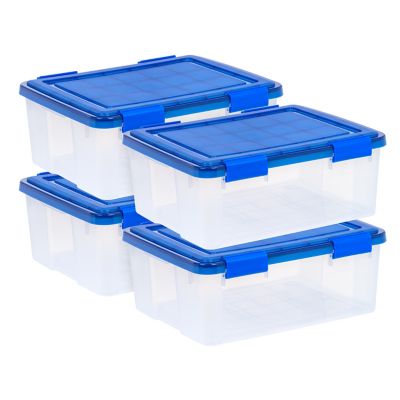
Storage Trays can tidy the surrounding workspace while leaving planting trays free for their intended job. A well-matched seed tray setup earns its place through ordinary chores: carrying a flat without it folding, watering without a puddle on the shelf, and lifting a seedling with its root ball intact. Those small details matter whether the planting space fills a greenhouse bench or just one sturdy shelf.