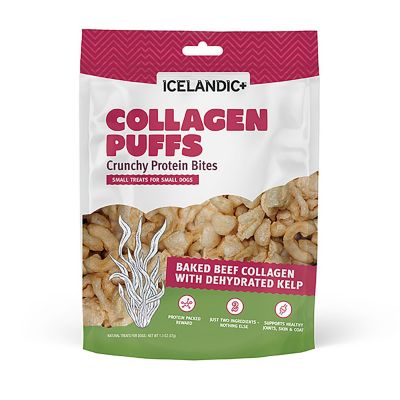
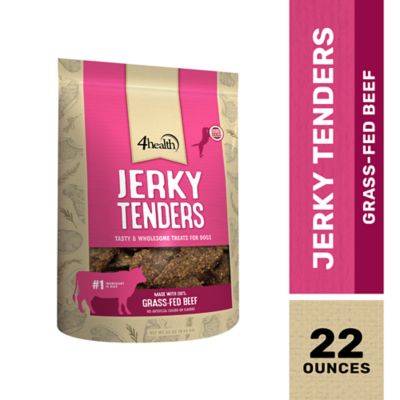
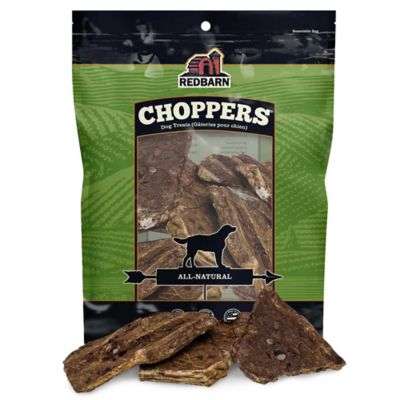
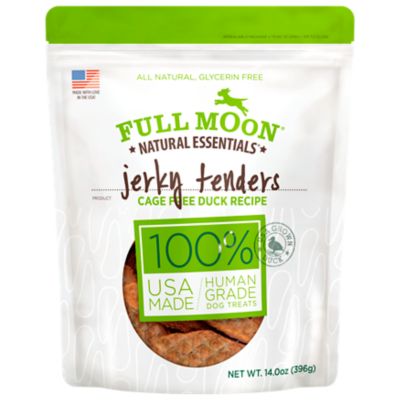
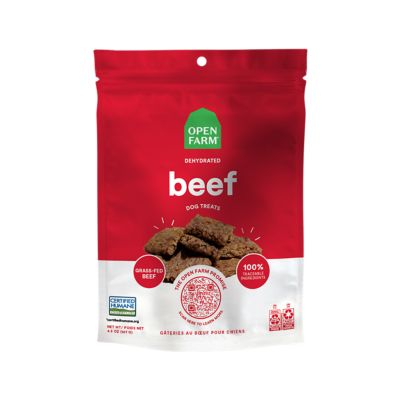
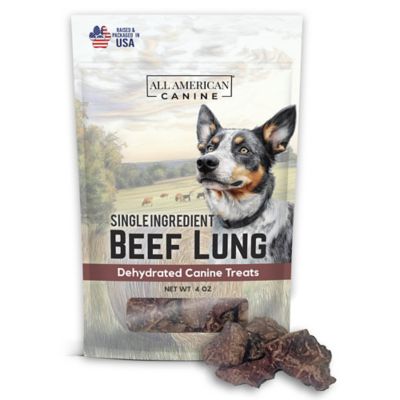
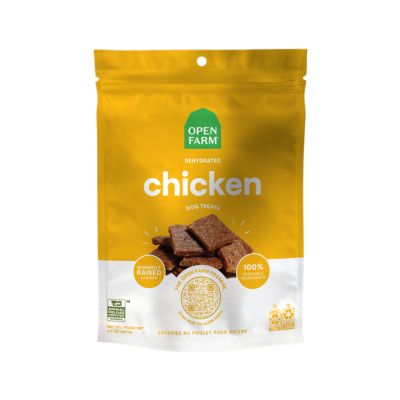
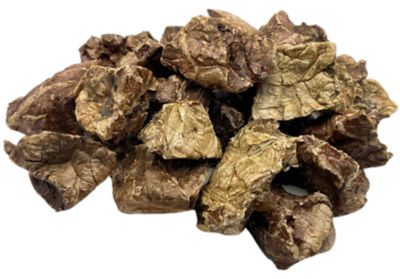
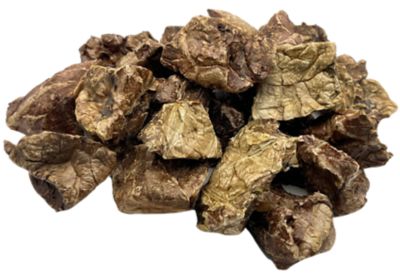
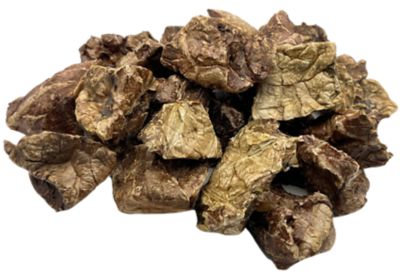
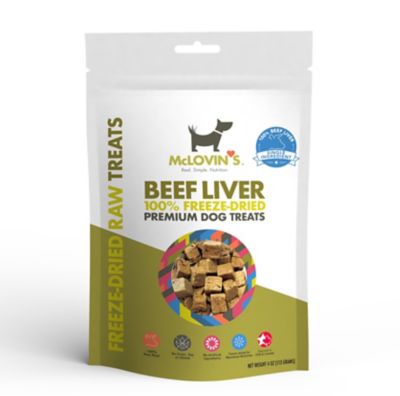
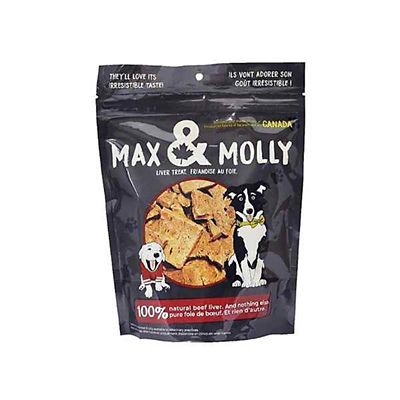
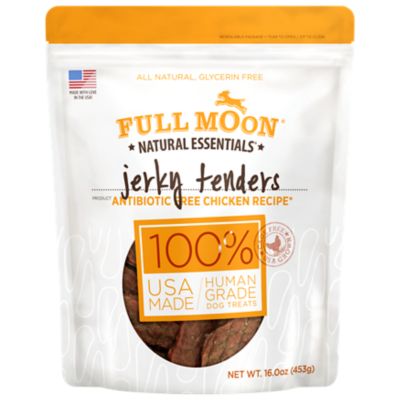
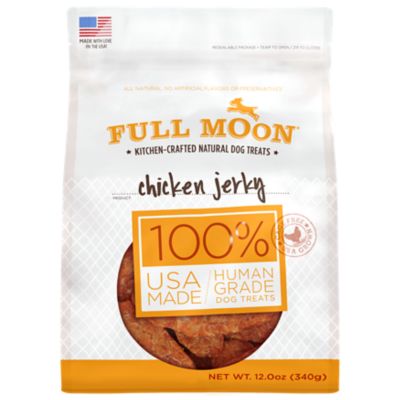
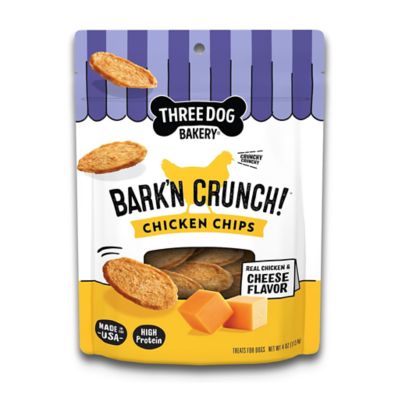
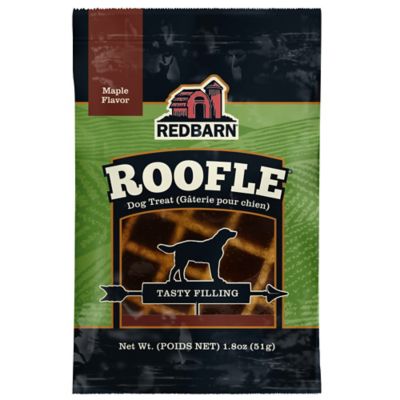
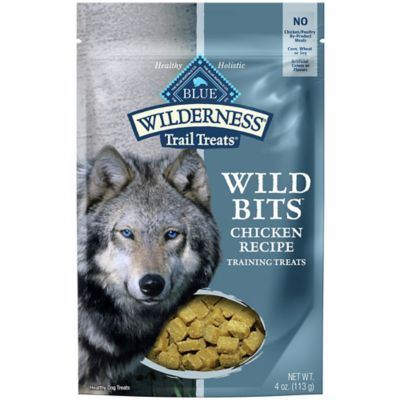
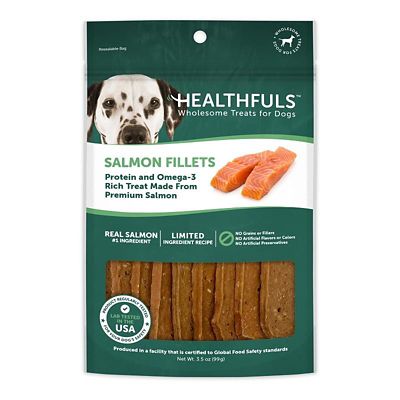
Dehydrated dog treats are a handy way to reward a good sit, keep a barn buddy busy, or add a little variety to your dog’s everyday routine. They’re made by removing moisture from ingredients such as meat, poultry, fish, fruits, or vegetables with low, controlled heat. The result is a snack with a firm bite, a rich smell, and less moisture than many soft treats, which can make it easier to store in a pantry, tack room, travel bag, or kitchen cabinet. Many varieties feature one main ingredient, such as chicken, beef, duck, turkey, fish, or liver, so you can see what your dog is getting at a glance. Single-protein treats can be especially helpful for households keeping an eye on possible food sensitivities, though every dog responds differently and a veterinarian can help sort out signs such as itching, ear trouble, vomiting, or loose stool. For dogs that do well with plant-based snacks, dehydrated fruits and vegetables may offer another option in small portions. Always check the package for ingredients, feeding directions, storage instructions, and any notes about the size or texture of the treat. A small dog, puppy, senior dog, or dog with dental trouble may need softer pieces or treats broken into smaller bites, while a larger dog may enjoy a thicker chew. Even when a treat has a short ingredient list, it still adds calories, so snacks should fit within your dog’s daily feeding plan. A common rule of thumb is to keep treats to about 10% of daily calories, with the rest coming from a complete and balanced diet.
Texture and purpose matter when you’re picking from a selection of dehydrated dog treats. Thin slices, small pieces, and bite-size nuggets are easy to carry in a pocket or training pouch, making them useful for practicing recalls in the yard, rewarding calm behavior around livestock, or reinforcing a polite greeting at the feed store. Larger pieces and firmer chews can take more time to finish, which may help occupy a dog during a quiet evening indoors or while you’re tending chores nearby. Keep an eye on your dog while any chew is being enjoyed, and take away small fragments that could become a choking concern. Dogs vary a lot in how they chew; one may nibble slowly beside the woodstove, while another will try to gulp a treat whole before racing back outside. Offering an appropriate size and texture helps make snack time safer and more enjoyable. Dehydrated treats can also be useful on road trips, camping weekends, training outings, and visits to family farms because they travel neatly and don’t have the same wet texture as many soft snacks. Their reduced moisture content can support a longer pantry life when they’re sealed and stored according to the package directions, away from heat, humidity, and direct sunlight. Less moisture may also limit the conditions that allow mold and bacteria to grow, but it does not make a treat immune to spoilage. Wash your hands after handling pet food, keep the bag closed between servings, and avoid leaving treats in a hot vehicle or damp shed. For a dog who enjoys a crisp bite, browse
Crunchy Dog Treats for another texture to work into the rotation.
These snacks can suit all sorts of dogs and people. A new puppy may receive tiny pieces during house training, while an older farm dog may get a favorite chew after coming in from a muddy fence-line check. Active dogs can enjoy a treat after a long walk or a morning of helping with chores, but treats should not replace fresh water, regular meals, rest, or veterinary care. Dogs with a history of pancreatitis, kidney disease, diabetes, food allergies, or other health concerns may need special limits on fat, protein, sodium, or certain ingredients, so check with a veterinarian before adding new snacks. When introducing a new recipe, start with a small piece and watch your dog over the next day or two for digestive upset or other changes. This slow approach is useful in a busy household where several dogs share the same porch, because it makes it easier to tell which dog is reacting and what may have caused it. Dehydrated treats can also make a thoughtful gift for a dog-owning friend, a neighbor who helps with chores, a new pet parent, or a family member whose dog tags along on every outing. A few different textures or proteins can give them options for training and everyday rewards, but it’s considerate to check for allergies and feeding restrictions first. During the cooler months, when dogs may spend more time inside between trips outdoors, a measured treat can add interest to puzzle toys, crate time, or a short training session in the kitchen. As weather shifts and routines change, keeping a suitable bag of treats on hand makes it simple to reward the behaviors you want to see, whether that means a quiet wait at the door, a quick return from the pasture, or a gentle sit before dinner.