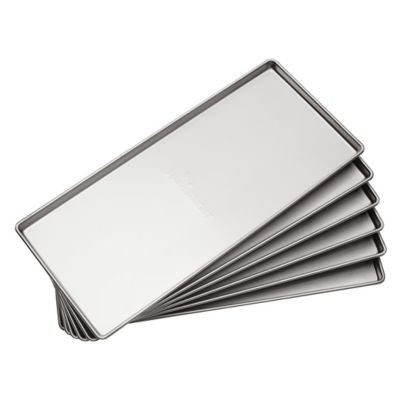
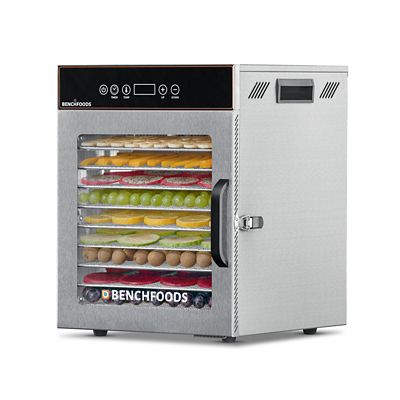
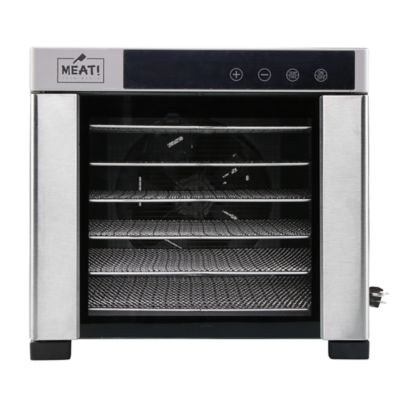
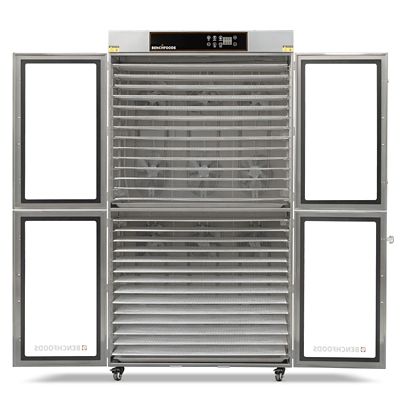
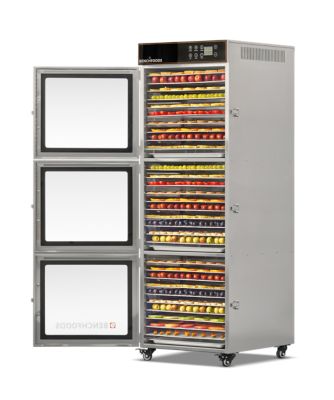
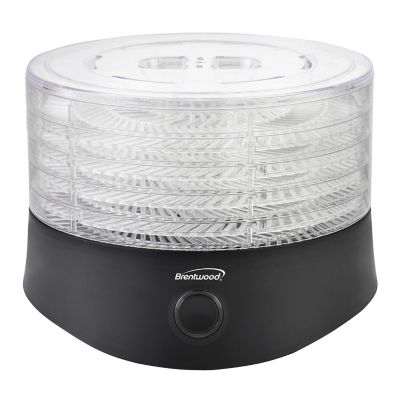
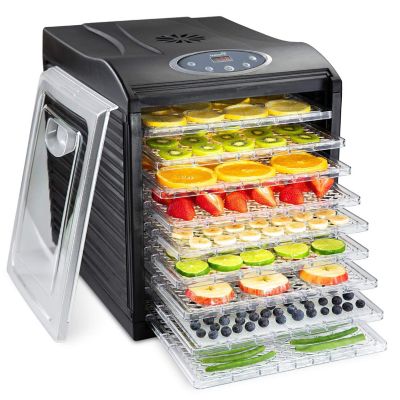
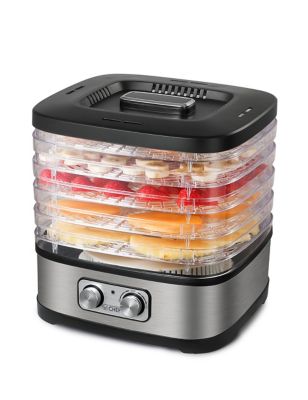
Food dehydrator trays make it easier to dry more food in one batch, replace worn racks, or set up a dehydrator for a wider mix of ingredients. They’re useful on a homestead, in a busy family kitchen, or anywhere folks like to make good use of garden produce, farmers market finds, and bulk grocery buys. A few extra trays can turn a small harvest of peppers, apples, herbs, or green beans into shelf-stable food without taking over the oven. They also help keep different foods separated while they dry, which is handy when one tray is holding seasoned vegetables and another is set aside for fruit. Before choosing food dehydrator trays, check the exact make, model, and series of your dehydrator. Trays are not universal, even when they look close in size. Circular stackable dehydrators generally need trays with the right outside diameter and center opening, while shelf-style dehydrators use racks made to slide into specific rails. Matching the tray to the unit helps maintain proper airflow and keeps the door or lid from sitting unevenly. It’s also important to follow the manufacturer’s recommended maximum number of trays. Many stackable machines are designed for a set limit, often somewhere around eight to twelve trays, and adding more than the unit can handle may restrict airflow or make drying uneven. When shopping for replacement or add-on dehydrator trays, measure the tray you have on hand, compare the shape and height, and look for compatibility details before placing an order. A proper fit saves plenty of fuss when you have a counter full of sliced fruit ready to go.
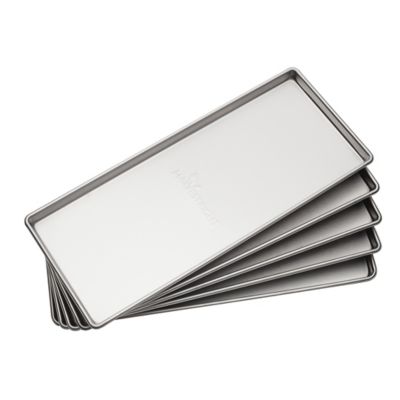
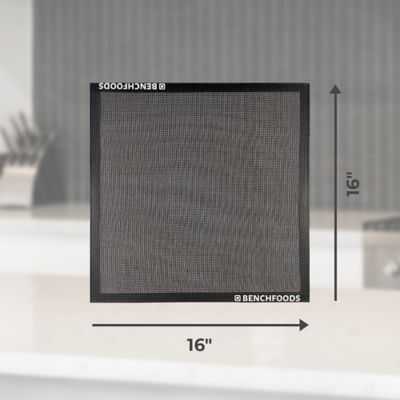
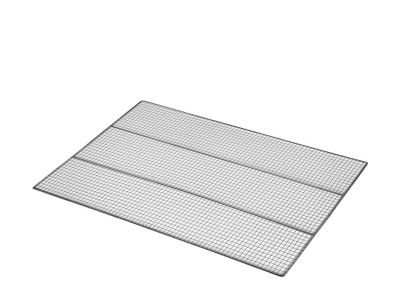
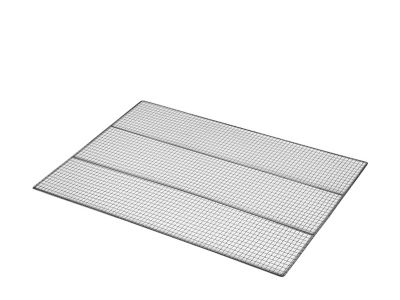
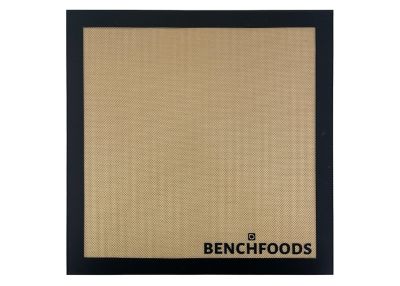
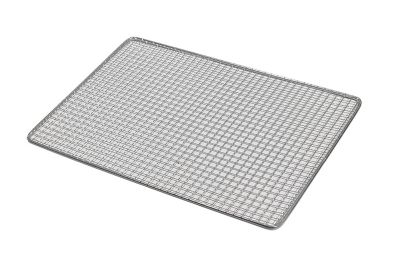
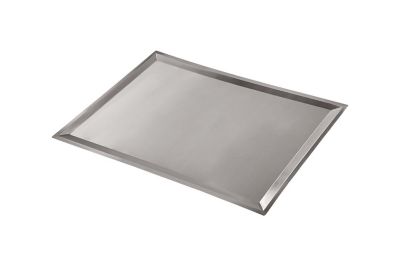
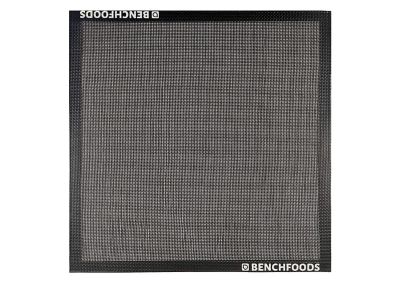
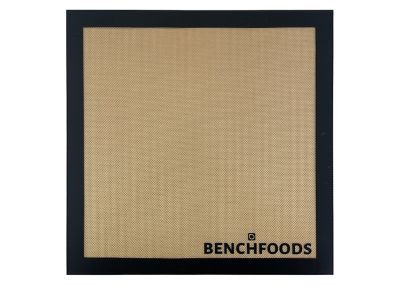
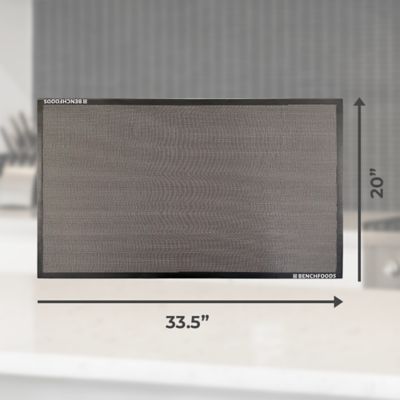
Tray material and design matter just as much as size. Lightweight plastic trays are common in stackable dehydrators and are easy to lift, wash, and store. They’re a practical choice for routine batches of fruit, vegetables, and jerky, particularly when you want to add capacity without making the whole setup heavy. Stainless steel racks are sturdy, long-lasting, and resistant to rust, making them a good fit for frequent use and larger batches. Many stainless racks are dishwasher safe, though it’s still wise to check the care instructions for the specific tray. Mesh screens or fine liners are useful for small herbs, berries, chopped vegetables, and other foods that may slip through standard openings as they shrink. They also make it easier to lift delicate pieces from the tray once they’re dry. Flexible silicone sheets are especially helpful for fruit leather, vegetable puree, sauces, and other foods that start out soft or sticky. Raised edges can help keep a thin layer from running over the sides, while the non-stick surface makes finished fruit leather easier to peel away. Think about the foods you dry most often and choose trays or liners that suit those jobs. Someone drying apple rings and garden herbs may appreciate a few fine mesh inserts, while a family making jerky or fruit leather may get more use from solid sheets and sturdy racks. Keep in mind that heavy plastic trays are often best washed by hand, and high heat can warp some materials. Stainless steel and silicone may be dishwasher friendly, but removing food residue soon after use helps prevent stubborn buildup. Let every tray dry completely before stacking it away, especially after washing, so moisture doesn’t linger between surfaces.
Food dehydrator trays can be a thoughtful gift for gardeners, hunters, campers, backyard cooks, and anyone who enjoys saving the flavor of a good harvest. They’re also useful for people who buy in bulk and want to reduce waste when produce starts ripening faster than the household can eat it. During the cooler months, dried apples, pears, onions, mushrooms, and herbs can bring a little garden-season flavor to soups, stews, baked goods, and trail snacks. A well-prepared batch of jerky can travel to the barn, workshop, hunting camp, or a long drive without needing a cooler, while dried fruit makes an easy lunchbox addition for workdays and school days. Pet owners may use a dehydrator for homemade treats, but ingredients should always be safe for the animal and prepared according to trusted veterinary guidance; foods that are fine for people are not automatically suitable for pets. For anyone getting started, a simple tray setup is often enough to learn how slices, moisture levels, and airflow affect the finished food. Cut pieces to a similar thickness so they dry at about the same pace, leave room between pieces for air to move, and rotate trays when the manufacturer recommends it. Let food cool before judging its final texture, since warm pieces can feel softer than they will after cooling. Clean trays after each batch, inspect them for cracks or bent edges, and replace liners that have become brittle or damaged. With the right fit and a little care, extra racks and liners can help a dehydrator handle everything from a handful of backyard herbs to a full counter’s worth of seasonal produce. Browse
Shop Food Dehydrator to find equipment and accessories that fit the way you preserve, cook, and stock the pantry.