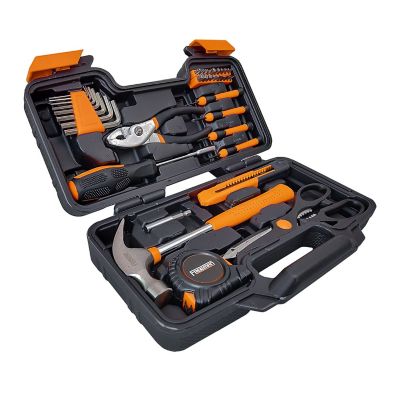
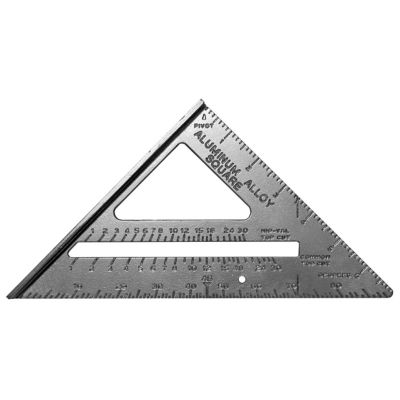
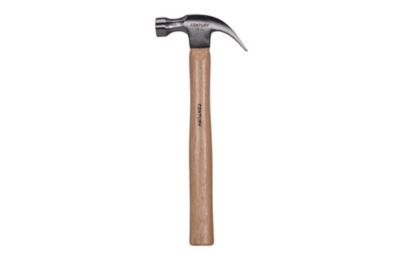
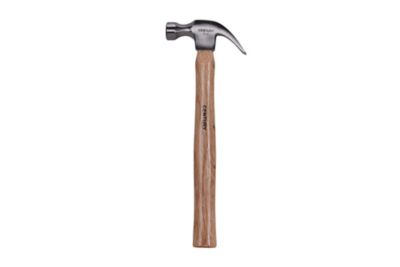
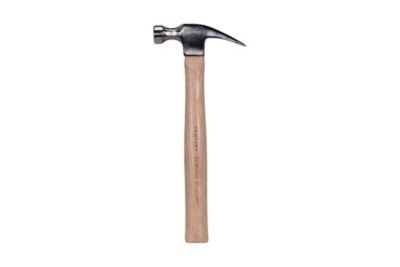
Carpentry hand tools cover the measuring, marking, cutting, striking, and smoothing jobs that turn lumber into something useful. They belong wherever wood needs fitting, fastening, or finishing, from a farmhouse mudroom to a barn workbench. Unlike tools that depend on a motor, hand tools let the person doing the work control each stroke, tap, and shaving. That direct feel matters when a shelf needs a snug fit between uneven walls or a replacement board must match the opening left by an old one. Measuring and layout tools establish the lines that the rest of the work follows. A tape measure handles both short dimensions and longer runs, while a square helps check corners and mark crosscuts or angled cuts. Clear graduations, a blade that stays extended across the work, and markings that remain easy to read against sawdust are practical considerations for measuring tools. A carpenter’s pencil leaves a visible line on rough lumber, and its flat shape helps keep it from rolling off a sloping board. A marking knife makes a finer layout line for close-fitting joints, while a chalk line carries a straight reference across longer surfaces. Striking tools serve a different purpose: a claw hammer drives nails and pulls fasteners, while a nail set recesses finish nail heads without bringing the hammer face against the surrounding wood. Hammer weight and handle length affect balance, reach, and how tiring repeated swings feel. A heavier head may suit framing work, but lighter finish work often calls for a more manageable swing and a smooth face that is less likely to leave an imprint. Mallets provide controlled taps for fitting joints or working with chisels designed for striking. The face material matters here, since wood, rubber, and plastic behave differently against a tool handle or a finished surface. Together, these tool categories support everything from setting out a storage bench to making small repairs around the place.
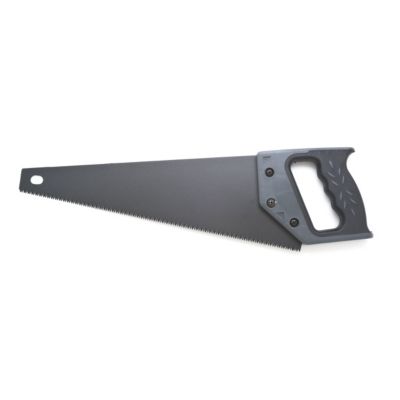
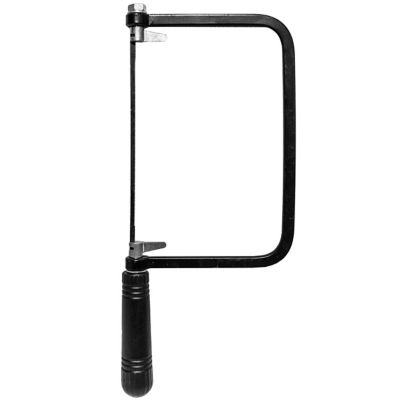
Cutting and shaping tools bring those layout marks into the finished piece. Hand saws cut boards to length, follow curves, or handle joinery, depending on their blade shape and tooth pattern. Coarser teeth generally remove wood faster, while finer teeth favor a cleaner finish at a slower pace. Rip teeth are intended for cutting along the grain, and crosscut teeth work across it; some patterns handle both kinds of cuts. The range of
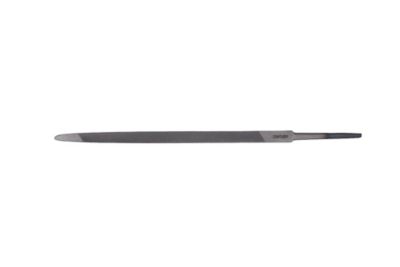
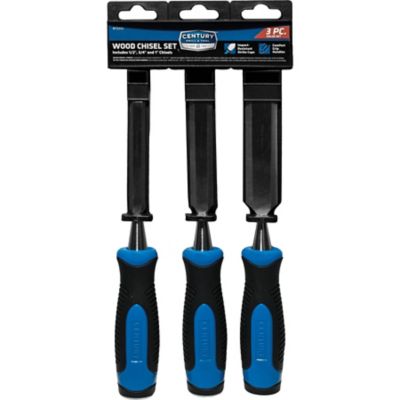
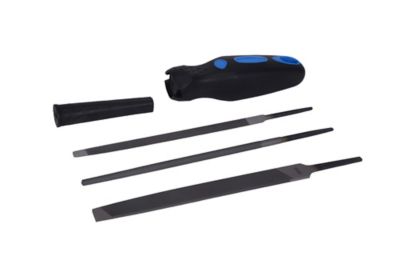
carpentry saws reflects those different tasks, from rough sizing to close-fitting joints. Blade length, handle angle, and clearance around the work all influence how comfortable a saw feels in practice. A long stroke may work well at an open bench, while a tight corner calls for a different shape and reach. Chisels remove wood from recesses, clean up joints, and pare small amounts from an edge. Their widths should suit the space being worked, and the handle must match the intended task, whether that means hand pressure or controlled mallet blows. Hand planes shave thin layers from wood to straighten an edge, smooth a face, or ease a sticking door. They can be especially handy when the job calls for removing just a little material rather than making another full cut. Rasps and files shape curves, soften corners, and refine spots that a flat plane cannot easily reach. For cutting and edge tools, steel composition, heat treatment, and blade thickness affect edge retention, sharpening needs, and resistance to damage. Cast iron plane bodies provide weight and support, though they need protection from moisture and hard falls. Handle materials bring their own tradeoffs: wood offers a familiar feel, fiberglass resists moisture, and cushioned grips can make repeated work more comfortable. Fit is personal, too. A grip that feels secure in a large bare hand may be awkward in a smaller hand or with work gloves. Balanced weight, enough finger clearance, and a handle without pressure points matter more over a full afternoon than they do during a quick lift off the bench.
The right mix of woodworking hand tools depends on the work ahead, not simply the number of pieces in a toolbox. Rough framing, fence-related wood repairs, and utility shelving call for different cutting and fastening capabilities than cabinet fitting or furniture repairs. Someone keeping up a small acreage may value tools that travel easily between the house, shed, and barn, while a woodworker at a bench may put more emphasis on fine adjustment and edge control. For a beginner, clearly marked measuring tools and comfortable general-purpose designs help make basic tasks less frustrating. An experienced carpenter may be more particular about blade geometry, hammer balance, or how a plane adjusts for a thin shaving. Clamps and a steady work surface matter alongside the tools themselves, since a board that shifts can spoil a cut and put hands in the wrong place. Eye protection is important during cutting and striking, and sharp edges need covers or protected storage when they leave the bench. Care also has a direct effect on how these tools perform over time. Sawdust holds moisture against metal, and an unheated shed can expose steel to condensation as temperatures change during the cooler months. Clean, dry storage and a light protective coating suited to the metal help limit rust, while wooden handles benefit from staying out of prolonged dampness and excessive heat. Cutting edges need sharpening appropriate to their design; some hardened saw teeth are not intended for ordinary filing. Loose heads, cracked handles, chipped edges, and bent blades deserve attention before another job begins. A toolbox with separated compartments or a wall rack with guarded edges helps keep tools from knocking together and makes the next repair easier to get started. Carpentry hand tools can also make practical gifts for someone setting up a first workbench, maintaining an older home, or enjoying quiet shop time. Matching the tool to that person’s usual projects, hand size, and existing setup gives it a better chance of becoming something they reach for often, whether the next task is fitting a latch block or finishing a bench for the back porch.