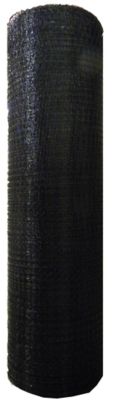
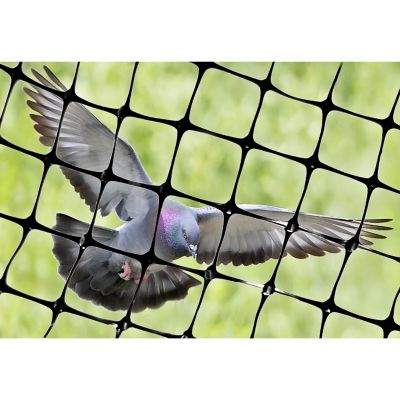
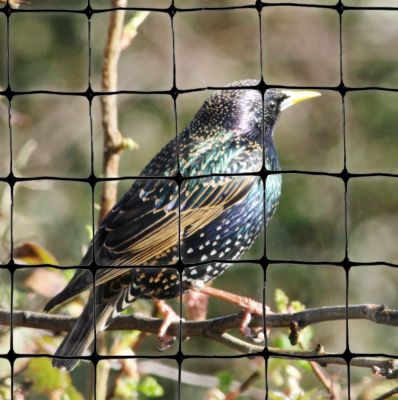
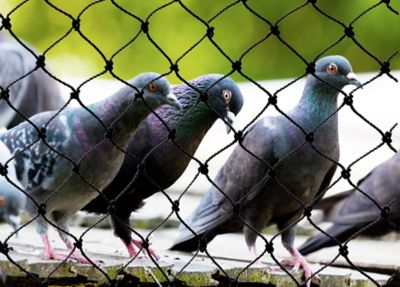
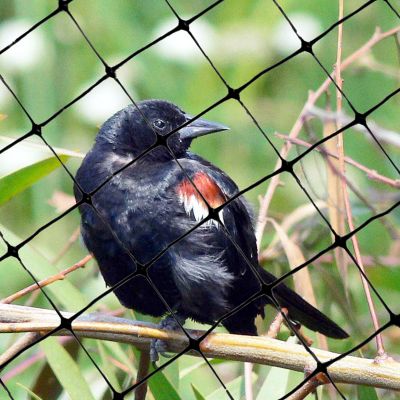
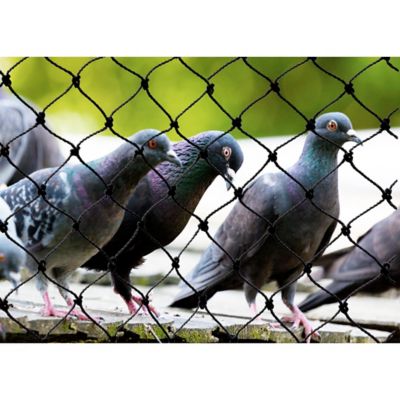
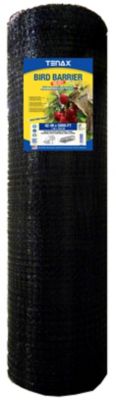
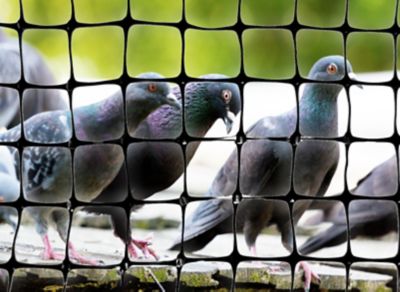
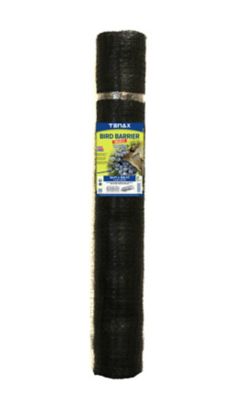
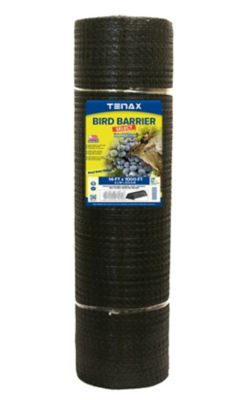
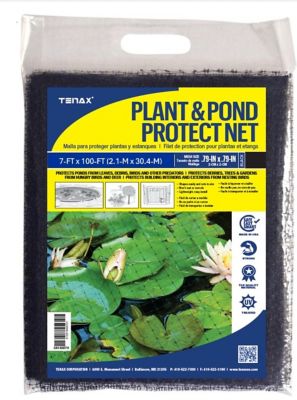
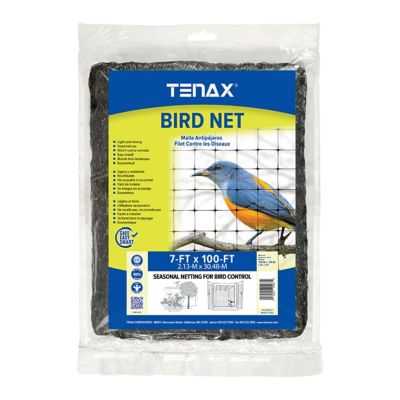
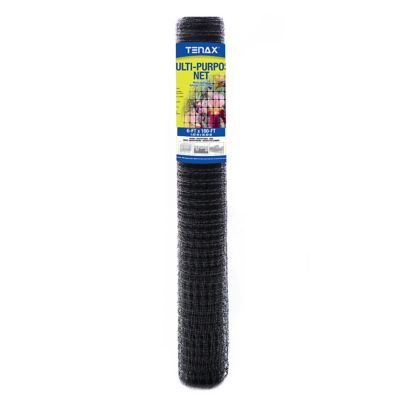
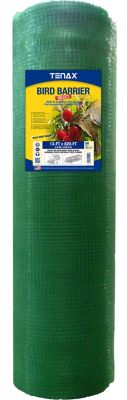
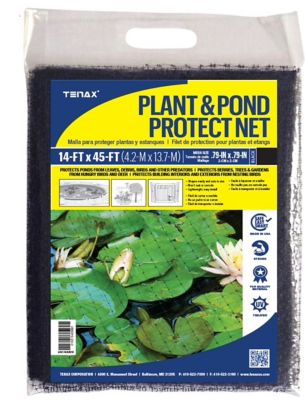
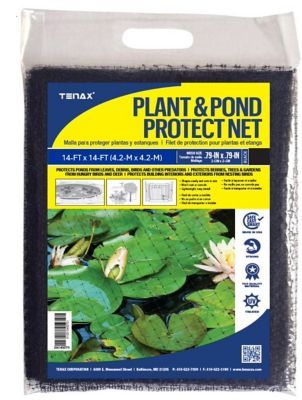
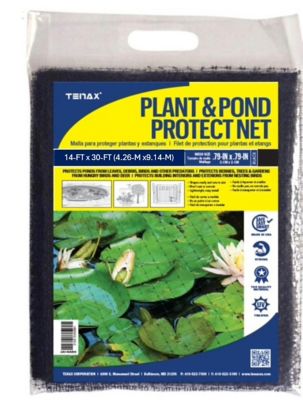
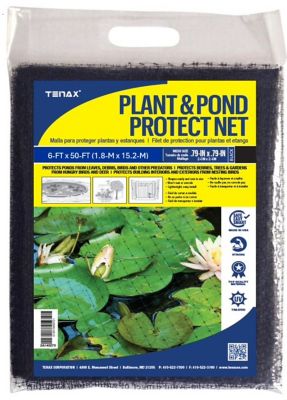
Bird protection nets create a physical barrier that helps keep birds away from crops, fruit trees, garden beds, and parts of buildings where roosting causes trouble. Instead of depending on a sound or moving object to scare birds away, netting closes off access to a defined space. That makes it a practical choice for a backyard berry patch, a small orchard, or an open-sided farm building with birds gathering along the rafters. The right net depends on both the birds involved and the area being covered. Mesh size matters because an opening that stops a pigeon may still let a smaller bird slip through. As a general reference, 3/4-inch mesh is commonly specified for excluding smaller birds, including sparrows and starlings; 1 1/8-inch mesh generally suits medium-size birds; and 2-inch mesh is typically intended for larger birds such as pigeons and gulls. Those measurements are starting points, not a promise that every bird will be excluded. Species, net construction, stretching, and gaps around the edges all affect performance, so the manufacturer’s listed applications deserve a close look. For crops, a net supported above the plants can help keep beaks away from berries and fruit while leaving room for growth. A cover resting directly against ripe fruit may still allow birds to reach through the openings. Around buildings, the goal is a complete barrier across an opening or below a roosting area, rather than a loose curtain birds can get behind. Open mesh generally allows air and light through, though the amount depends on the net’s construction. That balance makes bird protection netting useful where a solid cover would get in the way of plant growth, visibility, or everyday chores. Gardeners, orchard keepers, and property owners often have different coverage needs, but each benefits from a net matched to the space rather than simply stretched as far as it will go.
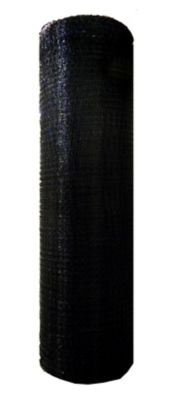
Materials and construction help determine how bird netting handles installation, repeated handling, and long-term tension. Lightweight polypropylene netting can suit smaller crop covers and applications where easy lifting and storage matter. Polyethylene netting comes in different constructions and weights, including knotted high-density polyethylene, or HDPE, for more demanding installations. The material name alone does not tell the whole story: strand thickness, mesh construction, edge reinforcement, and resistance to ultraviolet exposure all influence service life. UV-stabilized material is worth considering for netting that stays exposed to sunlight, while reinforced edges can help spread tension across attachment points. Knotted and knotless designs also handle differently, so the intended application matters more than choosing by appearance alone. A garden cover needs enough flexibility to lift away for picking, while a building barrier needs a support system that keeps the mesh properly positioned across the opening. Size should account for the full shape of the job, including height, side coverage, attachment points, and space between the net and whatever it protects. A tree canopy takes more material than its width alone suggests, and a raised bed needs coverage down the sides if birds can enter underneath. Net dimensions may also depend on how the mesh is spread, making the stated measuring method important when comparing coverage. Frames, hoops, support cables, clips, and suitable fasteners can help maintain the intended shape without pulling individual strands too tightly. Attachment hardware should suit the mounting surface and the net manufacturer’s directions. A neat, evenly supported barrier is easier to inspect than a tangled bundle draped over branches or beams. Access matters, too. A planned opening for harvesting, pruning, or reaching equipment can make routine work simpler without leaving a permanent gap. For a walk-in growing area, enough headroom and a clearly defined entrance help keep the net from becoming something that catches a hat, a tool handle, or a shoulder every time somebody passes through. The best fit supports the work happening underneath it.
Care and placement are just as important as mesh size when choosing bird protection nets for a working property. Loose folds, torn sections, and open edges can create entry points or entanglement hazards, so netting needs regular inspection and prompt attention when something comes loose. Keeping it taut, visible, and clear of unnecessary slack helps reduce those risks, but no net should be treated as maintenance-free. Birds and other wildlife should be outside the protected space before an opening is closed. Active nests require special attention, since many native birds and their nests have legal protection; exclusion work may need to wait or involve a qualified wildlife professional. In gardens, placement should also account for flowers that need pollinator visits, and mesh that excludes birds should not automatically be considered insect screening. Around poultry areas, an overhead bird barrier may help limit wild-bird access, but lightweight crop netting is not a substitute for fencing or a purpose-built predator barrier. It is not a climbing surface, safety net, or support for stored materials, either. These distinctions help match the net to its actual job instead of expecting one material to handle every problem around the yard or barn. Cleaning and storage affect how well a net handles its next installation. Removing leaves, twigs, and plant ties before folding helps prevent snags, while cleaning according to the manufacturer’s directions avoids damage from unsuitable chemicals. Letting the net dry before storage and keeping it away from sharp tools makes the next setup less of a wrestling match. Larger installations benefit from labeled sections and organized attachment hardware, especially where several beds or openings have different dimensions. For broader exclusion needs,
Bird Pest Control offers related approaches to consider alongside netting. Whether the job is protecting a few berry bushes or closing off a troublesome roosting spot, a properly fitted net leaves fewer gaps for birds and fewer obstacles for the people tending the property.